

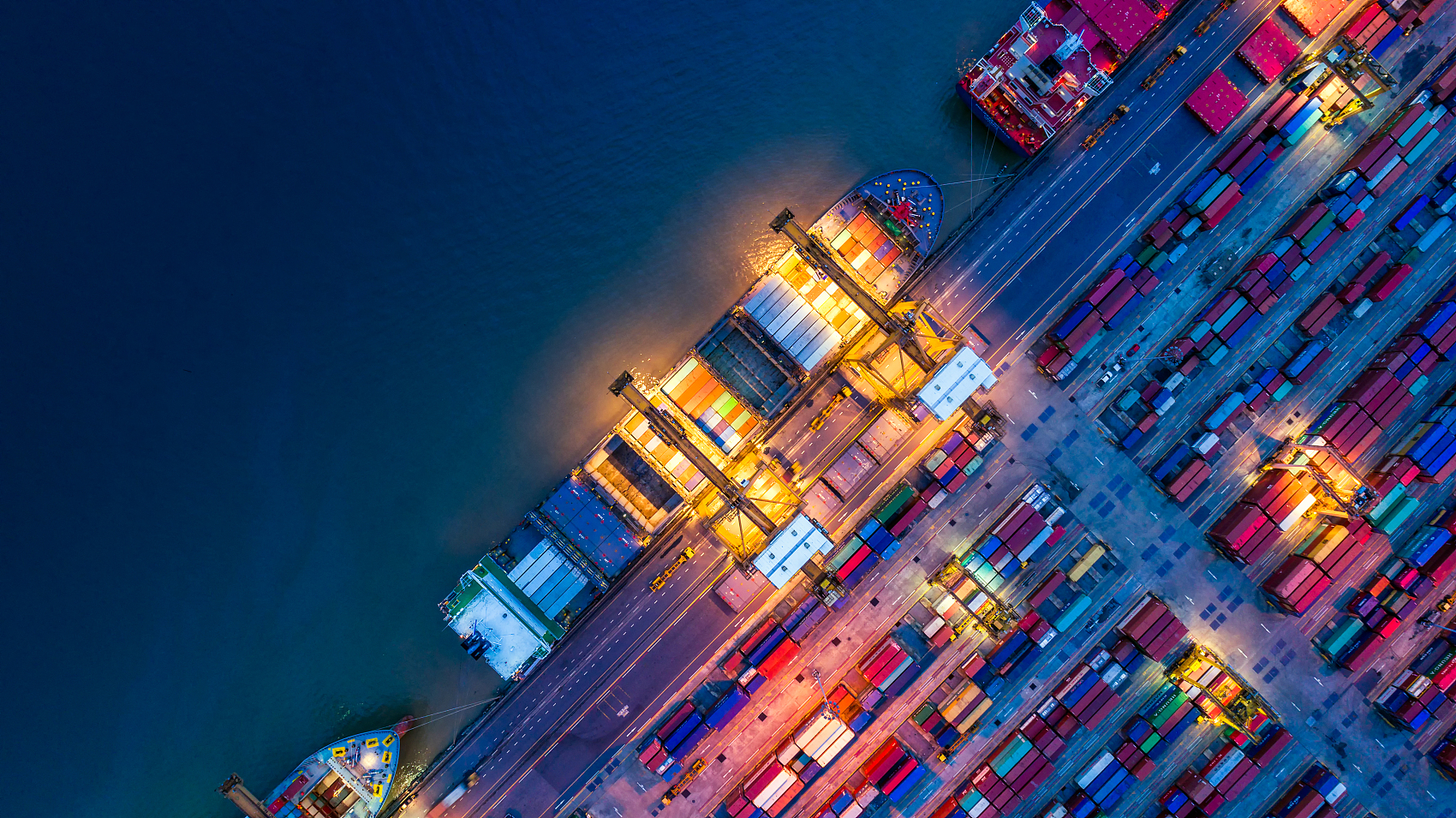
Freight Forwarder China to UK: 2026 Logistics and Shipping Guide
Finding a reliable freight forwarder china to UK remains the most critical step for businesses looking to optimize their international supply chain in 2026. As global trade routes evolve and UK customs regulations become more stringent, having an expert partner ensures your cargo moves efficiently across borders. Consequently, this guide provides the essential intelligence you need to navigate current market rates, transit times, and logistics strategies for the China-UK corridor.
✦
Why Hire a Freight Forwarder China to UK for Your Business?
Managing international logistics involves coordinating multiple carriers, local transport, and complex documentation. Specifically, a freight forwarder acts as an intermediary that handles the heavy lifting of your supply chain operations. They negotiate better rates with carriers and ensure that your shipment adheres to all legal requirements in both China and the United Kingdom.
Furthermore, professional forwarders provide end-to-end visibility, allowing you to track your goods in real-time. This level of transparency is vital for maintaining inventory levels and meeting customer expectations in a competitive market. By leveraging their expertise, you can avoid costly delays and unexpected fees at the port of entry.
Moreover, the geopolitical landscape in 2026 requires agile logistics solutions that can adapt to sudden changes in route availability. A dedicated forwarder monitors these trends and suggests alternative paths, such as shifting from sea to rail when maritime congestion peaks. Therefore, your business remains resilient despite external market fluctuations.
The Role of Expertise in UK Customs
Navigating the UK’s post-Brexit customs environment requires precise knowledge of commodity codes and VAT requirements. For instance, an error in documentation can lead to cargo being held for weeks, resulting in significant demurrage charges. Expert forwarders mitigate these risks by conducting thorough audits of your paperwork before the ship even leaves the Chinese port.
Additionally, they can assist with duty deferment schemes and other financial tools that improve your cash flow. This strategic support goes beyond simple transport, transforming your logistics into a competitive advantage. Accordingly, choosing a partner with a strong presence in both regions is essential for smooth operations.
Comparing Air, Sea, and Rail Freight Options for 2026
Selecting the right transport mode depends on your budget, cargo volume, and required delivery speed. In 2026, many importers utilize sea freight as their primary method for large-scale shipments due to its cost-effectiveness. However, for high-value electronics or urgent restocks, air freight offers unmatched speed despite the higher price tag.
Meanwhile, rail freight has emerged as a popular middle-ground solution for transcontinental logistics. It provides a faster transit time than sea freight while remaining significantly cheaper than air transport. This multimodal approach allows businesses to balance their logistics spend against their time-to-market requirements.
| Method | Transit Time | Cost Level | Best For |
|---|---|---|---|
| Sea Freight (FCL) | 30-40 Days | Low | Bulk goods, heavy machinery |
| Sea Freight (LCL) | 35-45 Days | Medium-Low | Small volumes, pallets |
| Rail Freight | 18-22 Days | Medium | Automotive parts, fashion |
| Air Freight | 3-7 Days | High | Electronics, pharmaceuticals |
| Express Service | 2-4 Days | Very High | Samples, urgent documents |
How Does Sea Freight Compare to Other Shipping Options?
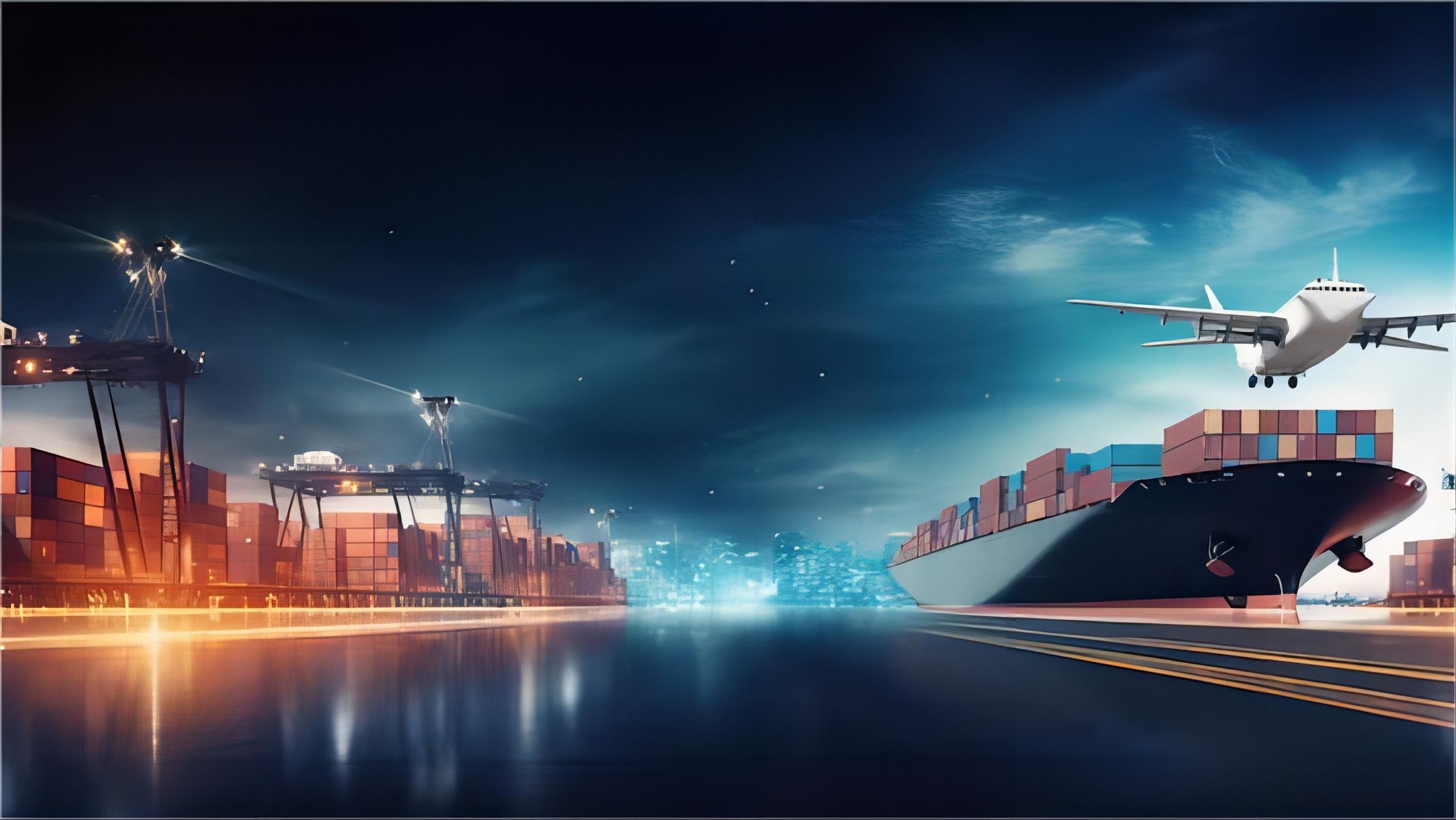
Sea freight remains the backbone of global trade, carrying over 80 percent of the world’s cargo. When comparing it to alternatives, the primary trade-off is always speed versus cost. While air freight might cost 5.00 dollars per kilogram, sea freight can often be secured for less than 0.50 dollars per kilogram for large volumes.
In addition, sea freight supports much larger cargo dimensions that would be physically impossible or prohibitively expensive to fly. For example, a 40HQ container can hold 76 cubic meters of goods, providing a massive economy of scale. Nevertheless, you must account for the longer lead times by planning your inventory cycles further in advance.
| Shipping Method | Cost Range (2026) | Transit Time | Limitations |
|---|---|---|---|
| Sea Freight | 2,200 – 4,500 USD per 40HQ | 30-40 Days | Longest transit time |
| Air Freight | 4.50 – 8.50 USD per KG | 3-7 Days | Weight and size limits |
| Rail Freight | 1,800 – 2,800 USD per FEU | 18-22 Days | Limited to rail hubs |
| Sea-Air Hybrid | 2.50 – 4.00 USD per KG | 15-20 Days | Complex coordination |
Hybrid Solutions and Cost-Saving Strategies
For shipments that are too slow via sea but too expensive via air, consider a sea-air hybrid solution. This typically involves shipping by sea to a hub like Dubai or Singapore and then flying the goods to the UK. As a result, you can save up to 40 percent on costs compared to pure air freight while cutting transit time in half compared to sea.
Another alternative is utilizing rail-sea combinations, where goods move by rail through Central Asia and then by short-sea shipping to UK ports like Felixstowe or Southampton. These strategies provide flexibility when traditional routes face disruptions. Consequently, importers should always ask their forwarder for multi-modal quotes to find the optimal balance.
Navigating Customs and Import Duties in the UK
Proper customs management is non-negotiable when importing from China to the UK in 2026. You must ensure your customs brokerage partner is well-versed in the latest HMRC regulations and the Customs Declaration Service (CDS). Failure to provide accurate EORI numbers or incorrect valuation can lead to severe penalties and seized goods.
Moreover, understanding the difference between DDP (Delivered Duty Paid) and DAP (Delivered At Place) is crucial for your bottom line. DDP implies the seller handles all duties, which simplifies the process but often comes at a premium. On the other hand, DAP allows the importer to manage their own tax liabilities, which can be more cost-effective if you have an established deferment account.
Essential Documentation Checklist
Every shipment requires a standard set of documents to pass through UK border controls. Specifically, you will need a Commercial Invoice, a Packing List, and a Bill of Lading or Air Waybill. Furthermore, some products may require specific certificates of origin or safety compliance documents like CE or UKCA marking paperwork.
Indeed, keeping digital copies of all records for at least six years is a legal requirement for UK businesses. This practice ensures you are prepared for any retrospective audits by customs authorities. Therefore, working with a forwarder who offers a digital document management system is highly recommended.
Specialized Solutions: Amazon FBA and Door to Door Delivery
E-commerce sellers often require specialized Amazon FBA logistics to meet strict warehouse requirements. These services include labeling, palletizing, and scheduling delivery appointments that align with Amazon’s rigorous standards. Consequently, using a forwarder experienced in FBA avoids the risk of rejected shipments and additional storage fees.
Additionally, door to door services provide the ultimate convenience by managing every step from the factory floor in China to your UK doorstep. This inclusive model eliminates the need for you to coordinate with local trucking companies or warehouse operators. As a result, you can focus entirely on sales and marketing while your logistics partner handles the physical movement of goods.
Realistic Case Studies for 2026 Shipments
To understand the practical application of these logistics strategies, let us examine real-world scenarios from the current market. These examples illustrate how different businesses choose their shipping methods based on specific needs and the resulting timelines.
Note: Freight rates are subject to change based on fuel costs, carrier capacity, and seasonal demand. Contact us for a current quote tailored to your specific shipment.
Case Study 1: Urgent Electronics Restock
Route: Shenzhen, China to London, UK. Cargo: High-end consumer electronics, 3.5 CBM, 850 kg. Shipping Method: Air Freight. Total Landed Cost: 4,850 USD. Total Door-to-Door Time: 8 days.
Key Insight: The client chose air freight because their stock levels were nearly depleted. By paying a premium for speed, they avoided a stock-out situation that would have cost them significantly more in lost sales revenue. Based on Q1 2026 market rates, this was a highly efficient move.
Case Study 2: Seasonal Furniture Import
Route: Ningbo, China to Felixstowe, UK. Cargo: Outdoor patio furniture, 68 CBM. Container: 40HQ. Shipping Method: Sea Freight (FCL). Total Landed Cost: 5,200 USD. Total Door-to-Door Time: 42 days.
Key Insight: Since the goods were for a summer promotion planned months in advance, the long transit time was not an issue. The low cost per unit achieved through sea freight allowed the retailer to maintain a high profit margin. Typical rates as of early 2026 suggest this remains the most economical path for bulky items.
Which Shipping Option Should You Choose?
Deciding on the best method requires a clear understanding of your business priorities. If your primary goal is budget optimization and you have large volumes, sea freight is the clear winner. However, if you are shipping perishable goods or high-value items where security and speed are paramount, air freight is the necessary choice.
For those with mid-sized shipments who need a faster turnaround than sea but cannot afford air, rail freight is the ideal solution. Additionally, consider the volume thresholds; for shipments under 100kg, express couriers are often more efficient. Conversely, once you exceed 15 CBM, moving from LCL to a full 20GP container usually yields better value.
Decision Criteria Summary
Budget priority: Recommend Sea Freight (FCL/LCL). Speed priority: Recommend Air Freight or Express. Cargo type considerations: Use Sea for heavy/bulky items; use Air for fragile/expensive items. Volume thresholds: Switch to FCL above 15 CBM for better security and pricing.
Furthermore, always factor in the time of year. Rates typically increase 15-25 percent during the August-October peak season. Planning your shipments during off-peak months can lead to substantial savings. Therefore, a forward-looking logistics strategy is essential for maximizing your annual budget.
Mastering Your China to UK Logistics
In conclusion, successfully managing a freight forwarder china to UK partnership requires a balance of strategic planning and market intelligence. By understanding the nuances of sea, air, and rail freight, you can choose the method that best aligns with your business goals. Moreover, staying informed about customs regulations and 2026 market trends ensures that your goods move across borders without unnecessary friction.
Ultimately, the right logistics partner does more than just move boxes; they provide the foundation for your business growth. Whether you are a small e-commerce startup or a large industrial importer, optimizing your shipping routes and costs is vital. Take the time to evaluate your options, use the data provided in this guide, and build a resilient supply chain that can withstand the challenges of global trade.