


Get a Shipping Quote China to USA: 2026 Freight Rates Guide
Securing an accurate shipping quote china to USA is the first step toward building a resilient and profitable international supply chain in 2026. Many importers struggle with unexpected surcharges and fluctuating carrier capacities that can disrupt financial planning and inventory management. This comprehensive guide explores modern pricing structures, transit alternatives, and strategic cost-saving measures to help you navigate the complexities of transpacific logistics.
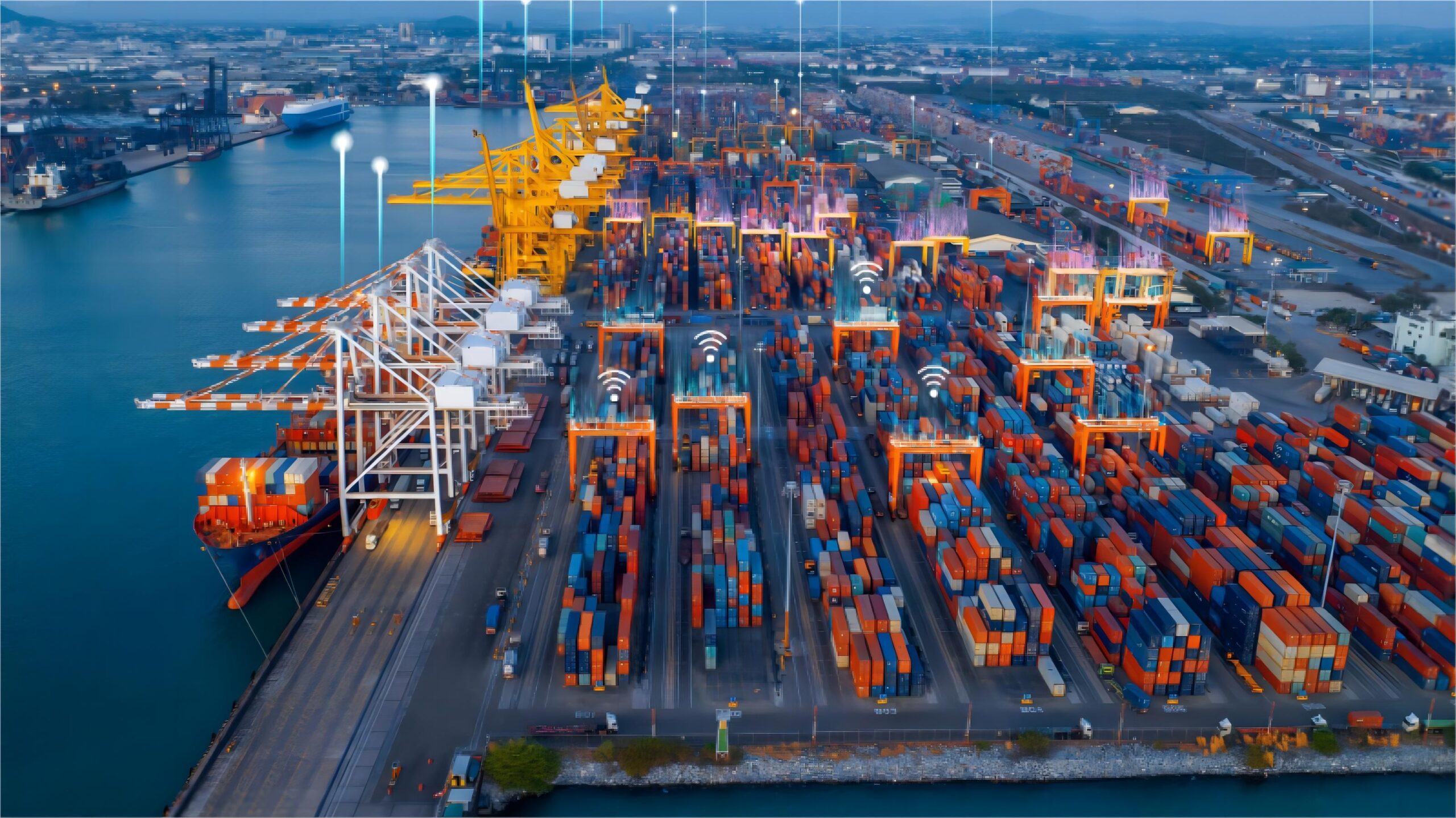
How to Get an Accurate Shipping Quote China to USA in 2026?
Obtaining a reliable freight estimate requires providing detailed information regarding your cargo dimensions, weight, and specific commodity type. Consequently, carriers can provide more precise figures when they understand whether you require specialized handling or standard container space.

Market conditions in early 2026 suggest that fuel surcharges and port congestion fees remain the most volatile components of any logistics price. Therefore, you should always request a breakdown of all line items to avoid hidden destination charges that often surprise inexperienced shippers.
Digital platforms have simplified the quoting process, yet personalized service from a freight forwarder remains invaluable for complex routes. Furthermore, confirming the Incoterms of your transaction ensures that both the buyer and seller understand their respective financial responsibilities during transit.
Accuracy in your documentation prevents costly delays at both the port of loading and the port of discharge. As a result, professional shippers prioritize data integrity to ensure their initial quote remains consistent with the final invoice.
How Does Sea Freight Compare to Other Shipping Options?
Choosing sea freight remains the most economical strategy for moving large volumes of goods across the Pacific Ocean. While it offers significant cost advantages, businesses must account for longer lead times compared to expedited air services.
Alternative methods like air cargo or express courier provide speed but at a significantly higher price point per kilogram. Consequently, most high-volume importers utilize ocean transport for the bulk of their inventory while reserving air for urgent restocks.
Hybrid solutions, such as sea-air combinations via intermediate hubs, have gained popularity for balancing budget and speed. However, the viability of these routes depends heavily on current congestion levels at major transshipment ports like Busan or Singapore.
The following table provides an objective analysis of the primary shipping methods available for the China to USA route in 2026.
| Shipping Method | Cost Range | Transit Time | Best For |
|---|---|---|---|
| Sea Freight (FCL) | $1,500 – $4,500 | 15 – 35 Days | Bulk inventory and heavy goods |
| Air Freight | $4.50 – $9.00/kg | 3 – 7 Days | High-value or urgent cargo |
| Express Service | $6.00 – $12.00/kg | 2 – 5 Days | Small parcels and samples |
| Sea-Air Hybrid | $2.50 – $5.00/kg | 12 – 18 Days | Mid-range urgency and budget |
Factors Influencing Your Shipping Quote China to USA
Fuel prices serve as a primary driver for freight rate fluctuations, often resulting in weekly adjustments to bunker adjustment factors. Additionally, seasonal demand spikes during the Golden Week and the lead-up to the winter holidays can cause rates to double within a few weeks.
Port infrastructure and labor stability on the US West Coast continue to impact the reliability of delivery schedules. Indeed, any disruption at major gateways like Los Angeles or Long Beach can trigger congestion surcharges that affect your total landed cost.
Container availability in key Chinese manufacturing hubs like Ningbo or Shenzhen also plays a critical role in pricing. Moreover, choosing between standard 20-foot units and high-cube 40-foot containers requires a careful analysis of your cargo density and volume.
Customs regulations and evolving trade policies between the two nations can introduce new tariffs or inspection fees. Accordingly, staying informed about legislative changes is essential for maintaining an accurate budget for your international shipments.
Air Freight vs Ocean Freight: Which Fits Your Budget?
Utilizing air freight is often necessary for electronics, fashion items, and perishable goods that require rapid turnover. Nevertheless, the cost can be five to ten times higher than ocean transport, making it a premium choice for specific business needs.
Ocean freight provides the scale needed for furniture, machinery, and large consumer goods that are not time-sensitive. On the other hand, the inventory carrying costs associated with longer transit times must be factored into your overall financial strategy.
Decision-makers must evaluate the trade-off between the speed of air delivery and the massive savings offered by sea containers. For instance, a shipment that costs $3,000 via sea might exceed $15,000 if moved by air, depending on the total weight and volume.
Businesses often adopt a split-shipping strategy where 80 percent of goods move by sea and 20 percent by air. This approach ensures a steady flow of inventory while providing a buffer for unexpected surges in consumer demand.
Understanding FCL and LCL Shipping Methods
Full Container Load (FCL) shipping is ideal for businesses that have enough cargo to fill an entire 20GP or 40HQ unit. This method offers better security and faster handling since the container is dedicated solely to one importer’s goods.
Less than Container Load (LCL) allows multiple shippers to share space within a single container, making it cost-effective for smaller volumes. However, LCL shipments often face longer transit times due to the consolidation and deconsolidation processes required at both ends.
Choosing between these two options depends on whether your shipment volume exceeds the 15 CBM threshold where FCL typically becomes more economical. Furthermore, FCL shipments generally experience fewer damages because the goods are handled less frequently during transit.
The table below outlines typical 2026 pricing for containerized shipments from major Chinese ports to US destinations.
| Route | 20GP Container | 40HQ Container | Avg. Transit |
|---|---|---|---|
| China to US West Coast | $1,600 – $2,300 | $2,900 – $3,900 | 14 – 18 Days |
| China to US East Coast | $2,600 – $3,600 | $4,600 – $6,100 | 28 – 35 Days |
| China to US Gulf Coast | $2,400 – $3,400 | $4,200 – $5,800 | 32 – 38 Days |
Navigating Customs Brokerage and Import Duties
Effective customs brokerage is vital for ensuring that your goods enter the United States without legal complications or excessive fines. Professional brokers help classify your products under the correct Harmonized Tariff Schedule (HTS) codes to determine accurate duty rates.
Improper documentation remains the leading cause of shipment seizures and prolonged storage fees at US ports. Consequently, investing in expert compliance services can save thousands of dollars in potential penalties and administrative delays.
Bond requirements and ISF filings must be completed accurately and within strict timeframes to avoid automatic fines from US Customs and Border Protection. Additionally, understanding the nuances of Section 301 tariffs is crucial for any business importing goods from China in 2026.
Automated clearance systems have improved processing speeds, but manual inspections can still occur based on risk assessments. Therefore, maintaining transparent records and working with certified partners ensures a smoother path through the regulatory landscape.
Optimizing Your Amazon FBA Logistics
Many e-commerce entrepreneurs rely on Amazon FBA services to handle their warehousing and distribution needs within the US market. However, shipping directly from China to an Amazon fulfillment center requires strict adherence to labeling and packaging standards.
Freight forwarders specializing in FBA can provide palletization and prep services that prevent your inventory from being rejected upon arrival. Moreover, utilizing a door to door service simplifies the entire process by managing every leg of the journey from the factory to the warehouse.
Pricing for FBA shipments is often calculated on a per-kilogram basis for air or a per-CBM basis for sea freight. Indeed, many sellers prefer LCL shipping for its flexibility, allowing them to send smaller, more frequent batches of inventory to manage storage fees effectively.

Strategic planning for peak shopping seasons like Prime Day or Black Friday is essential for maintaining stock levels. As a result, successful sellers often book their shipping space at least two months in advance to secure favorable rates and guaranteed vessel space.
Which Shipping Option Should You Choose? A Decision Framework
Identifying the best logistics strategy depends on your specific priorities regarding cost, speed, and cargo safety. If your primary goal is budget optimization and you have flexible timelines, sea freight is undoubtedly the superior choice for your business.
Speed-oriented businesses should prioritize air cargo or express services, especially for high-margin products with short lifecycles. On the other hand, if you are shipping mid-sized loads of 5 to 10 CBM, LCL sea freight offers a perfect balance between affordability and volume capacity.
Cargo type also dictates the method, as hazardous materials or oversized machinery may only be eligible for specific transport modes. For instance, lithium batteries require specialized air freight handling which can significantly increase the total shipping quote China to USA.
Volume thresholds often determine when it is time to switch from LCL to FCL shipping to maximize efficiency. Once your shipment exceeds 15 CBM, the cost of a full 20-foot container is usually lower than paying for individual cubic meters in a shared unit.
Real Case Studies: Shipping Quote China to USA Analysis
Case Study 1: Electronics Components Distribution. Route: Shenzhen, China to Los Angeles, USA. Cargo: High-density circuit boards, 8 CBM, 1,200 kg. Shipping Method: LCL Sea Freight. Total Landed Cost: $2,150. Transit Time: 18 days door-to-door. Key Insight: Using a direct route to the West Coast saved the client 10 days compared to transshipment options.
Case Study 2: Home Furniture Expansion. Route: Ningbo, China to Savannah, USA. Cargo: Flat-pack wooden furniture, 40HQ Container. Shipping Method: FCL Sea Freight via Panama Canal. Total Landed Cost: $5,400. Transit Time: 34 days. Key Insight: Booking 4 weeks in advance during the Q3 2025 peak season secured a rate 15% below the market average.
Case Study 3: Urgent Fashion Samples. Route: Shanghai, China to New York, USA. Cargo: Apparel samples, 150 kg. Shipping Method: Air Freight. Total Landed Cost: $1,450. Transit Time: 5 days. Key Insight: Choosing airport-to-door service ensured the client met their seasonal launch deadline without warehouse delays.
Note: Freight rates are subject to change based on fuel costs, carrier capacity, and seasonal demand. Contact us for a current quote tailored to your specific shipment.
How Does Door to Door Shipping Simplify Your Quote?
Selecting a door to door service eliminates the need for you to coordinate with multiple local truckers and port agents. This all-inclusive model provides a single point of contact and a unified invoice for the entire journey from the supplier to your warehouse.
Managing individual segments of the supply chain can lead to communication gaps and unexpected storage fees at the terminal. Consequently, most modern importers prefer the convenience of a comprehensive logistics package that handles trucking, customs, and ocean transit.
Quotes for door-to-door services are typically more transparent as they include the final mile delivery costs that are often omitted in port-to-port estimates. Furthermore, this method reduces the administrative burden on your team, allowing you to focus on sales and product development.
Reliable logistics partners provide real-time tracking for these shipments, giving you full visibility into the movement of your goods across the globe. Therefore, the peace of mind offered by integrated services often outweighs the slightly higher service fees associated with them.
Final Thoughts on Securing Your Shipping Quote China to USA
Navigating the transpacific trade lane requires a deep understanding of evolving market trends and logistics options. By comparing different shipping methods and understanding the factors that influence costs, you can make informed decisions that protect your bottom line.
Whether you choose sea freight for its economy or air cargo for its speed, the key to success lies in choosing a reliable partner. A precise shipping quote China to USA is more than just a price; it is a commitment to the timely and safe delivery of your valuable cargo.
Remember to account for all variables, including customs duties and local delivery fees, to calculate your true landed cost accurately. Start planning your 2026 shipments today to secure the best rates and ensure your business remains competitive in the global marketplace.
Need a tailored shipping solution?
Ready to optimize your supply chain with a competitive shipping quote China to USA? Contact our team at Top China Logistics today to receive a customized freight solution that meets your budget and timeline. Visit our website to request your free quote and start shipping with confidence.