TopChinaLogistics provides reliable and fully integrated logistics solutions for shipping from China to Serbia, covering sea freight, air freight, and professional door-to-door delivery services. With strong experience on Asia–Europe and Balkan trade lanes, we help importers achieve stable transit times, optimized freight costs, and full shipment visibility throughout the entire logistics process.
From export documentation and cargo handling in China to customs coordination and inland delivery across Serbia, our experienced team manages every step with precision. Whether shipping industrial machinery, automotive parts, consumer goods, or e-commerce cargo, TopChinaLogistics delivers secure, compliant, and scalable logistics solutions tailored to Serbia-bound supply chains.
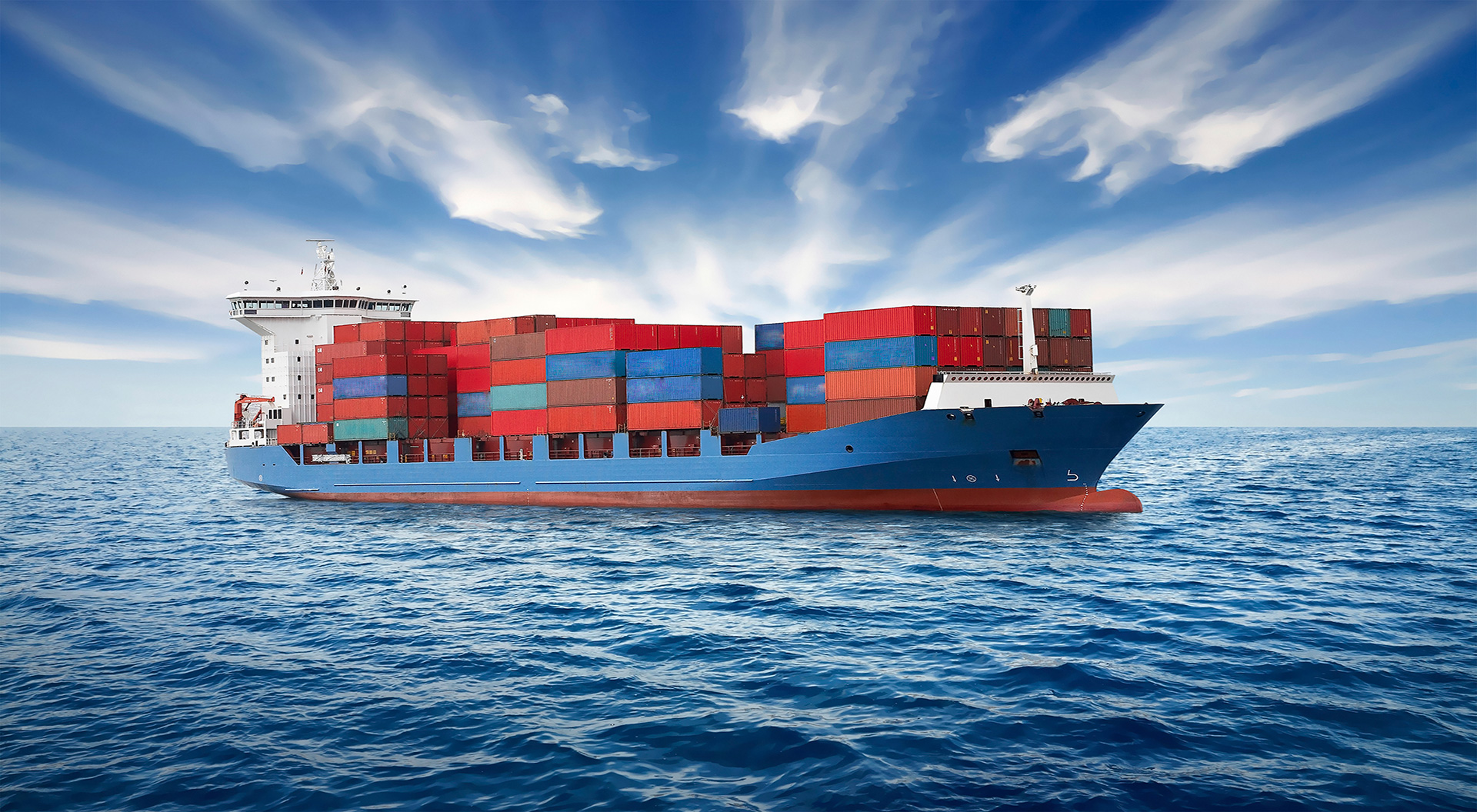
Our sea freight service from China to Serbia supports both FCL and LCL shipments, with departures from major Chinese ports such as Shenzhen, Shanghai, Ningbo, and Qingdao. Cargo is routed via key European ports including Piraeus, Rijeka, or Hamburg, followed by efficient inland trucking or rail transport to destinations across Serbia. Sea freight is the most cost-effective option for large-volume and non-urgent cargo, offering stable sailing schedules, flexible capacity, and end-to-end shipment tracking.
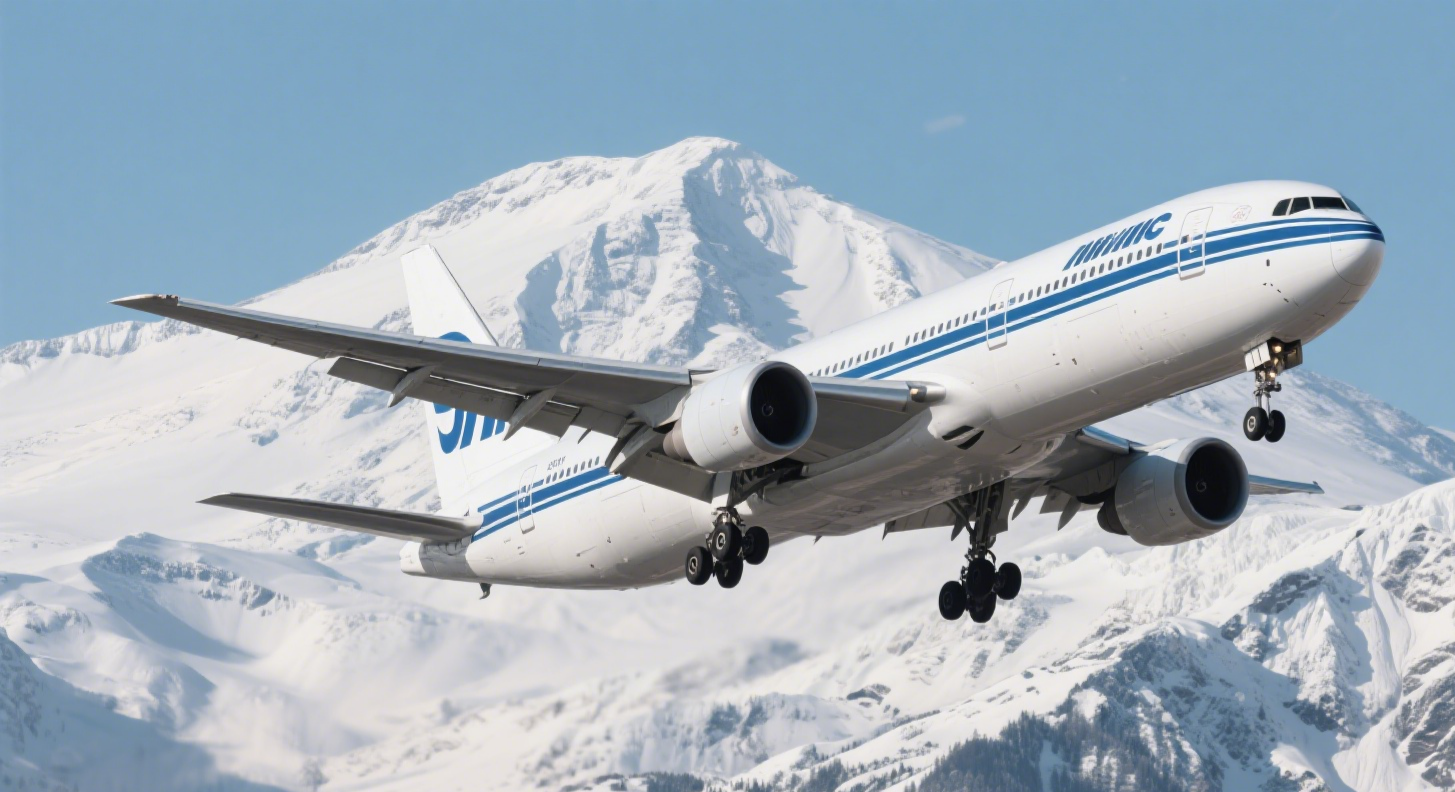
TopChinaLogistics offers fast and secure air freight services from China to Serbia for urgent or high-value shipments. We arrange departures from Shenzhen, Guangzhou, Shanghai, and Hong Kong, with connections via major European air hubs to Belgrade Nikola Tesla Airport. This service is ideal for electronics, medical equipment, precision instruments, and time-sensitive cargo, ensuring priority handling, accurate documentation, and predictable delivery timelines.
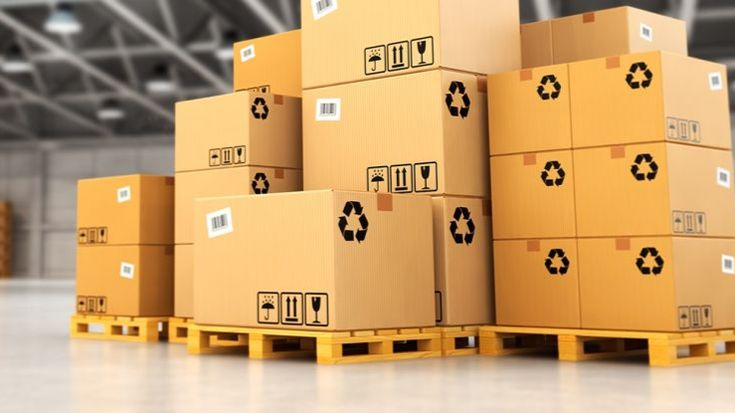
Our door-to-door shipping service from China to Serbia provides a fully managed logistics solution from factory pickup to final delivery. TopChinaLogistics handles export clearance in China, international transportation, customs coordination, duties/taxes support, and last-mile delivery to your warehouse or business address in Serbia. This solution minimizes coordination effort, reduces transit risks, and ensures regulatory compliance—ideal for importers seeking maximum convenience and a single point of responsibility.

TopChinaLogistics provides professional Full Container Load (FCL) shipping from China to Serbia for shippers with medium to large cargo volumes. We support 20GP, 40GP, and 40HQ containers, offering exclusive container use, reduced cargo handling, and enhanced shipment security.
FCL shipping is well suited for machinery, furniture, building materials, automotive components, and bulk commercial goods, with reliable schedules and smooth inland delivery across Serbia.
For smaller shipments, our Less than Container Load (LCL) service from China to Serbia allows you to ship efficiently without booking a full container. Cargo is consolidated at our China warehouses, professionally packed and labeled, and shipped via European hubs before deconsolidation and final inland delivery in Serbia.
LCL is a cost-effective solution for SMEs, trial orders, spare parts, and e-commerce cargo, providing professional handling, customs compliance, and dependable delivery.
Top China Logistics will provide most fuel efficient pickup service China
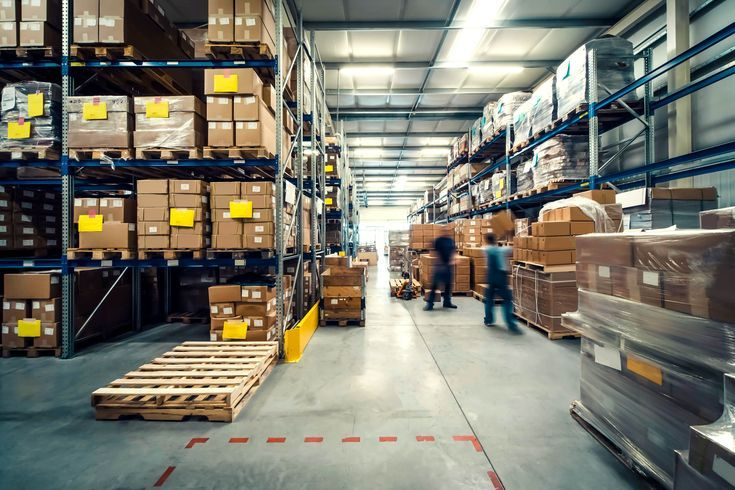
We provide free warehousing services for any of your goods.
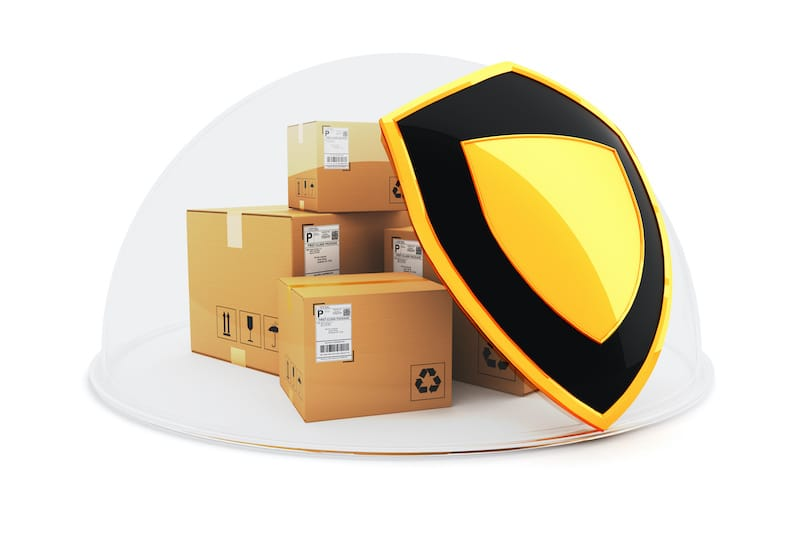
The cargo insurance protects your goods all the way to any Any FBA Warehouse
We handle all paperwork and other details for you.

Ensure safe packaging and loading of goods in your suppliers' factory.
Serbia imports a variety of electronic devices from China, including smartphones, laptops, tablets, and household appliances. These products are popular due to their competitive pricing and advanced technology.
The textile import industry from China benefits Serbia by providing affordable clothing and fabric options, stimulating local retail markets, and supporting fashion and apparel businesses with a diverse range of products.
Serbia imports various types of industrial machinery from China, including manufacturing equipment, construction machinery, agricultural machines, and tools for different industrial applications.
Chinese furniture is popular in Serbia due to its cost-effectiveness, diverse designs, and high availability. It caters to various consumer preferences and fits well within different budget ranges.
Main challenges include navigating customs regulations, ensuring product quality, managing logistics and transportation risks, and dealing with potential language barriers during communication with suppliers.
Importers can ensure quality by conducting thorough supplier evaluations, requesting product samples, performing quality inspections, and maintaining strong communication with suppliers regarding standards and expectations.
Freight forwarders manage logistics, ensure compliance with regulations, provide tracking and monitoring services, handle documentation, and offer solutions for efficient and secure transportation of goods.
Environmental considerations include minimizing carbon footprints by optimizing shipping routes, choosing eco-friendly packaging, adhering to environmental regulations, and working with suppliers committed to sustainable practices.
The trade relationship between China and Serbia has strengthened, with increased bilateral trade agreements, infrastructure projects under the Belt and Road Initiative, and a growing exchange of goods and services benefiting both economies.
Future prospects for trade between China and Serbia are promising, with potential growth in sectors such as technology, renewable energy, automotive, and agricultural products, driven by continued economic cooperation and investment initiatives.
Operations deal with the way the vehicles are operated, and the procedures set for this purpose, and policies. In the transport industry, operat ions and ownership of infrastructure can be either country.