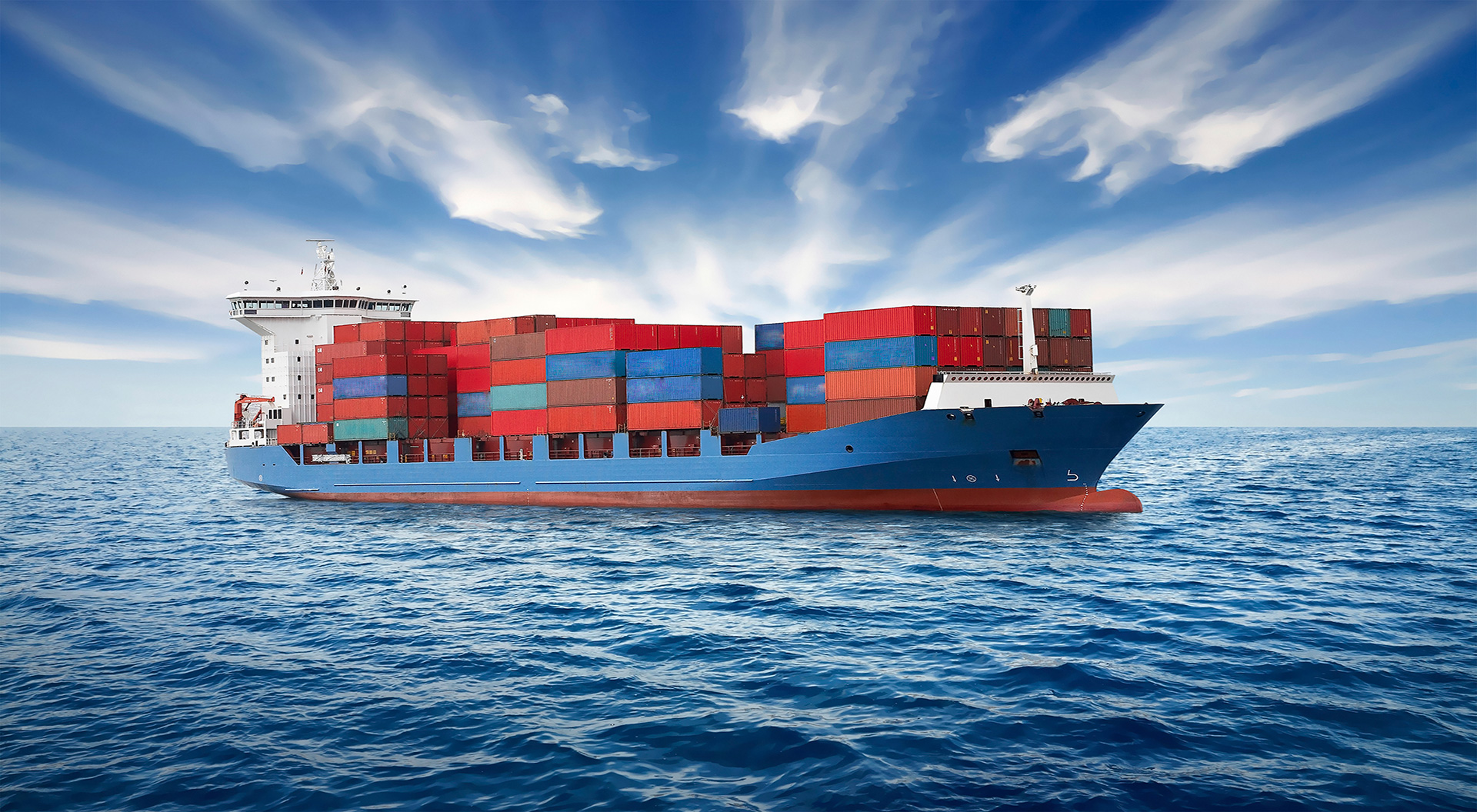
Top China Logistics provides reliable and fully integrated logistics solutions for shipping from China to Burundi. With extensive experience serving landlocked East African markets, we deliver efficient sea–land, air freight, and door-to-door shipping services for a wide range of cargo. Our professional team ensures smooth coordination, predictable transit schedules, and competitive freight rates for Burundi-bound shipments.
From export documentation and cargo handling in China to transit port coordination, customs clearance, and final inland delivery in Burundi, we manage every stage of the logistics process with precision. Whether shipping construction materials, machinery, industrial equipment, agricultural inputs, or general commercial cargo, Top China Logistics delivers secure and dependable China–Burundi logistics solutions.
Top China Logistics offers dependable sea–land freight solutions from China to Burundi. Shipments depart from major Chinese ports such as Shanghai, Ningbo, Shenzhen, Qingdao, and Guangzhou, and are discharged at key East African transit ports including Dar es Salaam (Tanzania) and Mombasa (Kenya). Cargo then moves inland by truck or rail to Bujumbura and other destinations across Burundi. Sea–land freight is a cost-effective option for large-volume and non-urgent cargo, providing stable schedules, secure handling, and reliable transit planning on China–Burundi routes.
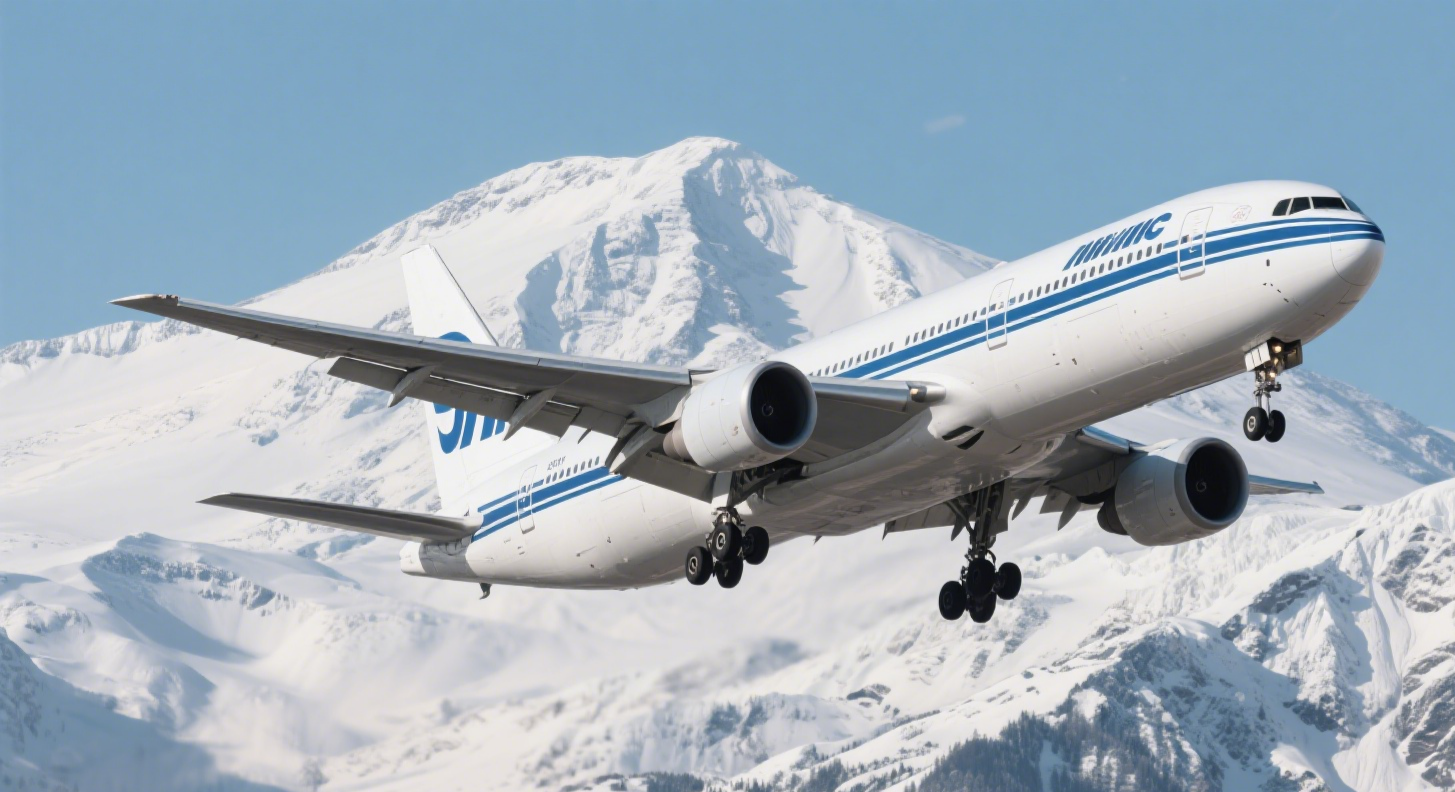
Top China Logistics provides fast and reliable air freight services from China to Burundi for time-sensitive and high-value shipments. We arrange departures from major Chinese airports with connections to Melchior Ndadaye International Airport (BJM) via regional hubs.
Our air freight solutions are ideal for electronics, spare parts, medical supplies, humanitarian cargo, and urgent commercial goods, ensuring speed, accuracy, and professional handling throughout the journey.

Top China Logistics delivers fully managed door-to-door shipping services from China to Burundi. From factory pickup and export clearance in China to international transportation, Burundi customs clearance, and final inland delivery, we manage the entire logistics chain end to end.
This service minimizes operational complexity, improves shipment visibility, and ensures hassle-free cargo transportation to warehouses, project sites, or business locations across Burundi.

Top China Logistics specializes in Full Container Load (FCL) shipping from China to Burundi, supporting 20GP, 40GP, and 40HQ containers. Containers are routed via East African seaports and transported inland under secure and controlled conditions.
FCL shipping is well suited for construction materials, machinery, industrial equipment, steel products, and large commercial shipments requiring stable and efficient transportation.
Top China Logistics offers professional Less than Container Load (LCL) shipping services from China to Burundi. Through efficient cargo consolidation at origin and transit ports, we help reduce shipping costs while maintaining reliable delivery performance.
Our LCL solutions include pickup, consolidation, export handling, transit coordination, customs clearance, and final inland delivery—making them ideal for small and medium-sized shipments to Burundi.
Top China Logistics will provide most fuel efficient pickup service China
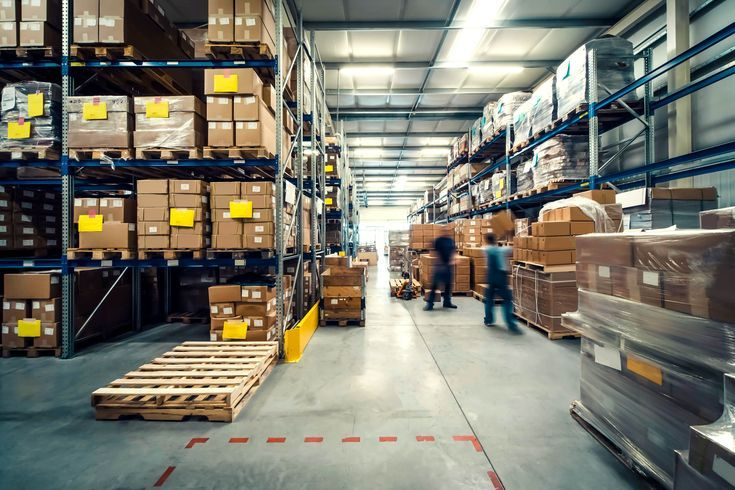
We provide free warehousing services for any of your goods.
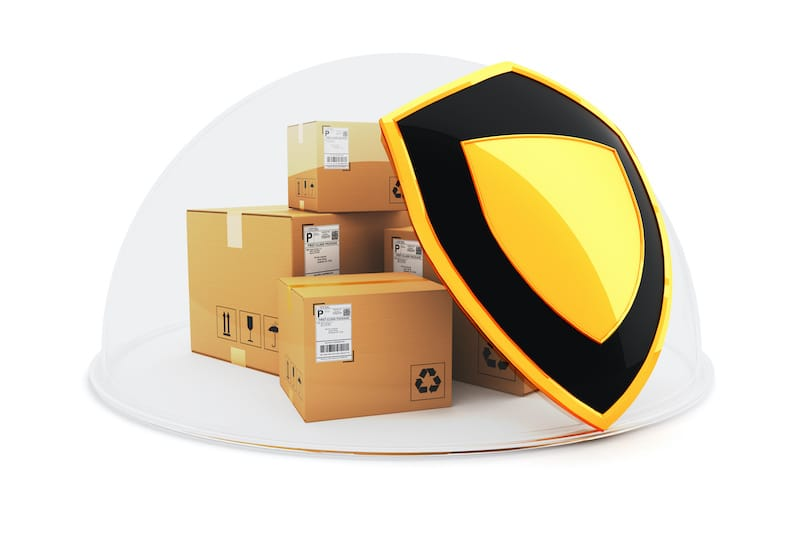
The cargo insurance protects your goods all the way to any Any FBA Warehouse

We handle all paperwork and other details for you.

Ensure safe packaging and loading of goods in your suppliers' factory.

Air freight generally takes between 1 to 2 weeks. This timeframe includes the transport from major Chinese cities like Shanghai or Guangzhou to Bujumbura, the capital of Burundi. The actual duration can be affected by flight schedules and customs processing.
Sea freight typically takes about 2 to 3 months. This period accounts for the long-distance sea voyage from Chinese ports such as Shanghai or Shenzhen to Burundi’s port, followed by additional land transport.
The main port in Burundi is the Port of Bujumbura. It is the primary entry point for sea freight, although land transport is commonly used due to Burundi being landlocked.
Shipping times can vary depending on the departure city. For instance, shipments from southern cities like Guangzhou might be quicker compared to those from northern cities like Beijing due to shorter transport distances and more direct routes.
Yes, customs clearance can impact shipping time. Delays in customs processing, either in China or in Burundi, can extend the overall transit time. Ensuring accurate documentation and compliance with regulations can help mitigate these delays.
Common shipping methods include air freight, which is faster but more expensive, and sea freight, which is more economical but slower. Depending on urgency and budget, businesses choose the appropriate method.
Yes, express shipping options are available via international courier services like DHL, FedEx, or UPS. These services offer expedited delivery, often within a week, but come at a higher cost compared to standard air freight.
Air freight is significantly more expensive than sea freight due to its speed and convenience. Sea freight is more cost-effective but requires a longer shipping duration, which can impact inventory and supply chain planning.
Factors include weather conditions, port congestion, customs delays, political instability, and transportation issues. Each of these can contribute to longer shipping times than initially estimated.
Shipments can be tracked using the tracking numbers provided by the shipping or courier service. Most logistics companies offer online tracking tools or customer service support to monitor the shipment’s progress throughout its journey.
Operations deal with the way the vehicles are operated, and the procedures set for this purpose, and policies. In the transport industry, operat ions and ownership of infrastructure can be either country.