

LCL Shipping China Factory Shipping France: The Complete Guide. Options: 1. LCL Shipping China Factory Shipping France
Navigating the complexities of international trade requires a reliable partner like Top China Logistics to ensure your goods arrive safely. For many businesses, LCL shipping china factory shipping france represents the most cost-effective way to transport smaller volumes of inventory without paying for an entire container. This guide explores the logistical nuances of moving cargo from Chinese manufacturing hubs to French destinations efficiently.
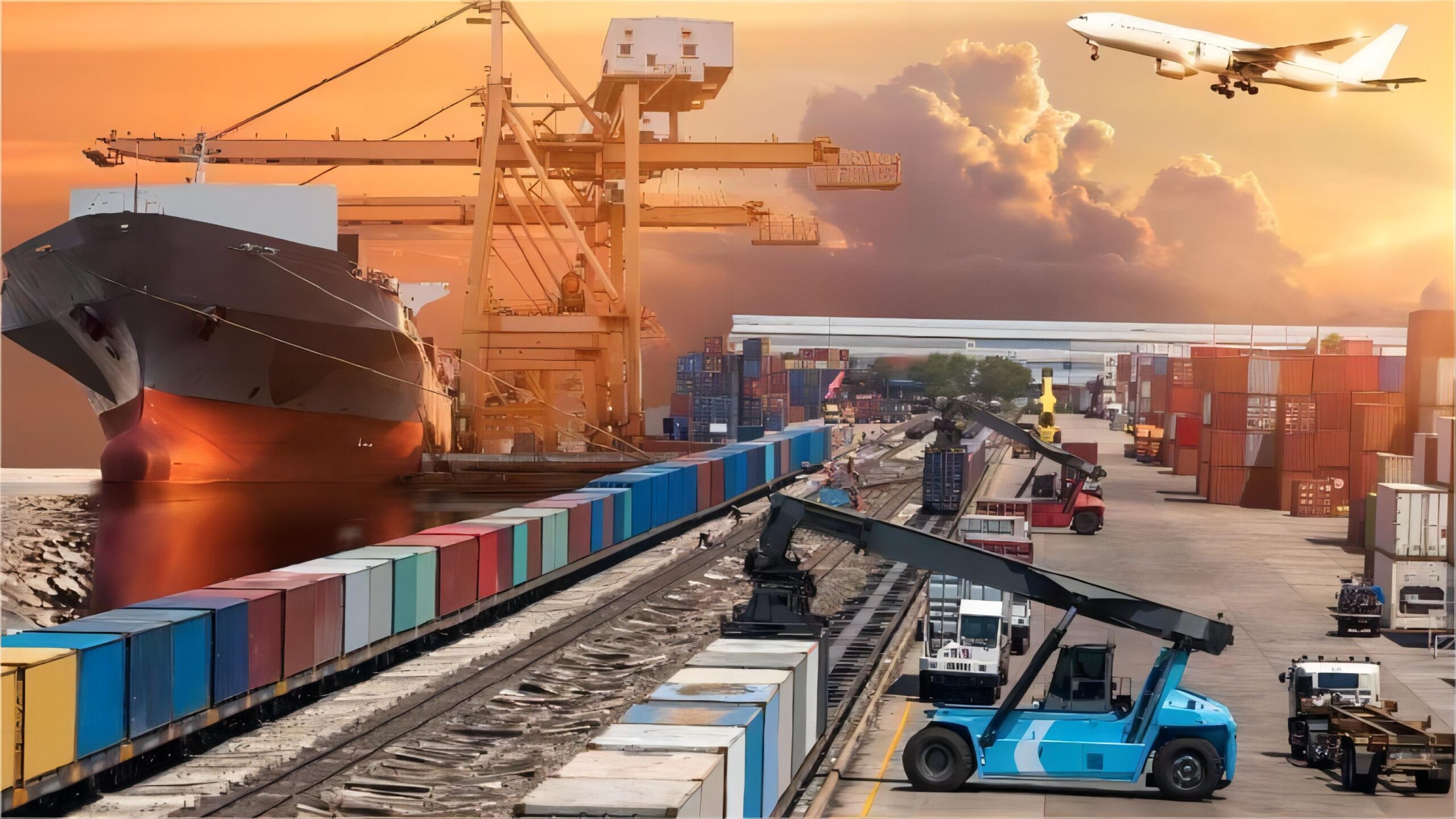
What is LCL Shipping China Factory Shipping France?
LCL, or Less than Container Load, is a shipping method where multiple shippers share space within a single ocean container. This approach is ideal for businesses that do not have enough cargo to fill a standard 20-foot or 40-foot container. Consequently, you only pay for the volume your goods occupy, measured in cubic meters.
When managing LCL shipping china factory shipping france, the process begins at the factory gate. The supplier prepares the goods, which are then transported to a consolidation warehouse at a major Chinese port. At this facility, your cargo is grouped with other shipments bound for the same French port, such as Le Havre or Marseille.
Moreover, this method provides flexibility for small and medium enterprises looking to maintain lean inventory levels. Instead of waiting to produce a massive order, you can ship smaller batches frequently. This keeps your supply chain moving and reduces warehouse costs in both China and France.
Why Choose LCL for Your French Imports?
Cost efficiency is the primary driver for choosing LCL over other methods. If your shipment is between 1 and 15 cubic meters, sea freight via LCL is significantly cheaper than air freight. Indeed, the savings can be substantial for heavy or bulky items that do not require overnight delivery.
Furthermore, LCL allows for better cash flow management. You can import goods as they are manufactured rather than waiting for a full container load to be ready. This agility is crucial in the fast-paced French retail and industrial markets where consumer trends shift rapidly.
Additionally, using a consolidated service reduces the risk of long-term storage fees at the factory. Most Chinese factories prefer to move finished goods out of their facilities quickly. LCL shipping provides a steady outlet for finished products, ensuring a smooth transition from production to the end consumer.
The Step-by-Step Process of Factory to France LCL
The journey begins with the booking process where you provide the freight forwarder with the cargo dimensions and weight. Once the booking is confirmed, the factory delivers the goods to the designated Container Freight Station (CFS) in China. At the CFS, workers inspect the packaging and verify the measurements.
Next, the consolidation phase takes place. Logistics experts carefully pack your items into a container with other compatible goods. This step requires precision to prevent damage during the long voyage across the Indian Ocean and through the Suez Canal.
After the container is sealed, it is loaded onto a mega-vessel. For shipments to Europe, the ship will typically call at several transshipment hubs before reaching French waters. During this time, you can track your shipment using the bill of lading number provided by your carrier.
How Does LCL Compare to Other Shipping Options?
Choosing the right method depends on your specific budget and timeline. While LCL is great for mid-sized loads, very small parcels might be better suited for express service or air mail. Conversely, once your volume exceeds 15 CBM, a full container (FCL) becomes more economical due to the flat rate per box.
Rail freight is another viable alternative for the China-France route. It offers a middle ground between sea and air, providing faster transit times than the ocean but at a lower cost than planes. However, LCL sea freight remains the gold standard for pure cost savings.
To help you decide, we have compiled a comparison table based on typical market conditions as of early 2025.
| Shipping Method | Cost Range | Transit Time | Best For |
|---|---|---|---|
| LCL Sea Freight | $50-$120 per CBM | 30-45 Days | Small-mid loads, budget focus |
| FCL Sea Freight | $2,500-$4,500 per 40HQ | 28-35 Days | Large volumes, bulk goods |
| Rail Freight | $150-$250 per CBM | 18-24 Days | Mid-range speed and cost |
| Air Freight | $4.50-$8.50 per kg | 5-9 Days | Urgent, high-value items |

Calculating Costs for LCL Shipping China Factory Shipping France
Understanding the pricing structure is essential to avoid hidden fees. LCL rates are usually quoted per CBM (cubic meter) or per 1,000 kg, whichever is greater. However, the base ocean freight is only one part of the total landed cost.
You must also account for origin charges, such as trucking from the factory, export customs clearance, and CFS handling fees. In France, destination charges include port handling, de-consolidation fees, and delivery to your final warehouse. These local charges can sometimes exceed the actual ocean freight cost for very small shipments.
Market data suggests that rates fluctuate based on fuel surcharges and seasonal demand. For instance, prices often spike in the weeks leading up to the Chinese New Year. Therefore, requesting a comprehensive quote that includes all ‘door-to-door’ elements is the best way to budget accurately.
Transit Times: From China Hubs to French Ports
The time it takes for your cargo to travel from China to France varies depending on the departure port and the specific shipping line. Shipments from Southern China hubs like Shenzhen or Guangzhou generally take slightly less time than those from Northern ports like Qingdao or Tianjin.
Typically, the sea transit alone takes between 30 and 35 days. However, you must add 5-7 days for the consolidation process at the origin and another 4-6 days for de-consolidation and customs in France. Consequently, a total door-to-door timeline of 45 to 50 days is a realistic expectation for LCL shipping china factory shipping france.
Weather conditions and port congestion can also impact these schedules. During peak seasons, such as the Q4 holiday rush, transit times may extend by an additional week. To mitigate delays, ensure all paperwork is submitted well before the vessel’s departure.
Customs and Documentation Checklist for France
Navigating French customs requires meticulous attention to detail. Every shipment must be accompanied by a commercial invoice, a packing list, and a bill of lading. Additionally, for certain products, a Certificate of Origin or specific CE certifications may be required to meet European Union safety standards.
Working with a professional customs brokerage service can prevent costly delays and fines. They ensure that your goods are correctly classified under the Harmonized System (HS) codes, which determines the amount of import duty and VAT you will pay.
In France, the standard VAT rate is 20 percent, which is calculated based on the CIF (Cost, Insurance, and Freight) value of the goods plus the import duty. Proper documentation ensures that you can reclaim this VAT if your business is registered in the EU. Without the correct paperwork, your cargo could be held at the port indefinitely.
Which Option Should You Choose?
Deciding on the best shipping strategy requires balancing urgency against your available budget. If your primary goal is to minimize expenditure and your lead times allow for a 50-day window, LCL sea freight is the clear winner. This is especially true for non-perishable consumer goods.
On the other hand, if you are launching a new product and need it in the French market within three weeks, consider rail freight as a faster alternative. For extremely urgent replacements or high-margin electronics, air freight remains the only choice despite the high cost.
Volume thresholds also play a role in your decision. Once your shipment reaches approximately 13-15 CBM, you should request a quote for a 20-foot FCL container. Often, the security and speed of having your own container outweigh the small price difference at that volume level.
Real-World Case Studies
Case Study 1: Electronics from Shenzhen to Marseille
Route: Shenzhen, China to Marseille, France. Cargo: LED Display Components, 4 CBM, 1,200 kg. Shipping Method: LCL Sea Freight. Ocean Freight: $480. Origin Charges: $220. Destination Charges: $350. Customs and Duties: $450. Total Landed Cost: $1,500. Sea Transit: 32 days. Total Door-to-Door: 44 days. Key Insight: The client saved over $2,000 compared to air freight quotes while maintaining their production schedule.
Case Study 2: Home Textiles from Ningbo to Paris
Route: Ningbo, China to Paris (via Le Havre), France. Cargo: Organic Cotton Bedding, 9 CBM, 2,500 kg. Shipping Method: door to door LCL. Ocean Freight: $950. Origin Charges: $310. Destination Charges: $580. Customs and Duties: $1,100. Total Landed Cost: $2,940. Sea Transit: 35 days. Total Door-to-Door: 52 days. Key Insight: Utilizing a door-to-door service simplified the final mile delivery to a third-floor Parisian warehouse.

Optimizing Your LCL Shipping Strategy
To maximize efficiency, always ask your factory to palletize the goods correctly. Standard Euro-pallets facilitate faster handling at French warehouses and reduce the risk of damage during de-consolidation. Furthermore, clear labeling in both English and French can speed up the customs inspection process.
Another tip is to consolidate multiple small orders from different Chinese suppliers into one LCL shipment. This is known as buyer’s consolidation and can significantly lower your per-unit shipping costs. Your freight forwarder can coordinate with various factories to synchronize delivery to the CFS.
Finally, always purchase marine cargo insurance. While LCL is generally safe, the multiple handling points increase the statistical likelihood of minor accidents. For a small fraction of the cargo value, insurance provides peace of mind against total loss or damage during the long journey to France.
Final Thoughts on Shipping from China to France
Successfully managing LCL shipping china factory shipping france requires a blend of careful planning and expert execution. By understanding the costs, transit times, and documentation requirements, you can build a resilient supply chain that supports your business growth. Whether you are importing electronics, textiles, or industrial parts, the LCL model offers the flexibility needed in today’s global economy.
Remember that freight rates are subject to change based on fuel costs, carrier capacity, and seasonal demand. Contact us for a current quote tailored to your specific shipment. With the right logistics partner, the distance between a Chinese factory and a French storefront becomes a manageable and profitable bridge for your business.
Ready to streamline your logistics?
Ready to streamline your imports? Contact Top China Logistics today for a customized quote on LCL shipping china factory shipping france and let our experts handle your supply chain with precision. Visit our website to request a freight rate comparison and start saving on your next shipment from China.
Request Quote