

China to Europe Shipping Factory Shipping: The Ultimate 2025 Logistics Guide
Navigating the complexities of china to europe shipping factory shipping requires a deep understanding of global trade routes and logistics efficiency. Businesses often struggle with balancing speed and cost while ensuring their goods arrive safely at their destination. By partnering with Top China Logistics, you can streamline your entire supply chain from the manufacturing floor to the final warehouse. This comprehensive guide explores the best methods to move your cargo across continents efficiently.
What is China to Europe Shipping Factory Shipping?
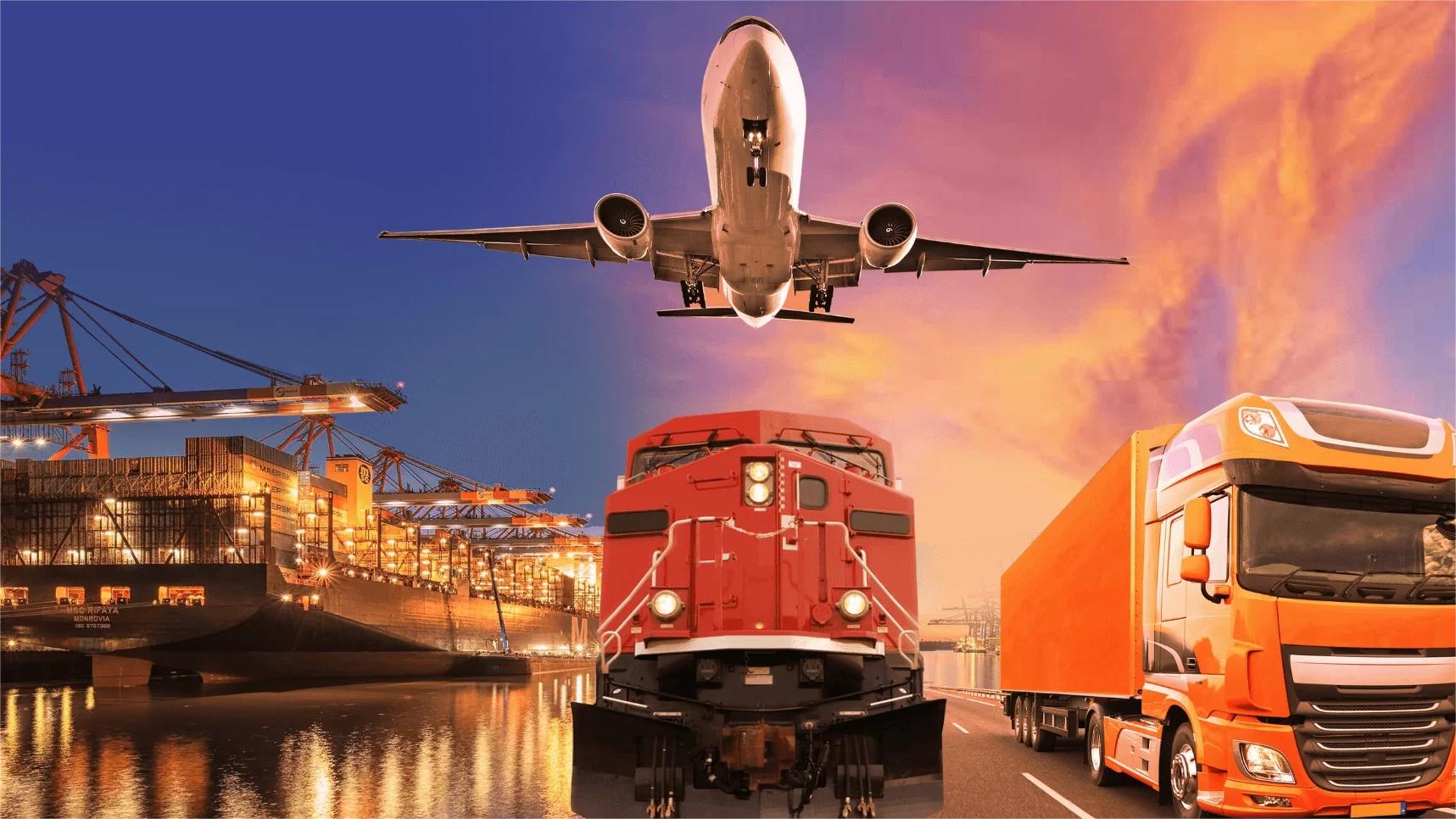
Factory shipping refers to the direct transport of goods from a manufacturing facility in China to a destination in Europe. This process involves multiple stages including inland trucking, export clearance, international transit, and final mile delivery. Consequently, businesses must coordinate with various stakeholders to ensure a seamless flow of goods.
Moreover, selecting the right logistics model is essential for maintaining a healthy bottom line. Many companies opt for factory-to-door solutions to minimize handling and reduce the risk of damage. Indeed, understanding the nuances of this route can help you avoid common pitfalls and hidden costs.
Additionally, the rise of e-commerce has increased the demand for faster and more reliable shipping options. Therefore, manufacturers and importers are constantly looking for ways to optimize their delivery schedules. Choosing a professional freight forwarder can provide the expertise needed to navigate these challenges effectively.
How to Choose the Best China to Europe Shipping Factory Shipping Method
Selecting the appropriate transport mode depends on your specific cargo requirements and budget constraints. For instance, sea freight remains the most popular choice for large volumes due to its cost-effectiveness. However, it also comes with the longest transit times, which may not suit urgent shipments.
On the other hand, rail freight offers a middle ground between sea and air transport. It provides significantly faster delivery than ocean vessels while remaining much cheaper than flying goods. Consequently, many businesses are turning to the New Silk Road for their logistics needs.
Furthermore, air freight is the go-to option for high-value or time-sensitive products. While the cost is substantially higher, the speed and security it offers are unmatched. In addition, smaller shipments might benefit from express services for rapid door-to-door delivery.
| Method | Transit Time | Cost Level | Best For |
|---|---|---|---|
| Sea Freight | 30-45 Days | Low | Bulk & Large Cargo |
| Rail Freight | 15-22 Days | Medium | Industrial Goods |
| Air Freight | 3-7 Days | High | Electronics & Urgent |
| Express | 2-5 Days | Very High | Samples & Small Parcels |
How Does Sea Freight Compare to Other Shipping Options?
Comparing different shipping strategies is vital for optimizing your procurement strategy. While sea freight costs approximately 1,800 to 2,500 dollars for a 20GP container, air freight for the same volume would be prohibitively expensive. Nevertheless, the choice is not always based on price alone.
Specifically, for shipments under 15 CBM, LCL at 50 to 80 dollars per CBM may be more economical than a full container. Conversely, FCL provides better security and faster handling for larger batches. Without a doubt, the volume of your factory output dictates the most efficient container strategy.
Moreover, direct routes typically cost 10 to 15 percent more but save 5 to 7 days compared to transshipment via major hubs. Therefore, you must weigh the importance of speed against the potential savings of indirect routing.
| Shipping Method | Cost Range | Transit Time | Limitations |
|---|---|---|---|
| Sea (FCL) | 1,800-4,200 USD | 30-40 Days | Slowest Speed |
| Sea (LCL) | 50-90 USD/CBM | 35-45 Days | More Handling |
| Rail (FCL) | 4,500-6,500 USD | 18-22 Days | Limited Capacity |
| Air Freight | 4-8 USD/KG | 5-7 Days | Weight Limits |
Alternative Strategies for Factory Shipping
Hybrid solutions are gaining popularity as businesses seek to balance cost and speed. For example, sea-air combinations allow you to ship goods by sea to a hub like Dubai and then fly them to Europe. As a result, you can reduce transit time by 50 percent compared to pure sea freight while saving money over pure air freight.
Another alternative is utilizing rail-sea combinations for inland Chinese cities. This approach allows factories in central China to reach European markets faster than trucking to coastal ports. Indeed, these multimodal strategies provide the flexibility needed in a volatile market.
Furthermore, implementing a warehousing strategy in Europe can mitigate the risks of long lead times. By storing inventory closer to the customer, you can offer faster delivery despite the long transit from China. Consequently, this helps in maintaining customer satisfaction and competitive advantage.
Which Option Should You Choose for Your Factory Cargo?
Budget priority should lead you toward sea freight for non-urgent bulk materials. If your primary goal is to minimize expenditure, ocean transport is the undisputed leader. On the contrary, if speed is your main priority, air freight is the only viable choice for tight deadlines.
For cargo type considerations, hazardous materials or heavy machinery often require specialized sea freight handling. Meanwhile, high-value electronics are better suited for the security of air or rail transport. Accordingly, the nature of your product should heavily influence your logistics decision.
Volume thresholds also play a role in switching methods. Once your shipment exceeds 15 CBM, you should transition from LCL to FCL to benefit from lower per-unit costs and reduced damage risks. To summarize, a data-driven approach ensures the best results for your china to europe shipping factory shipping needs.

The Role of Customs Brokerage in Factory Shipping
Navigating the legal requirements of international trade is a significant challenge for many importers. Customs brokerage services are essential for ensuring that all documentation is accurate and compliant. Consequently, professional brokers help prevent costly delays at the border.
In addition, understanding the specific import duties and taxes in various European countries is crucial. For instance, VAT rates and customs regulations can vary significantly between Germany, France, and Poland. Therefore, having a partner who understands local laws is a major advantage.
Moreover, proper classification of goods using HS codes is vital for accurate duty calculation. Errors in documentation can lead to fines or even the seizure of cargo. Indeed, meticulous attention to detail during the export and import process is the hallmark of a successful logistics operation.
Simplifying Logistics with Door to Door Services
Many modern businesses prefer door to door solutions to simplify their operations. This service covers everything from picking up goods at the factory to delivering them to the final destination. As a result, the importer does not have to worry about coordinating multiple carriers.
Furthermore, this model is particularly beneficial for companies shipping to Europe from remote Chinese provinces. It provides a single point of contact and accountability throughout the journey. Consequently, it reduces the administrative burden on your internal team.
Additionally, integrated logistics providers often offer real-time tracking and status updates. This visibility allows you to manage your inventory more effectively and provide accurate delivery estimates to your clients. Without a doubt, door-to-door service is the most convenient way to manage china to europe shipping factory shipping.
Real Case Studies: Factory Shipping Success Stories
Case Study 1: Electronics from Shenzhen to Hamburg Route: Shenzhen, China to Hamburg, Germany Cargo: Consumer Electronics, 28 CBM, 4,500 kg Container: 40GP Shipping Details: – Carrier: Major carrier – Port of Loading: Shenzhen – Port of Discharge: Hamburg – Route Type: Direct Cost Breakdown: – Ocean Freight: 3,200 USD – Origin Charges: 450 USD – Destination Charges: 600 USD – Customs and Duties: 1,200 USD – Total Landed Cost: 5,450 USD Timeline: – Booking to Loading: 4 days – Sea Transit: 32 days – Customs Clearance: 2 days – Total Door-to-Door: 38 days Key Insight: Direct routing avoided transshipment delays, ensuring the product launch stayed on schedule.
Case Study 2: Textiles from Ningbo to Warsaw Route: Ningbo, China to Warsaw, Poland Cargo: Cotton Fabrics, 12 CBM, 2,800 kg Container: LCL Shipping Details: – Service: Rail Freight – Loading Point: Ningbo via Xi’an – Discharge Point: Małaszewicze/Warsaw – Route Type: Rail Silk Road Cost Breakdown: – Rail Freight: 2,400 USD – Origin Charges: 300 USD – Destination Charges: 400 USD – Customs and Duties: 800 USD – Total Landed Cost: 3,900 USD Timeline: – Booking to Loading: 5 days – Rail Transit: 18 days – Customs Clearance: 3 days – Total Door-to-Door: 26 days Key Insight: Rail freight provided a 14-day speed advantage over sea freight for a moderate price increase, perfect for seasonal fashion demands.
Market Intelligence and Pricing Trends for 2025
As of early 2025, freight rates from China to Europe have stabilized after the disruptions seen in previous years. According to industry benchmarks, container prices are currently in a manageable range for most importers. However, seasonal fluctuations still play a significant role in pricing.
Furthermore, rates typically increase 15 to 25 percent during the August to October peak season. This is due to the surge in demand for holiday inventory. Consequently, planning your shipments well in advance can lead to significant cost savings.
Additionally, environmental regulations are beginning to impact shipping costs. Carriers are investing in cleaner fuels and more efficient vessels, which may lead to small surcharges. Nevertheless, these advancements contribute to a more sustainable global supply chain in the long run.
Final Thoughts on Factory Shipping to Europe
Successfully managing china to europe shipping factory shipping requires a combination of strategic planning and reliable partnerships. By understanding the differences between sea, air, and rail freight, you can choose the method that best fits your business goals. Moreover, utilizing door-to-door services and professional customs brokerage can significantly reduce the complexity of international trade.
Indeed, staying informed about market trends and pricing fluctuations is essential for maintaining a competitive edge. Whether you are shipping small LCL batches or full containers, the right logistics strategy will ensure your goods arrive on time and within budget. To summarize, focus on efficiency, transparency, and expert support to master your factory shipping needs.
Ready to streamline your logistics?
Ready to optimize your china to europe shipping factory shipping? Contact our expert team today for a customized quote and professional logistics advice. Visit our website to get started with your next shipment. Send Inquiry: Visit topchinalogistics.com/contact-us/
Request Quote