

Cheap Shipping from China by Sea France: The Ultimate 2025 Logistics Guide
Selecting a reliable partner like Top China Logistics is the first step toward securing cheap shipping from china by sea france for your business. Global trade between these two nations continues to expand, making cost-effective ocean transport a vital component of a successful supply chain. This guide explores how you can minimize expenses while maintaining high delivery standards for your French customers.
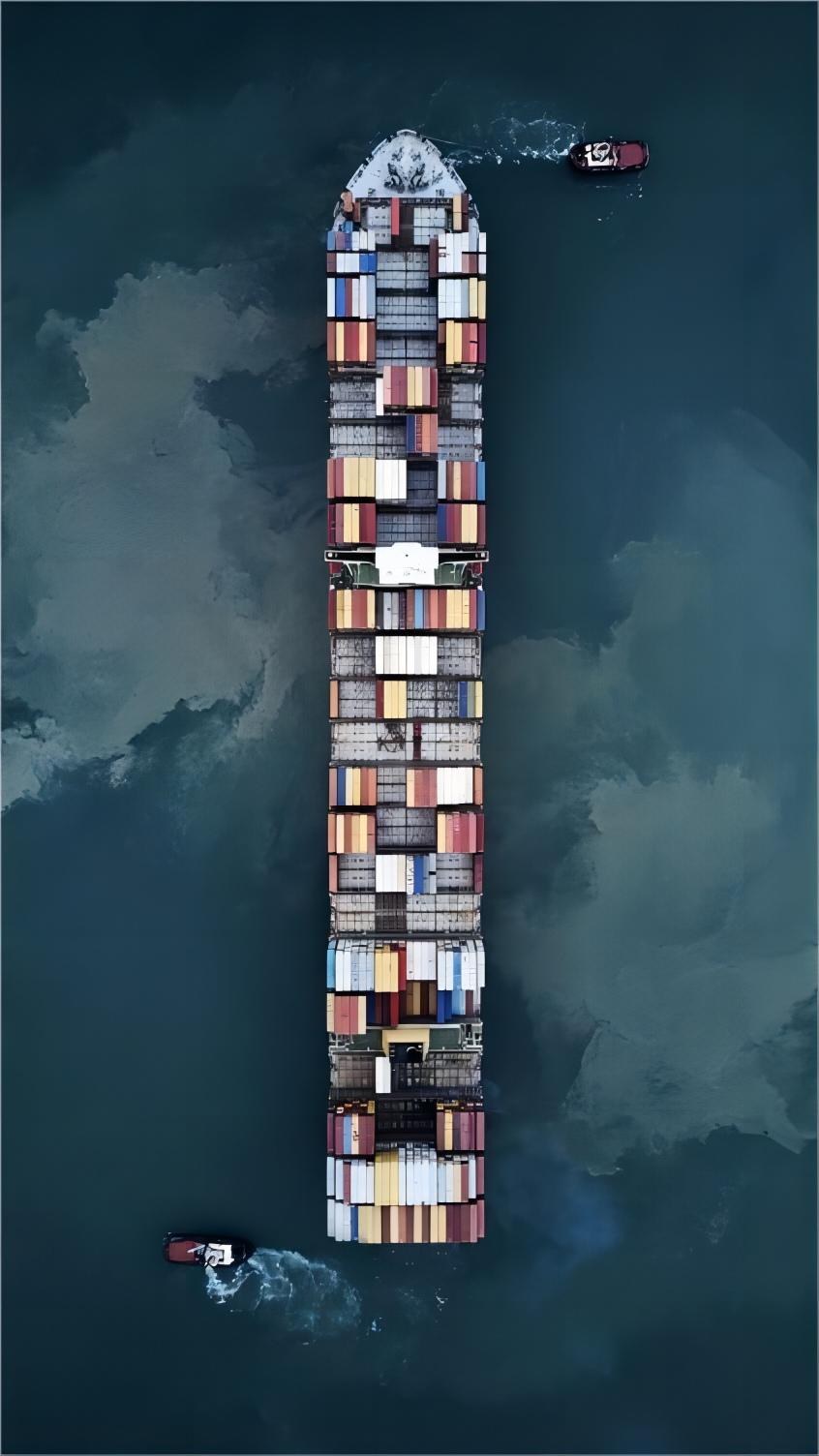
Why Choose Sea Freight for Cheap Shipping from China by Sea France?
Ocean transport remains the most economical method for moving large volumes of goods across the globe. Specifically, when you prioritize budget over speed, sea freight offers unparalleled value for heavy or bulky items. Moreover, the environmental impact of maritime transport is significantly lower compared to air transit, aligning with modern sustainability goals.
Consequently, many French importers utilize sea routes to maintain competitive pricing in the local market. Shipping by sea allows for massive economies of scale that other methods simply cannot match. Therefore, businesses can import everything from machinery to consumer electronics without eroding their profit margins.
Furthermore, the infrastructure connecting major Chinese ports like Shanghai and Ningbo to French hubs is highly developed. This connectivity ensures that your cargo moves through a predictable and well-established logistics network. Indeed, the stability of sea routes makes them the backbone of international commerce between Asia and Europe.
Understanding FCL and LCL for Cheap Shipping from China by Sea France
Full Container Load (FCL) shipping involves renting an entire container for your exclusive use, which is ideal for large shipments. Usually, FCL is the fastest sea option because the container does not need to be opened for consolidation or deconsolidation. In addition, it provides a higher level of security since the cargo remains sealed from the point of origin to the destination.
Less than Container Load (LCL) serves as a budget-friendly alternative for smaller shipments that do not fill a whole container. By sharing space with other importers, you only pay for the volume you occupy, measured in cubic meters. However, LCL shipments often take slightly longer due to the extra handling required at the container freight station.
Choosing between these two depends largely on your total cargo volume and urgency. For shipments exceeding 15 cubic meters, switching to FCL often results in a lower cost per unit. Conversely, startups and small businesses frequently find LCL the most accessible way to start importing from China.
How Does Sea Freight Compare to Other Shipping Options?
Comparing different transport modes is essential for determining the best fit for your specific cargo and timeline. While sea freight is the cheapest, air freight provides the speed necessary for high-value or perishable goods. Additionally, rail freight offers a middle-ground solution, though it is currently subject to geopolitical fluctuations affecting Eurasian routes.
Nevertheless, the cost difference between sea and air is often staggering for heavy shipments. For example, moving a ton of goods by sea might cost a fraction of what a courier service would charge. Consequently, planning your inventory well in advance allows you to take advantage of these significant savings.
Market data suggests that as of early 2025, sea freight remains the dominant choice for over 80 percent of trade volume between China and France. This dominance is due to the massive capacity of modern container ships, which can carry over 20,000 TEUs in a single journey.
| Shipping Method | Cost Range | Transit Time | Best For |
|---|---|---|---|
| Sea Freight | $1,800 – $4,200 | 30 – 45 Days | Bulk items, heavy machinery |
| Air Freight | $5.00 – $9.00/kg | 3 – 7 Days | High-value, urgent goods |
| Rail Freight | $3,000 – $5,500 | 18 – 25 Days | Medium-weight, non-urgent |
| Express | $8.00 – $15.00/kg | 2 – 5 Days | Samples, documents |
Major Ports and Transit Times for French Imports
Transit times for cheap shipping from china by sea france vary depending on the specific port of loading and discharge. Major French ports like Le Havre in the north and Fos-sur-Mer in the south serve as the primary gateways for Chinese goods. Specifically, ships traveling to Marseille (Fos-sur-Mer) typically have shorter transit times as they enter via the Mediterranean.
Conversely, vessels heading to Le Havre must navigate around the Iberian Peninsula, adding several days to the journey. Moreover, port congestion and seasonal weather patterns can influence the exact arrival date of your cargo. Therefore, it is wise to build a buffer of at least one week into your delivery schedule.
Typical sea transit from Shanghai to Le Havre takes approximately 35 to 40 days. In contrast, a direct route from Shenzhen to Marseille might only take 30 days under optimal conditions. Always consult with your freight forwarder to get the most accurate schedule for your specific departure date.
| Origin Port | Destination Port | Average Transit | Route Type |
|---|---|---|---|
| Shanghai | Le Havre | 38 Days | Direct |
| Ningbo | Fos-sur-Mer | 32 Days | Direct |
| Shenzhen | Le Havre | 35 Days | Transshipment |
| Qingdao | Marseille | 40 Days | Direct |
Cost-Saving Strategies for Importing from China
Reducing your total landed cost requires a strategic approach to logistics management and vendor negotiations. One effective method is to consolidate multiple small orders into a single LCL shipment to avoid paying minimum charges multiple times. Additionally, optimizing your packaging can reduce the total volume, directly lowering your freight rates.
Negotiating Incoterms 2020 carefully with your supplier is another critical factor in controlling costs. For instance, choosing FOB (Free on Board) allows you to select your own freight forwarder and maintain better control over the shipping process. On the other hand, EXW (Ex Works) gives you full control but also places the maximum responsibility on the buyer.
Furthermore, utilizing a professional customs brokerage service can prevent expensive delays and fines at the French border. Accurate HS code classification ensures you pay the correct import duties and taxes, avoiding unnecessary overpayments. Indeed, a smooth customs process is essential for maintaining a lean supply chain.
Essential Documentation for Sea Freight to France
Managing paperwork correctly is vital for avoiding port storage fees and ensuring timely delivery to your warehouse. The Bill of Lading (B/L) serves as the most important document, acting as a receipt for the cargo and a contract of carriage. Additionally, the Commercial Invoice and Packing List must clearly detail the goods, their value, and their weight.
French customs also require a Certificate of Origin for certain types of goods to determine eligibility for preferential tariff rates. Moreover, specific products like electronics or toys may need a CE Declaration of Conformity to meet European safety standards. Consequently, preparing these documents well before the ship arrives is highly recommended.
If you are utilizing a door to door service, your provider will typically handle most of this documentation on your behalf. This comprehensive approach simplifies the process for the importer, allowing them to focus on sales and marketing. Ultimately, clear communication with your logistics partner is the key to documentation success.
Which Option Should You Choose? Decision Framework
Determining the right shipping strategy involves balancing your budget, the nature of your cargo, and your customer expectations. If your primary goal is to achieve the lowest possible price, sea freight is the undisputed winner for almost all commercial volumes. However, if you are shipping small samples to test the market, express services might be more appropriate.
Budget priority: Choose sea freight (LCL for < 15 CBM, FCL for > 15 CBM). This method offers the lowest cost per kilogram for bulk shipments. Speed priority: Choose air freight or rail freight if the route is stable. These options significantly reduce lead times but at a much higher price point.
Cargo type considerations: Heavy machinery and large furniture are almost always shipped by sea due to size restrictions on aircraft. Conversely, high-fashion items or the latest tech gadgets often justify the cost of air transport to capture market trends quickly. Volume thresholds: Once your shipment reaches about 100-200kg, sea freight usually becomes more economical than air courier services.
Real-World Case Studies for Shipping to France
Examining real-world examples provides valuable insight into the practical costs and timelines involved in international shipping. These cases reflect typical scenarios handled by professional logistics providers in the current market environment. Note: Freight rates are subject to change based on fuel costs, carrier capacity, and seasonal demand. Contact us for a current quote tailored to your specific shipment.
Case Study 1: Industrial Parts from Ningbo to Le Havre. A manufacturing firm in Paris imported 15 tons of steel components using a 20GP container. The total ocean freight was $2,100, with origin and destination charges totaling $850. The sea transit took 37 days, and customs clearance was completed in 48 hours, resulting in a successful door-to-door delivery in 45 days.
Case Study 2: Consumer Goods for Amazon FBA France. An e-commerce seller shipped 5 CBM of household items from Shenzhen to a fulfillment center in Lyon via LCL. The cost was $95 per CBM, plus local handling fees. By using a consolidated sea freight service, the seller saved over 60 percent compared to the air freight quotes they initially received.
Route: Ningbo, China to Le Havre, France. Cargo: Industrial Machinery, 28 CBM, 12,000 kg. Container: 20GP. Shipping Details: Major carrier (COSCO), Direct route. Cost Breakdown: Ocean Freight: $2,250; Origin Charges: $400; Destination Charges: $550; Customs & Duties: $1,200; Total Landed Cost: $4,400. Timeline: Booking to Loading: 5 days; Sea Transit: 36 days; Customs: 3 days; Total Door-to-Door: 44 days. Key Insight: Booking three weeks in advance secured a lower rate before the peak season price hike.
Route: Shenzhen, China to Marseille, France. Cargo: LED Lighting, 4 CBM, 800 kg. Container: LCL. Shipping Details: Transshipment via Singapore. Cost Breakdown: Ocean Freight: $480 ($120/CBM); Origin Charges: $200; Destination Charges: $350; Customs & Duties: $600; Total Landed Cost: $1,630. Timeline: Booking to Loading: 4 days; Sea Transit: 31 days; Customs: 2 days; Total Door-to-Door: 37 days. Key Insight: Palletizing the goods reduced handling damage and sped up the deconsolidation process in Marseille.
Mastering Your Sea Freight Strategy
Successfully securing cheap shipping from china by sea france requires a combination of early planning, proper documentation, and the right logistics partner. By understanding the differences between FCL and LCL, you can make informed decisions that protect your bottom line. Moreover, staying informed about market trends and port operations will help you navigate potential disruptions with ease.
Ultimately, the goal is to create a reliable and cost-effective bridge between your Chinese suppliers and your French customers. Whether you are shipping full containers of industrial equipment or small batches of consumer goods, sea freight remains the most powerful tool in your international trade arsenal. Start implementing these strategies today to see immediate improvements in your shipping efficiency.

Ready to streamline your logistics?
Are you ready to optimize your supply chain with cheap shipping from china by sea france? Our team of logistics experts is standing by to provide you with a competitive, transparent quote tailored to your specific needs. Contact Top China Logistics today to streamline your imports and reduce your overhead costs. Send Inquiry Visit https://topchinalogistics.com/ to get started.
Request Quote