

Can Rail Freight Reduce Peak Season Shipping Risk? A 2026 Logistics Guide
As global supply chains face increasing volatility, shippers frequently ask whether rail freight can reduce peak season shipping risk when ocean lanes suffer from extreme congestion and air freight costs become prohibitive. This overland alternative provides a strategic middle ground for Eurasian trade, offering a predictable cadence that avoids the instability of port-dependent transit windows. Top China Logistics provides the specialized documentation and hub-coordination support necessary to navigate the complexities of long-haul rail corridors. This guide details the essential booking checkpoints, documentation requirements, and operational benchmarks required to successfully integrate rail into your peak season distribution strategy.

Key Takeaways
Rail freight typically offers a transit window of 18–25 days for China-to-Europe lanes, significantly faster than ocean freight which can exceed 45 days during peak volatility.
A standard 40HQ container supports approximately 65–70 CBM of general cargo, making it the most cost-effective unit for high-volume rail block-train bookings.
CIM/SMGS consignment notes are the primary legal documents for rail; errors in these filings are the leading cause of border dwell at crossing points like Alashankou.
Gauge changes at border crossings typically add 24–48 hours to total transit time; planning these buffers is critical for meeting strict destination rail terminal cut-offs.
Rail capacity should be secured 3–4 weeks in advance of cargo-ready dates during Q3 and Q4 to avoid the premium surcharges associated with last-minute booking slots.
When Does Rail Freight Beat Ocean or Air on Can Rail Freight Reduce Peak?
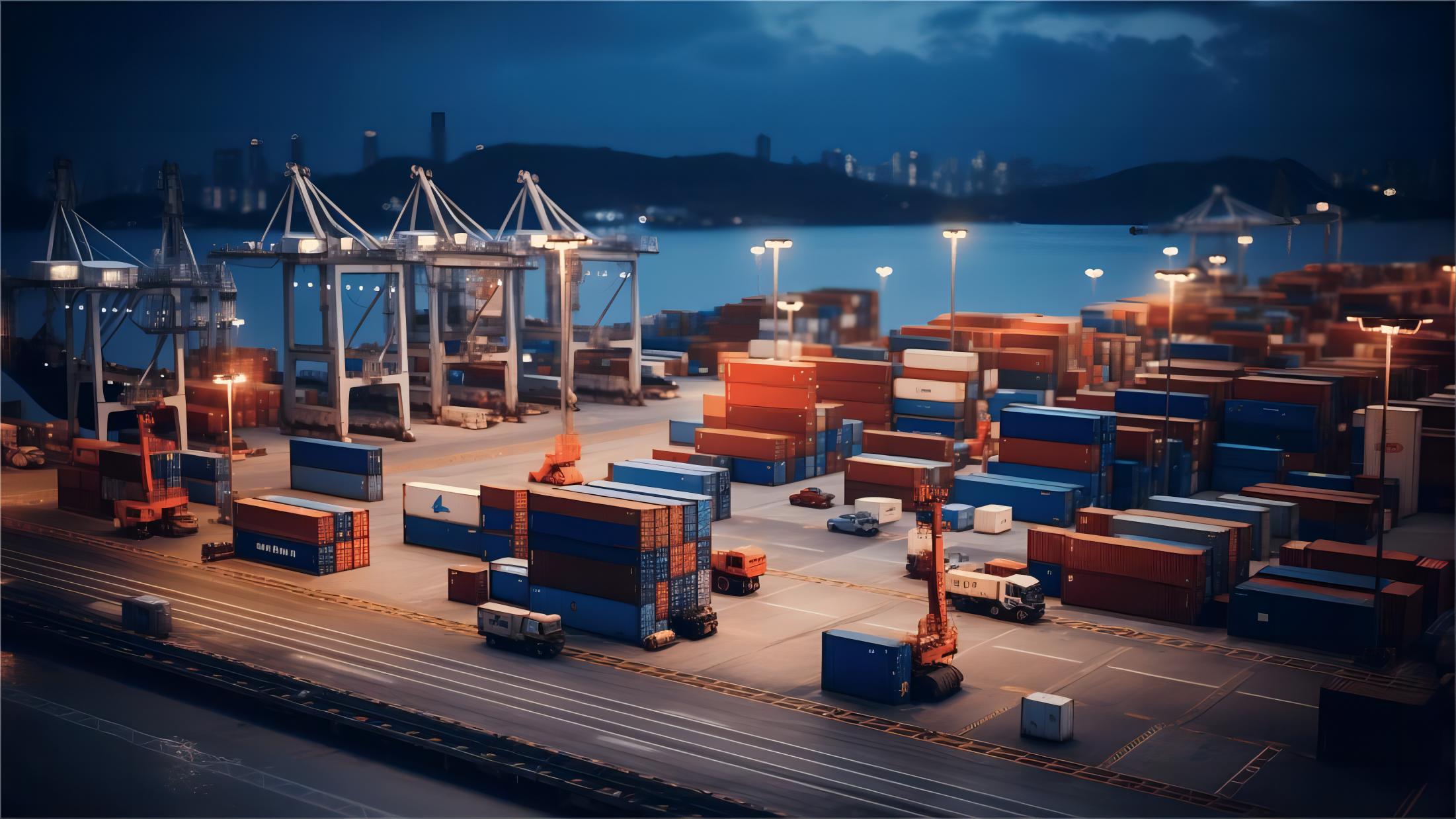
Determining when to switch to rail requires a quantitative analysis of your current inventory depletion rates versus the cost of capital tied up in slow-moving ocean freight. During peak season, ocean carriers often implement blank sailings and port omissions that can push transit times beyond 50 days, creating a critical stock-out risk for retailers and manufacturers. Rail freight provides a consistent, land-based alternative that bridges the gap between the high cost of air and the unreliability of ocean, typically saving 20–30 days of transit time compared to maritime routes.
The decision to utilize rail is most effective when cargo density allows for full container utilization and the commodity value justifies a mid-tier logistics spend. Unlike air freight, which is billed per chargeable weight, rail is typically priced per container or per rail-car, making it highly competitive for heavy industrial goods or large-volume consumer merchandise. Shippers must evaluate their total landed cost, including the potential for reduced insurance premiums and inventory carrying costs, when comparing rail against the inherent volatility of the ocean freight market during peak demand periods.
Operationally, rail is the superior choice when your cargo-ready dates align with established block-train schedules departing from major hubs like Chongqing or Chengdu. By utilizing rail, you minimize the exposure to maritime port congestion, which is often the primary driver of peak season delays. Implementing this mode requires early coordination with your logistics provider to ensure that your specific origin-destination corridor has the capacity and terminal infrastructure to handle the volume without the risk of extended dwell times at transshipment points.
Field note: Rail is the ‘sweet spot’ for mid-speed, mid-cost requirements.
Common mistake: Failing to account for the longer lead times required for rail documentation compared to ocean.
Risk alert: Market capacity for rail can tighten rapidly during Q4 peak demand.
Critical Checklist: Rail Documents, Gauge Change, and Winter Risks for Can Rail Freight Reduce Peak
Navigating the technical requirements of rail freight requires a meticulous approach to documentation and environmental planning, as these factors directly impact your ability to reduce peak season shipping risk. The primary challenge for rail operators is the transition between different track gauges, specifically as cargo moves from China through Central Asia into the European rail network. Shippers must ensure that their cargo is properly secured within the container to withstand the physical stresses of transshipment, as gauge-change operations involve lifting containers and transferring them between different rail platforms.
Winter conditions introduce a secondary layer of risk, as extreme temperatures can lead to mechanical delays or port-terminal congestion in northern rail corridors. To mitigate these risks, it is essential to work with a provider who maintains real-time visibility into border crossing dwell times at hubs like Alashankou and Khorgos. Proper documentation, including the accurate declaration of HS codes and weight, is mandatory to prevent customs inspections from triggering extended holds, which are particularly damaging during the high-pressure environment of the peak shipping season.
Preparation for these variables includes verifying that your cargo packing list is perfectly aligned with the manifest provided to rail authorities. Because rail is a cross-border, multi-jurisdictional process, any discrepancy in the weight or description of goods can lead to significant delays at the border. Buyers should consult with Top China Logistics to ensure that their shipment is correctly categorized and that all necessary transit permits are secured well in advance of the cargo-ready date, effectively insulating their supply chain from avoidable administrative bottlenecks.
| Equipment Type | Internal Volume (CBM) | Max Payload (kg / lbs) | Optimal Commodity Fit |
|---|---|---|---|
| 20ft Standard (20GP) | 28–30 CBM (26 usable) | 21,800 kg / 48,000 lbs | Dense machinery / metals on block-train strings |
| 40ft Standard (40GP) | 58–60 CBM (54 usable) | 26,500 kg / 58,400 lbs | Palletized general cargo on gauge-change lanes |
| 40ft High Cube (40HQ) | 68–76 CBM (68 usable) | 26,500 kg / 58,400 lbs | Light bulky SKUs (furniture, textiles) on China–Europe rail |
| 45ft High Cube (45HQ) | 85–86 CBM (78 usable) | 27,500 kg / 60,600 lbs | High-cube retail where corridor equipment accepts 45ft |
Field note: Gauge change is a physical reality; plan for a 48-hour buffer.
Common mistake: Ignoring the impact of extreme winter weather on rail terminal throughput.
Risk alert: Inaccurate weight declarations can lead to heavy fines and rail-car rejections.
Which Rail Gateways and Border Cut-offs Apply on This Lane?

Selecting the correct rail gateway is the cornerstone of a successful overland strategy, as the choice between hubs like Chongqing, Chengdu, Xi’an, or Zhengzhou dictates the efficiency of your initial transit leg. Each hub serves specific catchment areas and connects to different border crossings, such as Alashankou or Khorgos, which act as the primary gateways for transit into the Eurasian network. Understanding the specific capacity and cut-off schedules of these gateways is vital, as they operate on strict time-windows that do not accommodate late arrivals or missing documentation.
Border cut-offs are the most rigid component of rail logistics; if cargo misses the scheduled block-train cut-off, it may sit in a terminal for up to a week waiting for the next available slot. This makes the coordination between your pick-up drayage and the rail terminal arrival time the most critical operational link. Shippers must prioritize local drayage teams that have established, reliable access to these specific rail yards, ensuring that the container is staged, inspected, and cleared for loading before the cut-off time is reached.
To optimize your lane selection, analyze the historical performance of your chosen gateways during peak seasons. Some hubs may experience higher levels of congestion due to localized demand, while others might offer more flexible capacity options for specific container types. By aligning your freight with the most efficient corridor and working with a partner who has deep roots in these terminals, you can effectively bypass the standard port-side bottlenecks that define the maritime peak season, ensuring your goods move with consistent, predictable velocity.
| Gateway/Node | Primary Role | Cut-off Lead Time | Risk Level |
|---|---|---|---|
| Chongqing Terminal | Major Chinese Ports | 48–72 Hours | Low |
| Alashankou Border | Gauge Change | 24–48 Hours (Dwell) | Moderate |
| Duisburg Terminal | Dest. Hub | 24 Hours (Release) | Low |
Field note: Always aim to arrive at the rail hub 48 hours before the cut-off.
Common mistake: Assuming rail hubs have the same late-arrival grace period as ocean terminals.
Risk alert: Missing a rail cut-off can lead to significant detention costs at the origin terminal.
What Documents Does China Rail Export Require?
Exporting via rail from China necessitates a specific set of documents that differ from ocean freight, primarily centering on the CIM/SMGS rail consignment note. This document serves as the contract of carriage and is legally recognized across the various jurisdictions that the train traverses. Ensuring the accuracy of this note is paramount, as it dictates the handling, liability, and customs declarations for the entire journey. Inaccuracies here are the most frequent cause of cargo being flagged for inspection at border crossings, which can derail your delivery schedule.
In addition to the CIM/SMGS note, shippers must provide a comprehensive commercial invoice and a detailed packing list that accurately captures the nature, value, and weight of the goods. These documents must be synchronized with the HS codes required for entry into the destination market. Unlike ocean freight, where documentation can sometimes be amended post-departure, rail documents must be finalized and submitted to the rail operator prior to the train’s departure from the Major Chinese Ports to ensure seamless customs transit and border handoffs.
Your logistics provider should facilitate the validation of these documents to ensure compliance with both Chinese export regulations and the import requirements of the destination country. This includes checking for any necessary certificates of origin or specialized permits that might be required for specific commodities. By managing these document packs with precision, you avoid the administrative friction that leads to mid-transit delays, ensuring that your rail freight strategy remains a robust solution for managing peak season shipping risk.
Field note: The CIM/SMGS note is the ‘passport’ for your rail cargo.
Common mistake: Submitting documentation that does not match the actual physical weight of the cargo.
Risk alert: Customs discrepancies at the border can lead to total shipment seizure.
How Are Rail Rates and Capacity Typically Structured?
Rail freight rates are generally structured as all-in costs per container, providing a level of predictability that is often missing from the volatile ocean freight market. During peak season, however, capacity becomes a premium commodity, and rates may include seasonal surcharges or ‘space-guarantee’ fees. Understanding these structures allows you to negotiate effectively with your logistics provider and lock in capacity before the rush begins. Unlike ocean rates, which are subject to bunker adjustment factors (BAF) and general rate increases (GRI), rail rates are usually more stable, provided you have a secured block-train agreement.
Capacity is managed through block-train allocations, where forwarders reserve specific slots on trains departing at fixed intervals. This is why securing your space well in advance of the peak season is so critical; if you rely on spot-market rates during the height of the season, you may find that capacity is either unavailable or priced at a significant premium. Shippers should look for partners who have long-standing relationships with rail operators, as these providers often have secured allocations that can be passed on to their clients even when market capacity is tight.
To manage costs effectively, consider the trade-off between standard transit times and expedited options that might be available during peak periods. While standard rail is highly competitive, some providers offer ‘priority’ rail services that utilize dedicated, faster-moving train lines with fewer stops. By evaluating your total landed cost against these pricing tiers, you can make an informed decision that balances your budget with the need for reliable, on-time delivery during the critical peak shipping months.
Field note: Lock in your rail capacity at least 30 days before peak season begins.
Common mistake: Waiting for the spot market to drop before booking rail capacity.
Risk alert: Last-minute bookings often result in ‘rolled’ cargo and missed deadlines.
What Risks Affect Rail Schedules (congestion, gauge change, winter)?
Despite its reliability, rail freight is subject to specific environmental and operational risks that can impact schedules, particularly the potential for congestion at major rail hubs and border crossings. Winter weather is a significant factor in northern corridors, where sub-zero temperatures can affect equipment performance and slow down terminal operations. Shippers must account for these potential delays in their planning, often by adding a 5–7 day buffer to their anticipated delivery dates during the winter months, especially when operating on tight inventory cycles.
Gauge changes at the border are a planned, recurring event, but they represent a point of vulnerability where technical issues with cranes or rail-car availability can cause shifts in the schedule. This is why having real-time tracking and a responsive logistics partner is essential. If a delay occurs at a border crossing, a proactive partner will have the visibility to inform you immediately and, if necessary, explore alternative routing or terminal options to minimize the impact on your final delivery schedule.
Congestion at destination rail terminals is another risk that is often overlooked. During peak season, the sheer volume of containers arriving by rail can overwhelm local drayage capacity, leading to delays in last-mile delivery. To mitigate this, coordinate with your destination terminal well in advance to ensure that your cargo is prioritized for unloading and that your trucking partner is ready for immediate dispatch upon terminal release. By managing these risks proactively, you can maintain the integrity of your supply chain throughout the peak season.
| Document / Filing | Submission Window | Responsible Party | Clearance Impact |
|---|---|---|---|
| Customs Import Declaration | Prior to cargo discharge | Licensed Broker / Consignee | Terminal demurrage |
| Commercial Invoice & Packing List | Before vessel departure | Shipper / Exporter | Documentation hold |
| Master / House Bill of Lading | Post-departure confirmation | Freight Forwarder | Release freeze |
| Certificate of Origin (if req) | Prior to import duty assessment | Chamber of Commerce | Loss of tariff relief |
Field note: A 7-day buffer is the industry standard for winter rail planning.
Common mistake: Assuming rail is entirely immune to the delays that plague ocean freight.
Risk alert: Terminal congestion at the destination can negate the speed gains of rail.
How Should You Stage Cargo for Rail Booking Cutoffs?
Staging cargo for rail requires a disciplined approach to inventory management at the point of origin, ensuring that goods are packed and ready for loading before the rail operator’s cut-off time. This involves coordinating with your warehouse or factory to ensure that the container is loaded, secured, and sealed according to rail safety standards. Any delay in the loading process can lead to a missed cut-off, which effectively rolls your cargo to the next scheduled train, potentially adding a week to your lead time and disrupting your downstream supply chain.
Effective staging includes the palletization of goods in a manner that maximizes the use of space while ensuring the load is stable for the long-haul overland journey. Because rail transit involves significant vibration and longitudinal stress, using high-quality dunnage and proper blocking and bracing is crucial. Your logistics partner should provide a clear, step-by-step loading plan that complies with the rail operator’s requirements, ensuring that your container is ready for immediate acceptance at the rail terminal without the risk of rejection due to improper loading.
Communication is the final piece of the staging process; your team must be in constant contact with the drayage provider to ensure that the container is picked up and transported to the rail terminal with sufficient time to clear the terminal’s intake process. By treating the rail cut-off as a non-negotiable deadline, you instill a level of discipline in your origin operations that is characteristic of high-performing supply chains. This standard of excellence is what ultimately allows you to reap the benefits of rail as a consistent, reliable alternative for your peak season requirements.
Field note: Use heavy-duty dunnage to protect your cargo from rail vibration.
Common mistake: Underestimating the time required for container inspection at the rail terminal.
Risk alert: Improperly secured loads are the primary cause of damage during rail transit.
What Is the Step-by-Step Rail Booking SOP?
The standard operating procedure for rail booking is a six-stage process designed to eliminate uncertainty and ensure that your goods move through the Eurasian corridor with maximum efficiency. It begins with corridor and hub feasibility, where we confirm that your origin and destination are served by the most efficient rail lines. This is followed by the reservation of capacity, ensuring that your cargo has a confirmed spot on a block-train before the peak season demand peaks. This proactive planning is the difference between a seamless transit and a costly delay.
Once capacity is secured, the process moves to the preparation of the CIM/SMGS and export documentation, which must be completed with total accuracy to satisfy customs and rail carrier requirements. We then coordinate the border handoff, ensuring that all filings are in place for the gauge change at hubs like Alashankou. Throughout the transit, we maintain continuous monitoring to provide you with real-time updates and to manage any exceptions that might arise. Finally, we manage the destination terminal release, coordinating the last-mile drayage to your final delivery location.
By following this structured SOP, you can effectively reduce the risk associated with peak season shipping, transforming a potentially chaotic process into a predictable, managed logistics operation. We recommend that you review your current shipping volumes and Incoterms with Top China Logistics to identify where rail can best serve your requirements. As your partner in global trade, we are committed to providing the oversight and operational expertise required to keep your supply chain running smoothly, regardless of the seasonal pressures or market volatility.
Field note: A structured SOP is your best defense against peak season chaos.
Common mistake: Skipping the pre-booking validation phase for specific gateway capacity.
Risk alert: Disjointed booking processes lead to fragmented communication and cargo loss.
Decision Framework
By volume: Sub-container / LCL-equivalent lots may ride consolidated rail blocks; full 40HQ-scale loads should lock dedicated rail capacity early on peak China–Europe strings.
By speed: Urgent windows under ~7–10 days still favor air; mid-speed replenishment fits rail when ocean is too slow and air is too expensive on Eurasian-feasible lanes.
By cargo profile: Oversized or gauge-sensitive cargo needs flat-rack / open-top planning at Shanghai/Ningbo; standard cartons still require CIM/SMGS-ready packing lists and seal discipline.
Real-World Corridor Case Studies
An importer moved mixed cartons on a scoped international lane. The forwarder aligned commercial invoice, packing list, and the destination national import declaration before mainhaul departure.
A distributor routed equipment components with early broker coordination so destination release and final-mile delivery stayed inside free-time windows.
Rail Execution Checklist for Can Rail Freight Reduce Peak
Successfully leveraging rail freight to mitigate peak season risk requires more than just booking a container; it demands an integrated approach to documentation, hub-coordination, and proactive exception management. By focusing on Eurasian corridor feasibility, ensuring CIM/SMGS accuracy, and planning for border-crossing dwell times, you can create a reliable logistics pipeline that remains independent of the congestion affecting maritime routes. This guide has outlined the essential SOPs and decision frameworks necessary to make rail a permanent, strategic component of your global supply chain.
As you prepare for the upcoming peak season, run your rail booking brief through a thorough validation of hub capacity and terminal availability to avoid last-minute disruptions. Lock in your block-train allocations early, verify your documentation against the specific requirements of the chosen gateway, and maintain clear communication with your logistics provider throughout the transit cycle. With the right preparation and a partner like Top China Logistics, rail can effectively transform your supply chain from a reactive operation into a proactive, resilient network.
Process and Checkpoints
Corridor & Hub Feasibility
Confirm Eurasian/overland feasibility; name origin rail hub and destination terminal.
Capacity & Cut-off Lock
Reserve block-train / platform space before cargo-ready and documentation cut-offs.
CIM/SMGS & Export Pack
Issue rail consignment note data with invoice, packing list, and HS alignment.
Border / Gauge Handoff
Plan Alashankou/Khorgos gauge change and transit filings.
In-Transit Exception Watch
Monitor congestion, winter holds, and schedule recovery options vs ocean/air.
Terminal Release & Last Mile
Clear destination rail terminal, arrange trucking, and capture POD.
Confirm the right route for your shipment
Need a China rail freight plan for your peak season requirements? Share your Major Chinese Ports, destination terminal, cargo-ready date, CBM/weight, and whether you need door delivery after rail release for a scoped, itemized proposal.
Request a route reviewFrequently Asked Questions
How do destination demurrage and detention charges accrue on rail containers?
Rail operators typically offer a free-time window at the destination terminal (often 3–5 days). After this period, daily charges apply for container storage and chassis usage until the unit is outgated.
What hidden accessorial fees often cause rail freight invoice shocks?
Common hidden costs include terminal handling charges (THC), container cleaning fees, inspection surcharges at border crossings, and late-filing penalties for inaccurate CIM/SMGS documentation.
Which documents must be verified prior to requesting a rail release?
The original CIM/SMGS consignment note, a valid commercial invoice, the packing list, and any required customs transit permits must be verified and cleared by the destination rail terminal agent.
How do gauge-change dwell times affect published rail transit on block trains?
Bogie exchange or transfer at Alashankou/Khorgos typically adds 24–48 hours; winter and volume spikes can extend that buffer.
When is the mandatory cut-off time for submitting rail documentation?
Rail documentation cut-offs are typically 48 to 72 hours before the scheduled train departure. Missing this window almost always results in a shipment roll to the following week’s schedule.
Where does the freight forwarder take legal custody of rail cargo?
Legal custody typically transitions when the cargo is received at the origin rail terminal and the CIM/SMGS note is officially stamped by the rail operator, signifying the start of the contract of carriage.
Rates and surcharges fluctuate; request an itemized quote.
Informational only; not binding legal/tax/customs advice.
Benchmarks reflect standard 2026 practice for this corridor.