

A Strategic Guide to DDP Customs Problem Solution and Landed Cost Optimization
Key Procurement Takeaways
- A standard 40HQ container provides approximately 68–76 CBM of usable space for dense palletized cargo.
- Air freight chargeable weight is calculated as the higher of actual weight or volumetric weight (CBM x 167).
- DDP terms require the seller to manage all import duties and taxes, typically representing 5–25% of the commercial value.
- Efficient DDP operations require customs filings to be initiated at least 48 hours prior to vessel arrival or flight landing.
- Under 2 CBM of cargo is generally most cost-effective via express courier or LCL consolidated services.
What Should Buyers Know First About DDP Shipping on This Lane?
Successful DDP shipping requires a complete understanding of the seller’s obligation to deliver goods cleared for import at the named place of destination. By choosing this term, the buyer shifts the burden of import formalities entirely to the supplier or their appointed logistics partner.

However, this convenience often masks underlying complexities regarding customs valuation and tax settlement. It is critical to recognize that DDP (Delivered Duty Paid) is the most comprehensive Incoterm, placing maximum responsibility on the exporter to navigate foreign regulatory environments.
For those managing high-volume trade, utilizing professional door to door services helps mitigate the risks associated with unexpected destination charges.
Who Bears Duty, Tax, and IOR Liabilities Under DDP Terms?
The seller is legally responsible for all duty, tax, and Importer of Record (IOR) liabilities when shipping under DDP terms. Failure to properly appoint an IOR or settle taxes at the point of entry often leads to significant cargo holds at customs.
Furthermore, many countries require a local entity to act as the IOR, meaning the freight forwarder must have a robust customs brokerage network to facilitate clearance on behalf of the overseas exporter.
Indeed, without a clear strategy for tax settlement, the importer may find that their goods are trapped in bond, incurring daily storage fees that quickly exceed the original freight savings.
DDP vs DAP vs FOB: Which Trade Term Cuts Your True Landed Cost?
Choosing between DDP, DAP, and FOB hinges on your internal capacity to manage customs and your appetite for landed cost certainty. DDP provides the highest level of budget predictability, while FOB allows for greater control over the international freight leg.
In contrast, DAP (Delivered at Place) requires the buyer to handle import clearance, which can be advantageous if the buyer has a preferred broker, but it introduces variability into the final cost of goods.
Ultimately, businesses looking to streamline their supply chain often prefer the all-inclusive nature of DDP, provided they have a reliable partner to manage the nuances of sea freight or air logistics.
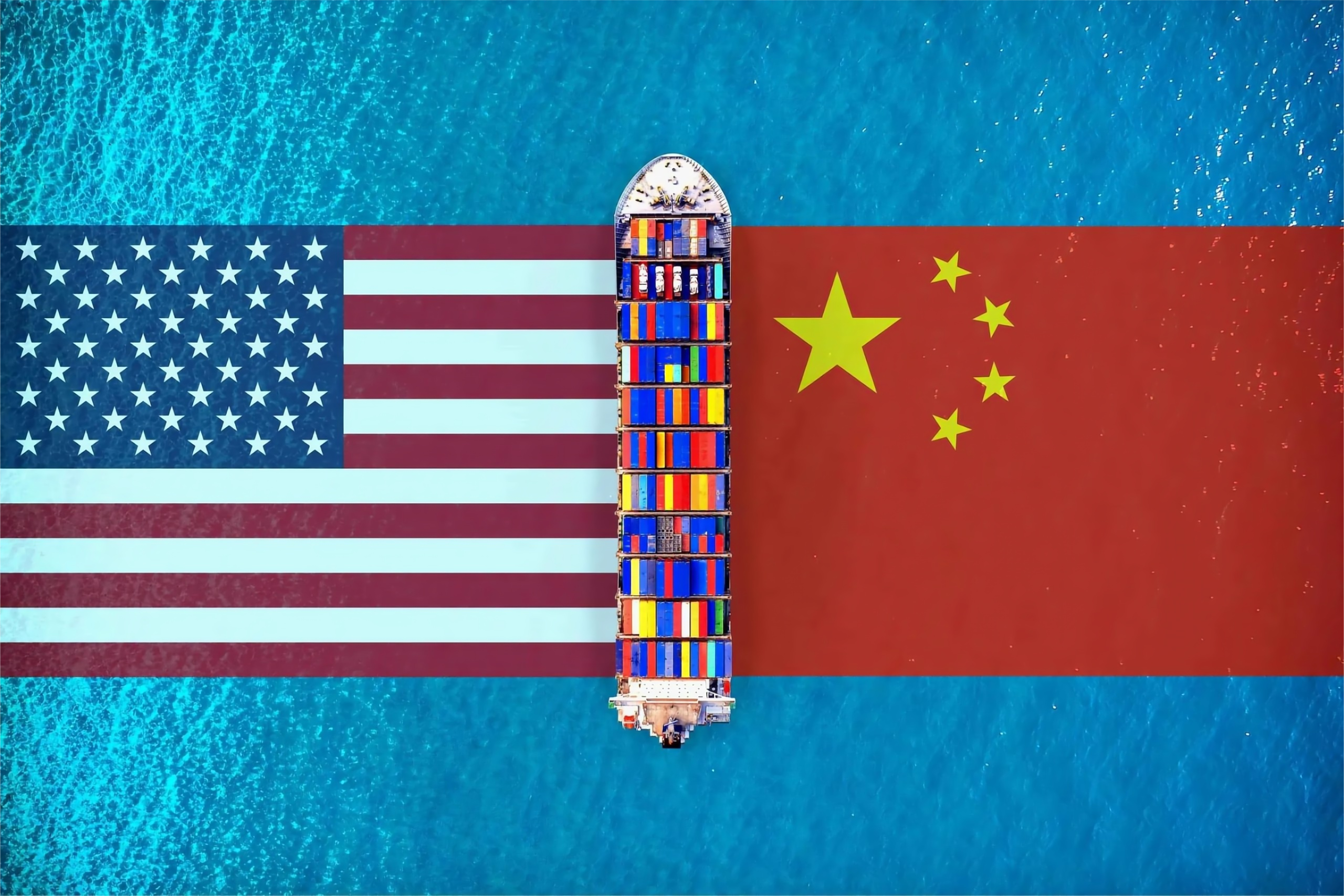
Illustrative Shipment Snapshots
Key metrics only — labeled illustrative scenarios for this corridor.
Electronics Retailer: Multi-Supplier Consolidation
A retail firm consolidated 45 CBM of electronics across three suppliers in Shenzhen for DDP delivery to Los Angeles. The primary friction involved inconsistent HTS classifications, which we resolved by auditing the commercial invoice and re-filing with accurate duty tiers.
Urgent Medical Components: Air-Bridge DDP
A medical tech company required 500kg of components delivered to a facility in Germany on DDP terms. We managed the IOR requirements and duty pre-payment, bypassing the typical customs dwell that would have delayed production.
What Transit Timelines and Dwell Windows Apply to DDP Cargo?
Transit timelines for DDP cargo are heavily influenced by the efficiency of customs clearance at the destination port or airport. While standard mainhaul transit is predictable, the dwell window for customs processing can introduce volatility during peak seasons.
For instance, ocean shipments typically require 2-5 days for clearance processing, whereas air shipments may clear within 24 hours if documentation is pre-cleared. It is essential to factor these dwell times into your replenishment schedule.
To maintain consistent flow, shippers should prioritize air freight for time-sensitive goods where dwell times must be minimized.
| Mode | Transit (days) | Cut-off focus | Best for |
|---|---|---|---|
| Ocean LCL / CFS | 28–42 | CFS receiving | Multi-supplier cargo |
| Ocean FCL buy-out | 22–35 | CY gate-in | >15 CBM |
| Air freight | 3–8 | Airline cut-off | Urgent replenishment |
| Sea-air hybrid | 12–20 | Mode switch | Balanced cost/speed |
How Are All-Inclusive DDP Rates and Duty Surcharges Built?
All-inclusive DDP rates are constructed by aggregating the international freight charge, destination handling fees, and the estimated duty/tax liability based on the commercial invoice value. This approach removes the risk of ‘hidden’ costs appearing upon arrival.
Moreover, the duty component is calculated using the HTS (Harmonized Tariff Schedule) codes provided by the shipper, which must be accurate to avoid customs penalties or retrospective tax audits.
Consequently, businesses that provide transparent, itemized quotes for Amazon FBA or general retail distribution are better positioned to manage their total landed cost effectively.
What Documents and Filings Are Mandatory Under DDP?
Mandatory documentation for DDP shipments includes a precise commercial invoice, a detailed packing list, and the relevant transport document (Air Waybill or Bill of Lading). These documents serve as the foundation for customs valuation.
In addition, the shipper must ensure that all security filings, such as ISF or similar entry manifests, are submitted accurately to local authorities to prevent clearance delays.
Ensuring these documents are perfect is the most effective way to solve any potential DDP customs problem before it impacts your supply chain.
What Is the Step-by-Step DDP Workflow from Supplier to Door?
The DDP workflow begins with origin consolidation, where multiple supplier lots are staged for export. This requires meticulous attention to the commercial invoice to ensure the declared value is consistent across all items.
Following the export declaration, the cargo moves via the selected mainhaul mode, during which the forwarder maintains responsibility for the shipment’s status and compliance. Upon arrival, the forwarder or a designated IOR handles the duty payment and customs release.
Finally, the goods are dispatched for last-mile delivery, ensuring that the consignee receives the cargo with all taxes already settled.
How Do You Avoid Hidden Surcharges and Misclassification on DDP?
Avoiding hidden surcharges starts with a rigorous review of HS codes and a full disclosure of cargo contents to the logistics provider. Misclassification is a common cause of unexpected duty assessments and customs examinations.
Furthermore, shippers should ensure that their logistics partner provides a clear breakdown of destination fees, such as wharfage or terminal handling charges, within the initial quote.
Ultimately, clear communication and the use of a professional rail freight or ocean partner can eliminate the friction points that lead to cost overruns.
Decision Framework
Under 2 CBM often fits DDP air/express; 2–15 CBM favors DDP LCL with seller-side clearance; 15+ CBM may warrant DDP FCL when duty-paid door delivery is required.
Urgent door delivery under 7 days may require DDP air; standard replenishment runs on 25–40 day DDP ocean with tax/duty prepaid before last-mile.
High-duty HS chapters and regulated goods need IOR-ready commercial invoices; standard carton cargo still requires accurate declared value for duty calculation.
DDP Execution Plan: Duty-Paid Door Delivery in 2026
Reliable DDP Customs Problem Solution hinges on IOR clarity, declared-value accuracy, and prepaid duty settlement on DDP Customs Problem Solution.
Treat customs liability and last-mile delivery as one locked workflow—not separate afterthoughts.
Standard Operating Logistics Workflow
Origin Consolidation & Cargo Intake
Collect multi-supplier lots, verify packing lists, and stage cargo for export under DDP scope.
Export Customs Declaration
File China export declaration with commercial invoice, packing list, and HS codes aligned to declared value.
Mainhaul Transit (Air/Ocean)
Move freight on booked air or ocean service with DDP liabilities retained by seller/forwarder.
Destination Duty-Paid Clearance
Act as or appoint IOR, pay duties/taxes, and secure customs release before last-mile dispatch.
Bonded Hand-off & Tax Settlement
Reconcile duty receipts, release holds, and confirm tax settlement against the commercial invoice.
Final-Mile Door Delivery
Deliver duty-paid cargo to the consignee door and close the DDP shipment file.
Ready to ship with confidence?
Need an all-inclusive DDP quote? Share commercial invoice value, HS codes, gross weight, CBM, and destination zip/Tax ID for a duty-paid door proposal.