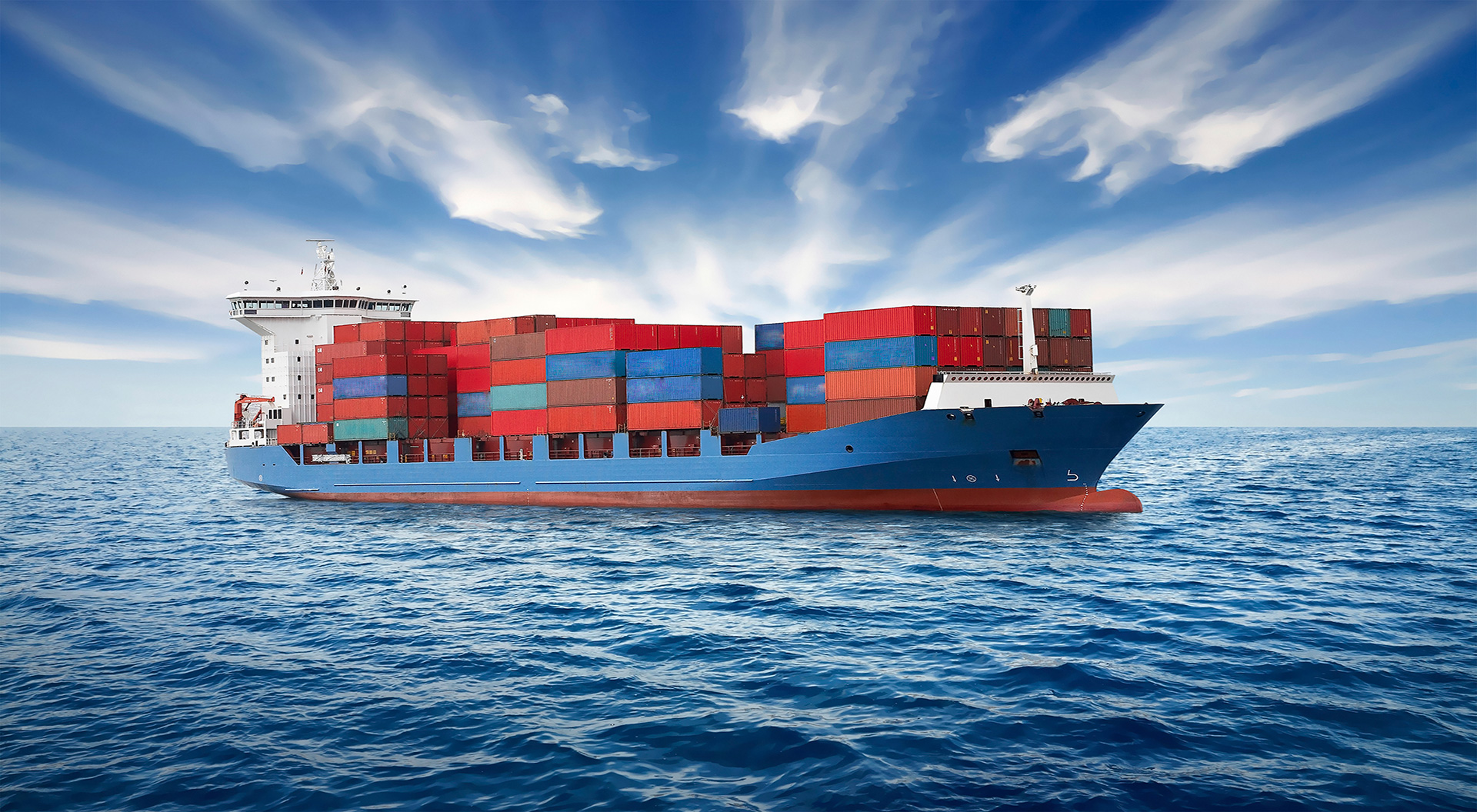
TopChinaLogistics provides reliable and fully integrated logistics solutions for shipping from China to Mongolia, covering sea freight, air freight, and professionally managed door-to-door delivery services. With extensive experience on China–Mongolia trade routes and inland logistics operations, we help importers achieve stable transit times, optimized freight costs, and clear shipment coordination across every logistics stage.
From export documentation and cargo handling in China to customs coordination and inland delivery across Mongolia, our experienced team manages each step with precision. Whether shipping machinery, construction materials, mining equipment, electronics, consumer goods, or general commercial cargo, TopChinaLogistics delivers secure, efficient, and well-organized logistics solutions tailored to Mongolia-bound shipments.
Our sea freight service from China to Mongolia supports both FCL and LCL shipments. Cargo departs from major Chinese ports such as Tianjin, Shanghai, and Qingdao, then moves via bonded transit and onward inland transportation by rail or truck to Mongolia.
Sea freight is a cost-effective solution for large-volume and non-urgent cargo, offering stable routing, flexible capacity, and reliable transit planning for Mongolia-bound shipments.

TopChinaLogistics offers structured and reliable air freight services from China to Mongolia for urgent or high-value shipments. We arrange departures from Beijing, Tianjin, Hohhot, Shanghai, and Guangzhou, with direct or connecting flights to Chinggis Khaan International Airport (ULN).
This service is suitable for time-sensitive cargo such as electronics, spare parts, medical supplies, and priority commercial goods, ensuring accurate documentation and predictable handling.
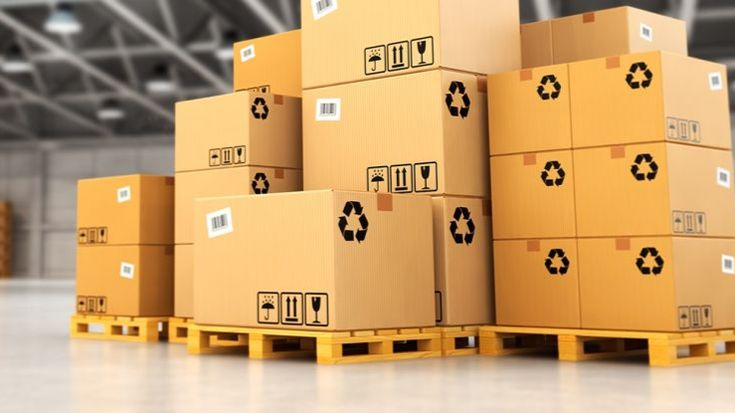
Our door-to-door shipping service from China to Mongolia provides a fully managed logistics solution from factory pickup to final delivery. TopChinaLogistics handles export clearance in China, cross-border transportation, Mongolia import customs clearance, duties & tax coordination, and last-mile delivery to your warehouse, mine site, factory, or business address. This service reduces coordination workload, improves shipment control, and ensures smooth cargo movement from origin to destination.

TopChinaLogistics provides professional Full Container Load (FCL) shipping from China to Mongolia for shippers with medium to large cargo volumes. We support 20GP, 40GP, and 40HQ containers, offering exclusive container use, reduced cargo handling, and enhanced shipment security.
FCL shipping is well suited for mining equipment, machinery, construction materials, industrial equipment, and bulk commercial goods, with stable routing and organized delivery.
For smaller shipments, our Less than Container Load (LCL) service from China to Mongolia allows you to ship efficiently without booking a full container. Cargo is consolidated at our China warehouses, professionally packed and labeled, and shipped to Mongolia with coordinated deconsolidation and inland delivery.
LCL is a cost-effective option for SMEs, spare parts, samples, and small commercial consignments, providing professional handling and dependable logistics support.
Top China Logistics will provide most fuel efficient pickup service China
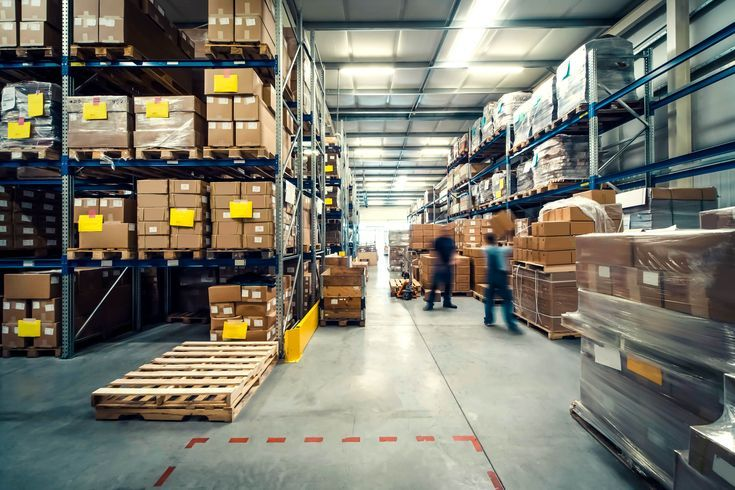
We provide free warehousing services for any of your goods.
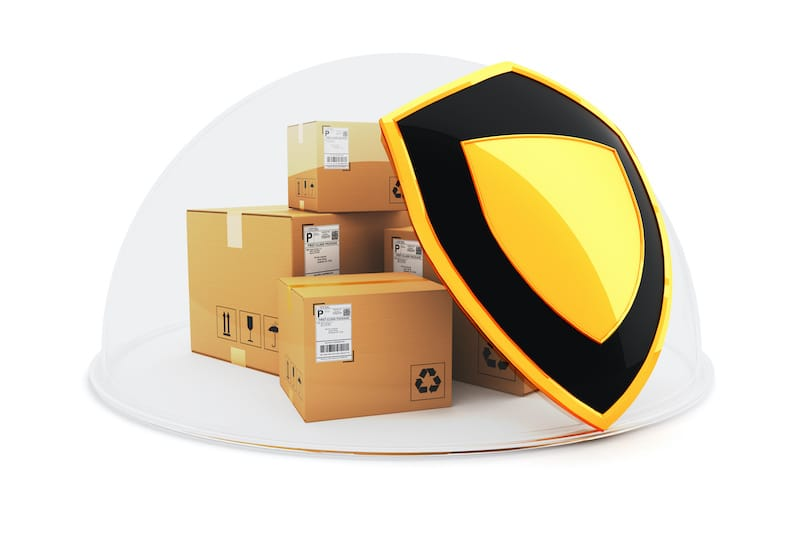
The cargo insurance protects your goods all the way to any Any FBA Warehouse
We handle all paperwork and other details for you.

Ensure safe packaging and loading of goods in your suppliers' factory.

Shipping from China to Mongolia can face challenges such as harsh weather conditions, complex customs procedures, and potential transportation delays. Ensuring proper documentation, using robust packaging, and partnering with experienced freight forwarders can help mitigate these issues.
When choosing a freight forwarder for shipping to Mongolia, consider their experience, customer reviews, compliance with regulations, and safety protocols. A reputable forwarder will provide reliable services and have a track record of successful shipments to Mongolia.
For fragile items, use bubble wrap, foam padding, and sturdy boxes to prevent damage during transit. Ensure that items are well-secured within the packaging and consider using double-boxing for extra protection.
Real-time tracking technology allows you to monitor the progress of your shipments, providing updates on location and status. This helps in promptly addressing any issues that may arise and ensures better communication with all parties involved.
For high-value shipments, comprehensive insurance policies are available that cover risks such as loss, theft, and damage. It is important to review the coverage details and consider additional insurance for items that require special protection.
Key regulations include compliance with customs procedures, safety standards, and environmental regulations. Accurate and complete documentation is essential to avoid delays, fines, and other penalties during the shipping process.
To ensure the security of shipments, use sealed containers, secure storage facilities, and implement monitoring during loading and unloading. Additionally, work with freight forwarders who have strong security protocols in place.
Risk assessment helps identify potential hazards during transit, allowing for the development of contingency plans. This proactive approach minimizes the impact of adverse conditions or delays and ensures smoother shipping operations.
Personnel handling hazardous materials should receive training on safety procedures, proper handling techniques, and emergency response protocols. This ensures compliance with regulations and reduces the risk of accidents during transit.
Continuous improvement practices involve regularly evaluating and updating safety protocols based on feedback and industry developments. This leads to increased efficiency, reduced risks, and enhanced reliability in shipping operations.
Operations deal with the way the vehicles are operated, and the procedures set for this purpose, and policies. In the transport industry, operat ions and ownership of infrastructure can be either country.