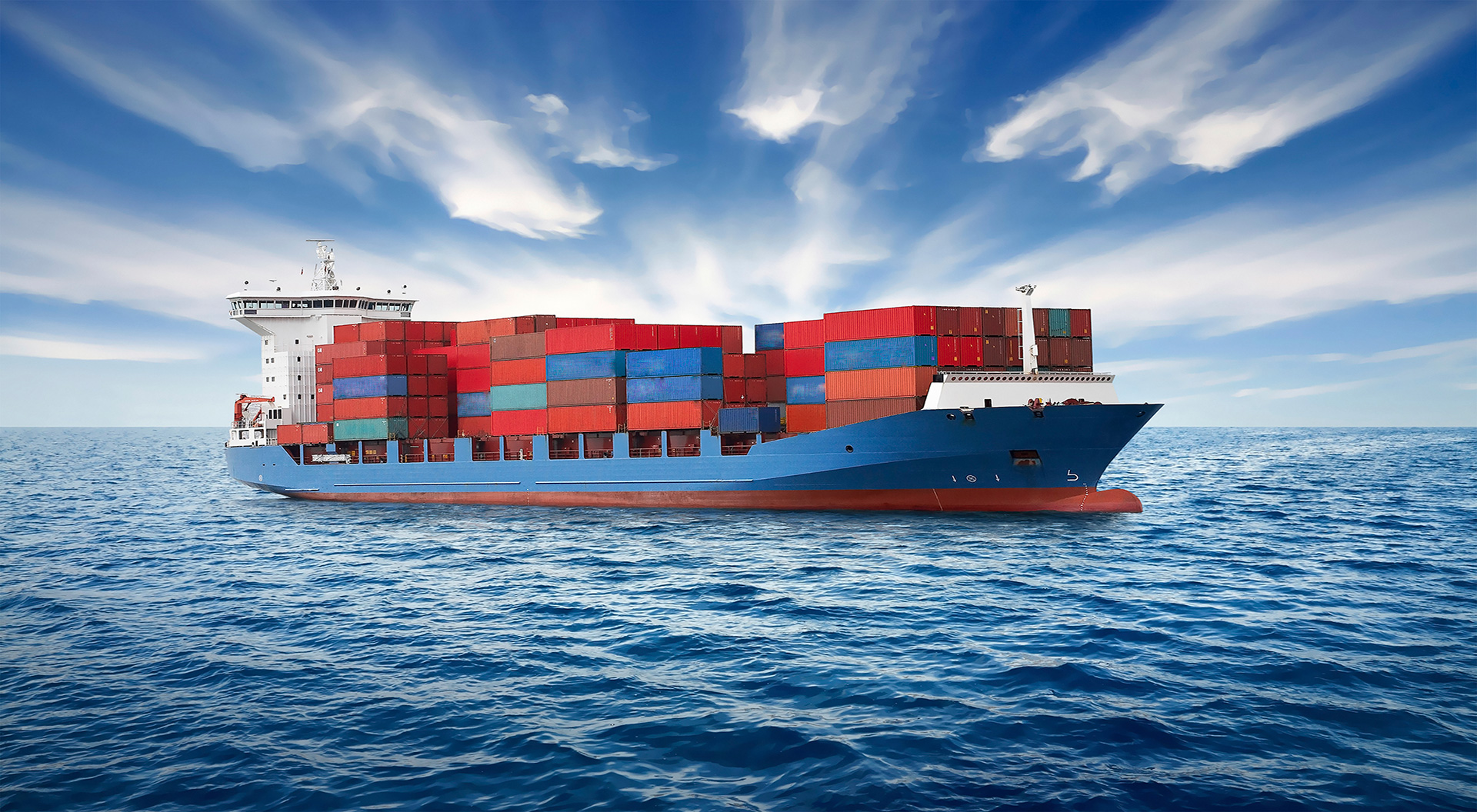
TopChinaLogistics provides reliable and fully integrated logistics solutions for shipping from China to the United Arab Emirates, covering sea freight, air freight, and professionally managed door-to-door delivery services. Leveraging strong China–Middle East trade experience and UAE hub advantages, we help importers achieve stable transit schedules, optimized freight costs, and full shipment visibility across every logistics stage.
From export documentation and cargo handling in China to customs coordination and inland delivery across the UAE, our experienced team manages each step with precision. Whether shipping construction materials, machinery, electronics, consumer goods, oil & gas equipment, or e-commerce cargo, TopChinaLogistics delivers secure, compliant, and scalable logistics solutions tailored to UAE-bound supply chains.
Our sea freight service from China to the UAE supports both FCL and LCL shipments, with departures from major Chinese ports such as Shenzhen, Shanghai, Ningbo, Qingdao, and Xiamen. Cargo is mainly discharged at Jebel Ali Port (Dubai), Khalifa Port (Abu Dhabi), or Port Rashid, followed by efficient inland trucking across the Emirates.
Sea freight is the most cost-effective option for large-volume and non-urgent cargo, offering stable sailing schedules, flexible capacity, and reliable transit times for UAE trade.
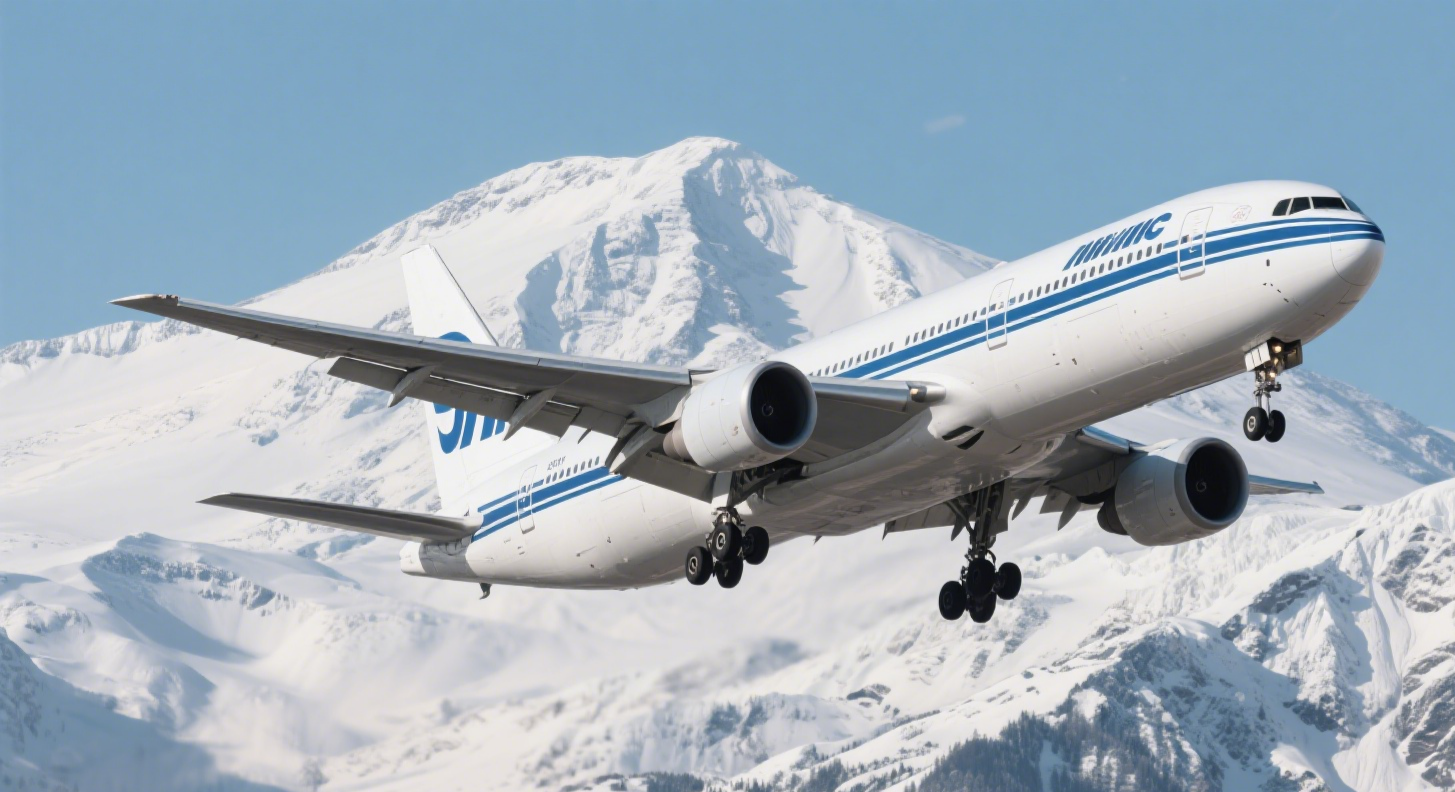
TopChinaLogistics offers fast and secure air freight services from China to the UAE for urgent or high-value shipments. We arrange departures from Shenzhen, Guangzhou, Shanghai, and Hong Kong, with direct or connecting flights to Dubai (DXB / DWC), Abu Dhabi (AUH), and Sharjah (SHJ).
This service is ideal for electronics, medical supplies, spare parts, samples, and time-sensitive cargo, ensuring priority handling, accurate documentation, and predictable delivery schedules.
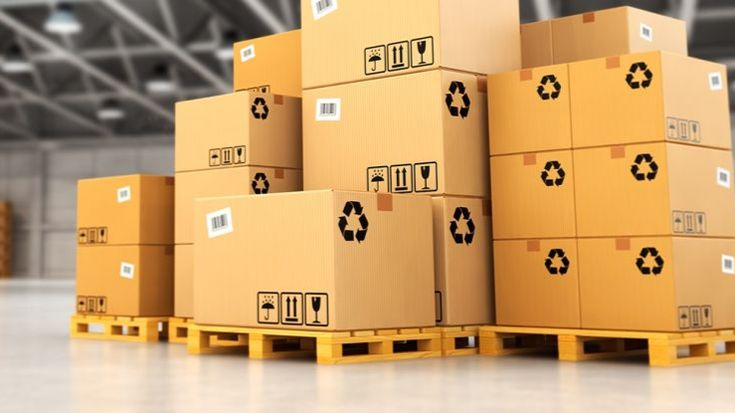
Our door-to-door shipping service from China to the UAE provides a fully managed logistics solution from factory pickup to final delivery. TopChinaLogistics handles export clearance in China, international transportation, UAE import customs clearance, duties & VAT coordination, and last-mile delivery to your warehouse, project site, or business address. This solution minimizes coordination effort, reduces transit risks, and ensures compliance with UAE import regulations—ideal for importers seeking maximum convenience and a single point of responsibility.

TopChinaLogistics provides professional Full Container Load (FCL) shipping from China to the UAE for shippers with medium to large cargo volumes. We support 20GP, 40GP, and 40HQ containers, offering exclusive container use, reduced cargo handling, and enhanced shipment security.
FCL shipping is well suited for construction materials, industrial machinery, oil & gas equipment, furniture, and bulk commercial goods, with predictable transit times to major UAE ports.
For smaller shipments, our Less than Container Load (LCL) service from China to the UAE allows you to ship efficiently without booking a full container. Cargo is consolidated at our China warehouses, professionally packed and labeled, and shipped to the UAE with reliable deconsolidation and inland delivery.
LCL is a cost-effective solution for SMEs, trial orders, spare parts, and e-commerce cargo, providing professional handling, customs compliance, and dependable delivery across the UAE.
Top China Logistics will provide most fuel efficient pickup service China
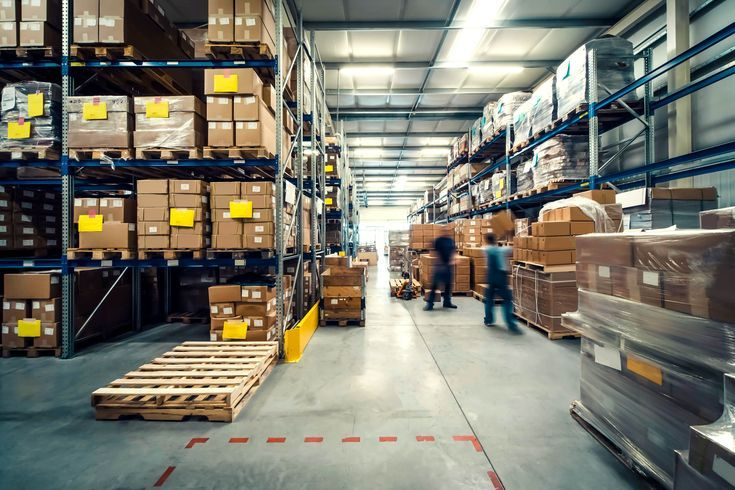
We provide free warehousing services for any of your goods.
The cargo insurance protects your goods all the way to any Any FBA Warehouse
We handle all paperwork and other details for you.

Ensure safe packaging and loading of goods in your suppliers' factory.

Air freight is the quickest option, taking 3–5 days to Dubai or Abu Dhabi airports. Emirates and China Eastern Airlines offer direct flights. For urgent small parcels, express couriers like DHL/UPS deliver in 3–5 days.
Sea freight rates start at $105 for a 20-foot container (18–25 days), while air freight averages $2.28–$10.50 per kg. Costs vary by route, cargo type, and season. LCL sea freight (shared container) is ideal for smaller shipments, costing $890+/cubic meter.
Mandatory documents include a commercial invoice, packing list, Bill of Lading/Air Waybill, and Certificate of Origin (Form E). Electronics may need CE certification, while food/medical goods require UAE Ministry of Health approval.
Partner with a freight forwarder for pre-clearance and accurate HS coding. Ensure compliance with UAE’s strict product safety standards (e.g., RoHS for electronics). Declare goods truthfully to avoid penalties.
A 5% import duty applies to most goods (excluding food/medical items), plus a 12% VAT on the CIF value (cost + insurance + freight). Luxury items like watches/jewelry may face higher duties (up to 30%).
Yes! LCL (Less-than-Container Load) services allow consolidation of goods from different suppliers, reducing per-unit costs. This is popular for e-commerce sellers using platforms like Amazon.ae.
Ports: Jebel Ali (Dubai), Abu Dhabi, and Sharjah.
Airports: Dubai International (DWC) and Abu Dhabi International (AUH) handle most air freight.
Reputable forwarders provide real-time tracking via blockchain or GPS. For air freight, use IATA’s Cargo 2000 standards for end-to-end visibility.
Door-to-door services include China pickup, international transport, UAE customs clearance (DDP option available), and local delivery. This is ideal for e-commerce businesses needing seamless logistics to Dubai Marina or Abu Dhabi Free Zones.
Look for companies with Arabic-speaking agents in Dubai, 24/7 support, and experience in UAE customs. Check certifications (e.g., IATA for air freight) and specialized services like temperature-controlled shipping for pharma goods.
Operations deal with the way the vehicles are operated, and the procedures set for this purpose, and policies. In the transport industry, operat ions and ownership of infrastructure can be either country.