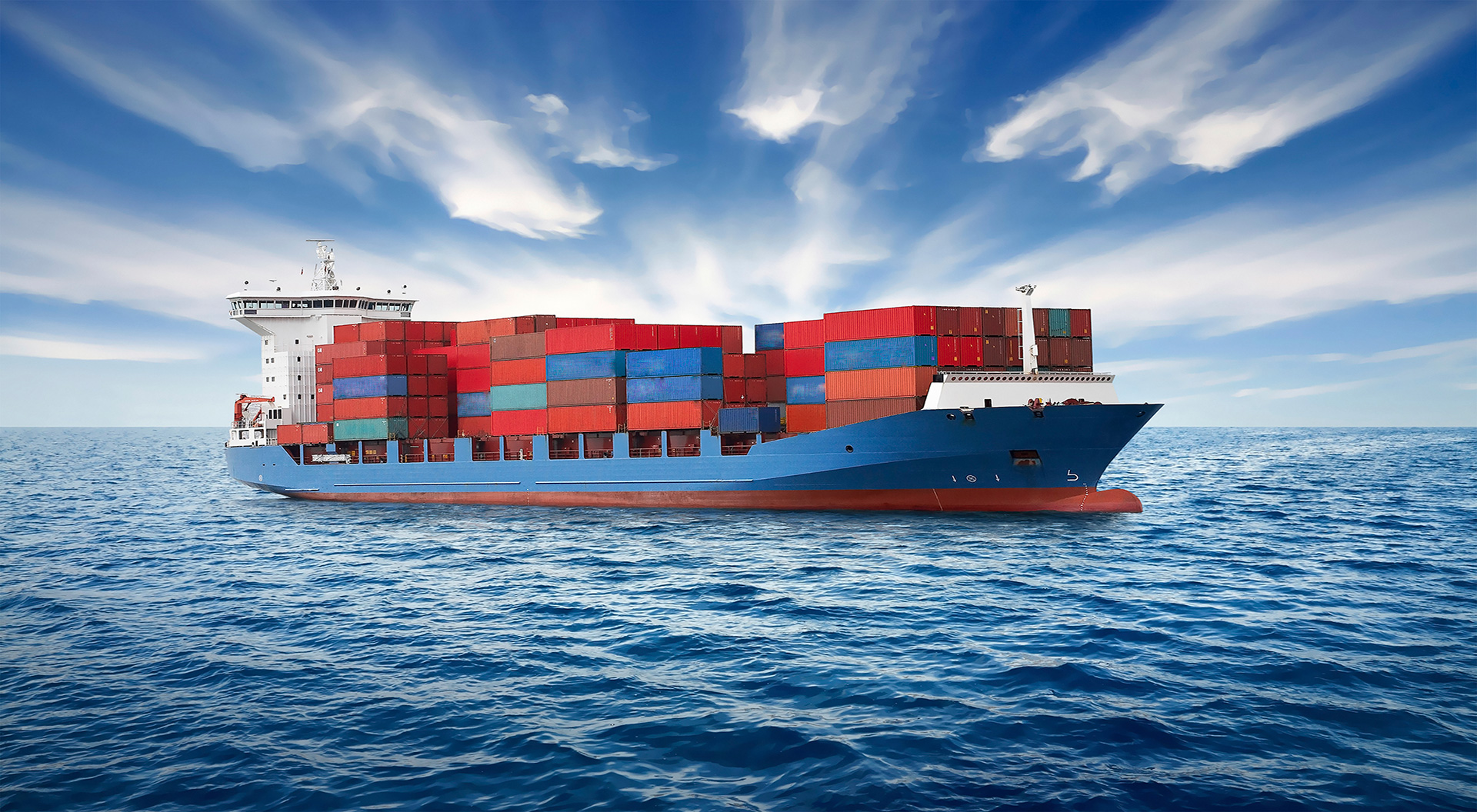
TopChinaLogistics provides reliable and fully integrated logistics solutions for shipping from China to Cambodia, covering sea freight, air freight, and professional door-to-door delivery services. With strong experience on China–ASEAN trade lanes, we help importers achieve stable transit times, optimized freight costs, and full shipment visibility across every transport stage.
From export documentation and cargo handling in China to customs coordination and inland delivery throughout Cambodia, our experienced team manages each step with precision. Whether shipping garments, electronics, construction materials, machinery, or e-commerce cargo, TopChinaLogistics delivers secure, compliant, and scalable logistics solutions tailored to Cambodia-bound supply chains.
Our sea freight service from China to Cambodia supports both FCL and LCL shipments, with frequent departures from major Chinese ports such as Shenzhen, Shanghai, Ningbo, Qingdao, and Xiamen. Cargo arrives primarily at Sihanoukville Port, followed by efficient inland trucking to Phnom Penh and other destinations across Cambodia.
Sea freight is the most cost-effective option for large-volume and non-urgent cargo, offering stable sailing schedules, flexible capacity, and reliable transit times for Cambodia trade.

TopChinaLogistics offers fast and secure air freight services from China to Cambodia for urgent or high-value shipments. We arrange departures from Shenzhen, Guangzhou, Shanghai, and Hong Kong, with direct or connecting flights to Phnom Penh International Airport and other regional gateways.
This service is ideal for electronics, fashion goods, medical supplies, and time-sensitive cargo, ensuring priority handling, accurate documentation, and predictable delivery schedules.
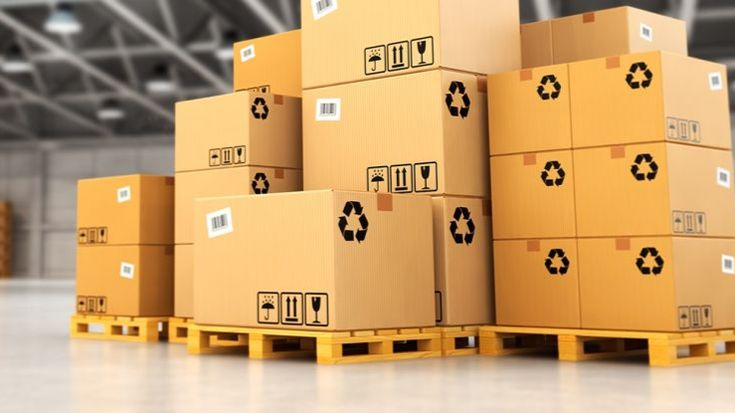
Our door-to-door shipping service from China to Cambodia provides a fully managed logistics solution from factory pickup to final delivery. TopChinaLogistics handles export clearance in China, international transportation, Cambodian import customs clearance, duties and tax coordination, and last-mile delivery to your warehouse, factory, or business address. This solution minimizes coordination effort, reduces transit risks, and ensures compliance with Cambodian import regulations—ideal for importers seeking maximum convenience and a single point of responsibility.

TopChinaLogistics provides professional Full Container Load (FCL) shipping from China to Cambodia for shippers with medium to large cargo volumes. We support 20GP, 40GP, and 40HQ containers, offering exclusive container use, reduced handling, and enhanced shipment security.
FCL shipping is well suited for machinery, furniture, building materials, and bulk commercial goods, with frequent sailings and predictable transit times to Cambodia.
For smaller shipments, our Less than Container Load (LCL) service from China to Cambodia allows you to ship efficiently without booking a full container. Cargo is consolidated at our China warehouses, professionally packed and labeled, and shipped to Cambodia with reliable deconsolidation and inland delivery.
LCL is a cost-effective solution for SMEs, trial orders, spare parts, and e-commerce cargo, providing professional handling, customs compliance, and dependable delivery across Cambodia.
Top China Logistics will provide most fuel efficient pickup service China
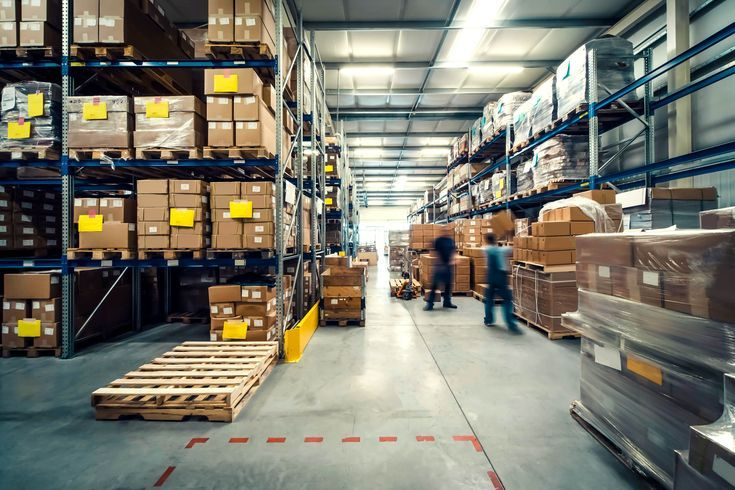
We provide free warehousing services for any of your goods.
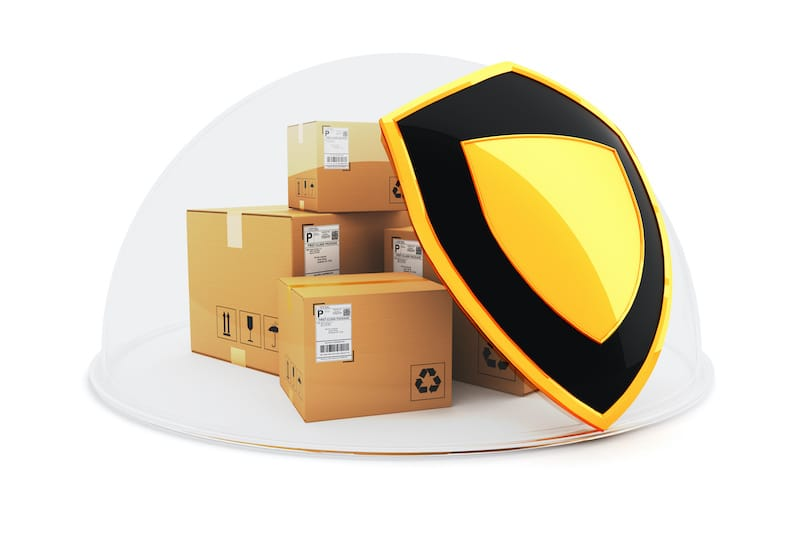
The cargo insurance protects your goods all the way to any Any FBA Warehouse
We handle all paperwork and other details for you.

Ensure safe packaging and loading of goods in your suppliers' factory.

Express air freight usually delivers within 1 to 3 days. Major carriers such as DHL, FedEx, and UPS offer expedited services that ensure quick transit times for urgent shipments.
Regular air freight is significantly faster than sea freight, typically taking 4 to 7 days for delivery. Sea freight can take several weeks, making air freight the preferred choice for quicker deliveries.
International courier services provide rapid delivery, door-to-door service, and real-time tracking. They are ideal for small parcels and documents, offering transit times of 1 to 4 days depending on the service level.
Charter flights should be considered for highly urgent shipments or high-volume cargo. They offer the fastest delivery times and can be scheduled to meet specific timing requirements, though they are often more expensive.
Express rail freight is a faster rail shipping option that delivers goods in approximately 7 to 10 days. It is used for time-sensitive shipments where air freight may not be feasible, offering a balance between speed and cost.
Shipping costs are influenced by factors such as shipment size, weight, delivery speed, and chosen method (air, sea, or rail). Additional costs may include customs fees, insurance, and fuel surcharges.
Most shipping services offer tracking options through their websites or apps. By entering the tracking number provided at shipment, you can monitor the progress and receive updates on your shipment’s status.
Customs requirements include providing accurate documentation, such as invoices and packing lists. Ensure compliance with Cambodian import regulations, including tariffs, taxes, and product-specific restrictions.
Yes, some shipping solutions offer combined air and sea freight services. These options, known as “air-sea” or “sea-air” freight, balance speed and cost by using air freight for part of the journey and sea freight for the rest.
Consider factors such as delivery speed, cost, shipment size, and urgency. For fast delivery, express air freight is ideal, while sea freight is more economical for non-urgent shipments. Ensure the chosen method meets your specific needs.
Operations deal with the way the vehicles are operated, and the procedures set for this purpose, and policies. In the transport industry, operat ions and ownership of infrastructure can be either country.