Top China Logistics provides reliable and cost-effective shipping solutions from China to Lithuania, supporting importers, manufacturers, distributors, and trading companies across multiple industries. With strong experience in China–Europe trade routes and Baltic logistics networks, we deliver secure, efficient, and compliant logistics services tailored to your cargo type, delivery timeline, and budget.
From origin pickup in China to final delivery across Lithuania via established European transport corridors, our professional logistics team manages every stage of the shipping process, including transportation planning, customs clearance coordination, and inland distribution. Whether shipping commercial goods, industrial equipment, or consolidated cargo, Top China Logistics ensures smooth, timely, and hassle-free China-to-Lithuania shipping solutions.
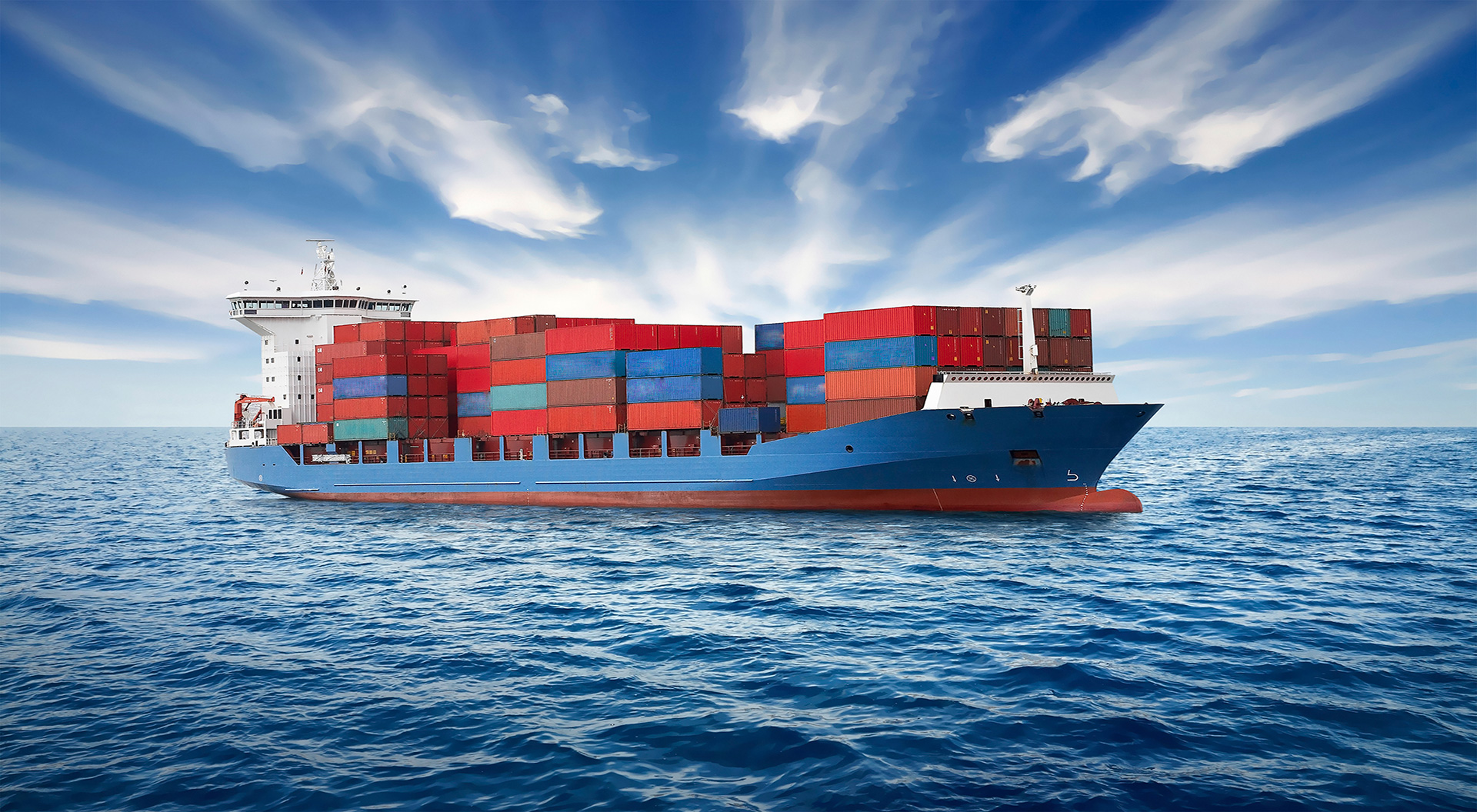
Top China Logistics offers dependable sea freight services from China to Lithuania via major European gateway ports, providing cost-efficient solutions for large-volume and commercial shipments. We operate through major Chinese ports with reliable ocean carrier partnerships to ensure stable sailing schedules. After arrival at European ports, our team coordinates onward inland transportation to Lithuanian ports and inland destinations, ensuring secure handling and consistent transit performance throughout the logistics chain.
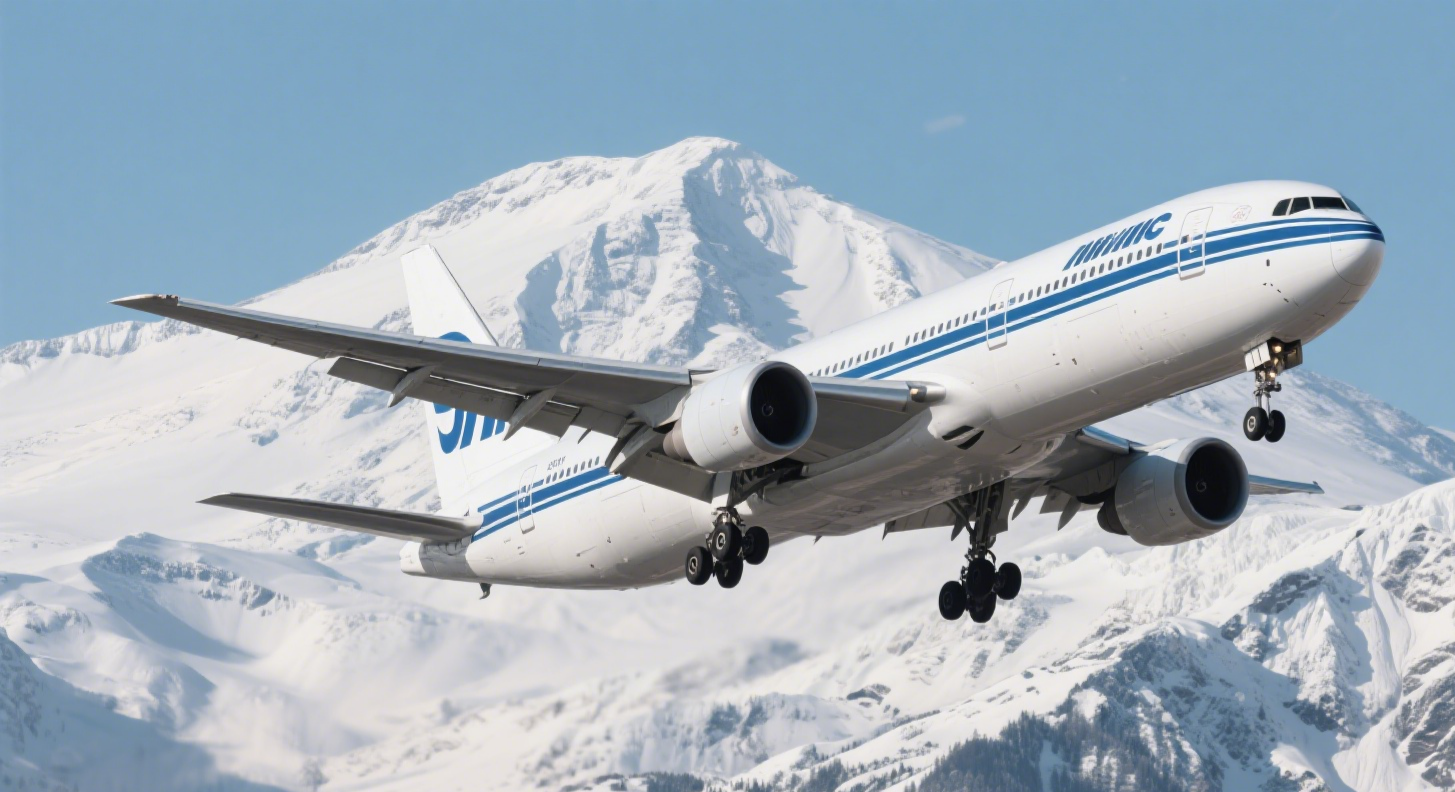
Top China Logistics delivers fast and secure air freight services from China to Lithuania, ideal for urgent, time-sensitive, or high-value cargo. We carefully select suitable airlines and European hub airports based on your delivery requirements and cargo characteristics. With professional handling and optimized routing, we ensure reliable air transportation into the Baltic region, helping businesses reduce lead times and maintain supply chain continuity.

Top China Logistics provides reliable rail freight services from China to Lithuania, offering an efficient balance between transit time and transportation cost. By leveraging established China–Europe railway corridors, cargo is transported directly to key Baltic rail terminals, ensuring stable schedules and predictable delivery performance. Rail freight is ideal for commercial cargo that requires faster transit than sea freight while remaining more cost-effective than air freight. With professional coordination and end-to-end visibility, Top China Logistics delivers dependable rail shipping solutions supporting Lithuania-bound logistics.

Top China Logistics specializes in FCL (Full Container Load) shipping from China to Lithuania, designed for full-container and high-volume shipments. We manage ocean or rail transportation, inland routing, and customs coordination with precision.
From ports of loading in China to destination rail terminals and inland locations across Lithuania, our team ensures reliable delivery and full control over your containerized cargo.
Top China Logistics offers flexible LCL (Less than Container Load) shipping services from China to Lithuania, ideal for smaller or mixed shipments. Through our consolidation network and regional coordination, we help optimize shipping costs while maintaining reliable transit performance.
From origin consolidation to destination deconsolidation, each step is professionally handled to ensure smooth cargo movement. Our LCL solutions balance affordability, reliability, and careful cargo handling throughout the shipping journey.
Top China Logistics will provide most fuel efficient pickup service China
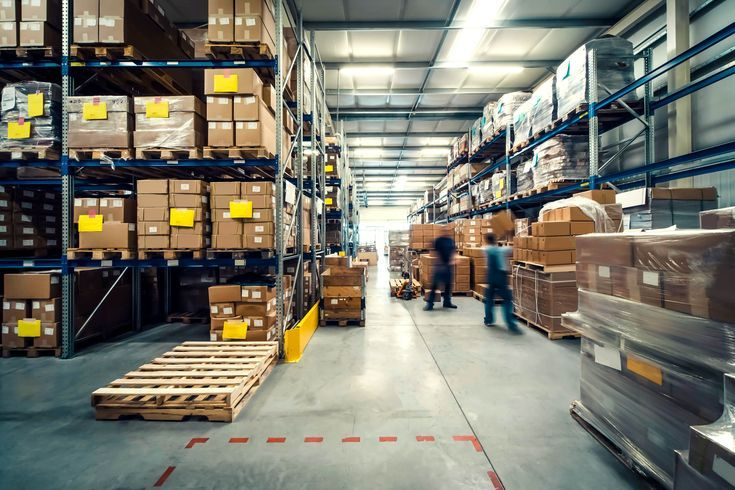
We provide free warehousing services for any of your goods.
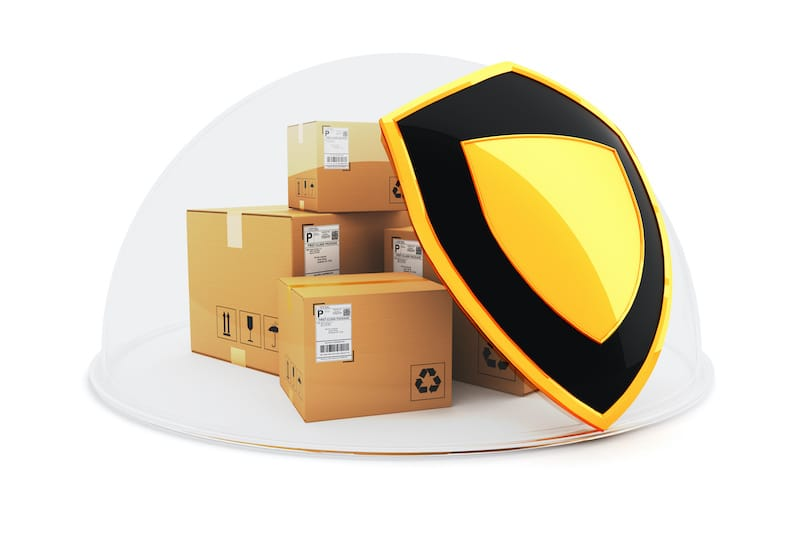
The cargo insurance protects your goods all the way to any Any FBA Warehouse
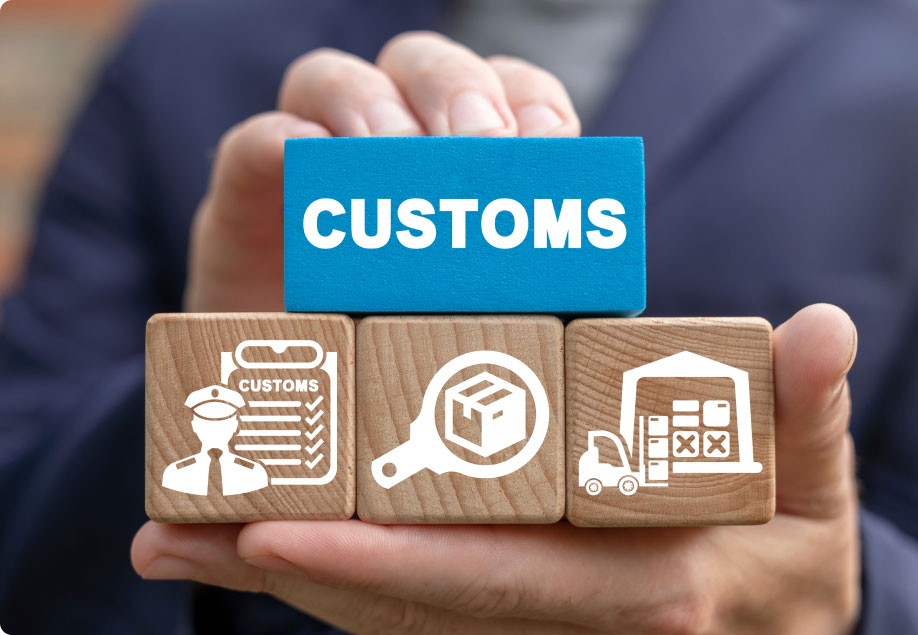
We handle all paperwork and other details for you.

Ensure safe packaging and loading of goods in your suppliers' factory.
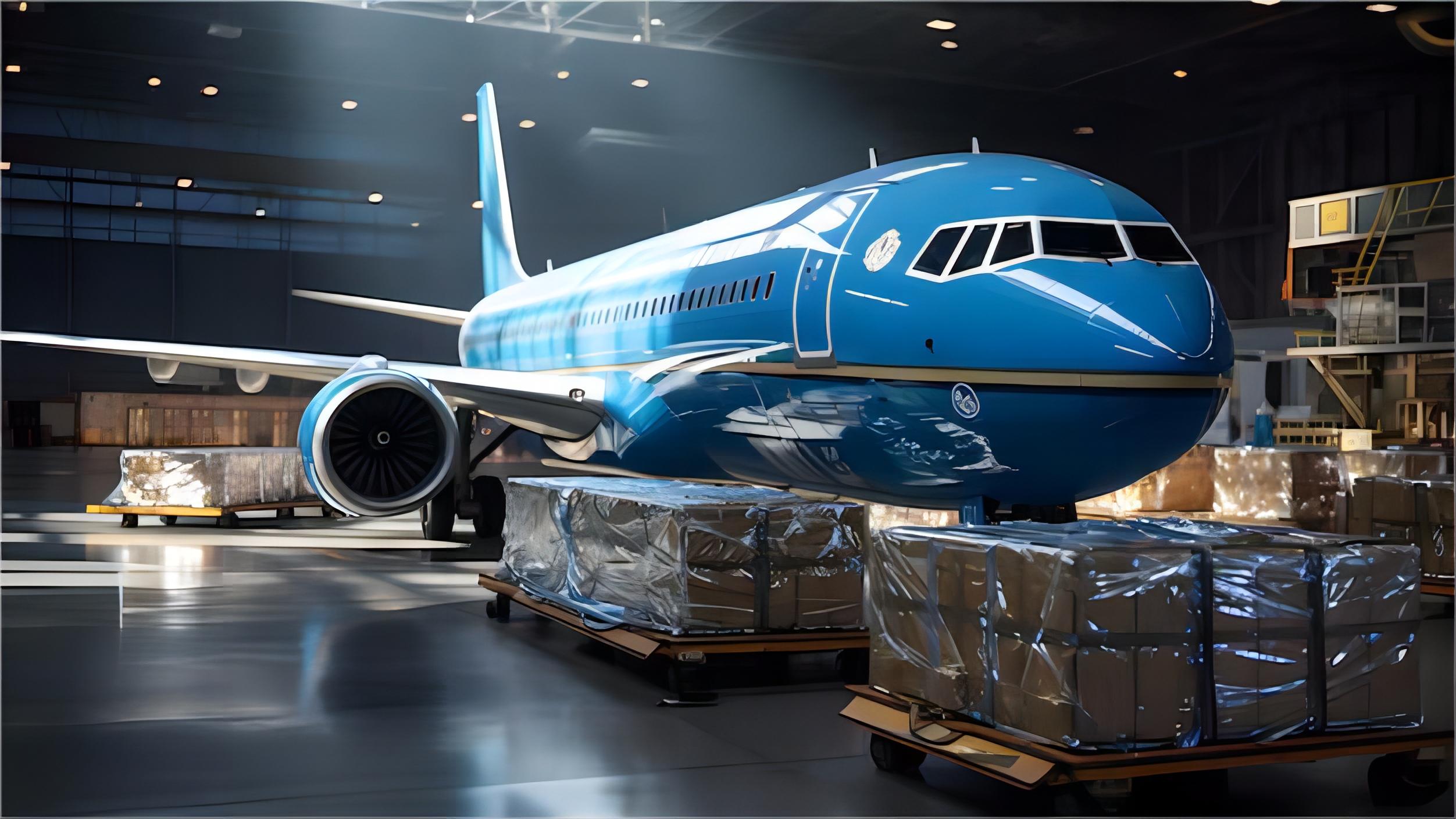
Air freight to Vilnius Airport typically takes 5–7 days via carriers like Lufthansa or Turkish Airlines. This option is best for high-value goods or urgent orders, with prices starting at $2.28–$10.50 per kg.
Mandatory documents include a commercial invoice, packing list, Bill of Lading/Air Waybill, and a Certificate of Origin (Form E). Electronics must have CE certification, while food/medical goods require approval from Lithuania’s State Food and Veterinary Service.
Partner with a freight forwarder to pre-clear goods through EU customs. Ensure accurate HS coding and compliance with EU safety standards (e.g., RoHS for electronics). Declare goods truthfully to avoid penalties.
Lithuania applies a 5% import duty on most goods (excluding food/medical items) and a 21% VAT on the CIF value (cost + insurance + freight). Luxury items like jewelry may face higher duties (up to 30%).
Yes! LCL (Less-than-Container Load) sea freight allows consolidation of goods from different suppliers, reducing costs. Rates start at $890 per cubic meter, ideal for e-commerce sellers or small businesses.
Rail offers a balance of speed (18–22 days) and cost, with routes connecting China to Vilnius/Kaunas via Belarus. It’s ideal for electronics or automotive parts, with climate-controlled options and duty-free transit through EU zones.
Reputable forwarders provide real-time tracking via blockchain or GPS. For air/rail freight, use IATA’s Cargo 2000 standards or railway-specific tracking systems for end-to-end visibility.
Door-to-door services cover China pickup, international transport, EU customs clearance (DDP option available), and local delivery to addresses in Vilnius, Kaunas, or Klaipėda. Some providers include free 14-day storage in China.
Look for companies with EU customs expertise, local agents in Vilnius, and experience handling Lithuania’s key imports (e.g., crude oil, machinery). Check certifications like IATA for air freight and ensure they offer specialized services like temperature-controlled logistics for pharma goods.
Operations deal with the way the vehicles are operated, and the procedures set for this purpose, and policies. In the transport industry, operat ions and ownership of infrastructure can be either country.