

What Should I Do When Freight Rates Suddenly Rise: A Strategic Logistics Guide
When global supply chain dynamics shift and you find yourself asking what should i do when freight rates suddenly rise, the immediate impact on your margins requires a calculated, data-driven response. Rapid cost escalations often stem from sudden capacity constraints or fuel adjustments, making it essential to audit your current logistics procurement strategy. By partnering with Top China Logistics, you gain access to real-time market intelligence and flexible routing options that mitigate sudden price spikes. This comprehensive guide details how to optimize your freight spend, re-evaluate transport modes, and maintain operational continuity despite volatile market conditions.

Key Takeaways
A 40HQ container typically holds 65–70 CBM of dense cargo, which remains the most cost-effective unit for high-volume ocean freight.
Air freight chargeable weight is calculated as the higher of actual weight or volumetric weight (L x W x H cm / 6000), often requiring a 45kg minimum billing.
Shippers should aim to consolidate at least 15–20 CBM of LCL cargo to justify the administrative and terminal handling fees associated with partial shipments.
Implementing a 14-day booking window for ocean freight helps secure space ahead of peak season surcharges and sudden capacity shifts.
When Should You Seek Professional Logistics Assistance?

Seeking professional guidance is crucial the moment you observe sustained upward pressure on your landed costs or frequent service disruptions. If your internal team spends more than ten hours weekly managing carrier disputes or re-booking shipments due to capacity issues, the operational drag is likely costing more than a third-party partnership. Proactive logistics management allows you to leverage expert networks that provide visibility into upcoming rate hikes before they hit your balance sheet.
When market capacity tightens, independent shippers often find themselves at the end of the priority queue, leading to rolling bookings and increased demurrage risks. A professional forwarder monitors port congestion and regional demand shifts, ensuring your cargo is positioned at the most efficient gateway. Failure to engage experts during market volatility can result in ‘spot rate’ exposure, where you pay double the contract rate for the same transit window.
Mitigation begins with a comprehensive audit of your current shipping volume and seasonal requirements to determine if you need a dedicated logistics provider. By establishing a professional engagement early, you gain access to pre-negotiated carrier contracts and specialized industry insights. Regularly review your shipping data to identify recurring capacity bottlenecks and address them before they compromise your entire supply chain infrastructure.
Field note: Focus on high-impact surcharges.
Common mistake: Waiting until the peak season is already in full swing.
Risk alert: Unmanaged demurrage can exceed the value of the goods.
Which Freight and Fulfillment Options Should You Compare First?
Comparing freight modes requires balancing your inventory turnover rates against the total landed cost of each shipping method. When rates rise, the traditional preference for ocean freight may shift toward rail or multi-modal solutions that offer a middle ground between cost and speed. You must calculate the ‘cost of capital’ locked in transit when deciding between slower ocean transit and faster, more expensive air freight options.
Your decision-making process should involve a rigorous comparison of transit times, carrier reliability, and the specific requirements of your destination market. For instance, LCL shipments might offer lower upfront freight costs, but the increased risk of damage through multiple handoffs and higher destination handling fees can negate those savings. Always compare the full door-to-door quote rather than just the port-to-port ocean freight rate to get an accurate picture of your true financial exposure.
To optimize your strategy, evaluate the flexibility of your warehouse services to handle varying inbound volumes. If your cargo is destined for retail shelves, consider using regional distribution centers to buffer against sudden lead-time fluctuations. By maintaining a mix of shipping options, you create a resilient supply chain that can pivot instantly when one specific mode experiences a sudden, unmanageable rate increase or capacity crunch.
| Equipment Type | Internal Volume (CBM) | Max Payload (kg / lbs) | Optimal Commodity Fit |
|---|---|---|---|
| 20ft Standard (20GP) | 28–30 CBM (26 usable) | 21,800 kg / 48,000 lbs | Dense, heavy cargo (machinery, auto parts, metals) |
| 40ft Standard (40GP) | 58–60 CBM (54 usable) | 26,500 kg / 58,400 lbs | General packaged cargo, standard palletized loads |
| 40ft High Cube (40HQ) | 68–76 CBM (68 usable) | 26,500 kg / 58,400 lbs | Bulky, lightweight goods (furniture, textiles, electronics) |
| 45ft High Cube (45HQ) | 85–86 CBM (78 usable) | 27,500 kg / 60,600 lbs | High-volume consumer retail distribution |
Field note: Focus on total landed cost.
Common mistake: Ignoring destination handling fees in total cost analysis.
Risk alert: LCL handling costs often surprise inexperienced importers.
How Do FCL, LCL, and Express Services Differ for Your Cargo?
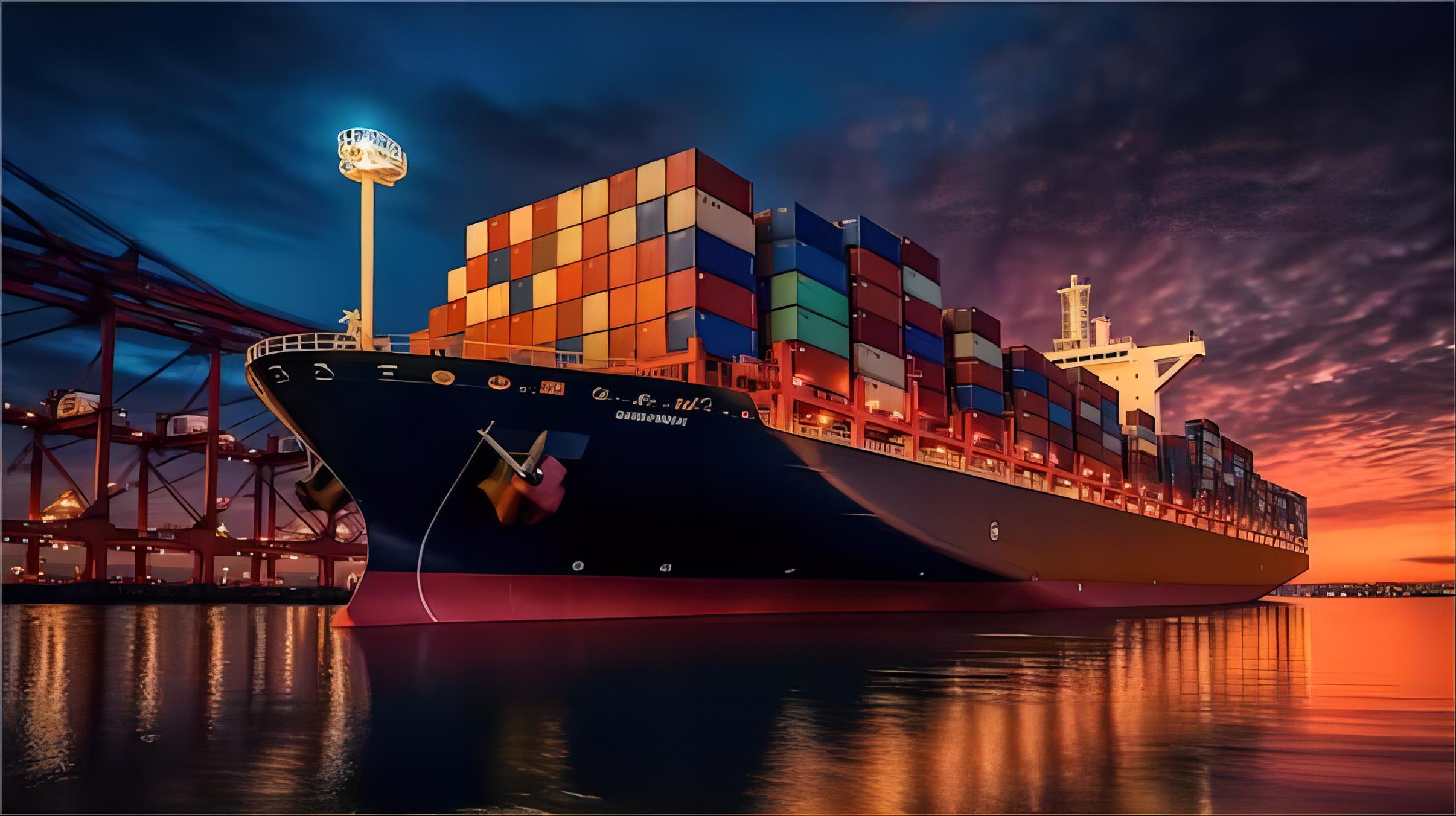
FCL services provide the most secure and predictable environment for large shipments, as your goods travel in a sealed container from origin to destination. This mode minimizes handling risks and is usually the most cost-effective per cubic meter when you can maximize the container’s capacity. However, during periods of rising rates, the cost of an empty or half-full container becomes a significant liability that must be addressed through better load planning.
LCL is ideal for smaller shipments that do not fill a full container, allowing you to pay only for the space you occupy. While this saves money, it introduces complexities such as consolidation delays at origin and deconsolidation at destination, which can add significant time to your total transit. Express services, while the most expensive, provide the highest speed and reliability, making them the preferred choice for critical inventory or high-value components that cannot afford any downtime.
Understanding which service best fits your cargo type is essential for managing your logistics budget effectively. If you are shipping industrial machinery, FCL is non-negotiable due to safety requirements; conversely, small batches of retail goods are perfectly suited for LCL or express services. Review your freight forwarding requirements quarterly to ensure your shipping strategy aligns with both your current budget and your long-term growth objectives.
Field note: Mode comparison for cost-conscious shippers.
Common mistake: Using LCL for high-value goods prone to damage.
Risk alert: Consolidation delays can often double transit time.
What Timeline Should You Expect from Pickup to Final Delivery?
The total transit timeline is composed of several critical milestones, including origin drayage, customs export filing, main-haul transit, and final delivery logistics. When freight rates rise, carriers often prioritize high-volume accounts, which may lead to longer dwell times for smaller shippers if not properly managed. Establishing a clear timeline with your logistics partner is the best way to set expectations for your internal stakeholders and customers.
Effective planning requires factoring in potential buffer days for customs inspections and port congestion, which are common in busy trade lanes. For example, if you are importing via ocean, you must account for the time required to clear customs at the POD and arrange for final drayage to your warehouse. A delay in any of these segments can cause a domino effect, leading to missed sales opportunities and increased storage fees at the destination terminal.
To ensure a smooth flow, maintain a transparent communication channel with your customs broker and freight forwarder. By tracking each milestone, you can identify where delays occur and take corrective action before they impact your final delivery date. Always build in a 10-15% time buffer in your planning to account for unforeseen events, ensuring your supply chain remains robust even during periods of market instability and high cargo volume.
| Milestone | Typical Window | Owner | Delay Risk if Missed |
|---|---|---|---|
| Origin pickup / CY gate-in | T-5 to T-2 days before ETD | Shipper / drayage | Rolled booking & demurrage at origin |
| Border / port arrival | Mode-specific ETA band | Carrier / broker | Detention & storage accrual |
| Customs release | 24–72h after arrival (mode-dependent) | Licensed broker | Terminal hold & delivery slip |
| Final delivery appointment | Within free-time window | Consignee / carrier | Driver detention & re-delivery fees |
Field note: Focus on realistic transit windows.
Common mistake: Underestimating the time for import customs clearance.
Risk alert: Port congestion can add 7+ days to transit.
How Are Landed Costs and Service Fees Typically Structured?
Landed costs encompass every expense incurred from the factory floor to your final warehouse delivery, including freight, duties, insurance, and handling fees. When freight rates rise, it is vital to break down your landed cost structure to identify which specific components are driving the increase. Many shippers focus solely on the base freight rate, ignoring the significant impact of destination surcharges and administrative fees that often vary based on carrier and service level.
Service fees, such as terminal handling charges, documentation fees, and security surcharges, are often added to your invoice as separate line items. Understanding these fees is critical for accurate budgeting and for negotiating better terms with your service providers. If you only look at the base ocean rate, you are likely missing 20-30% of your total logistics cost, which can lead to significant budgetary shortfalls during volatile market conditions.
We recommend reviewing your logistics services agreement to clarify what is included in your base quote and what is considered an extra charge. Transparency in fee structure allows for better cost forecasting and helps you compare quotes from multiple providers on an apples-to-apples basis. Always ask for a detailed breakdown of all potential accessorials before committing to a shipping contract to avoid unpleasant surprises when the final invoice arrives.
Field note: Focus on total landed cost components.
Common mistake: Ignoring destination handling charges in budgeting.
Risk alert: Unexpected currency adjustment factors can impact final invoices.
Which Documents and Compliance Checks Are Required?
Accurate documentation is the backbone of international trade and is essential for ensuring that your cargo moves through customs without delays. Required documents typically include a commercial invoice, a packing list, and a mode-specific transport document like a Bill of Lading or Air Waybill. Any discrepancy between these documents can trigger customs inspections, leading to fines and significant delays in your delivery schedule.
Compliance checks are not just a regulatory requirement; they are a necessary step to protect your business from legal and financial risks. Ensure that your HTS codes are correct, as misclassification can lead to incorrect duty payments and potential audits by national customs authorities. Furthermore, verify that your suppliers have provided all necessary certifications, especially for regulated goods such as electronics or food products, which require specific import permits.
To streamline your import logistics, maintain a digital repository of all shipping documents for every shipment. This practice makes it easier to respond to customs inquiries and provides a clear audit trail for your internal records. If you are unsure about specific regulatory requirements, consult with a professional customs broker to ensure you are meeting all legal obligations for your destination country, thereby minimizing the risk of cargo being held at the border.
| Document / Filing | Submission Window | Responsible Party | Clearance Impact |
|---|---|---|---|
| Customs Import Declaration | Prior to cargo discharge | Licensed Broker / Consignee | Terminal demurrage |
| Commercial Invoice & Packing List | Before vessel departure | Shipper / Exporter | Documentation hold |
| Master / House Bill of Lading | Post-departure confirmation | Freight Forwarder | Release freeze |
| Certificate of Origin (if req) | Prior to import duty assessment | Chamber of Commerce | Loss of tariff relief |
Field note: Focus on compliance and documentation accuracy.
Common mistake: Inconsistent descriptions between invoice and packing list.
Risk alert: Customs fines can be substantial for misdeclared goods.
How Do Peak Seasons and Capacity Changes Affect Your Plan?
Peak seasons, typically driven by major holidays and retail cycles, exert immense pressure on global logistics capacity, often leading to sharp rate increases. During these times, carriers often implement general rate increases (GRI) and peak season surcharges, which can quickly erode your profit margins if not planned for. Successful shippers anticipate these periods and secure space well in advance, often booking containers weeks before the actual cargo ready date.
Capacity changes can also be influenced by geopolitical events, labor strikes, and unexpected port disruptions, all of which require a flexible logistics strategy. When capacity is tight, it is often necessary to diversify your carrier mix and explore alternative gateways to avoid the most congested ports. Maintaining strong relationships with multiple freight forwarding partners provides you with the leverage needed to navigate these periods of uncertainty.
To mitigate the risks associated with peak seasons, develop a data-driven forecast of your shipping needs and share it with your logistics provider early. By providing visibility into your upcoming volume, you enable your partners to negotiate better space allocations on your behalf. Always have a contingency plan in place, such as identifying alternative shipping modes or secondary suppliers, to ensure your business remains operational even when the primary logistics channels face significant disruption.
Field note: Focus on peak season strategies.
Common mistake: Failing to book space at least 3 weeks in advance.
Risk alert: Last-minute bookings in peak season lead to rolling.
What Is the Step-by-Step Process from First Quote to Delivery?
The logistics process begins with a detailed inquiry where you define your cargo volume, weight, and delivery timeline. Once the quote is accepted, your forwarder coordinates with the supplier for pickup and ensures all export documentation is in order. This initial stage is critical, as any errors in the early documentation phase will inevitably lead to complications down the line, potentially delaying the entire shipment.
After the cargo is loaded and en route, your logistics partner manages the main-haul transit and provides regular tracking updates. As the vessel or aircraft approaches the destination, the focus shifts to import customs clearance, where the broker submits the necessary filings to the national authorities. Efficient customs clearance is paramount, as it allows your cargo to be released from the port terminal as soon as it arrives, avoiding expensive dwell and storage fees.
The final step is the coordination of local drayage or trucking to bring your cargo from the port to your final warehouse or distribution center. At this stage, ensure that your receiving dock is ready to accept the cargo, as any delay in offloading can lead to driver waiting time charges. By following this structured approach and working with a professional team, you can ensure that your goods move efficiently from origin to destination, minimizing cost and maximizing reliability.
Field note: Focus on the end-to-end operational flow.
Common mistake: Neglecting to coordinate drayage with the warehouse arrival.
Risk alert: Missing a customs window can lead to terminal storage.
Decision Framework
By volume: For shipments exceeding 15 CBM, FCL remains the standard; for <15 CBM, consolidate via LCL or air to minimize per-unit costs.
By speed: Prioritize air freight for high-value or time-sensitive inventory; use ocean for baseline stock to preserve capital.
By cargo profile: Dense industrial goods are optimized for FCL; fragile or high-value electronics require air freight to reduce handling risks.
Real-World Corridor Case Studies
A manufacturer faced a sudden 40% rate spike during the peak season for a 45 CBM shipment of industrial electrical components. By shifting to a multi-modal rail solution, we bypassed port congestion in Europe while maintaining a competitive landed cost. The shipment arrived within 22 days, significantly faster than the available ocean alternatives at the time.
A retail brand required urgent delivery of 12 pallets of home decor. We utilized a consolidated LCL strategy with pre-clearance services to ensure the goods moved directly from the port to the warehouse without storage delays. This proactive coordination avoided $800 in potential terminal demurrage fees during a period of high port activity.
Navigating Freight Volatility with Confidence
When you ask what should i do when freight rates suddenly rise, the answer lies in proactive planning, diversified logistics strategies, and expert partnership. By understanding your cost drivers and maintaining visibility over your supply chain, you can effectively navigate market volatility and keep your business operations running smoothly.
Take the first step toward a more resilient supply chain by auditing your current logistics processes and exploring more efficient routing options. We are ready to help you optimize your freight spend and ensure your goods reach their destination on time and within budget.
Process and Checkpoints
Inquiry and Route Analysis
Define cargo specifications and identify the most reliable transit lane for your budget and timeline.
Documentation Verification
Ensure all commercial invoices and packing lists are compliant with destination customs regulations.
Carrier Allocation
Secure space with vetted carriers to avoid peak season rolling and capacity constraints.
Export Customs Filing
Submit required documentation to origin authorities to ensure smooth vessel or aircraft loading.
Import Clearance
Pre-file customs entries to ensure immediate cargo release upon arrival at the destination port.
Final Mile Delivery
Coordinate efficient drayage to your warehouse to finalize the door-to-door transit process.
Confirm the right route for your shipment
Ready to stabilize your logistics costs? Contact our team today to get an itemized, transparent freight quote tailored to your business needs.
Request a route reviewFrequently Asked Questions
What is the Importer of Record (IOR) role under DDP door delivery?
The IOR is legally responsible for entry filings, duties, and compliance; without one, cargo can be seized.
Which fees are often excluded from headline DDP quotes?
Customs exams, liftgate/residential delivery, and storage during tax review frequently sit outside base DDP.
How does HS code misclassification change the all-in DDP duty line?
Wrong HS chapters can raise duty rates materially and trigger amendments, exams, or bond issues.
When should buyers request a continuous bond instead of single-entry bonds?
High-frequency or high-value importers usually need a continuous bond to avoid per-shipment shortfalls.
What happens if destination customs holds a DDP shipment for exam?
Exam fees plus yard or rail-terminal storage accrue until release—even when freight and duties were prepaid under DDP.
How can shippers control demurrage, detention, or terminal storage after a customs hold?
Pre-lodge entry data, keep HS/value packs audit-ready, and escalate broker responses inside free time before last-mile trucks are dispatched.
Freight rates and surcharges are subject to significant fluctuation based on market demand and carrier capacity. Please contact our team for an up-to-date, itemized quotation.
This guide is for informational purposes only and does not constitute binding legal, tax, or customs advice. Consult with a qualified logistics professional for your specific requirements.
The benchmarks and processes described reflect standard 2026 logistics practices for international trade corridors.