

Shipping Quote China to Netherlands: 2026 Freight Guide
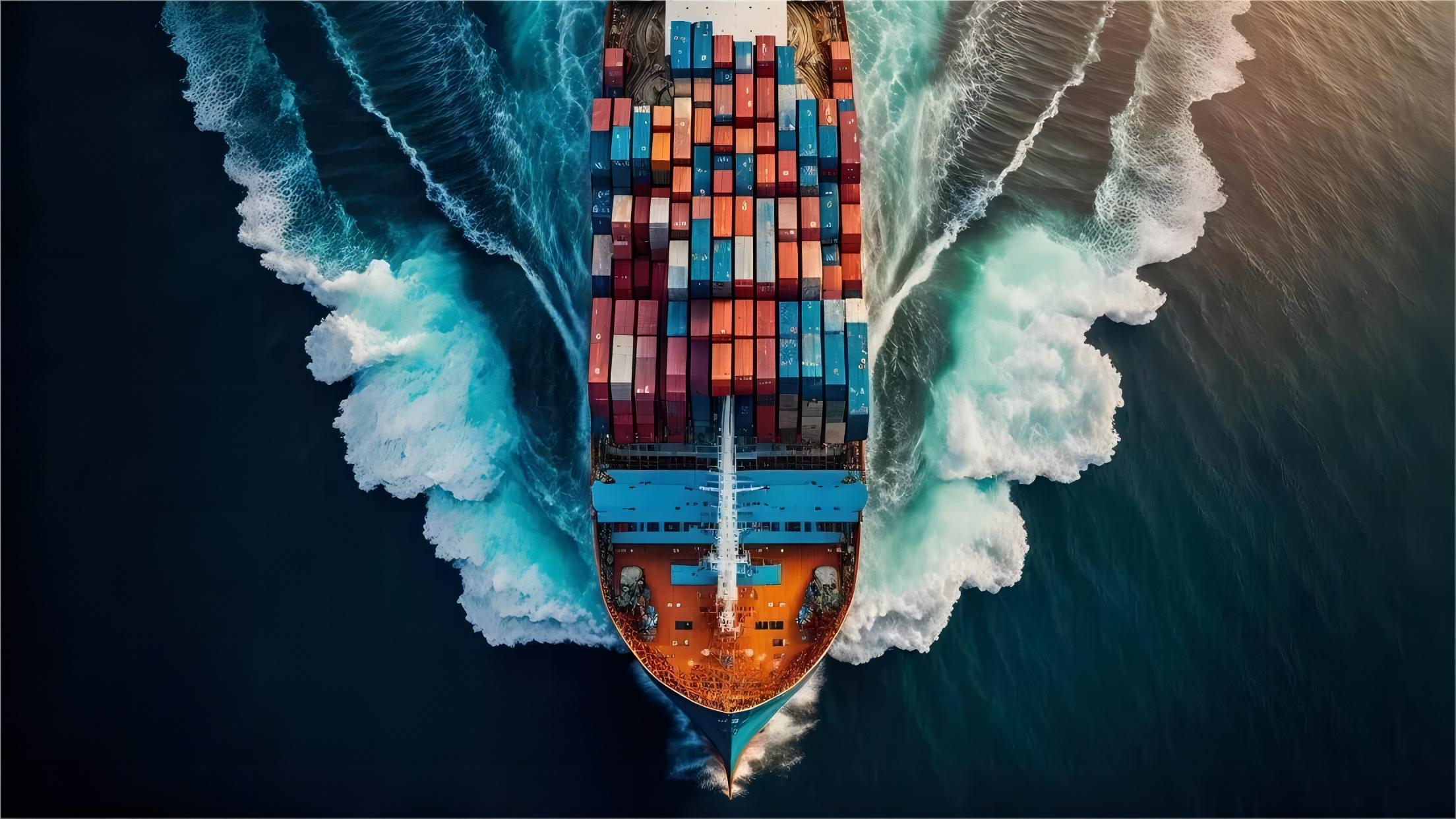
Obtaining a precise shipping quote china to Netherlands is the first step toward building a successful international supply chain. As we move through 2026, market fluctuations require businesses to seek transparent pricing and reliable transit times. Top China Logistics provides comprehensive solutions to ensure your goods arrive safely at Dutch ports or warehouses. This guide explores the latest pricing trends and logistical strategies for the current year.
How to Get an Accurate Shipping Quote China to Netherlands
Requesting a quote involves more than just providing a destination and origin. You must specify the cargo dimensions, weight, and the nature of the goods to receive a valid estimate. Consequently, accurate data prevents unexpected surcharges during the transit process.
Market conditions in early 2026 show that freight rates have stabilized following the logistical shifts of 2025. However, seasonal demand during the Golden Week or the pre-Christmas rush can still cause price spikes. Therefore, booking at least three weeks in advance is highly recommended for better rate security.
Freight forwarders typically require the Incoterms to define responsibilities between the buyer and seller. Whether you choose FOB, CIF, or DDP, these terms significantly impact the final landed cost. Understanding these nuances helps in comparing different quotes effectively.

Primary Shipping Methods for the China-Netherlands Route
Selecting the right mode of transport depends on your budget and urgency. For large volumes, sea freight remains the most economical choice for Dutch importers. It offers the capacity to move massive quantities of goods through the Port of Rotterdam.
Alternatively, air freight provides the fastest transit times for high-value or perishable items. While the cost per kilogram is higher, the reduced inventory holding time often justifies the expense. This method is ideal for electronics or urgent fashion restocks.
Businesses looking for a middle ground often choose rail freight via the New Silk Road. This option balances cost and speed, taking approximately 18 to 22 days to reach rail terminals in Tilburg or Venlo. It serves as a reliable alternative when sea freight is too slow and air freight is too costly.
| Method | Cost Level | Transit Time | Best For |
|---|---|---|---|
| Sea Freight | Low | 30-40 Days | Bulk Goods |
| Air Freight | High | 3-7 Days | Urgent Items |
| Rail Freight | Medium | 18-22 Days | Mid-size Cargo |
| Express | Very High | 2-5 Days | Small Parcels |
How Does Sea Freight Compare to Other Shipping Options?
Sea freight continues to dominate the trade lane between China and the Netherlands due to its immense scale. While a 40HQ container might cost between $3,000 and $4,200 in 2026, air freight for the same volume would be prohibitively expensive. Consequently, sea transport is the default for most consumer goods.
Direct routes from Shanghai to Rotterdam are faster but usually carry a 10% premium over transshipment routes. Transshipment via Singapore or Colombo can save money but adds roughly 5 to 7 days to the schedule. You must weigh the savings against the need for inventory turnover.
LCL shipping is a viable alternative for shipments under 15 CBM, where you only pay for the space you use. In contrast, FCL is more secure and faster for larger shipments as the container remains sealed from origin to destination. Most businesses switch to FCL once their volume exceeds 13 CBM.
| Shipping Method | Cost Range | Transit Time | Limitations |
|---|---|---|---|
| Sea FCL | $3,000-$4,200 | 30-35 Days | Requires High Volume |
| Sea LCL | $80-$120/CBM | 35-42 Days | Higher Risk of Damage |
| Rail Freight | $150-$250/CBM | 18-22 Days | Limited Capacity |
| Air Freight | $4.50-$7.00/kg | 3-7 Days | Strict Weight Limits |
Which Option Should You Choose for Your Business?
Budget priority dictates a focus on sea freight LCL or FCL depending on your cargo size. If your primary goal is to minimize costs, planning your shipments 40 days in advance is essential. This allows you to utilize the most affordable ocean carriers.
Speed priority necessitates the use of air freight or express service for immediate delivery. These methods bypass long port queues and provide door-to-door convenience within a week. For many tech companies, this speed is vital to meeting product launch deadlines.
Cargo type considerations also play a major role in the decision-making process. Heavy machinery is best suited for sea freight due to weight restrictions on planes and trains. Conversely, fragile electronics benefit from the smoother handling and shorter transit of air transport.
Case Studies: Real-World Shipping Scenarios in 2026
Case Study 1: Electronics from Shenzhen to Rotterdam. A tech distributor moved 25 CBM of consumer electronics using a 40HQ container. The total landed cost was approximately $4,100, including origin and destination charges. The shipment took 32 days from port to port, arriving exactly on schedule during the Q2 2026 window.
Case Study 2: Fashion restock from Ningbo to Amsterdam. A boutique retailer needed urgent inventory for the summer season. They opted for air freight for a 500kg shipment, costing $3,250. The goods arrived in just 5 days, allowing the retailer to capitalize on a sudden market trend.
Case Study 3: Industrial parts from Chengdu to Tilburg via Rail. A manufacturing plant imported 10 CBM of spare parts. By choosing rail freight, they paid $2,200 and received the goods in 20 days. This hybrid approach saved them $1,500 compared to air freight while being 15 days faster than sea freight.
Customs Clearance and Documentation in the Netherlands
Navigating the Dutch customs system requires precise documentation to avoid costly delays. The Netherlands serves as the gateway to Europe, meaning customs officials are thorough. You must provide a Commercial Invoice, Packing List, and a Bill of Lading for every shipment.
Import duties and VAT are calculated based on the HS code of your products. In 2026, the Dutch government continues to emphasize environmental compliance for imported goods. Consequently, ensuring your products meet EU safety and sustainability standards is mandatory.
Using a local customs broker can significantly streamline the clearance process at Rotterdam or Schiphol. They handle the communication with authorities and ensure all taxes are paid correctly. This expertise prevents shipments from being held in bonded warehouses, which incurs daily storage fees.
| Document Type | Purpose | Required By | Format |
|---|---|---|---|
| Commercial Invoice | Value Declaration | Customs | Digital/Paper |
| Packing List | Content Detail | Warehouse | Digital/Paper |
| Bill of Lading | Title of Goods | Carrier | Original/Telex |
| Certificate of Origin | Duty Calculation | Customs | Official Form |
Cost-Saving Strategies for 2026 Logistics
Consolidating shipments is one of the most effective ways to reduce your shipping quote china to Netherlands. By combining multiple smaller orders into a single LCL or FCL shipment, you reduce the per-unit transport cost. Many businesses coordinate with suppliers to synchronize production cycles for this purpose.
Optimizing your packaging can also lead to significant savings, especially in air and rail freight. Reducing excess volume and using lightweight, durable materials lowers the chargeable weight. Small adjustments in box dimensions can sometimes mean the difference between fitting into a cheaper freight bracket.
Negotiating long-term contracts with freight forwarders provides rate stability in a volatile market. While spot rates might occasionally be lower, a fixed contract protects you from sudden price hikes during peak seasons. This predictability is invaluable for maintaining consistent profit margins throughout the year.
Final Thoughts on Shipping to the Netherlands
Securing a reliable shipping quote china to Netherlands requires a clear understanding of the current market and available transport modes. Whether you choose the speed of air or the economy of sea freight, planning is the key to success. By utilizing the strategies outlined in this guide, you can navigate the complexities of international trade with ease.
As logistics trends continue to evolve in 2026, staying informed about customs regulations and freight rates will remain a competitive advantage. Partnering with an experienced logistics provider ensures that your cargo is handled with care and efficiency. Start your journey toward a more efficient supply chain today.
Need a tailored shipping solution?
Ready to optimize your supply chain and secure a competitive shipping quote china to Netherlands? Contact our expert team today to receive a personalized logistics plan tailored to your 2026 business goals. Visit our website to request your free quote and start shipping with confidence.