


Import shipping China to France: 2026 Comprehensive Logistics Guide
“Navigating the complexities of import shipping China to France requires a reliable partner and a clear strategy to ensure business continuity. Companies often face challenges like fluctuating freight rates and complex customs regulations that can disrupt the global supply chain. At Top China Logistics, we provide comprehensive solutions to streamline your international trade operations between these major economic hubs. Consequently, understanding the nuances of logistics in 2026 is essential for maintaining a competitive edge in the French market.”
What are the primary methods for import shipping China to France?
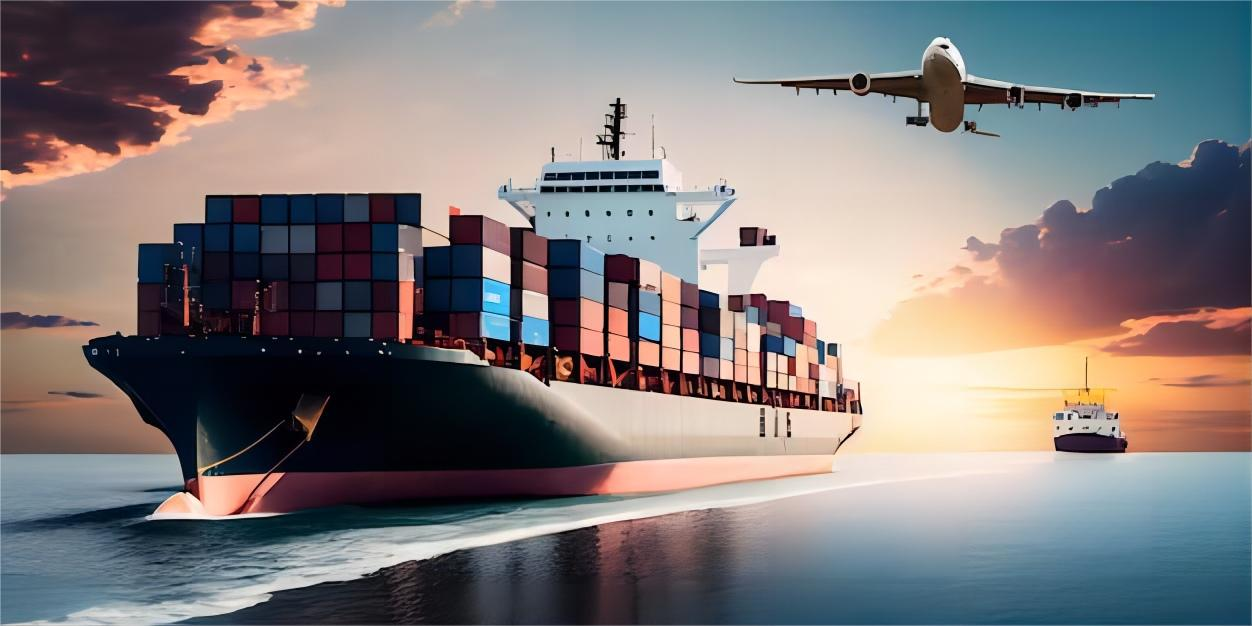
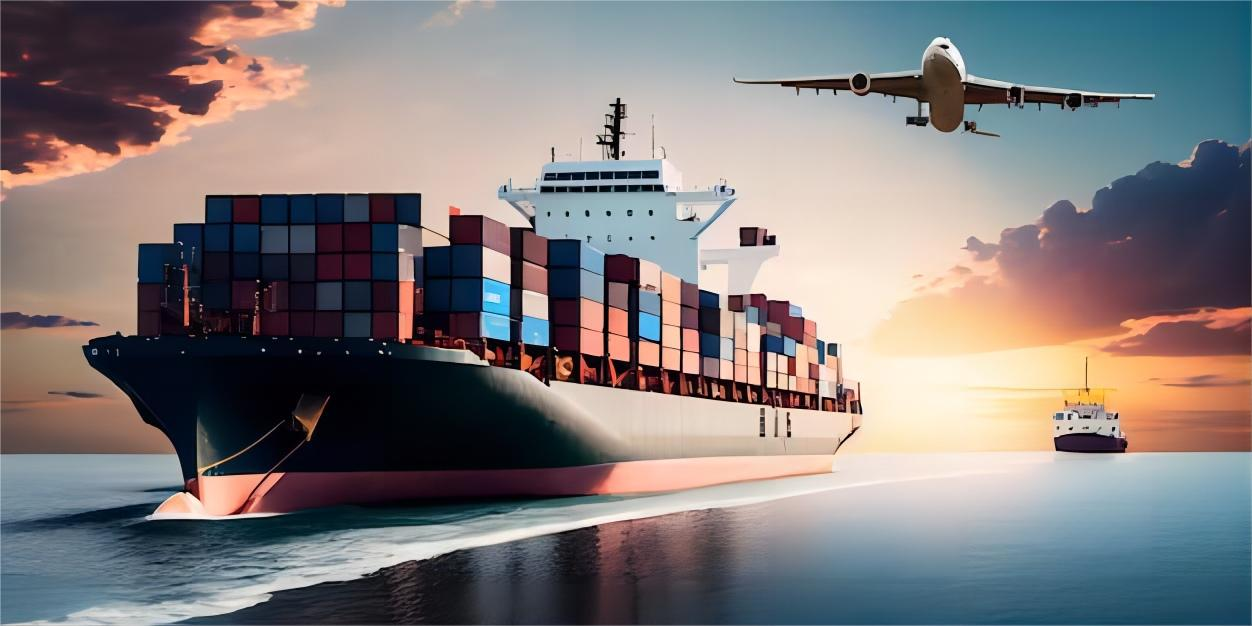
❖Several transportation modes exist to move goods across the vast distance from Chinese manufacturing centers to French industrial zones. Most importers choose between sea freight, air freight, or the increasingly popular rail freight option. Each method offers distinct advantages in terms of cost, speed, and capacity depending on your specific business requirements.
Furthermore, the choice of method significantly impacts your total landed cost and inventory turnover rates. Specifically, high-volume goods often travel by sea to maximize cost savings. Meanwhile, time-sensitive products are better suited for air transport despite the higher associated expenses. Rail freight serves as a strategic middle ground for many modern enterprises.
Typically, the infrastructure connecting China and France has improved significantly as of early 2026. This development allows for more reliable scheduling and diverse routing options for businesses of all sizes. Therefore, selecting the right mode is the first step toward a successful import operation.
How Does Sea Freight Compare to Other Shipping Options?
❖Sea freight remains the backbone of international trade because of its massive capacity and unparalleled cost-effectiveness. In contrast, air freight offers unmatched speed but comes with significantly higher price tags that can eat into profit margins. Rail freight provides a balanced alternative, offering faster transit than sea and lower costs than air for inland destinations.
Additionally, sea freight is the most environmentally friendly option per ton of cargo moved. However, the longer transit times require meticulous planning to avoid stockouts in the French market. Importers must weigh these factors carefully when designing their logistics strategy for the coming year.
According to industry benchmarks, the efficiency of sea routes has stabilized in 2026 following previous global disruptions. As a result, many businesses are returning to sea freight for their primary supply chain needs. The following table provides a detailed comparison of the current shipping options available for this route.
| Shipping Method | Cost Range | Transit Time | Best For | Limitations |
|---|---|---|---|---|
| Sea Freight | $1,800 – $4,200 | 30-45 Days | Bulk cargo | Slowest speed |
| Air Freight | $5.50 – $10.00/kg | 3-7 Days | Urgent goods | High cost |
| Rail Freight | $2,200 – $3,500 | 18-25 Days | Mid-size loads | Fixed routes |
| Express | $8.00 – $15.00/kg | 2-5 Days | Small parcels | Strict weight |
Understanding Sea Freight Options for Import Shipping China to France
❖Sea freight is often the most economical choice for large-scale sea freight operations. You can choose between Full Container Load (FCL) or Less than Container Load (LCL) depending on your specific cargo volume. FCL is generally safer and faster for large shipments because the container is dedicated solely to your goods.
On the other hand, LCL allows smaller businesses to share container space and only pay for the volume they actually use. This flexibility is crucial for startups or companies testing new products in the French market. Nevertheless, LCL shipments may experience slightly longer transit times due to the consolidation and deconsolidation processes at the ports.
Major French ports like Le Havre and Marseille serve as the primary gateways for these shipments. Specifically, Le Havre handles the majority of container traffic destined for northern France and Paris. Marseille remains the preferred choice for goods entering the southern regions and the Mediterranean basin.
Why Choose Air Freight for Urgent Shipments?
❖When time is the most critical factor in your supply chain, air freight stands out as the premier solution. This method is ideal for high-value electronics, luxury fashion items, or perishable goods that need to reach Paris or Lyon quickly. Furthermore, the enhanced security at major airports reduces the risk of theft or damage during the transit process.
Moreover, air cargo allows for much faster inventory turnover, which can improve cash flow for many businesses. Although the costs are higher, the reduction in warehouse holding costs can sometimes offset the shipping premium. Indeed, many tech companies rely exclusively on air transport to keep up with rapid product cycles.
Market data suggests that air freight rates have remained competitive in early 2026 due to increased belly capacity in passenger planes. Consequently, it is a viable option for shipments where the value-to-weight ratio is high. Always ensure your packaging is optimized for air travel to avoid unnecessary volumetric weight charges.
Is Rail Freight a Viable Alternative for Import Shipping China to France?
❖Rail freight has become a strategic link in the rail freight network between Asia and Europe. The New Silk Road connects major Chinese industrial cities like Xi’an or Chengdu directly to European logistics hubs. Consequently, importers can enjoy transit times that are nearly half those of sea freight at a fraction of the air freight cost.
In addition, rail transport is significantly more sustainable than air freight, appealing to eco-conscious French consumers. Many large retailers are now incorporating rail into their multimodal strategies to balance speed and environmental impact. For instance, a shipment from Wuhan can reach a Paris rail terminal in approximately 20 days.
However, rail capacity can be limited during peak seasons, making early booking essential. Therefore, it is important to monitor the political and operational stability of the trans-Eurasian rail corridors. Despite these challenges, rail remains a highly effective alternative for mid-value industrial components and consumer goods.
Navigating Customs Clearance and Documentation in France
❖Managing the customs brokerage process is essential to avoid costly delays at the French border. Importers must ensure all documentation, including the commercial invoice, packing list, and bill of lading, is accurate and complete. Additionally, understanding the Harmonized System (HS) codes for your products is vital for calculating correct import duties and taxes.
Furthermore, France has strict regulations regarding product safety and environmental standards, such as CE marking for electronics. Failure to comply with these requirements can result in cargo seizures or heavy fines from the French customs authorities. Consequently, working with an experienced broker who understands local laws is highly recommended.
Typically, the VAT (Value Added Tax) in France is 20 percent for most commercial goods. Importers should also be aware of any anti-dumping duties that might apply to specific Chinese products. To summarize, proactive preparation of paperwork is the best way to ensure a smooth transition through the port of entry.
Real-World Case Studies for Import Shipping China to France
❖Case Study 1: Consumer Electronics Distribution
Route: Shenzhen, China to Marseille, France. Cargo: Smart home devices, 12 CBM, 2400 kg. Container: LCL 12 CBM. Shipping Details: Carrier: COSCO. Port of Loading: Shenzhen. Port of Discharge: Marseille. Route Type: Direct. Cost Breakdown: Ocean Freight: $1,150. Origin Charges: $250. Destination Charges: $320. Customs and Duties: $1,400. Total Landed Cost: $3,120. Timeline: Booking to Loading: 4 days. Sea Transit: 32 days. Customs Clearance: 2 days. Total Door-to-Door: 38 days. Key Insight: LCL was chosen to maintain inventory flow without waiting for a full container, optimizing warehouse space in Marseille.
Case Study 2: Seasonal Fashion Launch
Route: Shanghai, China to Paris, France. Cargo: High-end apparel, 500 kg. Container: Air Cargo. Shipping Details: Carrier: Air France Cargo. Port of Loading: Shanghai Pudong. Port of Discharge: Paris CDG. Route Type: Direct. Cost Breakdown: Air Freight: $3,750. Origin Charges: $150. Destination Charges: $200. Customs and Duties: $950. Total Landed Cost: $5,050. Timeline: Booking to Loading: 1 day. Air Transit: 1 day. Customs Clearance: 1 day. Total Door-to-Door: 3 days. Key Insight: Speed was prioritized over cost to meet a strict seasonal product launch deadline at a major Paris department store.
Case Study 3: Industrial Machinery Components
Route: Chengdu, China to Lyon, France. Cargo: Precision tools, 5 CBM, 1500 kg. Container: Rail Freight. Shipping Details: Carrier: China Railway Express. Port of Loading: Chengdu Terminal. Port of Discharge: Lyon Terminal. Route Type: Trans-Eurasian. Cost Breakdown: Rail Freight: $1,850. Origin Charges: $200. Destination Charges: $250. Customs and Duties: $600. Total Landed Cost: $2,900. Timeline: Booking to Loading: 5 days. Rail Transit: 22 days. Customs Clearance: 2 days. Total Door-to-Door: 29 days. Key Insight: Rail provided the perfect balance of transit time and cost for these mid-value industrial goods.
Which Option Should You Choose for Your Business?
❖Selecting the right shipping method depends on your budget, cargo volume, and delivery schedule. If you prioritize budget and have a flexible timeline, sea freight is the logical choice for bulk goods. Conversely, if you need to fulfill urgent orders or handle high-value items, air freight is the only way to meet tight deadlines in the Europe region.
Specifically, businesses should consider the following criteria when making a decision. For shipments over 15 CBM, FCL sea freight is almost always the most economical path. For shipments under 2 CBM and 200 kg, air freight or express services might actually be more cost-effective when considering total logistics handling.
Moreover, the nature of the goods plays a significant role. Fragile or high-security items benefit from the reduced handling associated with air or FCL sea transport. To summarize, a hybrid approach using different modes for different product lines often yields the best results for expanding French importers.
Cost-Saving Strategies for Import Shipping China to France
❖Reducing your total logistics spend requires careful planning and optimization of your cargo volume. For instance, consolidating multiple small shipments from different suppliers into one FCL can lead to significant savings on per-unit costs. Moreover, booking your shipments at least 3-4 weeks in advance can help you secure better rates before peak season price hikes.
Additionally, optimizing your packaging to reduce dead space can lower both your shipping costs and your carbon footprint. Specifically, using standardized pallet sizes that fit perfectly into containers prevents you from paying for empty air. Indeed, small adjustments in packaging design can lead to thousands of dollars in annual savings.
Note: Freight rates are subject to change based on fuel costs, carrier capacity, and seasonal demand. Contact us for a current quote tailored to your specific shipment. Based on current 2026 market rates, being proactive is the best way to manage your logistics budget effectively.
Final Thoughts on Logistics Success
Successfully managing import shipping China to France involves balancing speed, cost, and reliability across various transport modes. By choosing the right logistics partner and understanding the nuances of the 2026 market, you can significantly optimize your supply chain operations. Whether you utilize sea, air, or rail, staying informed about current trends and regulations will ensure your goods arrive safely and efficiently.
Furthermore, the landscape of international trade continues to evolve with new technologies and routes. Consequently, maintaining flexibility in your shipping strategy is the key to long-term success. Start planning your next shipment today to take advantage of current market opportunities.
Ready to streamline your logistics?
Ready to optimize your supply chain and reduce costs? Contact our expert team today for a personalized quote on import shipping China to France and experience seamless global logistics. Visit Top China Logistics to get started now.
Request Quote