

Door to Door Shipping China to Germany: 2026 Logistics Guide
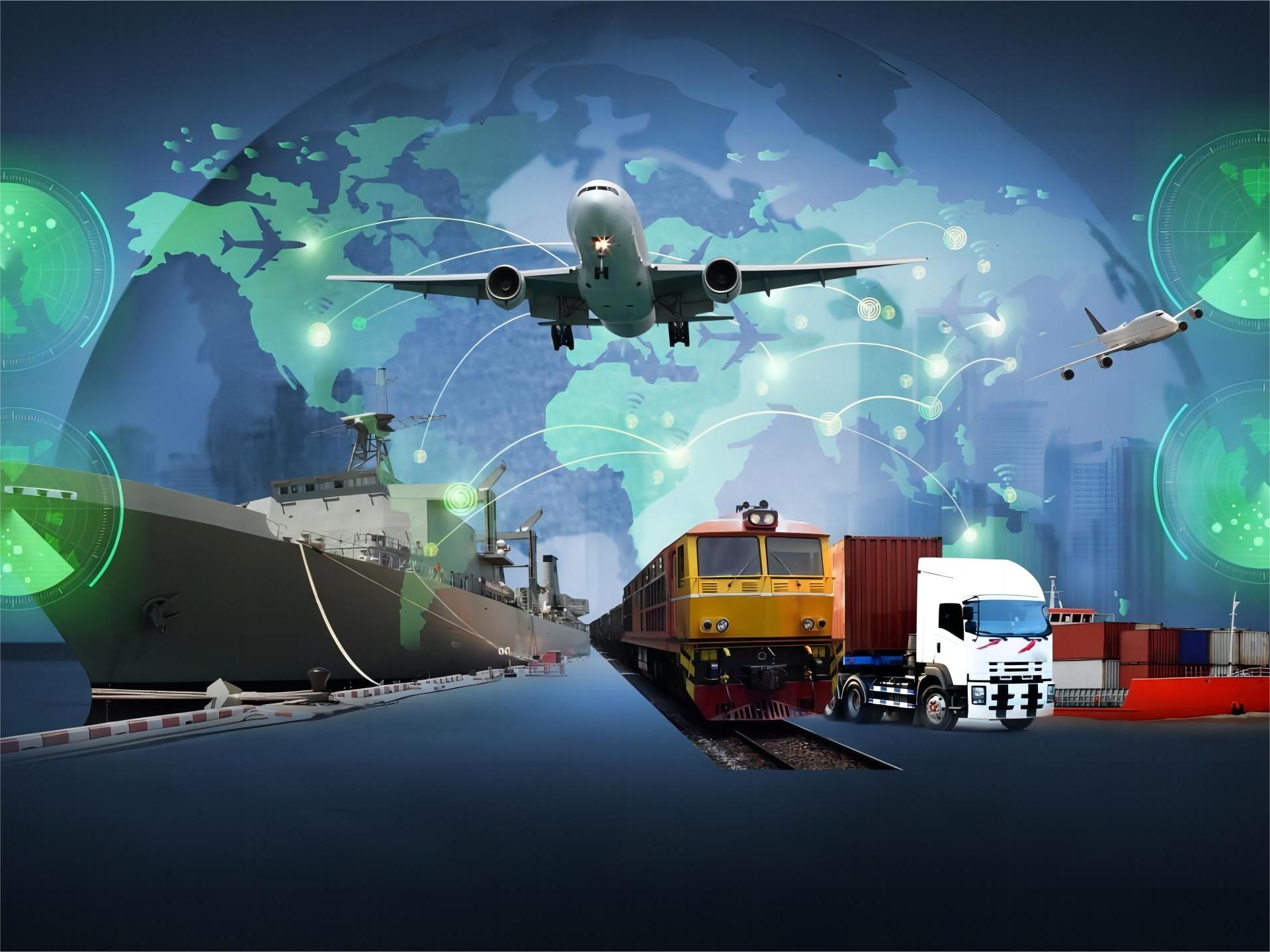
Optimizing your supply chain with reliable door to door shipping china to Germany is crucial for maintaining a competitive edge in 2026. By partnering with Top China Logistics, you ensure that your cargo moves seamlessly from the manufacturer to your doorstep. This comprehensive guide covers every aspect of the logistics process, including cost-saving strategies and regulatory compliance for the German market.
What is door to door shipping china to Germany?
Door to door shipping china to Germany represents a complete logistics solution where the freight forwarder manages the entire journey of the goods. This process begins at the supplier’s warehouse in China and ends at the final destination in Germany. Consequently, the importer does not need to worry about coordinating separate transport legs or handling complex port procedures.
Furthermore, this service typically includes inland trucking, export customs clearance, international transit, and final mile delivery. In 2026, many businesses prefer this method because it provides a single point of contact for the entire shipment. It reduces the risk of communication errors and ensures a more predictable delivery schedule for high-value cargo.
Moreover, choosing a door to door service often incorporates DDP (Delivered Duty Paid) or DDU (Delivered Duty Unpaid) terms. DDP is particularly popular for e-commerce sellers as it covers all duties and taxes upfront. Therefore, the recipient in Germany receives the goods without any additional administrative burden or unexpected costs upon arrival.
Why Choose Door to Door Shipping for Your German Business?
Selecting sea freight as part of a door to door solution offers significant cost advantages for large-scale imports. While ocean transit takes longer than other methods, it remains the most economical choice for bulk commodities and heavy machinery. Indeed, most German industrial companies rely on this method to manage their long-term inventory needs.
Additionally, the convenience of door to door logistics allows your team to focus on core business operations instead of tracking containers. Professional forwarders handle the heavy lifting of logistics management and documentation. As a result, you can maintain a leaner operations department while still ensuring consistent supply chain performance across international borders.
Nevertheless, the transparency provided by modern tracking systems in 2026 makes this service even more attractive. You receive real-time updates as your cargo moves through various checkpoints in China and Europe. This visibility is essential for managing customer expectations and planning warehouse space effectively for incoming shipments.
How much does door to door shipping china to Germany cost?
Calculating the total cost of door to door shipping china to Germany requires an understanding of several different variables. Freight rates fluctuate based on fuel surcharges, seasonal demand, and the specific mode of transport chosen. For instance, air freight will always carry a premium price compared to rail or sea options.
According to industry benchmarks, sea freight rates for a 40HQ container in early 2026 range between 3,000 and 4,200 dollars. Meanwhile, LCL (Less than Container Load) shipments are priced per cubic meter, often falling between 50 and 90 dollars depending on the origin port. These figures exclude the final mile delivery costs within Germany, which vary by zip code.
Note: Freight rates are subject to change based on fuel costs, carrier capacity, and seasonal demand. Contact us for a current quote tailored to your specific shipment.
| Route Type | 20GP Container | 40HQ Container | Transit Time |
|---|---|---|---|
| Shanghai to Hamburg | 1,900 – 2,400 USD | 3,100 – 4,000 USD | 30-35 Days |
| Shenzhen to Bremen | 1,850 – 2,350 USD | 3,000 – 3,900 USD | 32-38 Days |
| Ningbo to Duisburg | 2,000 – 2,550 USD | 3,200 – 4,200 USD | 35-40 Days |
| Qingdao to Munich | 2,100 – 2,700 USD | 3,400 – 4,500 USD | 38-45 Days |
How Does Door to Door Shipping Compare to Other Shipping Options?
When evaluating your logistics strategy, it is vital to compare door to door services with port-to-port or door-to-port alternatives. While port-to-port shipping may appear cheaper on paper, it requires the importer to handle customs and local trucking independently. This often leads to hidden costs and delays if you lack local expertise in German customs regulations.
For urgent consignments, air freight remains the fastest alternative despite its higher price point. If your cargo is relatively small or time-sensitive, the speed of air transit can justify the extra expense. However, for most standard commercial goods, the cost-to-speed ratio of rail or sea is usually more favorable.
Hybrid solutions like sea-air or rail-sea combinations are also gaining traction in 2026. These strategies aim to balance the budget-friendly nature of ocean shipping with the speed of air or rail. For example, shipping by sea to a hub and then by air to Germany can save 30 percent compared to pure air freight while cutting transit time significantly.
| Shipping Method | Cost/Time Balance | Best For | Limitations |
|---|---|---|---|
| Air Freight | High Cost / 5-7 Days | Urgent/High Value | Weight Limits |
| Rail Freight | Medium Cost / 15-22 Days | Mid-size Cargo | Inland Routes |
| Sea Freight | Low Cost / 30-45 Days | Bulk/Heavy Goods | Slow Speed |
| Express | Very High / 3-5 Days | Small Samples | Very Expensive |
Which Option Should You Choose?
Choosing the right shipping method depends heavily on your specific business priorities and budget constraints. If your primary goal is cost reduction and you have a flexible timeline, sea freight is the clear winner. This is especially true for large volume orders where the price per unit is a critical factor in your profit margins.
Conversely, if you need to replenish stock quickly to avoid a stockout, rail freight offers an excellent middle ground. It is faster than sea freight but significantly cheaper than air cargo. For many German importers, rail has become the default choice for high-turnover consumer goods coming from inland Chinese cities.
Volume thresholds also play a major role in this decision. For shipments under 15 CBM, LCL sea freight is often the most economical. Once you exceed 15-20 CBM, booking a full 20GP container (FCL) usually provides better value and security for your items. Always analyze your total landed cost before finalizing a shipping method.
Understanding Customs Clearance and Duties in Germany
Navigating the German customs landscape requires precision and thorough documentation to avoid costly delays. Every shipment entering Germany from China must pass through the Zollsytem, which is the national customs authority. Utilizing professional customs brokerage services ensures that your paperwork complies with both German and EU regulations.
Essential documents include the commercial invoice, packing list, and the bill of lading or air waybill. Furthermore, certain products may require specific certificates, such as CE marking for electronics or phytosanitary certificates for organic materials. Failure to provide these documents can result in cargo being held at the port or even returned to the origin.
Import duties and Value Added Tax (VAT) are calculated based on the HS code of the products. In Germany, the standard VAT rate is 19 percent, though some items qualify for a reduced rate. Understanding these financial obligations beforehand is vital for calculating your total landed cost and setting retail prices for the German market.

The Role of Rail Freight in 2026 Logistics
Rail freight has revolutionized the supply chain between China and Germany over the last decade. As of Q1 2026, the Iron Silk Road continues to provide a reliable alternative to sea and air routes. This method is particularly effective for shipping to inland German hubs like Duisburg, Hamburg, and Leipzig.
Moreover, rail transport is considered more environmentally friendly than air freight, which aligns with the sustainability goals of many European corporations. Consequently, many brands are shifting a portion of their logistics budget to rail to reduce their carbon footprint. The transit time of 15 to 22 days is perfectly suited for seasonal retail cycles.
Indeed, the stability of rail rates compared to the volatility of ocean freight makes it easier for businesses to forecast their logistics spending. While sea freight may experience sudden spikes due to port congestion, rail schedules remain relatively consistent. This reliability is a key factor for German manufacturers who need a steady flow of components from Chinese suppliers.
Real-World Case Studies for China-Germany Routes
Case Study 1: High-Volume Electronics Distribution Route: Shenzhen, China to Berlin, Germany Cargo: Consumer Electronics, 68 CBM, 12,500 kg Container: 1 x 40HQ Shipping Details: – Carrier: Major Ocean Carrier – Port of Loading: Shenzhen – Port of Discharge: Hamburg – Route Type: Direct Sea Freight Cost Breakdown: – Ocean Freight: 3,850 USD – Origin Charges: 450 USD – Destination Charges: 600 USD – Customs and Duties: 4,200 USD – Total Landed Cost: 9,100 USD Timeline: – Booking to Loading: 4 days – Sea Transit: 33 days – Customs Clearance: 2 days – Total Door-to-Door: 42 days Key Insight: Using FCL sea freight saved the client 25 percent compared to multiple LCL shipments over the same period.
Case Study 2: Urgent Industrial Components Route: Ningbo, China to Frankfurt, Germany Cargo: Machinery Parts, 2.5 CBM, 450 kg Container: LCL Shipping Details: – Service: Amazon FBA style express handling – Port of Loading: Ningbo – Port of Discharge: Frankfurt Airport – Route Type: Air Freight Cost Breakdown: – Air Freight: 2,800 USD – Origin Charges: 150 USD – Destination Charges: 200 USD – Customs and Duties: 850 USD – Total Landed Cost: 4,000 USD Timeline: – Booking to Loading: 2 days – Air Transit: 6 days – Customs Clearance: 1 day – Total Door-to-Door: 11 days Key Insight: Air freight was essential to prevent a production line shutdown in Germany, justifying the higher cost per kilogram.
Strategic Tips for Reducing Shipping Costs in 2026
Reducing your door to door shipping china to Germany expenses requires a proactive approach to logistics planning. One of the most effective ways to save money is by consolidating multiple small orders into a single larger shipment. By doing so, you can take advantage of better FCL rates instead of paying the premium associated with LCL services.
Additionally, booking your shipments at least 3-4 weeks in advance can help you secure lower rates and guaranteed space on vessels. Last-minute bookings often incur peak season surcharges or require expensive express options. Furthermore, optimizing your packaging to reduce wasted space can significantly lower your freight costs, especially for air and LCL sea freight.
Finally, always work with a forwarder who has a strong network in both China and Germany. A provider with local expertise can often find more efficient trucking routes and navigate customs procedures faster. This not only saves you money on demurrage and detention fees but also ensures that your supply chain remains resilient against global disruptions.
Final Thoughts on Door to Door Logistics
In conclusion, mastering door to door shipping china to Germany is a vital component of successful international trade in 2026. Whether you choose the speed of air freight, the reliability of rail, or the cost-efficiency of sea transport, having a dedicated logistics partner makes all the difference. By understanding the costs, transit times, and customs requirements, you can build a robust supply chain that supports your business growth.
Remember to stay informed about market trends and maintain flexibility in your shipping strategies. As global trade continues to evolve, those who prioritize efficient door to door logistics will be best positioned to thrive in the competitive German market.
Get Your Shipping Quote Today
Ready to streamline your door to door shipping china to Germany? Contact Top China Logistics today for a personalized quote and expert guidance on your 2026 shipping needs. Visit https://topchinalogistics.com/ to get started.
Frequently Asked Questions
How long does door to door shipping from China to Germany take?
Transit time depends on the method. Air freight takes 5-8 days, rail freight takes 15-22 days, and sea freight takes 30-45 days for door to door delivery.
What is the cheapest way to ship from China to Germany?
Sea freight is generally the most economical option, especially for large volumes or heavy cargo where the cost per unit is the primary concern.
Is rail freight a good alternative for German importers?
Yes, rail freight is an excellent middle ground, offering faster transit than sea and lower costs than air, making it ideal for many commercial goods.
What documents are needed for German customs clearance?
You typically need a commercial invoice, packing list, bill of lading, and potentially specific certificates like CE markings for electronic products.
Can I ship small packages door to door?
Yes, for small shipments, express services or LCL (Less than Container Load) sea freight are available to provide efficient door to door delivery.
Does door to door shipping include import duties?
If you choose DDP (Delivered Duty Paid) terms, the shipping cost includes all duties and taxes. Under DDU terms, the importer pays these separately.
How are shipping costs calculated in 2026?
Costs are based on weight, volume, transport mode, and current fuel surcharges. Seasonal demand also impacts the final price during peak periods.
Why should I use a freight forwarder for China to Germany routes?
A forwarder manages complex logistics, handles customs documentation, and provides a single point of contact, reducing the risk of errors and delays.