

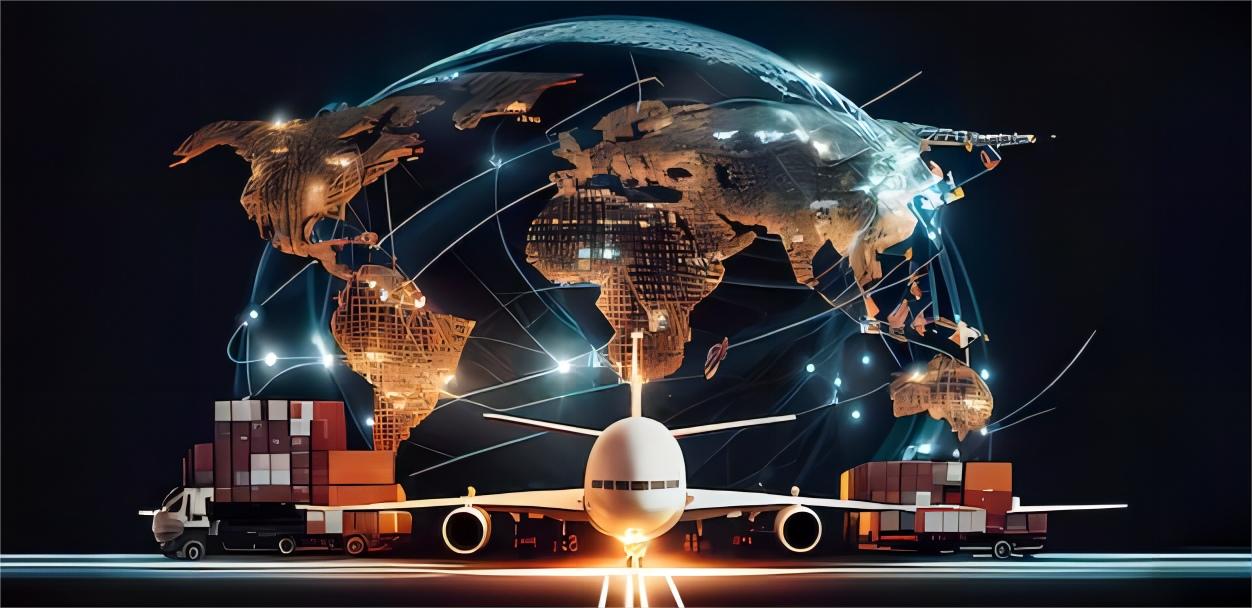
Sea Freight China to UAE: 2026 Shipping Guide and Costs
Shipping goods across international borders requires a strategic approach to balance cost and efficiency. Many businesses choose Top China Logistics to handle their complex shipping needs from East Asia to the Middle East. This guide explores everything you need to know about sea freight China to UAE, ensuring your cargo arrives safely and on schedule in 2026.
✦

Understanding Sea Freight China to UAE in 2026
Sea freight remains the most popular method for transporting large volumes of goods from Chinese manufacturing hubs to the United Arab Emirates. However, the global logistics landscape has evolved significantly as we enter 2026, with new technologies and port expansions improving efficiency. Therefore, understanding the current market dynamics is essential for any importer looking to maintain a competitive edge.
Selecting a reliable sea freight provider allows you to leverage economies of scale that other methods cannot match. Consequently, businesses can move bulk commodities, heavy machinery, or retail inventory at a fraction of the cost of air transport. Meanwhile, the development of smarter tracking systems has increased transparency across the entire shipping journey.
Navigating the complexities of international trade requires a deep knowledge of both Chinese export regulations and UAE import laws. Additionally, seasonal fluctuations in demand can impact container availability and pricing throughout the year. Most successful importers plan their shipments months in advance to avoid peak season surcharges and potential port congestion.
How Does Sea Freight Compare to Other Shipping Options?
Evaluating different transport modes is the first step in optimizing your logistics strategy. While sea freight is the most cost-effective for large loads, air freight offers unparalleled speed for time-sensitive deliveries. In contrast, hybrid solutions like sea-air combinations provide a middle ground for businesses that need a balance between speed and budget.
Market data suggests that sea freight is roughly five to eight times cheaper than air freight for shipments exceeding 500 kilograms. Furthermore, sea vessels have a much lower carbon footprint per ton-mile compared to aircraft, making it a more sustainable choice. Nevertheless, the longer transit times associated with ocean transport require careful inventory management to prevent stockouts.
Alternative strategies often involve mixing transport modes based on the urgency of specific product lines. For example, you might ship your core inventory via sea while using air transport for high-demand restocks or new product launches. Industry average for the China to UAE route shows that sea freight accounts for over 85 percent of total cargo volume.
| Shipping Method | Cost Range | Transit Time | Best For |
|---|---|---|---|
| Sea Freight | $1,200 – $3,500 | 18 – 30 Days | Bulk & Heavy Goods |
| Air Freight | $4,500 – $15,000 | 3 – 7 Days | High Value Items |
| Sea-Air Hybrid | $2,500 – $6,500 | 12 – 18 Days | Urgent Inventory |
| Express | $8,000 – $20,000 | 2 – 4 Days | Samples & Docs |
FCL vs. LCL: Which Sea Freight Method Is Best for You?
Choosing between Full Container Load (FCL) and Less than Container Load (LCL) depends largely on your shipment volume and budget. FCL involves renting an entire 20ft or 40ft container for your exclusive use, which often results in faster handling. On the other hand, LCL allows you to share container space with other shippers, making it ideal for smaller volumes under 15 cubic meters.
Cost-saving strategies often involve consolidating multiple smaller orders into a single FCL shipment to reduce the per-unit shipping cost. Specifically, if your cargo volume exceeds 13 to 15 cubic meters, FCL usually becomes more economical than LCL. Moreover, FCL shipments generally face fewer risks of damage or loss since the container is sealed at the origin and only opened at the destination.
LCL remains a vital service for small and medium enterprises that do not have enough cargo to fill a whole container. Although the cost per cubic meter is higher in LCL, the total outlay is significantly lower for small batches. Additionally, LCL providers handle the consolidation and deconsolidation processes, simplifying the logistics for the end-user.
Major Ports for Sea Freight China to UAE
Identifying the right departure and arrival ports can significantly impact your total transit time and local trucking costs. China boasts several world-class ports such as Shanghai, Ningbo-Zhoushan, and Shenzhen, which offer frequent sailings to the Middle East. Meanwhile, the UAE features advanced maritime hubs like Jebel Ali in Dubai and Khalifa Port in Abu Dhabi.
Jebel Ali Port is the largest man-made harbor in the world and serves as the primary gateway for sea freight China to UAE. Consequently, most major shipping lines offer direct services from China to Jebel Ali, ensuring reliable schedules. Furthermore, the port’s integration with free zones allows for efficient re-exporting to other GCC countries.
Khalifa Port has seen massive investment and expansion, becoming a critical hub for industrial cargo and automated container handling. Selecting Abu Dhabi as your destination might be more efficient if your final delivery point is in the southern part of the Emirates. Indeed, choosing the port closest to your warehouse can save hundreds of dollars in last-mile delivery fees.
How Much Does Sea Freight China to UAE Cost in 2026?
Freight rates are influenced by several factors including fuel prices, carrier capacity, and global trade demand. As of early 2026, rates have stabilized following the disruptions of previous years, but seasonal peaks still occur. Typically, you can expect to pay between $1,500 and $3,200 for a standard 40HQ container depending on the specific route and service level.
In addition to the ocean freight, you must account for local charges such as terminal handling, documentation fees, and port security. Furthermore, customs duties in the UAE are generally five percent for most goods, though certain items may be exempt or subject to higher taxes. Therefore, calculating the total landed cost is crucial for accurate business budgeting.
Note: Freight rates are subject to change based on fuel costs, carrier capacity, and seasonal demand. Contact us for a current quote tailored to your specific shipment.
| Route | 20GP Rate | 40HQ Rate | Transit Days |
|---|---|---|---|
| Shanghai to Jebel Ali | $1,300 – $1,700 | $2,400 – $3,200 | 22 – 26 Days |
| Shenzhen to Jebel Ali | $1,100 – $1,500 | $2,100 – $2,900 | 18 – 22 Days |
| Ningbo to Khalifa Port | $1,250 – $1,650 | $2,300 – $3,100 | 20 – 25 Days |
| Qingdao to Jebel Ali | $1,400 – $1,850 | $2,600 – $3,500 | 25 – 30 Days |
Essential Customs Documents for UAE Imports
Successful clearance depends on the accuracy of your documentation and compliance with UAE Federal Customs Authority regulations. Utilizing a professional customs brokerage service can prevent costly delays and fines at the port of entry. At a minimum, you will need a commercial invoice, a detailed packing list, and a certificate of origin.
Furthermore, the Bill of Lading serves as the title to the goods and must be presented to claim the cargo from the shipping line. For certain regulated products like food, chemicals, or electronics, additional permits from UAE ministries may be required. Consequently, verifying these requirements before the ship leaves China is a critical step in the logistics process.
Digitalization has streamlined the customs process in the UAE, with platforms like Dubai Trade allowing for electronic document submission. Nevertheless, any discrepancies in the weight, value, or description of goods can trigger manual inspections. Such inspections can add several days to your delivery schedule and result in additional storage fees.
Case Studies: Realistic Shipping Scenarios
Reviewing real-world examples helps importers understand the actual costs and timelines involved in sea freight China to UAE. These cases reflect typical market conditions observed in the first quarter of 2026. Each scenario highlights different cargo types and logistics requirements common in the China-UAE trade lane.
Case Study 1: Consumer Electronics Shenzhen to Dubai. Cargo: 15,000 kg of smartphones and accessories. Container: 40HQ. Shipping Method: FCL. Carrier: Major carrier. Port of Loading: Shenzhen. Port of Discharge: Jebel Ali. Ocean Freight: $2,850. Origin Charges: $350. Destination Charges: $420. Customs & Duties: $4,500. Total Landed Cost: $8,120. Sea Transit: 20 days. Total Door-to-Door: 28 days. Key Insight: Direct sailing from Shenzhen saved 5 days compared to transshipment routes.
Case Study 2: Home Furniture Ningbo to Abu Dhabi. Cargo: 8 CBM of wooden furniture. Container: LCL. Shipping Method: Sea Freight. Carrier: Consolidation service. Port of Loading: Ningbo. Port of Discharge: Khalifa Port. Ocean Freight: $880. Origin Charges: $180. Destination Charges: $250. Customs & Duties: $650. Total Landed Cost: $1,960. Sea Transit: 26 days. Total Door-to-Door: 35 days. Key Insight: LCL was the most cost-effective option for this mid-sized volume, despite longer handling times.
Which Option Should You Choose?
Determining the best shipping strategy requires a clear assessment of your business priorities and cargo characteristics. If your primary goal is cost reduction and you have flexible deadlines, sea freight is the undisputed winner. However, if you are shipping high-value items with short shelf lives, the higher cost of air transport might be justified.
For shipments that fall between small parcels and full containers, LCL offers a balanced approach to managing shipping costs. If you require a complete end-to-end solution, a door to door service simplifies the process by handling every step from the factory to your warehouse. This is particularly beneficial for businesses without dedicated logistics departments.
E-commerce sellers often prefer specialized Amazon FBA services to ensure their products meet the strict labeling and delivery requirements of fulfillment centers. Ultimately, the right choice depends on your specific volume, budget, and the level of urgency. Always consult with a logistics expert to tailor a solution that fits your unique supply chain needs.
Final Thoughts on Shipping to the UAE
Mastering sea freight China to UAE involves balancing transit times, costs, and regulatory compliance. By selecting the right container type and port, you can significantly enhance your operational efficiency. Furthermore, staying informed about 2026 market trends allows you to adapt to changing freight rates and capacity shifts.
Professional logistics partners provide the expertise needed to navigate the complexities of international ocean transport. Whether you are moving FCL or LCL cargo, a strategic approach ensures your goods arrive at their destination on time. Start optimizing your sea freight China to UAE strategy today to drive your business growth in the Middle East.

Ready to streamline your supply chain and reduce costs? Contact our team today for a customized quote on sea freight China to UAE. Visit our website to learn more about our comprehensive logistics solutions and start shipping with confidence. Send Inquiry
Frequently Asked Questions
How long does sea freight China to UAE take?
What is the cheapest way to ship from China to UAE?
Do I need a license to import goods into the UAE?
How much are customs duties in the UAE?
Can I ship electronics via sea freight to Dubai?
What is the difference between FCL and LCL?
Are there extra costs beyond ocean freight?
Is insurance necessary for sea freight?