

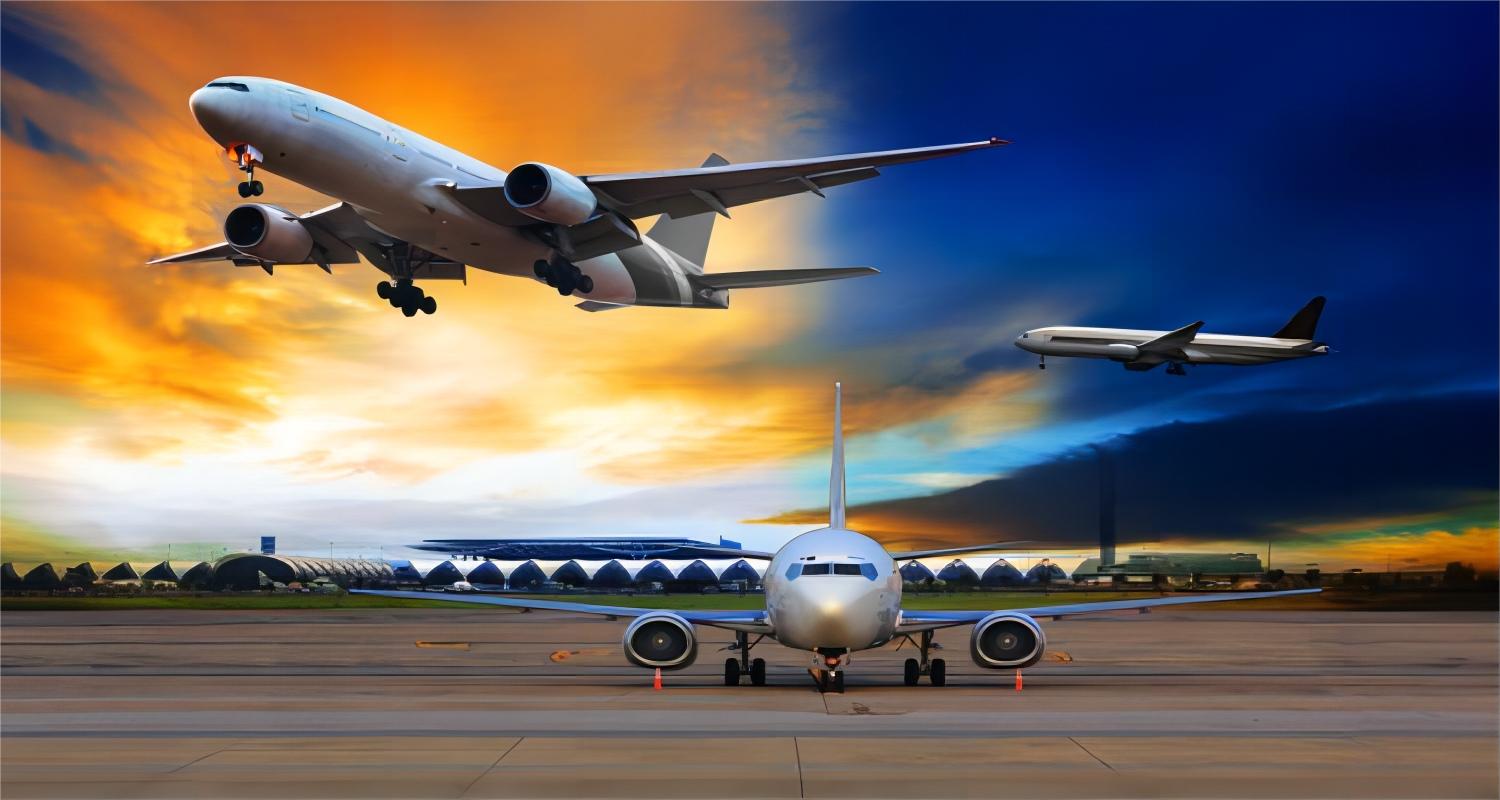
Freight Forwarder China to Canada: 2026 Expert Shipping Guide
Navigating the complexities of international trade requires a reliable partner to manage your supply chain effectively. Top China Logistics provides comprehensive solutions for businesses seeking a professional freight forwarder China to Canada to streamline their operations. This guide explores the essential aspects of moving cargo across the Pacific in 2026 while highlighting cost-saving strategies for your business.
Why You Need a Professional Freight Forwarder China to Canada
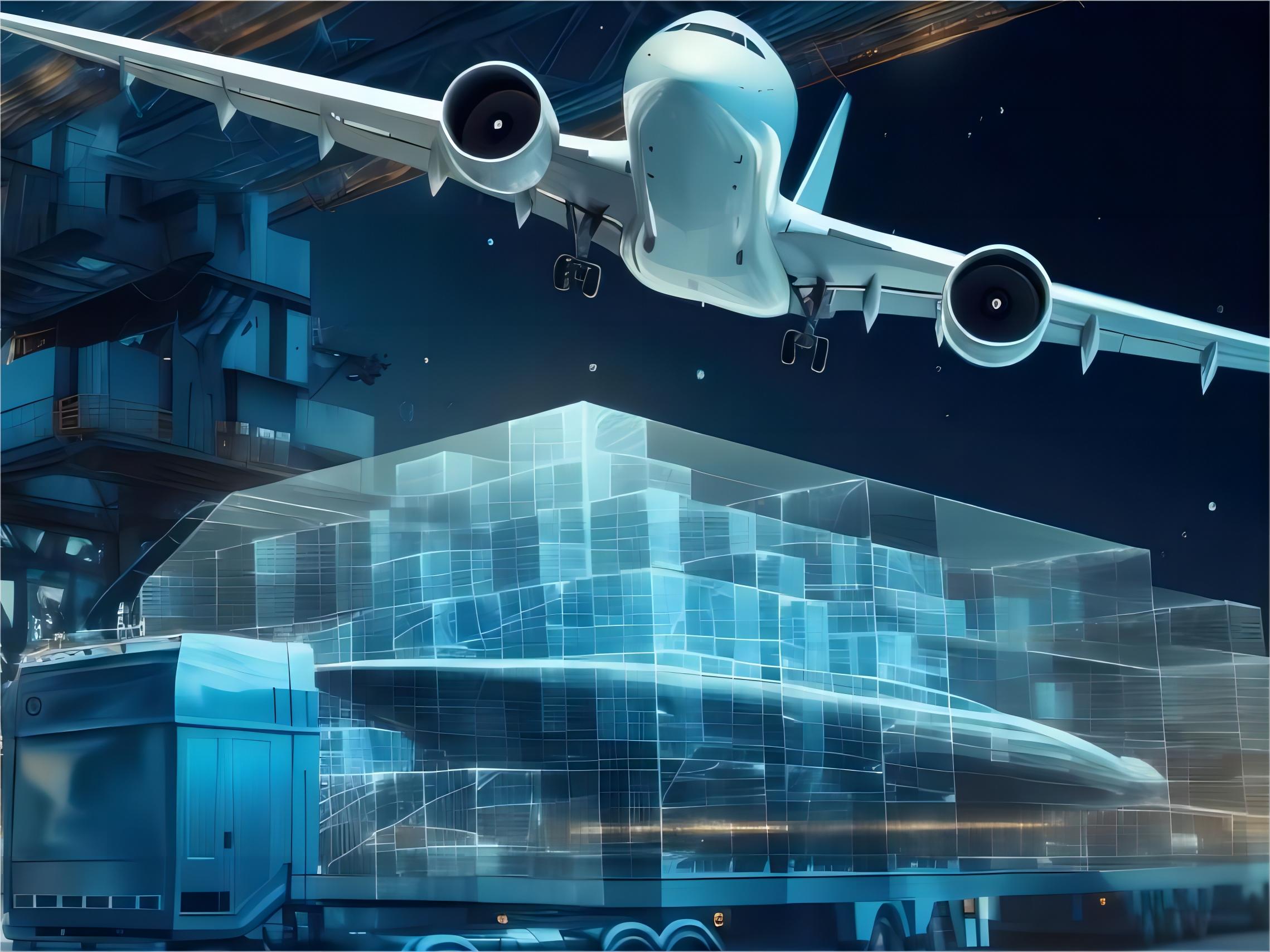
Choosing a specialized freight forwarder China to Canada ensures that your goods navigate the vast distance and complex regulations efficiently. Professional agents manage the entire logistics chain from the factory floor in Shenzhen or Ningbo to your doorstep in Toronto or Vancouver.
Moreover, experienced forwarders possess the local knowledge required to negotiate better rates with major carriers. Consequently, they can offer flexible scheduling that aligns with your production cycles and market demands.
Additionally, a dedicated partner handles the mountain of paperwork required for international trade. This support prevents costly delays at the border and ensures your business maintains a high compliance rating with Canadian customs authorities.
Furthermore, modern logistics providers utilize advanced tracking technologies to provide real-time visibility. You can monitor your shipment status throughout the journey, which improves your inventory management and customer service capabilities.
Local Expertise in Chinese Logistics Hubs
Primary Shipping Methods: Air and Sea Freight
Selecting the right transport mode is the most critical decision for your bottom line. Most businesses utilize sea freight for large-scale inventory movements due to its superior cost-effectiveness.
However, when time is of the essence, air freight remains the preferred choice for high-value or perishable items. This method significantly reduces transit times from weeks to just a few days.
Meanwhile, shippers must consider the trade-offs between speed and budget. Ocean shipping is slower but allows for massive volumes, whereas air transport is rapid but carries a significant price premium.
Regularly, companies use a mix of both methods to balance their supply chain needs. This hybrid approach allows for consistent stock levels while managing overall logistics expenditures effectively.
| Method | Transit Time | Cost Level | Best For |
|---|---|---|---|
| Air Freight | 3-7 Days | High | Urgent/High Value |
| Sea (FCL) | 18-35 Days | Low | Bulk/Heavy Goods |
| Sea (LCL) | 25-45 Days | Medium | Small Volumes |
| Express | 2-5 Days | Premium | Samples/Documents |
How Does Sea Freight Compare to Other Shipping Options?
Ocean transport remains the backbone of trade between China and Canada because of its massive capacity. While air freight costs significantly more per kilogram, sea freight provides a scalable solution for growing enterprises.
Consequently, businesses must evaluate the total landed cost when choosing a method. For instance, a 40HQ container might cost $3,500 by sea, while the same volume by air would exceed $20,000.
On the other hand, sea-air hybrid solutions are gaining popularity in 2026. These routes combine the speed of air with the savings of sea transport by transshipping through hubs like Dubai or Incheon.
Indeed, for shipments under 15 CBM, LCL shipping offers a middle ground. It allows you to share container space with other shippers, making it more affordable than booking a full container for small loads.
| Shipping Method | Cost Range | Transit Time | Limitations |
|---|---|---|---|
| Sea Freight | $2000-$4500 | 20-40 Days | Weather Delays |
| Air Freight | $5-$12 /kg | 3-7 Days | Weight Limits |
| Sea-Air | $3-$6 /kg | 15-20 Days | Complex Handling |
| LCL Sea | $50-$150 /CBM | 25-45 Days | Port Congestion |
Understanding 2026 Freight Rates and Transit Times
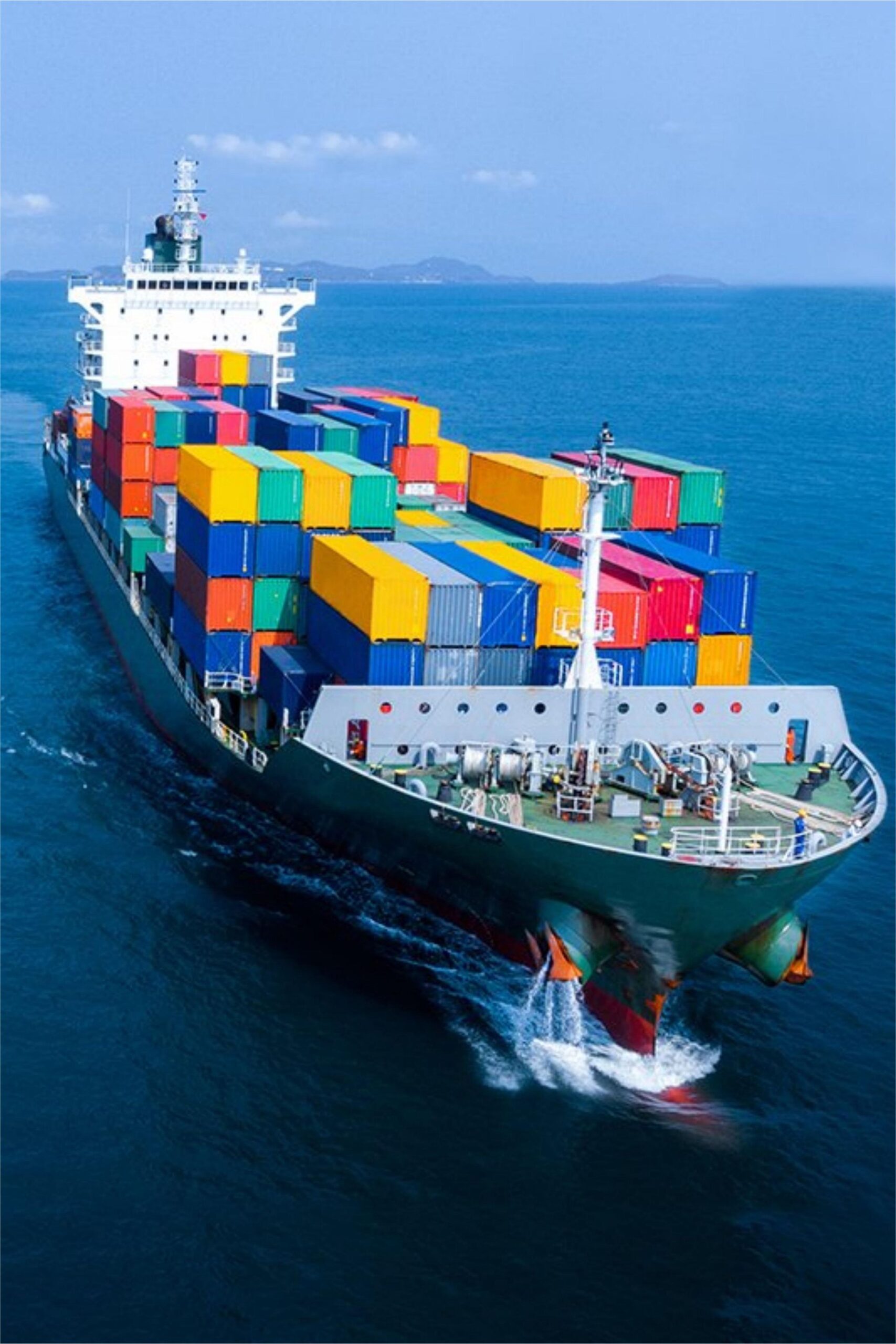
Market data suggests that freight rates have stabilized in early 2026 following the disruptions of previous years. However, seasonal peaks during the Golden Week and before the Chinese New Year still cause price surges.
Therefore, booking your space at least 3-4 weeks in advance is highly recommended. This proactive approach helps you secure lower rates and guaranteed space on major vessels.
Transit times vary significantly depending on the destination port in Canada. Shipments to Vancouver are much faster than those heading to Montreal or Halifax due to the geographical proximity to China.
Note: Freight rates are subject to change based on fuel costs, carrier capacity, and seasonal demand. Contact us for a current quote tailored to your specific shipment.
| Route | 20GP Container | 40HQ Container | Transit Time |
|---|---|---|---|
| China to Vancouver | $1,600-$2,100 | $2,700-$3,600 | 14-18 Days |
| China to Toronto | $2,400-$3,200 | $4,200-$5,500 | 28-35 Days |
| China to Montreal | $2,500-$3,400 | $4,400-$5,800 | 30-38 Days |
| China to Calgary | $2,200-$2,900 | $3,800-$4,900 | 22-28 Days |
Customs Clearance and Essential Documentation
Navigating Canadian customs requires meticulous attention to detail and accurate documentation. Utilizing a professional customs brokerage service can prevent your cargo from being held for inspections.
Furthermore, you must ensure that all commercial invoices and packing lists match the physical cargo exactly. Discrepancies often lead to fines or lengthy delays that disrupt your entire supply chain.
Specifically, the Canada Border Services Agency (CBSA) requires digital filing through the eManifest system. A qualified freight forwarder China to Canada will handle these electronic submissions on your behalf.
Additionally, understanding the Harmonized System (HS) codes for your products is vital. These codes determine the duty rates and taxes applicable to your imports, directly impacting your profit margins.
Door to Door and Amazon FBA Solutions
Many modern importers prefer a door to door service to simplify their logistics. This comprehensive option includes pickup, shipping, customs clearance, and final delivery to your warehouse.
Moreover, e-commerce sellers often require specialized Amazon FBA shipping services. These solutions ensure that your inventory meets all of Amazon’s strict labeling and packaging requirements.
Consequently, using an all-in-one service reduces the number of touchpoints for your cargo. Fewer handovers mean a lower risk of damage and a more streamlined communication process for your team.
Indeed, choosing DDP (Delivered Duty Paid) terms can further simplify the process. Under DDP, the forwarder handles all taxes and duties, providing you with a single, transparent price for the entire journey.
Real-World Case Studies for China to Canada Shipping
Reviewing actual shipping scenarios helps businesses understand what to expect in terms of costs and timelines. These examples reflect typical market conditions as of early 2026.
Case Study 1: Shenzhen to Vancouver. Cargo: Consumer Electronics, 68 CBM, 12,500 kg. Container: 40HQ. Shipping Method: Sea Freight via COSCO. Port of Loading: Shenzhen. Port of Discharge: Vancouver. Route Type: Direct. Ocean Freight: $2,950. Origin Charges: $450. Destination Charges: $600. Customs and Duties: $1,200. Total Landed Cost: $5,200. Timeline: 16 days transit, 21 days door-to-door. Key Insight: Direct sailing saved 5 days compared to transshipment options.
Case Study 2: Shanghai to Toronto. Cargo: Home Furniture, 12 CBM, 2,400 kg. Container: LCL. Shipping Method: Sea Freight. Port of Loading: Shanghai. Port of Discharge: Toronto (via Vancouver rail). Route Type: Intermodal. Ocean Freight: $1,100. Origin Charges: $250. Destination Charges: $400. Customs and Duties: $800. Total Landed Cost: $2,550. Timeline: 32 days door-to-door. Key Insight: Using LCL was 40 percent cheaper than a half-empty 20GP container.
Case Study 3: Ningbo to Montreal. Cargo: Seasonal Apparel, 2.5 CBM, 450 kg. Shipping Method: Air Freight. Port of Loading: Ningbo. Port of Discharge: Montreal. Route Type: Indirect via Chicago. Air Freight: $2,800. Origin Charges: $150. Destination Charges: $200. Customs and Duties: $650. Total Landed Cost: $3,800. Timeline: 6 days total. Key Insight: Fast transit allowed the client to meet a critical retail launch deadline.
Which Shipping Option Should You Choose?
Deciding on the best method depends on your specific business priorities and cargo characteristics. If budget is your primary concern and you have flexible timelines, sea freight is the undisputed winner.
However, if you are shipping high-value items or need to restock inventory quickly, air freight is worth the investment. It minimizes the risk of theft and ensures your products reach the market while demand is high.
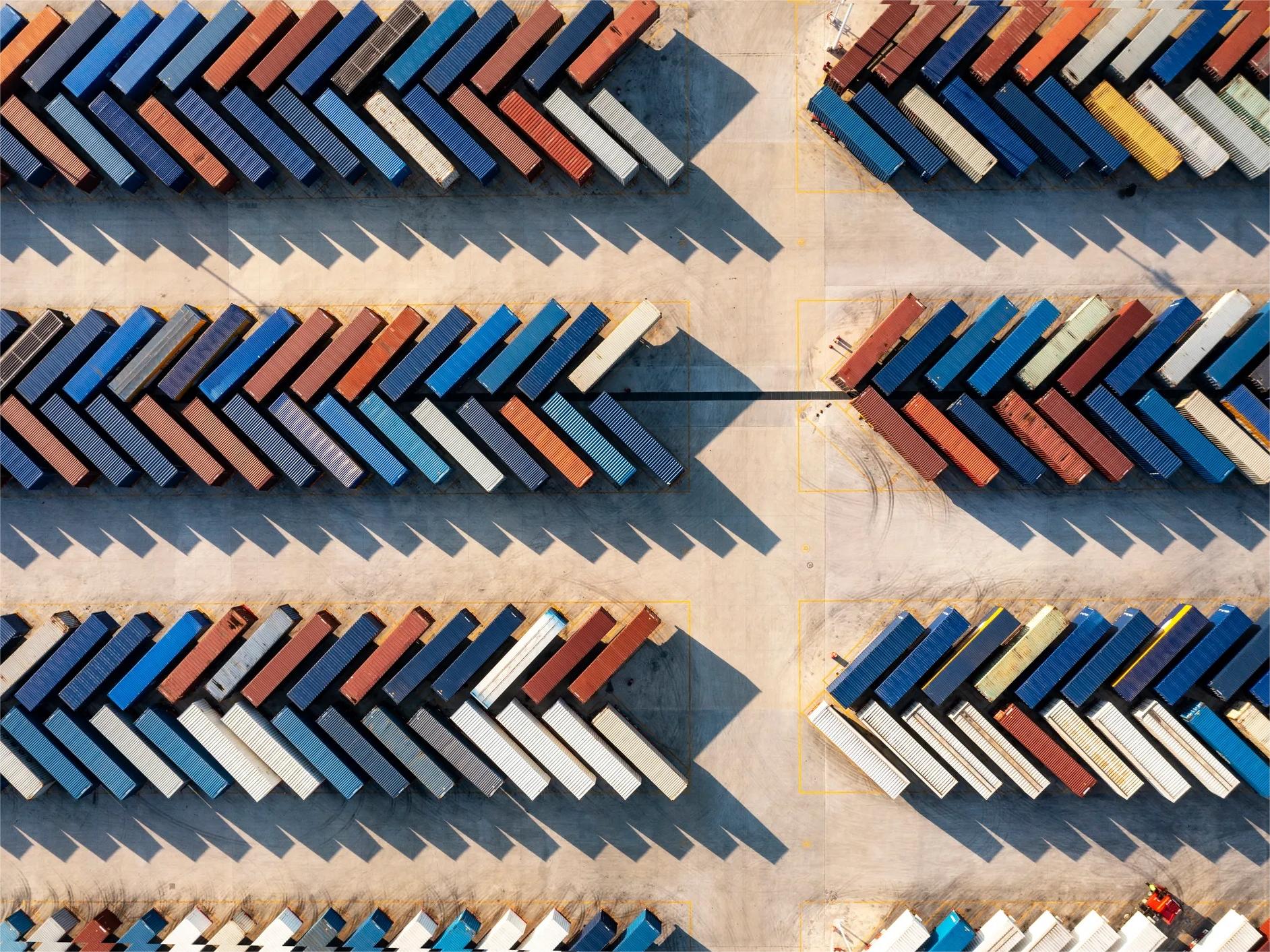
Meanwhile, consider the volume of your shipment. For loads over 15 CBM, a 20GP container usually offers the best value. For smaller loads, LCL or express services are more appropriate.
To summarize, your choice should balance cost, speed, and reliability. Consult with your freight forwarder China to Canada to analyze your specific needs and develop a tailored logistics strategy.
Final Thoughts on Choosing a Freight Forwarder China to Canada
Successfully importing goods requires a strategic approach and a dependable freight forwarder China to Canada. By understanding the various shipping methods, costs, and customs requirements, you can optimize your logistics for maximum efficiency.
Furthermore, staying informed about 2026 market trends allows you to anticipate changes and adjust your strategy accordingly. Partnering with experts like Top China Logistics ensures that your cargo is in safe hands from start to finish.
In conclusion, the right logistics partner does more than just move boxes; they provide the foundation for your international business growth. Start planning your next shipment today to take advantage of competitive rates and reliable service.
Need a tailored shipping solution?
Streamline your supply chain today with a reliable freight forwarder China to Canada. Contact Top China Logistics for a personalized quote and expert guidance on your next shipment. Send Inquiry link: Visit https://topchinalogistics.com/ to get started.
Frequently Asked Questions
How long does shipping from China to Canada take?
What is the cheapest way to ship from China to Canada?
What documents are needed for Canadian customs?
Do I need insurance for my shipment?
Can a freight forwarder handle Amazon FBA shipments?
What are the common ports of entry in Canada?
How are shipping costs calculated in 2026?
Does DDP shipping include all taxes?