


China Logistics Warehouse and Fulfillment Service: 2026 Guide
Optimizing your global supply chain requires a robust China logistics warehouse and fulfillment service to manage inventory effectively. Many businesses struggle with rising costs and complex customs regulations when importing from Asia. However, partnering with a professional provider ensures your goods reach customers faster while maintaining high quality standards throughout the transit process.
What is a China Logistics Warehouse and Fulfillment Service?
Modern commerce demands a sophisticated China logistics warehouse and fulfillment service to bridge the gap between manufacturing and the final consumer. These services encompass receiving goods from factories, storing them in strategic locations, and picking and packing orders for individual customers or retail centers. Consequently, businesses can reduce their local storage overhead and take advantage of lower labor costs in China.
Furthermore, integrated supply chain management allows for real-time visibility into inventory levels across the globe. Third-party logistics providers now utilize advanced automated sorting technology to handle thousands of SKUs with precision. This evolution in cross-border e-commerce logistics ensures that even small businesses can compete on a global scale. In addition, bonded warehouse services allow companies to store goods without paying immediate duties, significantly improving cash flow management.
Efficiency remains the cornerstone of any successful operation in the current 2026 market environment. Most providers now offer last-mile delivery solutions that connect directly with local couriers in destination countries. Therefore, the transition from a Chinese factory to a doorstep in New York or London becomes a seamless experience for the buyer. Investing in professional fulfillment means you can focus on marketing while experts handle the heavy lifting of physical distribution.
How Does Sea Freight Compare to Other Shipping Options?
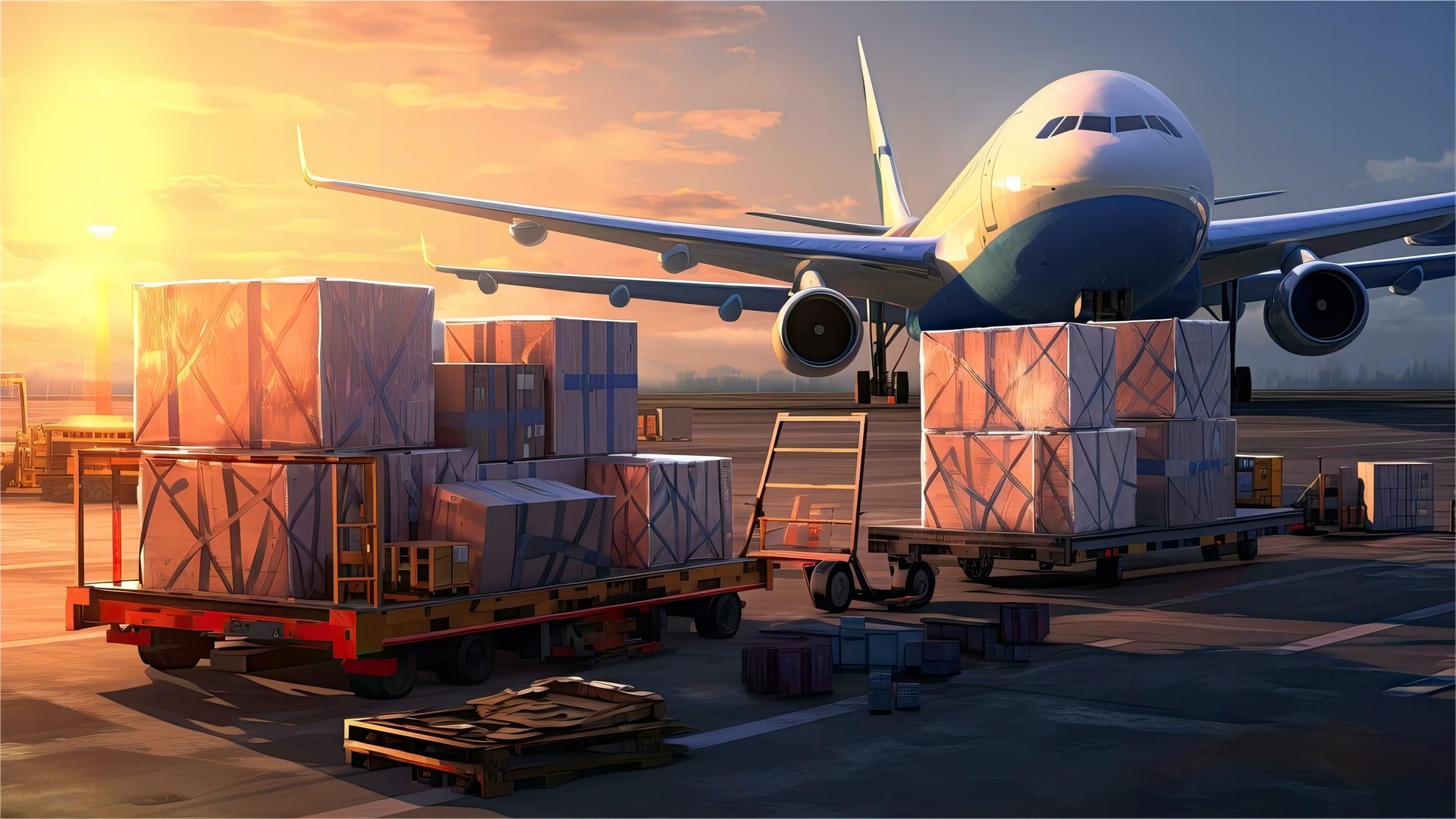
Choosing the right transport method is critical for maintaining healthy profit margins in 2026. While sea freight remains the most popular choice for bulk cargo, other methods offer distinct advantages based on speed and volume. For instance, air transport is unbeatable for high-value electronics that need to hit the market before a trend fades. Meanwhile, rail options provide a middle ground for shipments heading toward Central and Western Europe.
Cost-effective warehousing solutions often rely on slow but steady ocean routes to keep landed costs low. Nevertheless, if your inventory runs low unexpectedly, you might need a faster alternative to avoid stockouts. Understanding the trade-offs between cost and transit time is essential for any logistics manager. To summarize, each method serves a specific purpose in a balanced inventory management system.
| Shipping Method | Cost Range | Transit Time | Best For |
|---|---|---|---|
| Sea Freight (FCL) | $2,500 – $4,500 | 25-40 Days | Large Bulk Orders |
| Air Freight | $5.50 – $9.00/kg | 3-7 Days | Urgent/High Value |
| Rail Freight | $1,200 – $2,200 | 18-24 Days | Europe Shipments |
| Express Service | $8.00 – $12.00/kg | 2-5 Days | Small Samples |
Which Option Should You Choose for Your Business?
Budget priority dictates that sea freight is usually the winner for non-urgent shipments exceeding 15 cubic meters. If your cargo is smaller, LCL (Less than Container Load) shipping offers a flexible way to share space and costs with other importers. On the other hand, speed priority necessitates using air freight to meet tight deadlines or seasonal peaks. Without a doubt, the nature of your product heavily influences this decision.
Volume thresholds often determine when it is time to switch from express couriers to palletized freight. For example, once your weekly volume hits 200kg, traditional air freight becomes significantly cheaper than DHL or FedEx. Additionally, hybrid solutions like sea-air combinations can save 30% on costs compared to pure air freight while saving 50% on time compared to sea. Market data suggests that 2026 will see more businesses adopting these multimodal strategies to combat port congestion.
Cargo type considerations are equally important when selecting a China logistics warehouse and fulfillment service. Dangerous goods, oversized machinery, or temperature-sensitive items require specialized handling that only certain providers can offer. Indeed, verify that your chosen partner has the necessary certifications for your specific niche. Consequently, you will avoid costly delays and potential fines at the port of entry.
The Role of Customs Brokerage in Global Fulfillment
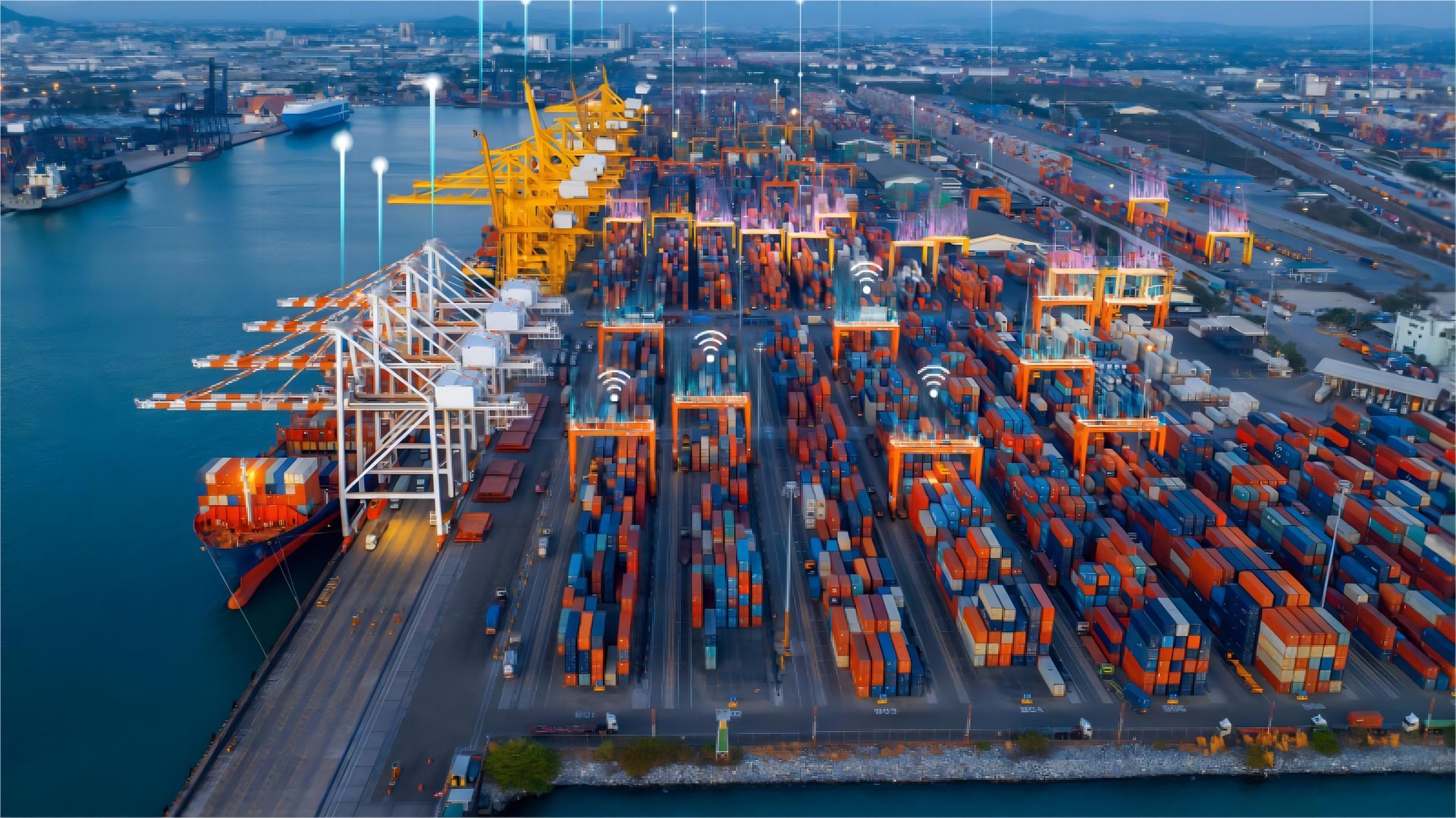
Navigating international trade laws requires the expertise of a dedicated customs brokerage professional. As of Q1 2026, new environmental regulations in the EU and North America have added layers of complexity to the documentation process. Therefore, having a partner who understands the latest tariff codes and compliance requirements is invaluable. Moreover, improper paperwork is the leading cause of shipment seizures and long delays.
Accurate classification of your goods ensures you pay the correct amount of duties and taxes. For instance, mislabeling a product can lead to penalties that far exceed the original shipping cost. Meanwhile, a proactive broker will identify opportunities for duty drawbacks or tax exemptions under specific trade agreements. Indeed, the goal is to move your cargo through the border with as little friction as possible.
Documentation checklists should be reviewed well before the cargo leaves the factory. This typically includes the commercial invoice, packing list, bill of lading, and certificate of origin. In addition, certain products like electronics may require specific safety certifications for the destination market. Consequently, a comprehensive China logistics warehouse and fulfillment service will include a thorough audit of these documents as part of their standard procedure.
| Document Name | Purpose | Required By | Timing |
|---|---|---|---|
| Commercial Invoice | Value Declaration | Customs | At Export |
| Packing List | Cargo Details | Warehouse/Customs | At Loading |
| Bill of Lading | Title of Goods | Carrier | After Departure |
| COO | Origin Proof | Customs | At Entry |
Strategic Benefits of Using Amazon FBA from China
Sellers looking to scale quickly often utilize Amazon FBA services directly from China. This model allows you to ship inventory from the manufacturer to Amazon’s fulfillment centers without ever touching the product yourself. Consequently, you save on domestic shipping costs and reduce the time it takes to go live on the platform. However, Amazon has strict requirements for labeling and packaging that must be followed perfectly.
Fulfillment centers in China can perform pre-shipment inspections to ensure every unit meets quality standards before it leaves. Furthermore, they can bundle products or add marketing inserts that the factory might not be equipped to handle. As a result, your brand presentation remains consistent and professional for every customer. Additionally, using a prep service in China is significantly cheaper than using one located in the USA or Europe.
Inventory management becomes much simpler when your 3PL provider integrates directly with your Amazon Seller Central account. Real-time tracking capabilities allow you to monitor stock levels and trigger reorders before you run out of stock. Meanwhile, your China logistics warehouse and fulfillment service can hold backup inventory locally in China to replenish FBA centers quickly. Therefore, you maintain a high IPI score and avoid expensive long-term storage fees at Amazon.
Realistic Case Studies for 2026 Shipments
Case Study 1: High-Volume Apparel to Germany. Route: Shanghai, China to Hamburg, Germany. Cargo: 5,000 units of cotton hoodies, 18 CBM, 4,200 kg. Container: LCL 18 CBM. Carrier: Major carrier. Port of Loading: Shanghai. Port of Discharge: Hamburg. Route Type: Direct. Ocean Freight: $2,150. Origin Charges: $450. Destination Charges: $600. Customs and Duties: $1,200. Total Landed Cost: $4,400. Timeline: Booking to Loading: 3 days. Sea Transit: 32 days. Customs Clearance: 2 days. Total Door-to-Door: 37 days. Key Insight: Consolidating multiple factory orders into one LCL shipment reduced costs by 15% compared to individual air shipments.
Case Study 2: Electronics Launch to USA West Coast. Route: Shenzhen, China to Los Angeles, USA. Cargo: Smart home devices, 8 CBM, 1,500 kg. Container: LCL. Carrier: Matson (Expedited). Port of Loading: Shenzhen. Port of Discharge: Los Angeles. Route Type: Direct. Ocean Freight: $1,800. Origin Charges: $350. Destination Charges: $500. Customs and Duties: $2,100. Total Landed Cost: $4,750. Timeline: Booking to Loading: 2 days. Sea Transit: 14 days. Customs Clearance: 3 days. Total Door-to-Door: 19 days. Key Insight: Using an expedited sea service allowed the client to meet their launch date at 40% of the cost of air freight.
Note: Freight rates are subject to change based on fuel costs, carrier capacity, and seasonal demand. Contact us for a current quote tailored to your specific shipment.

Future Trends in China Logistics Warehouse and Fulfillment Service
Technological integration is the primary driver of change in the logistics industry as we move through 2026. AI-driven demand forecasting now helps warehouses position inventory closer to the likely point of sale. Moreover, blockchain technology is being used to create immutable records of every step in the supply chain. This transparency builds trust between manufacturers, logistics providers, and consumers. Consequently, the risk of lost or tampered goods is at an all-time low.
Sustainability has also become a non-negotiable factor for many global brands. Many warehouses in China are now adopting solar power and electric delivery fleets to reduce their carbon footprint. Furthermore, eco-friendly packaging materials are replacing traditional plastics in the picking and packing process. Indeed, consumers are increasingly choosing brands that demonstrate environmental responsibility. Therefore, your choice of a China logistics warehouse and fulfillment service can impact your brand reputation.
Automation in the warehouse environment continues to accelerate, with robots handling more of the repetitive tasks. This leads to higher accuracy in order fulfillment and faster processing times during peak seasons. Meanwhile, human workers are shifting toward more complex roles like quality control and strategic planning. As a result, the overall efficiency of the China logistics warehouse and fulfillment service sector has improved by nearly 25% over the last two years.
Final Thoughts on Global Fulfillment Strategy
Mastering your international operations requires more than just a place to store goods. It demands a comprehensive China logistics warehouse and fulfillment service that integrates shipping, storage, and compliance. By choosing the right partner, you can navigate the complexities of 2026 trade with confidence and ease.
Remember that the cheapest option is not always the most cost-effective in the long run. Focus on reliability, transparency, and technological capability when evaluating potential providers. Consequently, your business will be well-positioned to thrive in the competitive global marketplace of tomorrow.
Get Your Shipping Quote Today
Ready to optimize your supply chain with a reliable China logistics warehouse and fulfillment service? Contact Top China Logistics today to receive a customized quote and expert advice for your 2026 shipping needs. Send Inquiry
Frequently Asked Questions
What are the benefits of a China-based fulfillment center?
Storing goods in China reduces local overhead and allows for cheaper labor. It also enables faster replenishment of global stock and easier quality control before international shipping.
How long does it take to ship from China to the USA in 2026?
Expedited sea freight takes about 14-18 days to the West Coast. Standard sea freight to the East Coast typically takes 30-35 days, while air freight takes 3-7 days.
Can a logistics provider handle Amazon FBA prep?
Yes, most professional providers offer labeling, kitting, and packaging services that meet Amazon’s strict requirements. This ensures your products are ready for immediate sale upon arrival.
What is the difference between FCL and LCL shipping?
FCL means you rent a whole container for your goods. LCL involves sharing container space with other shippers, which is more economical for smaller volumes under 15 CBM.
Are there additional taxes when importing from China?
Import duties and VAT vary by country and product type. Working with a customs broker helps you accurately calculate these costs and identify potential tax savings.
How do I track my inventory in a Chinese warehouse?
Top-tier providers offer digital inventory management systems. These platforms provide real-time visibility into stock levels, order status, and shipping milestones via a web portal.
What happens if my goods are damaged during transit?
Most logistics companies offer cargo insurance to protect against loss or damage. It is highly recommended to purchase this coverage for high-value or fragile shipments.
Is rail freight a viable option for Australia?
No, rail freight is only available for land-based routes like China to Europe or Central Asia. Shipments to Australia must use sea or air freight methods.