

China Warehouse Fulfillment Service Global: 2026 Logistics Guide
Managing an international supply chain requires a reliable china warehouse fulfillment service global to handle inventory and shipping with precision. Top China Logistics offers comprehensive solutions that bridge the gap between Chinese manufacturing and your global customers. By utilizing strategic warehouse hubs, businesses can reduce lead times and significantly lower operational costs in the current 2026 market. This guide explores how to leverage these services to scale your business effectively.

What is a China Warehouse Fulfillment Service Global?
A china warehouse fulfillment service global involves the storage, picking, packing, and shipping of products directly from China to international destinations. This model allows businesses to keep inventory close to the source of production, which minimizes domestic transport costs within China. Furthermore, it enables faster processing of orders as products move directly from the factory to a centralized fulfillment hub.
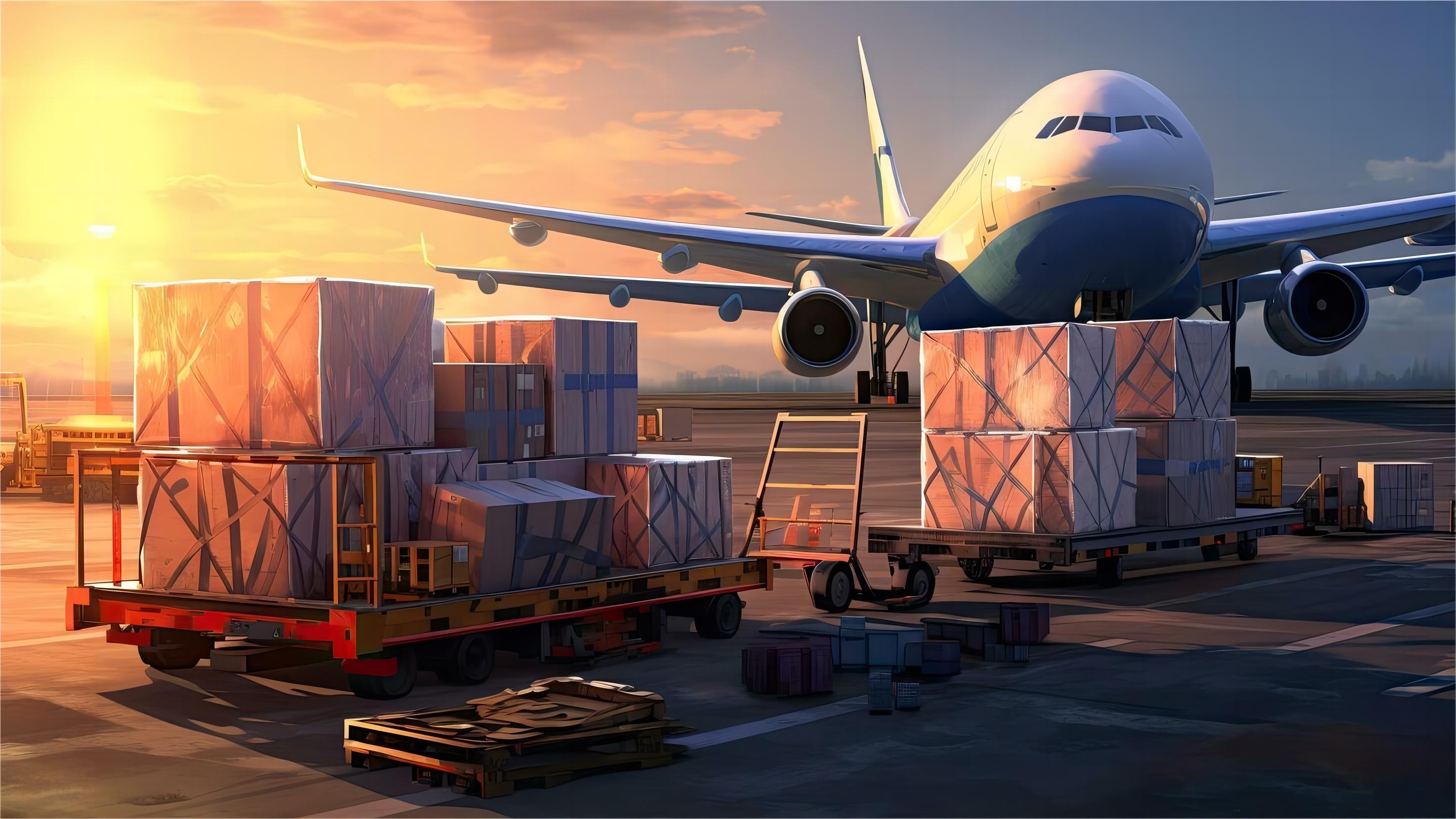
Specifically, these services integrate advanced warehouse management systems (WMS) to track inventory levels in real-time. Consequently, sellers can maintain better control over their stock without needing physical warehouses in every target country. This centralized approach is particularly beneficial for e-commerce brands looking to reach a worldwide audience quickly.
How Does China Warehouse Fulfillment Service Global Compare to Other Shipping Options?
Choosing the right logistics path is critical for maintaining healthy profit margins and customer satisfaction. While some businesses prefer local fulfillment in their home country, using a china warehouse fulfillment service global offers unique advantages in terms of cost and flexibility. In contrast, local fulfillment often involves high storage fees and complex import duties before a single sale is even made.
Moreover, the choice between different transport modes like sea freight and air freight depends heavily on your budget and timeline. For instance, sea freight remains the most economical choice for high-volume shipments, whereas air freight is essential for time-sensitive goods. Below is a detailed comparison of the primary shipping methods available in 2026.
| Shipping Method | Cost Range | Transit Time | Best For | Limitations |
|---|---|---|---|---|
| Sea Freight (FCL) | $1,500 – $4,500 | 18 – 35 Days | Bulk Inventory | Slowest speed |
| Air Freight | $4.50 – $9.00/kg | 3 – 7 Days | High-value goods | Expensive |
| Rail Freight | $1,200 – $2,800 | 15 – 22 Days | Europe shipments | Land routes only |
| Express Courier | $7.00 – $12.00/kg | 2 – 5 Days | Small samples | Weight limits |
Why You Need a Strategic Fulfillment Partner in 2026
The global logistics landscape has evolved rapidly, and as of Q1 2026, freight rates from China have stabilized after previous disruptions. Nevertheless, navigating customs regulations and fluctuating fuel surcharges requires professional expertise. A dedicated partner ensures that your cargo handling is efficient and that all documentation is compliant with international laws.
Additionally, many sellers now utilize Amazon FBA services to streamline their last-mile delivery. By combining a China-based warehouse with FBA, you can maintain a buffer stock in China and only send what is needed to Amazon centers. This hybrid strategy reduces long-term storage fees and prevents stockouts during peak seasons.
Which Shipping Option Should You Choose?
Selecting the ideal shipping method requires a careful balance of speed, cost, and cargo type. If your priority is budget and you are shipping large volumes, sea freight is the undisputed leader. However, if you are launching a new product and need to test the market quickly, air freight might justify the higher cost.
Consider the following criteria for your 2026 strategy. For shipments under 15 CBM, LCL (Less than Container Load) is often more economical than a full container. Conversely, once you exceed 15 CBM, booking a 20GP container usually provides better security and a lower per-unit cost. Always factor in the transit time to ensure your delivery schedule aligns with customer expectations.
Alternative Strategies for Global Fulfillment
Beyond standard shipping, several alternative strategies can optimize your supply chain. For example, sea-air hybrid solutions involve shipping by sea to a hub like Dubai and then flying the goods to the final destination. This approach is often 30-50% faster than sea freight and significantly cheaper than pure air freight.
Another effective strategy involves transshipment through Southeast Asian ports to avoid certain trade restrictions or port congestion. While direct routes cost 10-15% more, they save 5-7 days compared to transshipment via Singapore. Businesses must weigh these trade-offs based on their specific inventory turnover rates and cash flow requirements.
The Importance of Professional Customs Brokerage
Navigating the complexities of international trade requires a deep understanding of import and export regulations. Utilizing a professional customs brokerage service is essential to avoid costly delays and penalties. These experts ensure that your HTS codes are accurate and that all duties are calculated correctly at the port of entry.
Furthermore, customs requirements vary significantly between regions like North America and Europe. In 2026, new digital filing requirements have made accuracy even more critical. A reliable fulfillment partner will manage these details, allowing you to focus on marketing and brand growth without worrying about border issues.
Real-World Case Studies in 2026
Case Study 1: E-commerce Electronics to USA
Route: Shenzhen, China to Los Angeles, USA. Cargo: Consumer Electronics, 12 CBM, 2,500 kg. Shipping Method: LCL Sea Freight. Ocean Freight: $1,250. Origin Charges: $350. Destination Charges: $450. Customs and Duties: $1,100. Total Landed Cost: $3,150. Sea Transit: 16 days. Total Door-to-Door: 24 days. Key Insight: Using LCL allowed the client to maintain weekly stock updates without the cost of a full container.
Case Study 2: Home Decor to Germany
Route: Ningbo, China to Hamburg, Germany. Cargo: Wooden Furniture, 68 CBM. Container: 40HQ. Shipping Method: FCL Sea Freight via air freight for urgent samples, then sea freight for bulk. Ocean Freight: $3,800. Origin Charges: $500. Destination Charges: $650. Customs: $1,400. Total Landed Cost: $6,350. Sea Transit: 32 days. Total Door-to-Door: 42 days. Key Insight: Planning 45 days in advance helped avoid peak season surcharges in Q3 2025.

Cost-Saving Strategies for International Shipments
Reducing logistics expenses is a primary goal for any business using a china warehouse fulfillment service global. One effective method is cargo consolidation, where multiple small orders are combined into a single shipment to share fixed costs. Additionally, optimizing your packaging to reduce volumetric weight can lead to significant savings on air freight and express services.
Indeed, negotiating long-term contracts with carriers can provide stability in a volatile market. According to industry benchmarks, shippers who commit to annual volumes often receive 10-15% discounts compared to spot market rates. Meanwhile, staying informed about regional holidays like the Chinese New Year is vital for avoiding the 20-30% price spikes that typically occur during those periods.
Mastering Global Fulfillment from China
In conclusion, implementing a china warehouse fulfillment service global is a transformative step for any international brand. By centralizing your inventory and choosing the right mix of sea, air, and rail freight, you can achieve a balance between speed and cost-efficiency. The 2026 market offers numerous opportunities for those who partner with experienced logistics providers.
Remember that freight rates are subject to change based on fuel costs, carrier capacity, and seasonal demand. Contact us for a current quote tailored to your specific shipment. With the right strategy, your business can navigate the complexities of global trade and deliver exceptional value to customers worldwide.

Need a tailored shipping solution?
Streamline your global operations today with a tailored china warehouse fulfillment service global. Contact our logistics experts at Top China Logistics to receive a competitive quote and optimize your 2026 shipping strategy. Visit our website to learn more about our end-to-end solutions. Send Inquiry: topchinalogistics.com