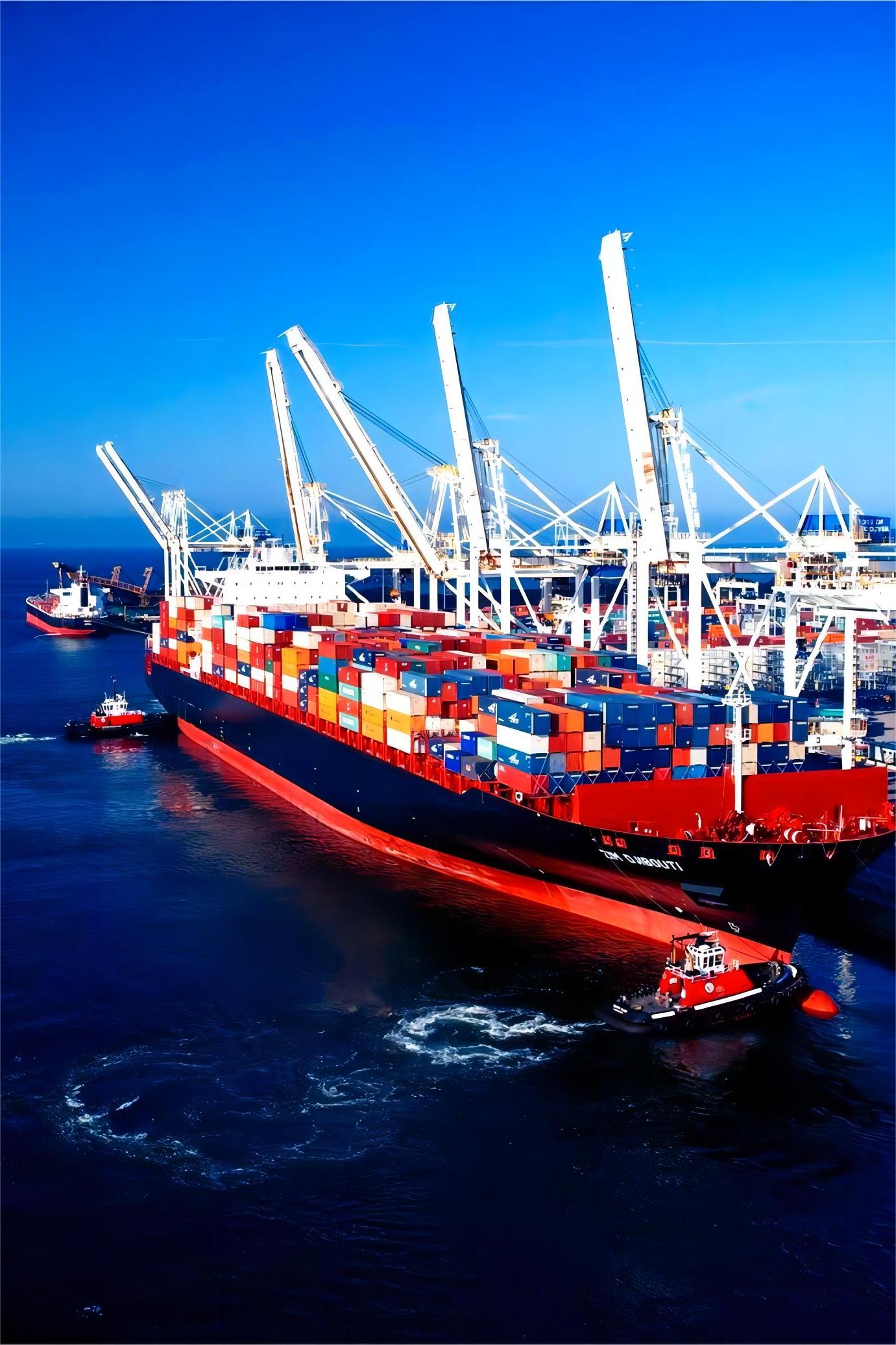

Amazon FBA Prep and Shipping China: 2026 Expert Guide
Optimizing your amazon FBA prep and shipping china strategy is essential for maintaining high profit margins and ensuring product quality in 2026. Many sellers struggle with the complexities of international logistics and strict fulfillment center requirements when importing from Asian markets. By partnering with a reliable partner like Top China Logistics, you can streamline your entire supply chain from the factory floor to the Amazon warehouse.
Why amazon FBA prep and shipping china is Critical for Success
Success in the e-commerce landscape of 2026 requires more than just a great product; it demands a flawless logistics execution. Furthermore, the Amazon marketplace has become increasingly competitive, making shipping efficiency a primary differentiator for top-tier sellers. Consequently, understanding the nuances of Amazon FBA requirements in China can prevent costly delays and inventory rejections.
Managing quality control at the source allows you to identify defects before the goods leave the country. Additionally, professional prep services ensure that every unit is labeled, poly-bagged, and boxed according to the latest 2026 Amazon standards. Meanwhile, this proactive approach minimizes the risk of your account being penalized for non-compliance issues.
Logistics trends in 2026 show that sellers who integrate prep services into their shipping workflow save an average of 15 percent on total landed costs. Therefore, choosing a comprehensive solution that handles both preparation and transit is a strategic move for growing brands. Indeed, the integration of these two steps reduces the number of hands touching your product, which lowers the likelihood of damage during handling.
Essential Steps for Amazon FBA Prep and Shipping China
First, you must ensure your supplier understands the specific packaging requirements for your product category. For instance, fragile items require specific dunnage and double-wall boxes to withstand the rigors of international transit. Moreover, every individual unit must have a scannable FNSKU label that is clearly visible and correctly placed.
Second, the master cartons must meet weight and dimension limits set by Amazon to avoid oversized shipping fees. Specifically, cartons should generally not exceed 23kg unless the individual item inside is heavier. In addition, you must apply the correct shipping labels to at least two sides of each master carton before dispatching the load.
Third, coordinating the handover between the factory and your freight forwarder is a vital step in the delivery schedule. As a result, clear communication regarding the ready date and pickup location prevents unnecessary storage fees at the origin. Notably, using a forwarder with local Chinese warehouses can provide a buffer for consolidating multiple orders into a single shipment.
How Does amazon FBA prep and shipping china Compare to Other Shipping Options?
Evaluating different transport modes is necessary to balance speed and budget for your 2026 inventory planning. While sea freight remains the most cost-effective choice for bulk orders, it requires a longer lead time. Conversely, air transport offers rapid replenishment but at a significantly higher price point per kilogram.
Market data suggests that hybrid solutions, such as sea-to-truck or rail-to-truck, are becoming more popular for mid-sized shipments. For example, rail freight offers a middle ground for shipments to Europe, providing faster transit than sea at a lower cost than air. Nevertheless, each method has specific limitations regarding cargo type and volume thresholds that you must consider.
Choosing between FCL and LCL is another critical decision for sea-bound inventory. If you have enough volume to fill a 20-foot container, FCL provides better security and faster handling at the port. On the other hand, LCL is perfect for smaller batches, though it involves more handling as multiple sellers share the same container space.
| Shipping Method | Cost Range | Transit Time | Best For |
|---|---|---|---|
| Sea Freight (FCL) | $2,500 – $5,500 | 25-40 Days | Bulk Inventory |
| Air Freight | $5.50 – $11.00/kg | 4-8 Days | High-Value Goods |
| Rail Freight | $1,800 – $3,200 | 18-24 Days | Europe Shipments |
| Express Service | $8.00 – $14.00/kg | 3-5 Days | Urgent Restocks |

Strategic Alternatives and Cost-Saving Approaches
Sellers often look for ways to reduce their shipping costs 2026 without sacrificing the reliability of their supply chain. One effective strategy is to utilize a sea-air hybrid model, where goods are shipped by sea to a hub like Dubai and then flown to the final destination. This approach can save up to 40 percent compared to pure air freight while cutting sea transit time in half.
Another alternative involves shipping to a third-party logistics provider near the Amazon warehouse rather than shipping directly to FBA. Consequently, you can store bulk inventory at lower rates and drip-feed stock into Amazon as needed to avoid high storage fees. This method also allows for easy inspection and re-labeling if Amazon requirements change mid-season.
Consider consolidating shipments from multiple Chinese suppliers into one full container. By doing this, you avoid the higher per-unit costs of LCL shipping and reduce the complexity of customs clearance. Furthermore, direct-to-consumer shipping from China is a viable alternative for lightweight products, bypassing FBA storage entirely.
Navigating Customs and Documentation in 2026
Proper documentation is the backbone of a smooth import process and avoids expensive port congestion delays. You must ensure that your commercial invoice, packing list, and bill of lading are 100 percent accurate. Indeed, even a small discrepancy in product descriptions can lead to a detailed customs inspection and significant fines.
Utilizing a professional customs brokerage service is highly recommended for navigating 2026 trade regulations. These experts stay updated on the latest tariff changes and ensure that your goods are classified under the correct HS codes. As a result, you can avoid overpaying on duties and ensure your cargo moves through the port without friction.
Keep in mind that some products may require specific certifications, such as UL for electronics or FDA for health-related items. Therefore, you should verify all compliance documents before the shipment leaves the factory in China. Missing paperwork at the destination port can lead to the seizure of your inventory or permanent destruction of the goods.
Real Case Studies for amazon FBA prep and shipping china
Case Study 1: Shenzhen to Los Angeles Electronics Shipment. A seller moved 450 units of smart home devices using air freight to meet a Q4 launch deadline. The total landed cost was $4,200, but the goods arrived and cleared customs in just 6 days, allowing for a successful product debut. Key Insight: Speed was prioritized over cost to capture peak season sales.
Case Study 2: Ningbo to Hamburg Apparel Restock. This shipment involved 12 CBM of organic cotton t-shirts sent via LCL sea freight. The ocean freight cost was $1,150, with a total door-to-door timeline of 36 days. Key Insight: Planning ahead allowed the seller to maintain a 65 percent profit margin by utilizing the most economical shipping route.
Case Study 3: Guangzhou to Sydney Home Decor. Using door to door service, the seller shipped 50 cartons of ceramic vases. The shipment cost $2,100 including all duties and prep fees, with a 22-day transit time. Key Insight: All-in pricing simplified the accounting process and removed the stress of hidden destination charges.

Which Option Should You Choose? Decision Framework
Selecting the right logistics path depends on your specific business priorities and the nature of your cargo. If your primary goal is budget preservation, sea freight for large volumes is the undisputed winner. However, if you are launching a new product and need to test the market quickly, air express is the better choice.
Volume thresholds play a major role in determining the most efficient method for your brand. For instance, shipments under 100kg are almost always best handled by express couriers like DHL or FedEx. Once you exceed 300kg, traditional air freight becomes more economical, and beyond 2 CBM, sea freight starts to offer the best value.
Cargo type considerations must also be factored into your final decision. Perishable items or highly seasonal goods require the speed of air transport to avoid obsolescence. In contrast, heavy or bulky items like furniture or fitness equipment are cost-prohibitive to ship by air and should remain on sea routes.
| Priority | Recommended Method | Volume Threshold | Key Benefit |
|---|---|---|---|
| Low Cost | Sea Freight (LCL/FCL) | Over 2 CBM | Maximum Margins |
| High Speed | Air Express | Under 150kg | Rapid Restock |
| Balanced | Rail Freight | Over 1 CBM | Reliable Lead Time |
| Convenience | Door-to-Door | Any Size | Hands-Off Process |
Final Thoughts on FBA Logistics from China
Mastering amazon FBA prep and shipping china is a journey of continuous optimization and strategic planning. By understanding the various shipping modes, prep requirements, and customs procedures, you can build a resilient supply chain that supports long-term growth. Furthermore, leveraging professional services ensures that you remain compliant with Amazon ever-evolving standards.
As freight rates and logistics trends shift throughout 2026, staying informed and flexible will be your greatest asset. Whether you choose the speed of air or the economy of sea, the right partner makes all the difference. Start implementing these strategies today to secure your inventory and dominate the Amazon marketplace.
Need a tailored shipping solution?
Ready to optimize your amazon FBA prep and shipping china workflow for 2026? Contact our logistics experts today to receive a customized quote and streamline your supply chain. Visit our contact page to start your inquiry: Visit https://topchinalogistics.com/contact-us/