

Logistics Company China International Shipping: 2026 Strategic Guide
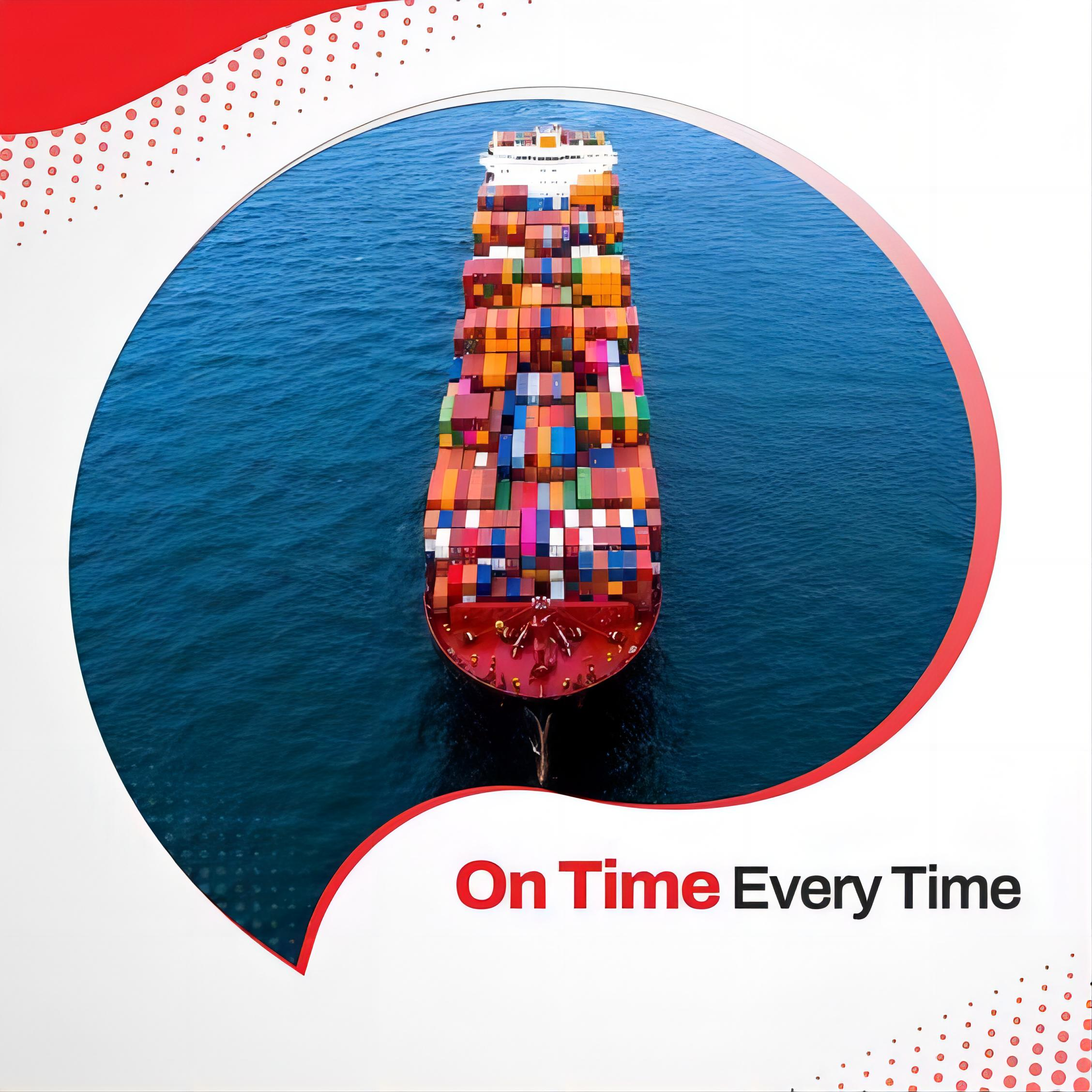
Finding a reliable logistics company china international shipping partner is the most critical decision for global importers in 2026. Many businesses face significant challenges with rising operational costs and complex regulatory environments that demand expert handling. Consequently, this comprehensive guide explores how to optimize your supply chain while navigating the intricacies of modern global trade routes. We will examine the best practices for reducing lead times and securing the most competitive freight rates available in today’s market.

Why Hire a Logistics Company China International Shipping Expert?
Managing global trade requires more than just moving goods from one point to another. Professional logistics providers offer the expertise needed to navigate shifting maritime laws and local port regulations. Furthermore, they provide a buffer against the volatility of 2026 fuel surcharges and carrier capacity fluctuations. By partnering with a specialist, you ensure that your cargo remains compliant with all international safety standards.
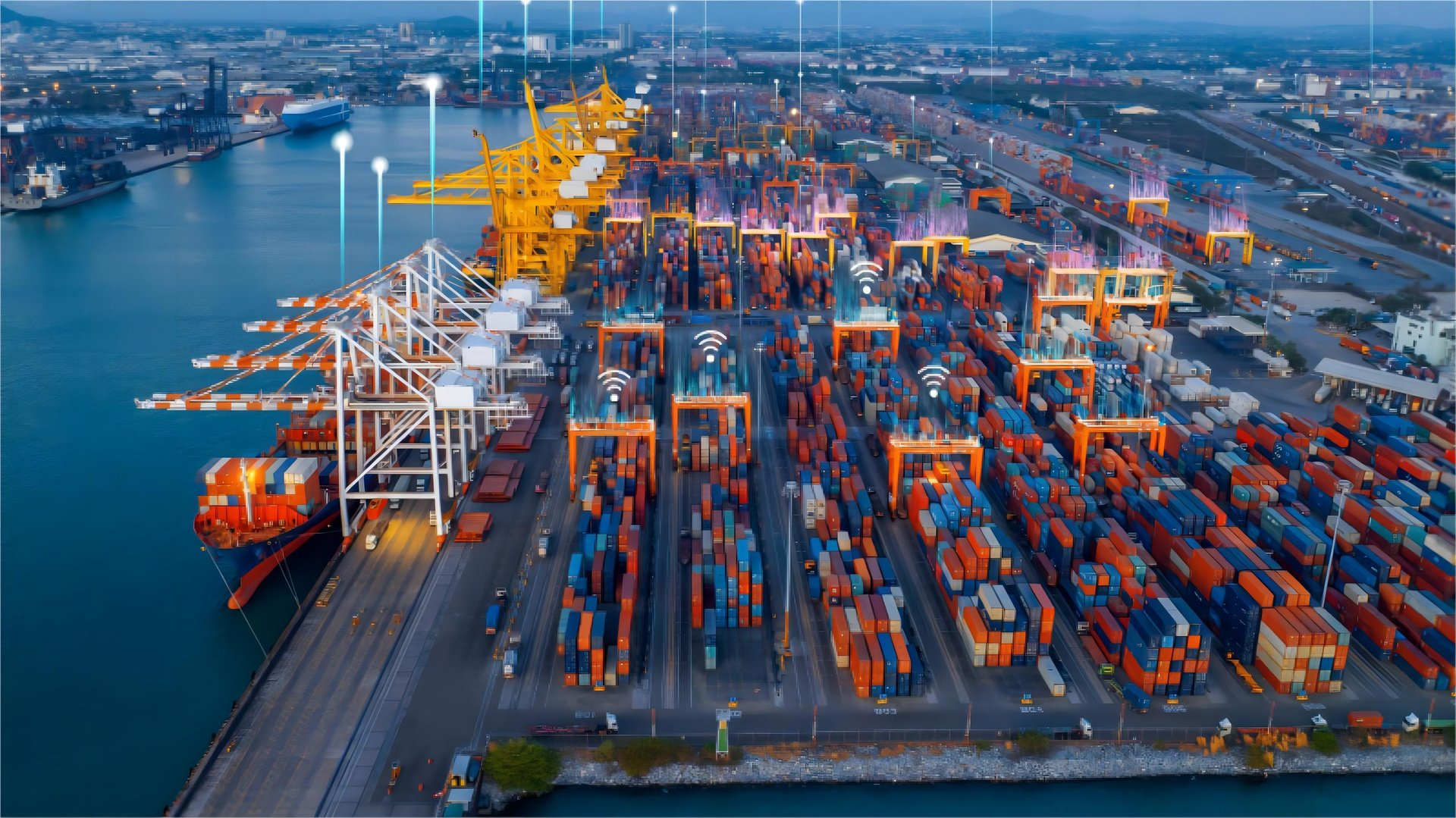
Reliable forwarders also offer advanced tracking technology that provides real-time visibility into your shipment’s journey. This transparency allows businesses to manage inventory more effectively and respond to potential delays before they become critical issues. Moreover, experienced agents have established relationships with major carriers, often securing space during peak seasons when others face roll-overs. Ultimately, the right partner transforms logistics from a cost center into a competitive advantage for your brand.
Cost optimization remains a top priority for every importer in the current economic climate. A seasoned logistics provider analyzes your specific cargo requirements to recommend the most economical shipping mode. They often combine multiple shipments to leverage volume discounts that individual shippers cannot access. Consequently, you benefit from lower per-unit costs and improved profit margins on every order you fulfill from China.
Comparing Logistics Company China International Shipping Methods
Choosing the right transportation mode depends heavily on your budget, timeline, and cargo volume. For large-scale shipments, sea freight remains the industry standard due to its unmatched capacity and cost-effectiveness. However, businesses dealing with high-value or time-sensitive goods often prioritize speed over cost. In such cases, air freight provides the fastest transit times to major global hubs.
Another emerging alternative for transcontinental trade is the modern Silk Road. Specifically, rail freight offers a middle ground between the speed of air and the low cost of sea. This method has become increasingly popular for shipments destined for Central Asia and Europe. Meanwhile, small parcels and urgent documents are best handled through specialized express networks that guarantee rapid delivery.
| Method | Avg. Transit Time | Cost Level | Best For |
|---|---|---|---|
| Sea Freight | 25-45 Days | Low | Bulk Goods & FCL |
| Air Freight | 3-7 Days | High | Electronics & Urgent |
| Rail Freight | 15-22 Days | Medium | Industrial Parts |
| Express | 2-5 Days | Very High | Samples & Small Parcels |
Navigating Customs Brokerage and Compliance in 2026
Customs regulations have become increasingly stringent as global trade security protocols evolve. Therefore, utilizing a professional customs brokerage service is essential to avoid costly penalties and shipment seizures. These experts handle all necessary documentation, including commercial invoices, packing lists, and certificates of origin. They ensure that your HTS codes are accurate to prevent overpayment of duties or compliance audits.
Moreover, a specialized broker understands the nuances of local tax laws and VAT requirements in destination countries. They can advise on duty drawback programs or free trade agreements that might apply to your specific products. As a result, your goods move through ports of entry with minimal friction. Indeed, a proactive approach to compliance is the best way to maintain a predictable delivery schedule.
The Rise of Door-to-Door Logistics Solutions
Modern supply chains demand seamless integration from the factory floor to the final customer. Consequently, door to door shipping has become the preferred choice for many e-commerce and retail businesses. This service eliminates the need for importers to manage multiple vendors or coordinate local trucking at the destination. The logistics provider handles every step, including pickup, international transit, and final mile delivery.
Furthermore, this all-inclusive model provides a single point of contact for the entire shipping process. This simplification reduces the risk of communication breakdowns and ensures that accountability is clear. Many providers now offer specialized fulfillment services that integrate directly with your sales platforms. By streamlining these operations, you can focus on growing your business while the logistics experts handle the physical movement of your goods.
How Does Sea Freight Compare to Other Shipping Options?
When evaluating ocean transport, it is vital to compare it against air and rail alternatives based on current 2026 market data. While sea freight costs roughly $2,200 for a 20GP container to Europe, air freight for a similar volume would exceed $18,000. However, the transit time for sea is nearly six times longer than air. Therefore, you must balance the urgent need for inventory against the significant savings offered by maritime routes.
Rail freight serves as a strategic alternative for landlocked regions or when sea ports face congestion. It typically costs 40% less than air freight while being 50% faster than sea transport. Nevertheless, rail is subject to geopolitical stability along the transit corridors. Most businesses now adopt a hybrid strategy, using sea freight for baseline stock and air freight for seasonal spikes or product launches.
| Method | Cost Range (20GP) | Transit Time | Limitations |
|---|---|---|---|
| Direct Sea | $1,800 – $3,500 | 14-35 Days | Port Congestion |
| Transshipment | $1,500 – $2,800 | 25-50 Days | Higher Delay Risk |
| Sea-Air Hybrid | $5,000 – $9,000 | 12-18 Days | Complex Handling |
| Express Air | $12,000+ | 3-5 Days | Strict Weight Limits |
Which Option Should You Choose? Decision Framework
Selecting the ideal method requires a clear understanding of your business priorities. If your primary goal is budget conservation, sea freight is almost always the correct choice for shipments over 2 CBM. On the other hand, if you are launching a new product and need to hit a specific marketing date, the speed of air freight justifies the higher expense. You should also consider the nature of your cargo, as hazardous materials or oversized items may be restricted on certain routes.
Volume thresholds also play a key role in the decision-making process. For shipments under 15 CBM, Less than Container Load (LCL) is often the most economical sea option. However, once you exceed 15 CBM, booking a Full Container Load (FCL) becomes more cost-effective due to flat-rate pricing. We recommend reviewing your shipping data quarterly to adjust your strategy based on current freight rates and demand patterns.
Real-World Case Studies for International Shipping
Case Study 1: Electronics Distribution to USA. Route: Shenzhen to Los Angeles. Cargo: Smart home devices, 18 CBM, 4,500 kg. Method: Sea Freight LCL. Port of Loading: Shenzhen. Port of Discharge: Los Angeles. Ocean Freight: $1,650. Total Landed Cost: $2,800. Timeline: 22 days door-to-door. Key Insight: Consolidating multiple small orders into one LCL shipment saved the client 15% compared to individual express shipments.
Case Study 2: Textile Export to Germany. Route: Ningbo to Hamburg. Cargo: Organic cotton apparel, 40HQ Container. Method: Rail Freight. Port of Loading: Ningbo via Xi’an. Port of Discharge: Hamburg. Freight Cost: $5,200. Customs and Duties: $1,100. Total Landed Cost: $7,400. Timeline: 19 days. Key Insight: Using rail instead of sea allowed the retailer to restock mid-season without the extreme cost of air freight.
Note: Freight rates are subject to change based on fuel costs, carrier capacity, and seasonal demand. Contact us for a current quote tailored to your specific shipment.

Mastering Global Logistics in 2026
Successfully navigating the world of a logistics company china international shipping requires a blend of strategic planning and expert execution. By understanding the different freight modes and the importance of customs compliance, you can build a resilient supply chain. Whether you choose the cost-efficiency of sea freight or the speed of air cargo, the right partner is essential for your success.
In conclusion, the global shipping landscape will continue to evolve, but the fundamentals of reliability and efficiency remain constant. Stay informed about market trends and maintain flexibility in your logistics approach to ensure long-term growth. We are here to help you every step of the way as you expand your reach from China to the rest of the world.
Need a tailored shipping solution?
Take control of your supply chain today by partnering with a premier logistics company china international shipping expert. Our team provides customized quotes and comprehensive support to ensure your cargo arrives safely and on time. Visit our website to request your free freight analysis and discover how we can optimize your global shipping strategy for 2026. Visit: https://topchinalogistics.com/ for more details. Send Inquiry: Visit our contact page.