

Import Shipping China to Brazil: A Complete 2026 Logistics Guide
Navigating the complexities of import shipping China to Brazil requires a strategic approach to ensure your cargo arrives safely and on time. As the trade relationship between these two nations grows in 2026, businesses must understand the nuances of international logistics. Top China Logistics provides the expertise needed to streamline this process and minimize potential delays at customs. By choosing the right transport method, you can significantly reduce overhead and improve your supply chain efficiency.
✦
What Are the Primary Methods for Import Shipping China to Brazil?
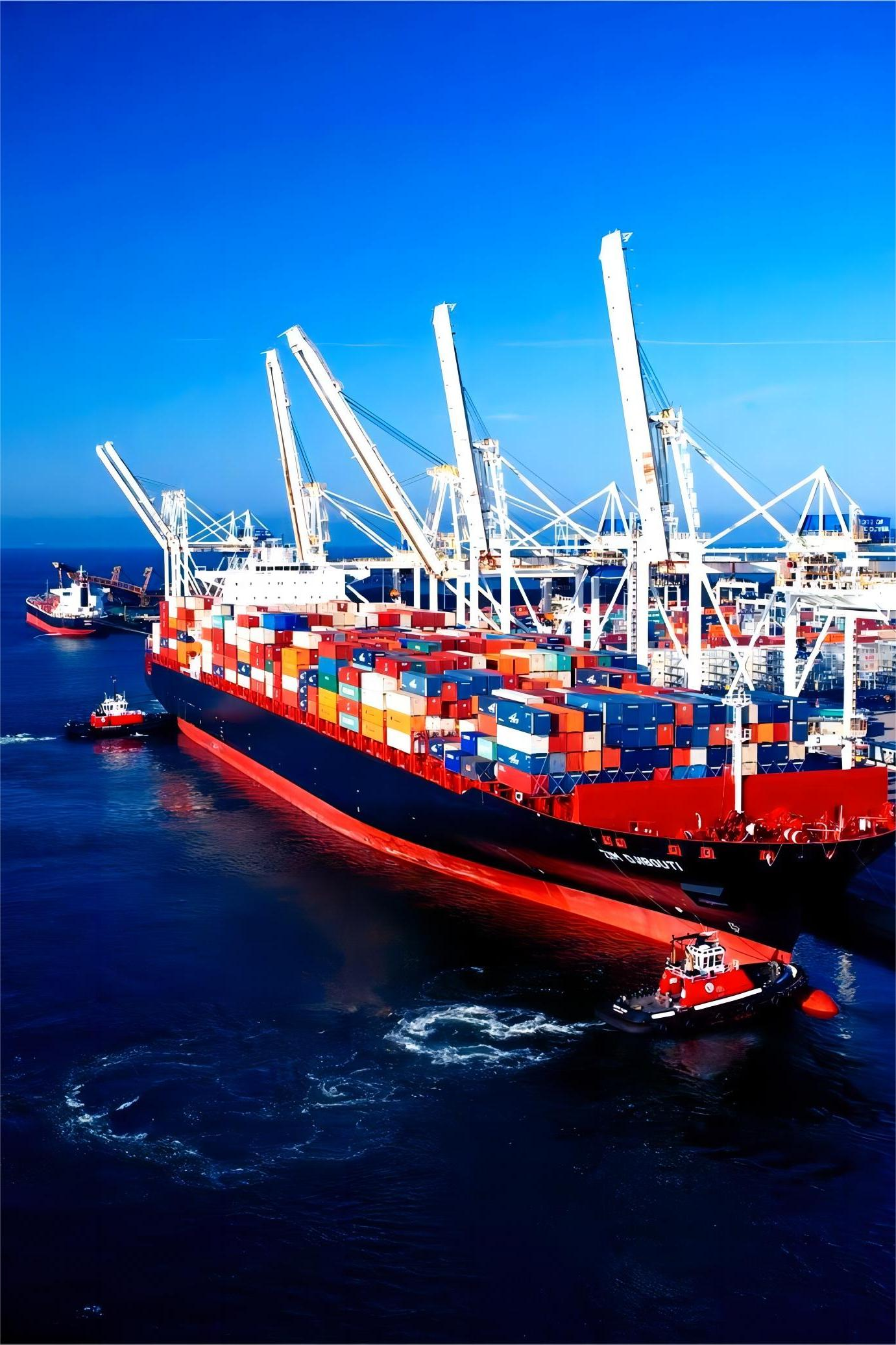
Selecting the appropriate transport mode is the most critical decision in your logistics planning. Businesses typically choose between sea freight and air freight depending on their budget and urgency. Ocean transport remains the most popular choice for bulk commodities and large volumes due to its cost-effectiveness over long distances.
Furthermore, air transport offers the fastest delivery for high-value items or urgent replenishment. While it is more expensive, the reduced transit time can be vital for maintaining inventory levels during peak demand periods. Consequently, many importers use a mix of both methods to balance speed and expense throughout the fiscal year.
Additionally, specialized services like express service provide courier-level speed for smaller parcels and samples. This option is ideal for e-commerce sellers who need to move inventory quickly without the complexity of traditional freight. Understanding these options allows you to tailor your strategy to your specific business needs.
How Does Sea Freight Compare to Other Shipping Options?
Evaluating the different modes of transport requires a thorough analysis of costs, speed, and capacity. Sea freight is the backbone of the China-Brazil trade route, handling everything from electronics to heavy machinery. However, the geographic distance means transit times are significantly longer than other international routes.
On the other hand, air freight can bypass the lengthy ocean voyage, arriving in days rather than weeks. This speed comes at a premium, often costing five to ten times more than ocean transport for the same weight. Therefore, businesses must weigh the cost of capital tied up in transit against the higher shipping fees of air transport.
For shipments that fall between these two extremes, hybrid solutions or LCL (Less than Container Load) options provide a middle ground. LCL allows you to share container space with other shippers, making it affordable for smaller volumes. Below is a detailed comparison of the primary methods used for import shipping China to Brazil.
| Shipping Method | Cost Range | Transit Time | Best For | Limitations |
|---|---|---|---|---|
| Sea Freight (FCL) | $3,000 – $5,500 | 35-50 Days | Bulk Goods | Slow Speed |
| Sea Freight (LCL) | $80 – $150/CBM | 40-55 Days | Small Batches | Higher Handling |
| Air Freight | $6 – $12/kg | 5-10 Days | High Value | Very Expensive |
| Express | $12 – $20/kg | 3-6 Days | Samples/Urgent | Size Limits |
Understanding Costs for Import Shipping China to Brazil in 2026
Determining the total landed cost of your goods involves more than just the freight rate from the carrier. You must account for origin charges, destination fees, insurance, and the complex Brazilian tax system. In 2026, freight rates have stabilized, but fuel surcharges and seasonal demand still cause fluctuations.
Moreover, the Brazilian government applies several taxes such as II (Import Tax), IPI (Industrialized Products Tax), and ICMS (State Value Added Tax). These can significantly increase the final cost of your products if not calculated correctly during the planning stage. Indeed, working with an experienced partner can help you navigate these financial hurdles effectively.
Specifically, ocean freight prices vary depending on whether you utilize a 20-foot or 40-foot container. Larger containers often provide better value per cubic meter of cargo. The following table outlines the typical rates for major routes as of early 2026.
| Route | 20GP Container | 40GP Container | 40HQ Container | Transit Time |
|---|---|---|---|---|
| Shanghai to Santos | $3,200 – $3,800 | $4,500 – $5,200 | $4,800 – $5,500 | 38-45 Days |
| Shenzhen to Itajai | $3,100 – $3,700 | $4,400 – $5,100 | $4,700 – $5,400 | 40-48 Days |
| Ningbo to Vitoria | $3,300 – $3,900 | $4,600 – $5,300 | $4,900 – $5,600 | 42-50 Days |
| Qingdao to Paranagua | $3,250 – $3,850 | $4,550 – $5,250 | $4,850 – $5,550 | 40-46 Days |
What Is the Transit Time for Cargo from China to Brazil?
The geographic distance between East Asia and South America makes this one of the longest trade routes in the world. Typically, a direct sea voyage takes between 35 and 45 days, while transshipment routes can extend to 60 days. Factors such as weather conditions, port congestion, and the specific carrier’s schedule play a major role in these timelines.
Consequently, businesses must plan their inventory cycles at least three months in advance to avoid stockouts. During peak seasons, such as the lead-up to the Brazilian holiday season, port congestion in Santos can add another week to the delivery schedule. Therefore, early booking is essential for maintaining a consistent supply chain.
Note: Freight rates and transit times are subject to change based on fuel costs, carrier capacity, and seasonal demand. Contact us for a current quote tailored to your specific shipment.
Navigating Customs Clearance and Documentation in Brazil
Brazil is known for having one of the most rigorous customs environments in the world. Every shipment must be accompanied by precise documentation, including the Commercial Invoice, Packing List, and Bill of Lading. Furthermore, the Import Declaration (DI) must be filed correctly in the Siscomex system to avoid heavy fines.
Using a professional customs brokerage service is highly recommended for newcomers to the Brazilian market. These experts ensure that your HS codes are classified accurately, which determines the tax rate you will pay. Errors in classification can lead to cargo seizures or delays that last several weeks.
Additionally, certain products require special licenses from regulatory agencies like ANVISA or INMETRO. Without these permits, your goods cannot enter the country legally. Preparing this paperwork well before the ship arrives at the port of discharge is a vital step for successful import shipping China to Brazil.
Real-World Case Studies: Import Shipping China to Brazil
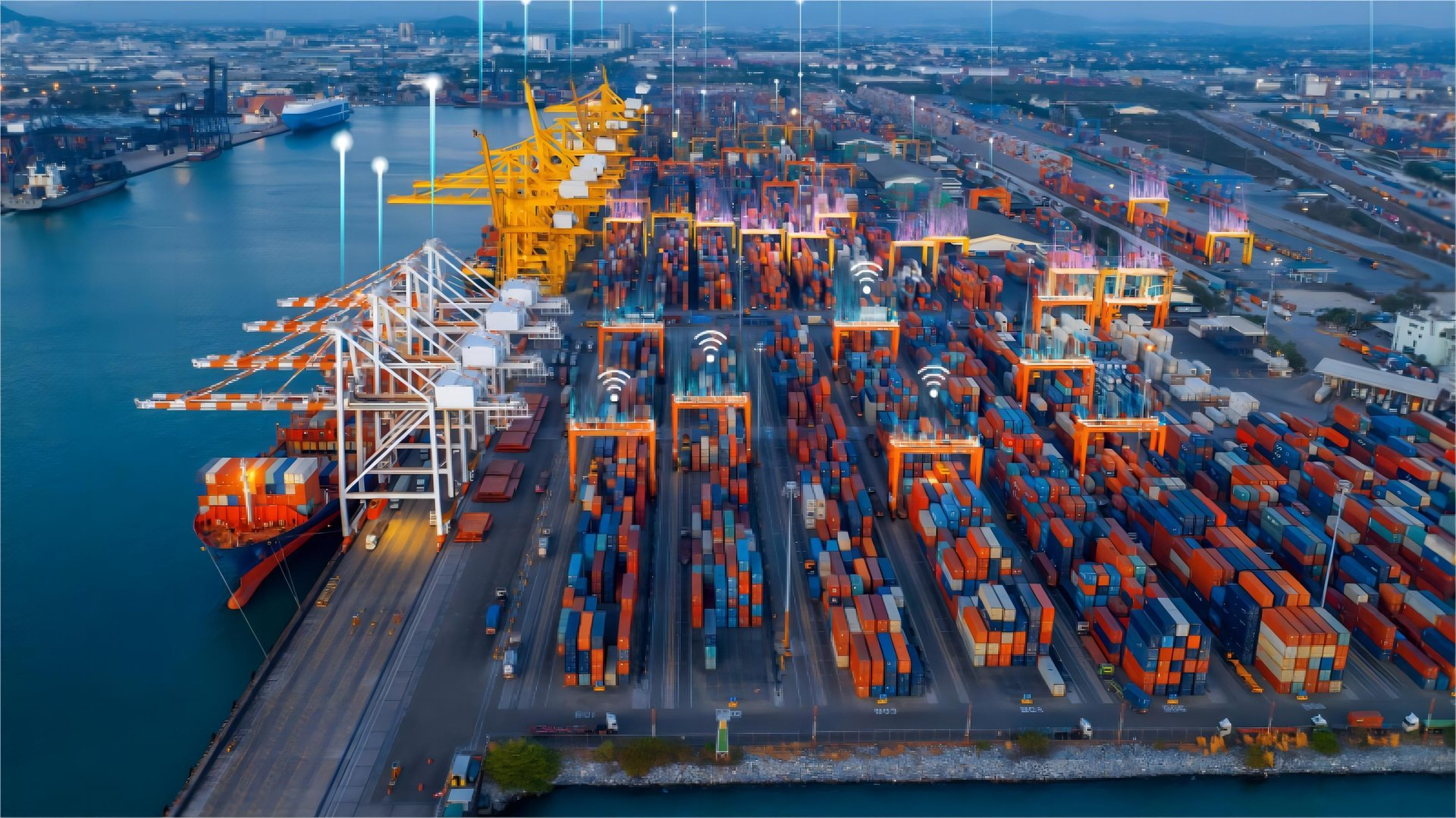
Examining real-world examples helps importers understand the practical challenges and costs involved in this route. These scenarios reflect typical shipments handled in late 2025 and early 2026, providing a benchmark for your own logistics planning.
Case Study 1: Electronics from Ningbo to Santos. This shipment involved high-value consumer goods that required secure handling and efficient customs processing. The importer chose FCL to minimize handling risks and ensure a faster transit time to the main Brazilian port.
Case Study 2: Industrial Spare Parts from Shenzhen to Guarulhos. Due to a production line breakdown, the client required urgent delivery. Air freight was selected despite the higher cost, as the downtime expense far exceeded the shipping premium.
Case Study 1: Consumer Electronics FCL
Route: Ningbo, China to Santos, Brazil
Cargo: Consumer Electronics, 65 CBM, 18,000 kg
Container: 40HQ
Shipping Details: Major carrier, Direct Route
Cost Breakdown: Ocean Freight: $5,200; Origin Charges: $450; Destination Charges: $800; Customs & Duties: $12,500; Total Landed Cost: $18,950
Timeline: Booking to Loading: 5 days; Sea Transit: 42 days; Customs Clearance: 6 days; Total Door-to-Door: 53 days
Key Insight: Using 40HQ maximized the volume-to-cost ratio for lightweight electronics.
Case Study 2: Urgent Spare Parts Air Freight
Route: Shenzhen, China to Guarulhos (GRU), Brazil
Cargo: Industrial Spare Parts, 1.2 CBM, 350 kg
Method: Air Freight
Shipping Details: Commercial Airline, Transshipment via Doha
Cost Breakdown: Air Freight: $3,150; Origin Charges: $200; Destination Charges: $400; Customs & Duties: $2,800; Total Landed Cost: $6,550
Timeline: Booking to Loading: 2 days; Air Transit: 4 days; Customs Clearance: 3 days; Total Door-to-Door: 9 days
Key Insight: Air freight saved the client 35 days of production downtime, justifying the $3,150 freight cost.
Which Option Should You Choose for Your Business?
Choosing the right logistics strategy depends on your specific business priorities and the nature of your goods. If your primary goal is cost reduction, sea freight FCL is the undisputed winner for large volumes. However, if you are testing a new market with small quantities, LCL provides a lower entry barrier without the cost of a full container.
For those requiring a hands-off approach, door to door services manage every step from the factory in China to the warehouse in Brazil. This is particularly beneficial for small and medium enterprises that do not have dedicated logistics departments. It simplifies the process by consolidating all costs into a single quote.
Ultimately, you should consider air freight only when the value of the goods or the urgency of the delivery justifies the expense. Most successful importers maintain a balanced supply chain by using ocean freight for 90% of their volume and air freight for emergency needs. This strategy ensures both profitability and reliability in the competitive Brazilian market.
Final Thoughts on Shipping to Brazil
Successfully managing import shipping China to Brazil requires a combination of careful planning, accurate documentation, and the right logistics partner. While the distance and customs environment present challenges, the opportunities in the Brazilian market remain vast for proactive businesses. By understanding the costs and transit times associated with different methods, you can make informed decisions that protect your margins.
Moreover, staying updated on 2026 market trends and tax regulations will give you a competitive edge. Whether you choose sea freight for its economy or air freight for its speed, the key is consistency and compliance. Start planning your next shipment today to ensure your goods arrive safely in Brazil.