

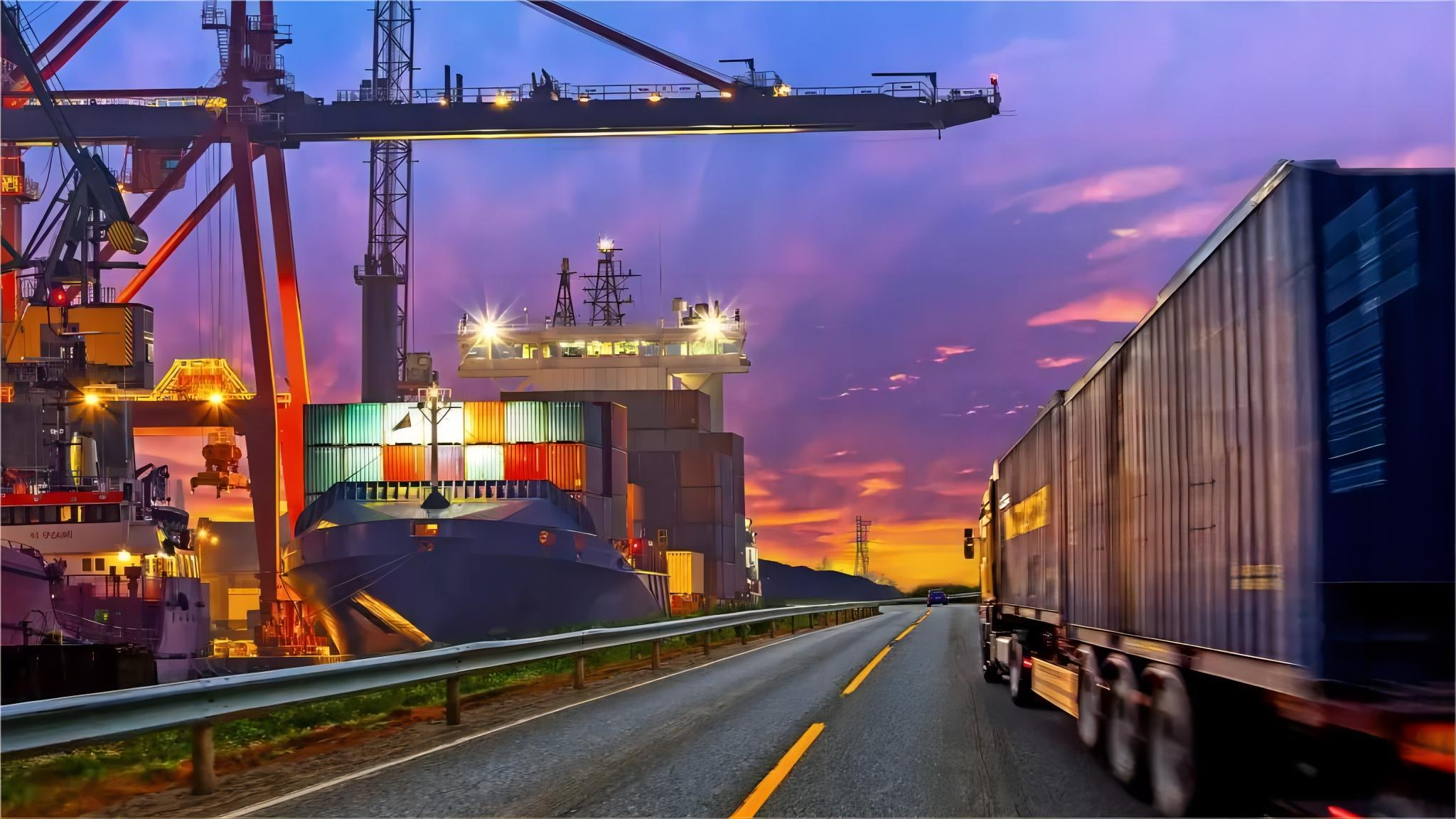
LCL Shipping China to Brazil: 2026 Logistics and Cost Guide
Successfully managing LCL shipping China to Brazil is a vital component for businesses looking to expand their reach into the South American market without the high costs of full containers. As global trade dynamics shift in 2026, importers require precise data and reliable partners like Top China Logistics to navigate the complex maritime routes and regulatory landscapes. This comprehensive guide provides the latest market intelligence to ensure your smaller cargo loads arrive safely and cost-effectively.
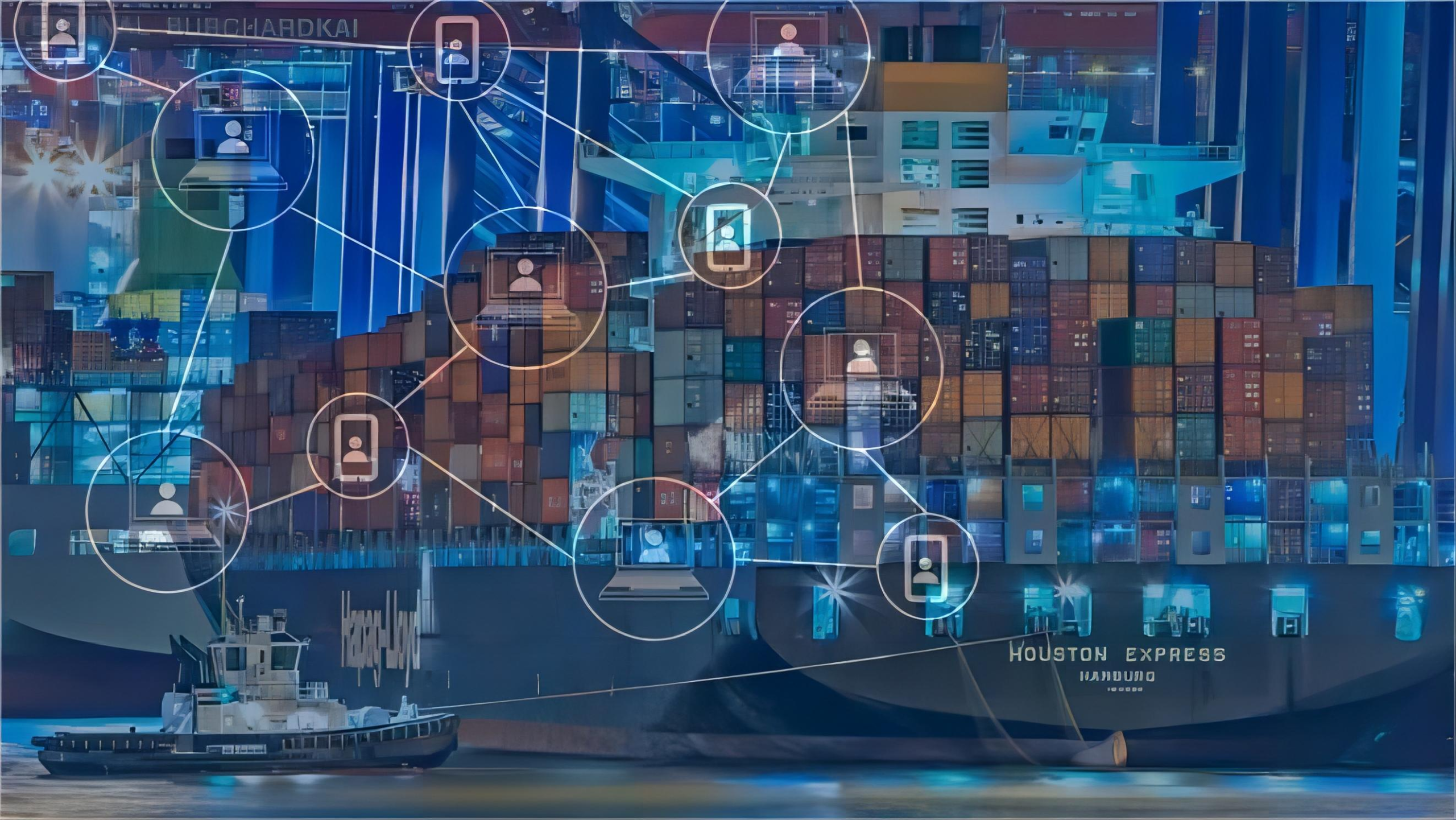
What is LCL Shipping China to Brazil and Why Choose It?
Less than Container Load, commonly known as LCL, is a shipping method where multiple shippers share space within a single ocean container. This approach is particularly beneficial for small to medium-sized enterprises that do not have enough volume to fill a standard 20ft or 40ft container.
Consequently, LCL shipping China to Brazil allows you to pay only for the volume you use, which is measured in cubic meters. This flexibility is essential for maintaining a lean inventory and managing cash flow in the competitive 2026 trade environment.
Moreover, by utilizing sea freight consolidation, businesses can access global markets that were previously too expensive to reach via air. This method effectively bridges the gap between expensive express services and high-volume full container shipments.
How Much Does LCL Shipping China to Brazil Cost in 2026?
Determining the exact cost of LCL shipping China to Brazil involves several variables, including the origin port, destination port, and the nature of the cargo. As of early 2026, market rates have stabilized but remain sensitive to fuel surcharges and seasonal demand peaks.
Typically, LCL rates are calculated per CBM (cubic meter) or per 1,000 kg, whichever is greater. In addition to the ocean freight, you must account for origin charges, destination handling fees, and terminal security costs.
Furthermore, Brazilian customs duties and taxes significantly impact the total landed cost. It is advisable to work with a professional customs brokerage to ensure all tariffs are calculated correctly before the cargo departs.
| Route | LCL Rate (per CBM) | Origin Charges | Destination Charges |
|---|---|---|---|
| Shanghai to Santos | $85 – $120 | $150 – $250 | $300 – $450 |
| Shenzhen to Paranagua | $90 – $130 | $160 – $260 | $320 – $480 |
| Ningbo to Vitoria | $95 – $140 | $155 – $255 | $310 – $460 |
| Qingdao to Rio de Janeiro | $88 – $125 | $145 – $245 | $290 – $430 |
How Does LCL Compare to Other Shipping Options?
When evaluating LCL shipping China to Brazil, it is crucial to compare it against alternative methods like FCL and air transport. While LCL offers cost savings for small volumes, it often involves longer transit times due to the consolidation and deconsolidation processes.
For instance, if your cargo exceeds 15 CBM, it may actually be more economical to book a 20GP container. On the other hand, if your shipment is urgent and weighs less than 300kg, air freight might be the more logical choice despite the higher price point.
Additionally, businesses often consider express service for prototypes or high-value electronics that require door-to-door delivery within a week. However, for most consumer goods and industrial parts, LCL remains the most balanced option for the 2026 fiscal year.
| Shipping Method | Cost Range | Transit Time | Best For |
|---|---|---|---|
| LCL (Sea) | $300 – $800 total | 35 – 50 Days | Small shipments 1-12 CBM |
| FCL (20GP) | $2,500 – $4,200 | 30 – 40 Days | Bulk goods over 15 CBM |
| Air Freight | $6 – $12 per kg | 5 – 10 Days | Urgent or high-value cargo |
| Express | $15 – $25 per kg | 3 – 6 Days | Samples and documents |

Which Option Should You Choose for Your Brazil Shipments?
Choosing the right shipping strategy depends heavily on your budget priority and inventory requirements. If your primary goal is to minimize costs and you have a flexible delivery schedule, LCL is undoubtedly the superior choice.
Conversely, if you are facing a stockout or have a strict contract deadline, paying the premium for air transport is a necessary trade-off. To optimize your supply chain, consider a hybrid approach where the bulk of your goods travel via LCL while urgent refills are sent by air.
Always evaluate the volume threshold before making a decision. Industry data suggests that once a shipment reaches 13 to 15 CBM, the cost of LCL consolidation fees and destination handling often equals or exceeds the cost of a full 20ft container.
Estimated Transit Times for LCL Shipping China to Brazil
The transit time for LCL shipping China to Brazil is generally longer than FCL because the carrier must wait to fill the container with multiple shipments. Furthermore, the cargo must be processed at a Container Freight Station (CFS) at both the origin and destination.
In 2026, most direct routes from major Chinese ports to Santos take approximately 35 to 40 days. However, if the vessel calls at intermediate ports in South Africa or other South American hubs, the timeline can extend to 50 days or more.
Therefore, it is essential to plan your procurement cycle at least 60 days in advance to account for potential port congestion or customs delays. Utilizing a door to door service can help streamline these steps by having a single entity manage the entire timeline.
| Origin Port | Destination Port | Average Sea Transit | Total Door-to-Door |
|---|---|---|---|
| Shanghai | Santos | 36 Days | 48 – 55 Days |
| Shenzhen | Paranagua | 38 Days | 50 – 58 Days |
| Ningbo | Rio de Janeiro | 35 Days | 47 – 54 Days |
| Xiamen | Itajai | 40 Days | 52 – 60 Days |
Real Case Studies for LCL Shipping China to Brazil
Case Study 1: Office Furniture Consolidation
Route: Ningbo, China to Santos, Brazil. Cargo: Ergonomic office chairs, 6 CBM, 1,200 kg. Shipping Method: LCL Sea Freight. Carrier: Major carrier via transshipment in Singapore.
Cost Breakdown: Ocean Freight at $95/CBM ($570), Origin Charges ($210), Destination Charges ($380), Customs Duties ($1,100). Total Landed Cost: $2,260. Timeline: 42 days port-to-port, 55 days total.
Key Insight: By using LCL instead of FCL, the importer saved over $1,500 in freight costs, allowing them to test the Brazilian market with a smaller inventory batch.
Case Study 2: Industrial Spare Parts for Q4 Peak
Route: Shenzhen, China to Rio de Janeiro, Brazil. Cargo: Precision machine parts, 2.5 CBM, 800 kg. Shipping Method: LCL Sea Freight. Route Type: Direct service.
Cost Breakdown: Ocean Freight at $110/CBM ($275), Origin Charges ($180), Destination Charges ($350), Customs Duties ($950). Total Landed Cost: $1,755. Timeline: 38 days port-to-port, 49 days total.
Key Insight: Despite the Q4 2025 peak season price increase, the importer maintained profitability by booking space three weeks in advance to secure a fixed LCL rate.
Understanding Brazil Customs and Import Regulations
Brazil is known for having one of the most complex customs environments in the world. Consequently, LCL shipping China to Brazil requires meticulous attention to documentation to avoid heavy fines or cargo seizure.
Indeed, all importers must have a RADAR license, which is the authorization to operate in foreign trade. Furthermore, you must ensure that the Commercial Invoice, Packing List, and Bill of Lading are perfectly aligned with the Mercosur Common Nomenclature (NCM) codes.
Meanwhile, the ‘Siscomex’ system tracks all imports, and any discrepancy in the weight or value of the LCL cargo can lead to lengthy delays. Therefore, choosing a logistics provider with local expertise in Brazilian regulations is the most effective way to mitigate these risks.
Logistics Trends and Market Intelligence for 2026
As we progress through 2026, the adoption of digital freight platforms has made tracking LCL shipping China to Brazil more transparent than ever before. Real-time visibility allows importers to adjust their local distribution schedules based on the actual vessel position.
Moreover, there is a growing trend toward green logistics, with some carriers offering carbon-offsetting options for LCL shipments. While these services may carry a small premium, they are becoming increasingly important for corporate social responsibility goals.
Finally, geopolitical stability in the South Atlantic has helped maintain consistent shipping lanes. However, shippers should remain aware of potential labor strikes at major Brazilian ports like Santos, which can occasionally disrupt the delivery schedule.
Final Thoughts on LCL Shipping China to Brazil
To summarize, LCL shipping China to Brazil remains the most cost-effective solution for businesses handling smaller cargo volumes in 2026. By understanding the nuances of CBM pricing, transit times, and the rigorous Brazilian customs process, you can build a more resilient and profitable import business.
Indeed, the key to success lies in proactive planning and partnering with experienced freight forwarders. Whether you are shipping furniture, electronics, or industrial parts, the flexibility of LCL ensures you can scale your operations without the burden of excessive logistics costs.
As market conditions continue to evolve, staying informed about freight rates and logistics trends will give your business a significant competitive advantage in the vibrant Brazilian market.
Ready to streamline your logistics?
Streamlining your LCL shipping China to Brazil does not have to be a challenge. Contact Top China Logistics today to receive a competitive quote and expert guidance for your 2026 shipments. Visit our website to learn how we can optimize your South American supply chain.
Request Quote