

Cargo Shipping China to South Korea: 2026 Logistics Guide
“Cargo shipping China to South Korea remains a fundamental pillar of East Asian trade as we move through 2026. Businesses looking to optimize their supply chains must navigate a complex landscape of fluctuating freight rates and evolving customs regulations. At Top China Logistics, we provide the expertise needed to streamline your imports and ensure timely delivery. This comprehensive guide explores the most efficient methods for transporting goods across the Yellow Sea while maintaining cost-effectiveness.”
What are the main methods for cargo shipping China to South Korea?
❖Shipping goods between these two economic powerhouses primarily involves two modes of transport: sea freight and air freight. Since the geographical distance is relatively short, both options offer unique advantages depending on your specific cargo needs. Furthermore, the proximity allows for highly frequent schedules and rapid turnaround times compared to long-haul international routes.
Choosing sea freight is often the most economical choice for large volumes of goods. Consequently, most industrial machinery, raw materials, and bulk consumer goods move via ocean carriers. Meanwhile, air freight serves as the premium option for high-value electronics or urgent replenishment of inventory. Indeed, the choice between these methods defines your overall landed cost and market responsiveness.
Moreover, express services bridge the gap for smaller shipments that require door-to-door convenience. Specifically, these services handle everything from pickup in China to final delivery in Seoul or Busan. Therefore, understanding the nuances of each method is the first step in successful cargo shipping China to South Korea.
How does sea freight compare to other shipping options?
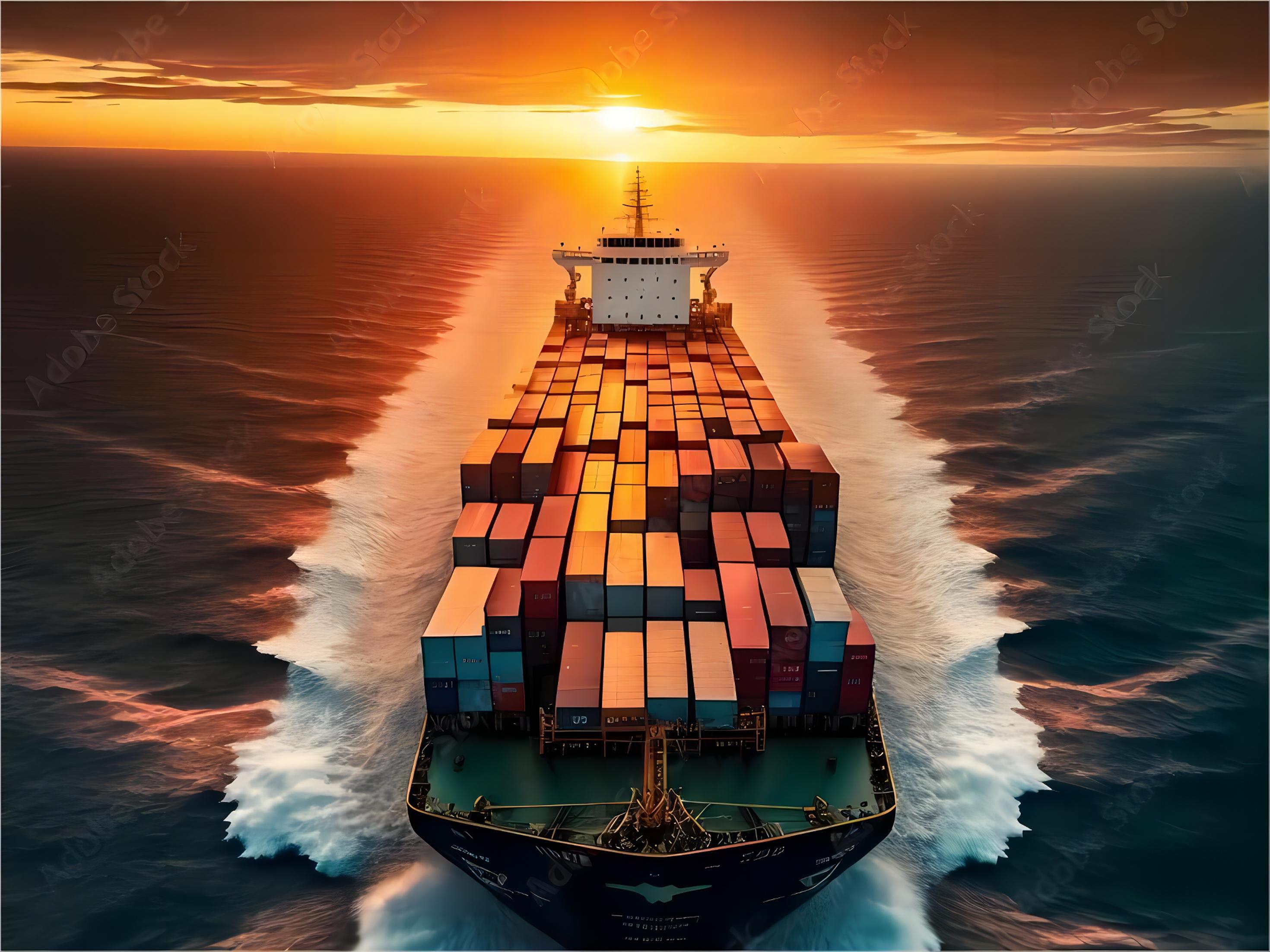
❖Sea freight stands out as the backbone of cargo shipping China to South Korea due to its massive capacity and lower environmental impact per ton. While air freight might get your goods to Incheon in hours, the cost is significantly higher for heavy items. On the other hand, ocean transport offers a variety of container options including Full Container Load (FCL) and Less than Container Load (LCL).
Furthermore, sea freight rates for the China-Korea route have remained relatively stable in early 2026. This stability allows businesses to forecast their logistics budgets with greater accuracy. Nevertheless, port congestion or seasonal peaks can still impact schedules, making it vital to work with a reliable freight forwarder.
To help you decide, we have provided a detailed comparison of the primary shipping methods available for this route below.
| Shipping Method | Cost Range | Transit Time | Best For | Limitations |
|---|---|---|---|---|
| Sea Freight (FCL) | $800 – $1,200 | 3-7 Days | Large volumes | Slower than air |
| Sea Freight (LCL) | $40 – $70/CBM | 5-10 Days | Small shipments | More handling |
| Air Freight | $1.50 – $3.50/kg | 1-2 Days | High-value goods | Expensive |
| Express Service | $5.00 – $8.00/kg | 1-3 Days | Samples/Urgent | Weight limits |
Which option should you choose for your cargo?
❖Determining the right strategy for cargo shipping China to South Korea depends on your budget, cargo volume, and urgency. If your primary goal is cost reduction, sea freight is undoubtedly the winner for shipments exceeding 2 cubic meters. However, if you are shipping lightweight components that need to reach a factory in Gyeonggi-do tomorrow, air freight is necessary.
Additionally, consider the nature of your products when making this decision. Perishable goods or high-end fashion items often justify the higher expense of air transport. Conversely, furniture, textiles, and construction materials are almost always moved via ocean containers to maintain profitability.
For those seeking a middle ground, express service provides a seamless experience for small parcels. This method simplifies the process by combining international transport with local delivery. Consequently, it is the preferred choice for e-commerce sellers and businesses sending product prototypes.

What are the current 2026 shipping costs and transit times?
❖Shipping costs in 2026 are influenced by fuel prices and regional demand fluctuations. For the China to South Korea route, transit times are among the shortest in the world. For instance, a vessel leaving Shanghai can reach Busan in as little as two days. Similarly, flights from Shenzhen to Incheon take only about three to four hours of actual air time.
Moreover, port-to-port costs are only one part of the equation. You must also account for terminal handling charges, documentation fees, and inland trucking. Therefore, getting a comprehensive quote is essential for calculating your true total landed cost.
Below is a breakdown of typical transit times from major Chinese hubs to South Korean destinations.
| Origin City | Destination | Transport Mode | Transit Time |
|---|---|---|---|
| Shanghai | Busan | Sea Freight | 2-3 Days |
| Qingdao | Incheon | Sea Freight | 1-2 Days |
| Shenzhen | Seoul | Air Freight | 1 Day |
| Ningbo | Gwangyang | Sea Freight | 3-4 Days |
How do customs brokerage services simplify the process?
❖Navigating the regulatory requirements of the Korea Customs Service can be a daunting task for many importers. Specifically, ensuring that your HS codes are accurate is critical to avoiding delays and unnecessary fines. This is where professional customs brokerage becomes an invaluable asset to your supply chain.
Furthermore, South Korea has specific labeling and certification requirements for various product categories. For example, electronics often require KC certification before they can be legally sold in the Korean market. Accordingly, a broker ensures all paperwork is prepared correctly before the cargo even leaves China.
Indeed, efficient customs clearance can save you days of waiting at the port of discharge. By utilizing a broker, you ensure that your cargo shipping China to South Korea complies with all 2026 trade agreements. Consequently, your goods move through the border with minimal friction and maximum speed.
Real Case Studies: Successful shipping from China to South Korea
❖Examining real-world examples provides a clearer picture of what to expect during the shipping process. These cases reflect typical scenarios handled by logistics providers in the current 2026 market. Each case highlights the importance of choosing the right method for the specific cargo type.
The following case studies demonstrate how different businesses manage their cargo shipping China to South Korea to achieve optimal results. Note that these costs are based on early 2026 market averages.
Case Study 1: Industrial Machinery Export
Route: Shanghai, China to Busan, South Korea. Cargo: CNC Milling Machines, 18 CBM, 4,500 kg. Container: 20GP Full Container. Shipping Details: Direct sea transit via major carrier. Port of Loading: Shanghai. Port of Discharge: Busan.
Cost Breakdown: Ocean Freight: $950. Origin Charges: $250. Destination Charges: $300. Customs and Duties: $1,200. Total Landed Cost: $2,700. Timeline: Booking to Loading: 3 days. Sea Transit: 2 days. Customs Clearance: 1 day. Total Door-to-Door: 7 days.
Key Insight: Using a full container prevented damage to sensitive machinery and reduced the cost per cubic meter significantly compared to LCL.
Case Study 2: E-commerce Fashion Inventory
Route: Shenzhen, China to Incheon, South Korea. Cargo: Apparel and Accessories, 2.5 CBM, 450 kg. Shipping Method: Air Freight. Shipping Details: Direct flight from SZX to ICN. Port of Loading: Shenzhen. Port of Discharge: Incheon.
Cost Breakdown: Air Freight: $1,125 ($2.50/kg). Origin Charges: $150. Destination Charges: $200. Customs and Duties: $800. Total Landed Cost: $2,275. Timeline: Booking to Loading: 1 day. Air Transit: 4 hours. Customs Clearance: 1 day. Total Door-to-Door: 3 days.
Key Insight: Air freight allowed the retailer to restock popular items during a peak sales season, preventing lost revenue from stockouts.
What documentation is required for import into South Korea?
❖Proper documentation is the foundation of a successful import operation. Without the correct paperwork, your cargo shipping China to South Korea could face lengthy inspections or even seizure by authorities. Therefore, you must ensure that all documents are consistent and accurately reflect the contents of your shipment.
Moreover, the Korea-China Free Trade Agreement (FTA) can provide significant duty savings if you provide a valid Certificate of Origin. Specifically, this document proves that the goods were manufactured in China, allowing them to qualify for preferential tariff rates. Consequently, missing this single document could cost your business thousands of dollars in unnecessary duties.
The table below outlines the essential documents required for most commercial shipments entering South Korea.
| Document Name | Required By | Purpose | Criticality |
|---|---|---|---|
| Commercial Invoice | Customs | Value declaration | High |
| Packing List | Port/Customs | Cargo details | High |
| Bill of Lading | Carrier | Title of goods | High |
| Certificate of Origin | Customs | FTA duty reduction | Medium |

How to reduce costs for cargo shipping China to South Korea?
❖Reducing logistics expenses is a top priority for any business involved in international trade. One effective strategy is to consolidate multiple small orders into a single LCL shipment. Furthermore, optimizing your packaging can reduce the volumetric weight, which is particularly important for air freight pricing.
Additionally, planning your shipments well in advance helps you avoid the premium prices associated with last-minute bookings. While the China-Korea route is short, peak seasons like the Lunar New Year can still cause rates to spike. Therefore, securing your space early is always a wise move.
Another option is to utilize door to door services. These all-inclusive packages often provide better value by bundling trucking, shipping, and customs fees into a single rate. Consequently, you gain better visibility over your total costs and reduce the administrative burden on your team.
Final Thoughts on Shipping from China to South Korea
Successfully managing cargo shipping China to South Korea requires a strategic approach that balances speed, cost, and compliance. Whether you choose the massive capacity of sea freight or the rapid delivery of air freight, understanding the market dynamics of 2026 is essential. Moreover, partnering with a knowledgeable freight forwarder can help you navigate the complexities of customs and documentation.
As trade between these two nations continues to grow, staying informed about logistics trends and pricing will give your business a competitive edge. To summarize, focus on proper documentation, choose the right transport mode for your cargo type, and always plan for seasonal fluctuations. By following the strategies outlined in this guide, you can ensure a smooth and profitable shipping experience.
Ready to streamline your logistics?
Streamline your cargo shipping China to South Korea today with the experts at Top China Logistics. Our team is ready to provide you with a customized quote and professional guidance to ensure your goods arrive safely and on time. Visit our website to request a freight quote and discover how we can optimize your 2026 supply chain operations. Contact us now to get started.
Request Quote