


Cargo Shipping China to Japan: 2026 Logistics Guide for Businesses
Managing cargo shipping China to Japan requires a strategic approach to balance cost and speed in the modern supply chain. As trade volumes between these two Asian giants continue to grow in 2026, finding a reliable partner like Top China Logistics is essential for navigating complex regulations. This guide provides comprehensive insights into the best shipping methods, current market rates, and essential documentation for your business success.
✦
What Are the Primary Methods for Cargo Shipping China to Japan?
Selecting the right transportation mode is the first critical step in your logistics journey. Most businesses utilize either sea freight or air freight depending on their specific budget and timeline requirements.
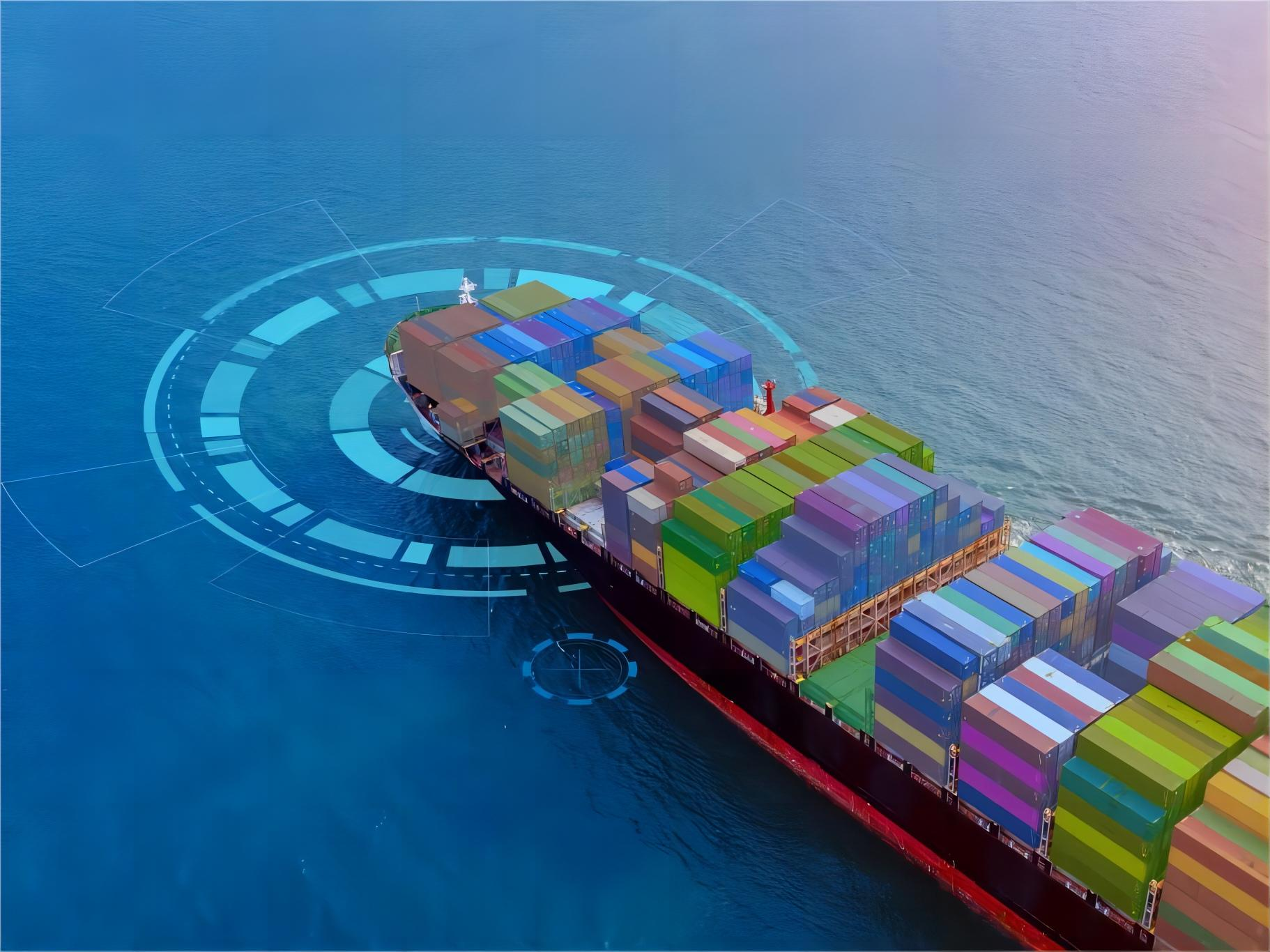
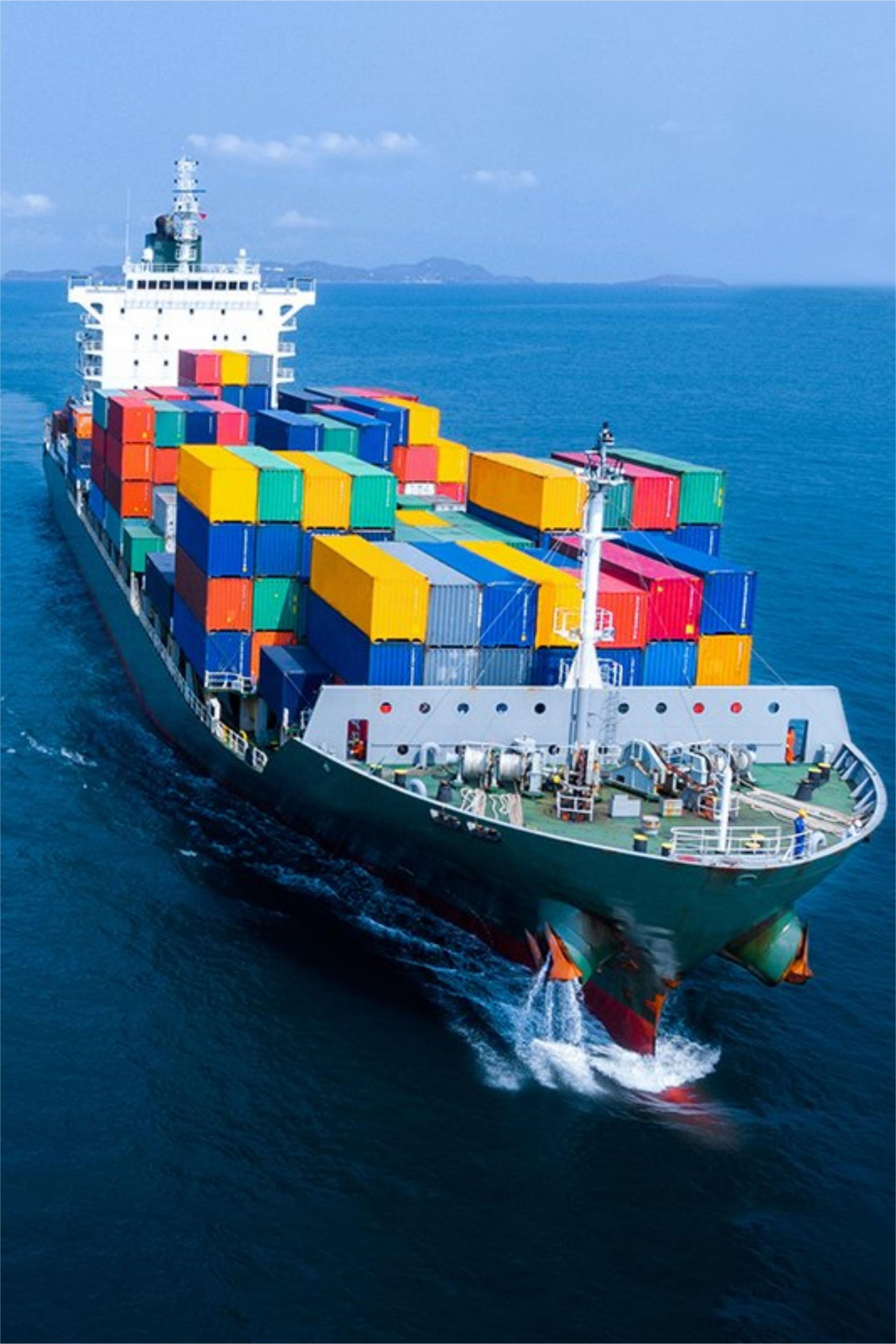
Consequently, sea freight remains the most popular choice for large-scale shipments and bulk commodities. It offers a cost-effective solution for moving heavy machinery, furniture, and raw materials across the East China Sea.
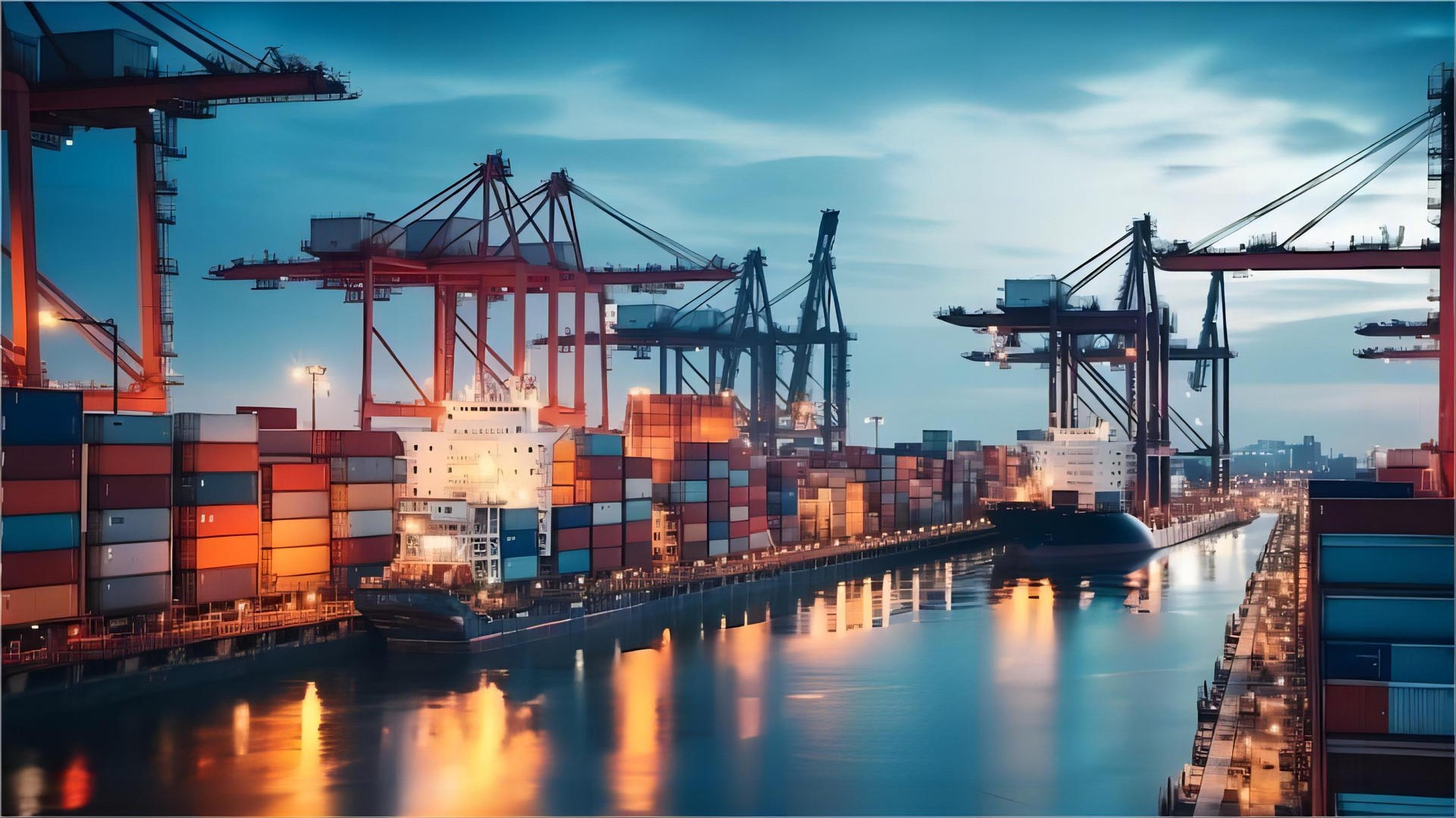
On the other hand, air freight serves as the premium option for time-sensitive goods. Electronics, fashion items, and perishable products often travel by air to meet tight retail deadlines in Japanese cities like Tokyo and Osaka.
Additionally, express services provide a middle ground for smaller parcels. These services often include end-to-end handling, which simplifies the process for e-commerce sellers and small business owners alike.
Understanding Sea Freight: FCL vs LCL Options
Sea freight offers two main configurations known as Full Container Load (FCL) and Less than Container Load (LCL). Your choice between these two will significantly impact your total landed cost and handling procedures.
Indeed, FCL is ideal for businesses that have enough cargo to fill a 20ft or 40ft container. This method provides better security and faster transit times because the container remains sealed from the point of origin to the final destination.
Meanwhile, LCL allows multiple shippers to share space within a single container. This is a budget-friendly alternative for smaller shipments that do not justify the cost of a full container, though it may involve slightly longer transit times due to consolidation.
Regardless of the method, sea freight transit times from major Chinese ports like Shanghai or Ningbo to Japanese ports typically range from 3 to 8 days. This proximity makes sea transport exceptionally efficient for the China-Japan route compared to Western trade lanes.
How Does Air Freight Compare to Other Shipping Options?
When speed is the highest priority, air freight is the undisputed leader for cargo shipping China to Japan. While it carries a higher price tag, the reduction in transit time can be a competitive advantage for your supply chain.
For instance, air cargo can reach major Japanese airports in as little as 1 to 2 days. This rapid turnaround minimizes inventory holding costs and allows for a more responsive manufacturing cycle.
However, air freight is restricted by weight and volume limitations. Large or heavy items may be prohibitively expensive to ship by air, making sea freight the more logical choice for industrial equipment.
Furthermore, many businesses now explore hybrid solutions to optimize their logistics. Combining different modes can sometimes offer a balance of speed and affordability that a single method cannot provide.
| Shipping Method | Cost Range | Transit Time | Best For |
|---|---|---|---|
| Sea Freight (FCL) | $800 – $1,500 | 4-7 Days | Bulk Goods/Large Volume |
| Sea Freight (LCL) | $40 – $90/CBM | 6-10 Days | Small/Medium Shipments |
| Air Freight | $2.5 – $5.5/kg | 1-3 Days | High Value/Urgent Cargo |
| Express Service | $6 – $12/kg | 1-2 Days | E-commerce/Documents |

The Role of Customs Brokerage in China-Japan Trade
Navigating the regulatory landscape is often the most challenging aspect of international logistics. Proper customs brokerage ensures that your goods comply with both Chinese export laws and Japanese import regulations.
Therefore, accurate documentation is vital to avoid costly delays at the port. You must provide a commercial invoice, packing list, and a certificate of origin to satisfy the requirements of Japan Customs.
Moreover, Japan has specific standards for various product categories, including chemicals, food items, and electronics. Failure to meet these standards can result in cargo seizures or heavy fines.
As a result, professional logisticians recommend double-checking all HS codes before dispatch. Correct classification ensures you pay the appropriate duties and taxes without overpaying or facing compliance issues.
Door to Door Shipping: Simplifying Your Logistics
Many modern businesses prefer a seamless experience where the forwarder handles every step of the journey. Choosing door to door service eliminates the need for the importer to manage local trucking or port transfers.
In this scenario, the shipping provider picks up the cargo from the factory in China and delivers it directly to the warehouse in Japan. This comprehensive approach reduces the risk of communication gaps between different service providers.
Without a doubt, this method is highly efficient for companies without their own dedicated logistics departments. It allows business owners to focus on sales and marketing while the experts handle the physical movement of goods.
Additionally, integrated tracking systems provide real-time visibility. You can monitor your shipment’s progress from the moment it leaves the manufacturer until it arrives at its final Japanese destination.
Which Option Should You Choose?
Deciding on the best shipping strategy depends on several variables including budget, cargo type, and urgency. If your primary goal is cost reduction, sea freight is almost always the superior choice for cargo shipping China to Japan.
Conversely, if you are launching a new product or replenishing low stock, the speed of air freight justifies the additional expense. You should also consider the nature of the goods, as fragile items often fare better with the reduced handling involved in air transport.
For e-commerce entrepreneurs, Amazon FBA services are specifically designed to meet the strict delivery requirements of online platforms. These specialized routes ensure your products are ready for Japanese consumers without delay.
To summarize, a balanced logistics strategy often involves using multiple methods. You might use sea freight for your core inventory and air freight for emergency restocks or high-demand periods.
Realistic Case Studies: China to Japan Shipping Examples
Case Study 1: Electronics Distribution to Tokyo
Route: Shenzhen, China to Tokyo, Japan. Cargo: High-end consumer electronics, 3 CBM, 450 kg. Method: Air Freight. Sea Transit: 2 days. Total Door-to-Door: 4 days.
Cost Breakdown: Air Freight: $1,800. Origin Charges: $150. Destination Charges: $200. Customs and Duties: $450. Total Landed Cost: $2,600.
Key Insight: The client prioritized speed to meet a product launch date. Based on early 2026 market rates, this was the most efficient way to ensure stock availability in Tokyo retail stores.
Case Study 2: Furniture Import to Osaka
Route: Shanghai, China to Osaka, Japan. Cargo: Office furniture, 28 CBM. Container: 20GP. Method: Sea Freight FCL. Sea Transit: 5 days. Total Door-to-Door: 12 days.
Cost Breakdown: Ocean Freight: $950. Origin Charges: $250. Destination Charges: $300. Customs and Duties: $800. Total Landed Cost: $2,300.
Key Insight: For large volume items, FCL sea freight provided the lowest cost per unit. This shipment was successful due to early booking during the Q3 2025 peak season.
Cost Saving Strategies for 2026
Reducing your logistics expenses requires careful planning and market awareness. One effective strategy is to consolidate multiple small orders into a single LCL shipment to minimize fixed port fees.
Furthermore, optimizing your packaging can lead to significant savings. Reducing the volumetric weight of your cargo allows you to fit more items into a container or pay less for air freight space.
Another approach involves booking your shipments well in advance. During peak seasons, such as the period before the Lunar New Year, rates can increase by 20 percent or more due to high demand and limited capacity.
Finally, always request a current quote that includes all potential surcharges. Note: Freight rates are subject to change based on fuel costs, carrier capacity, and seasonal demand. Contact us for a current quote tailored to your specific shipment.
Final Thoughts on Shipping from China to Japan
Navigating cargo shipping China to Japan in 2026 involves choosing between the cost-efficiency of sea freight and the rapid delivery of air cargo. By understanding the nuances of FCL and LCL, and ensuring your customs documentation is flawless, you can avoid common pitfalls.
Indeed, the proximity of these markets offers unique opportunities for fast transit times that are not available on longer international routes. Partnering with an experienced logistics provider will help you leverage these advantages for your business growth.
Ultimately, success in the Japan market depends on a reliable and flexible shipping strategy. Whether you are moving bulk industrial goods or high-value retail products, the right logistics plan is the backbone of your international operations.