
Freight Forwarder China to Japan: 2026 Shipping Guide
Navigating the logistics landscape between two of Asia’s largest economies requires precision and local expertise. A professional freight forwarder china to Japan provides the necessary infrastructure to manage complex supply chain demands while ensuring cost-effectiveness. In 2026, businesses must adapt to evolving trade regulations and shifting maritime schedules to maintain a competitive edge. This guide explores how to optimize your shipping strategy, reduce transit times, and manage customs clearance efficiently for your cargo.
Why You Need a Freight Forwarder China to Japan in 2026
Managing international logistics involves more than just moving boxes from one point to another. Consequently, a dedicated freight forwarder china to Japan acts as a strategic partner that oversees every detail of the transport process. They handle everything from initial pickup at the factory to final delivery at the Japanese warehouse. This comprehensive oversight minimizes the risk of delays and ensures that all cargo handling procedures meet international standards.
Moreover, the current market conditions in 2026 demand high levels of flexibility. Shippers often face fluctuating freight rates and changing vessel availability due to regional demand shifts. Therefore, working with an experienced agent allows you to pivot your strategy when disruptions occur. These professionals leverage their relationships with major carriers to secure space even during peak shipping seasons.
Additionally, local knowledge of Japanese port operations is invaluable. Tokyo, Osaka, and Nagoya each have specific requirements for cargo entry and storage. Indeed, a forwarder with a strong presence in both countries can navigate these nuances far better than a general logistics provider. They ensure that your documentation is perfect, preventing costly storage fees or customs holds at the destination.
Choosing Between Sea Freight and Other Shipping Methods
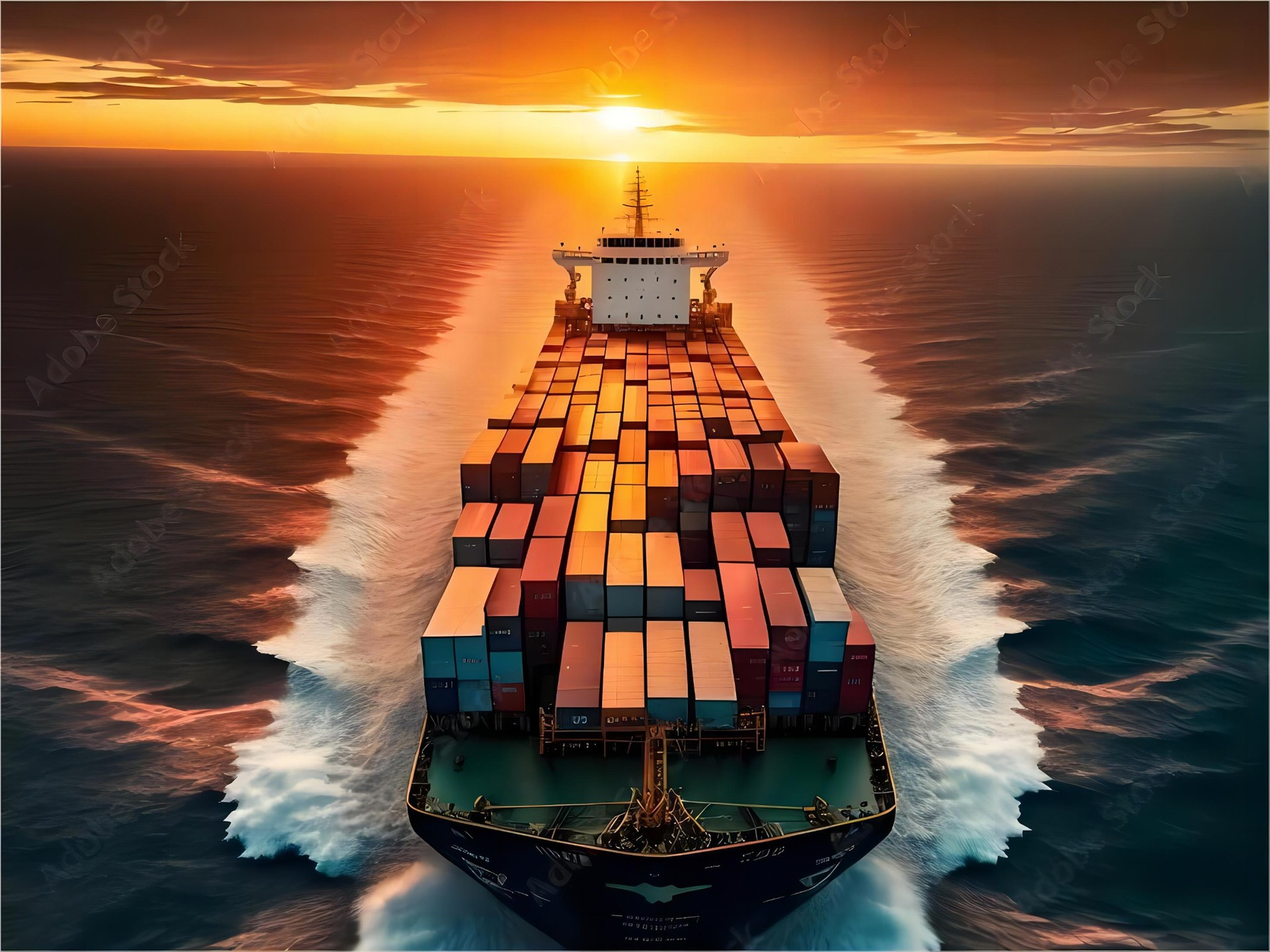
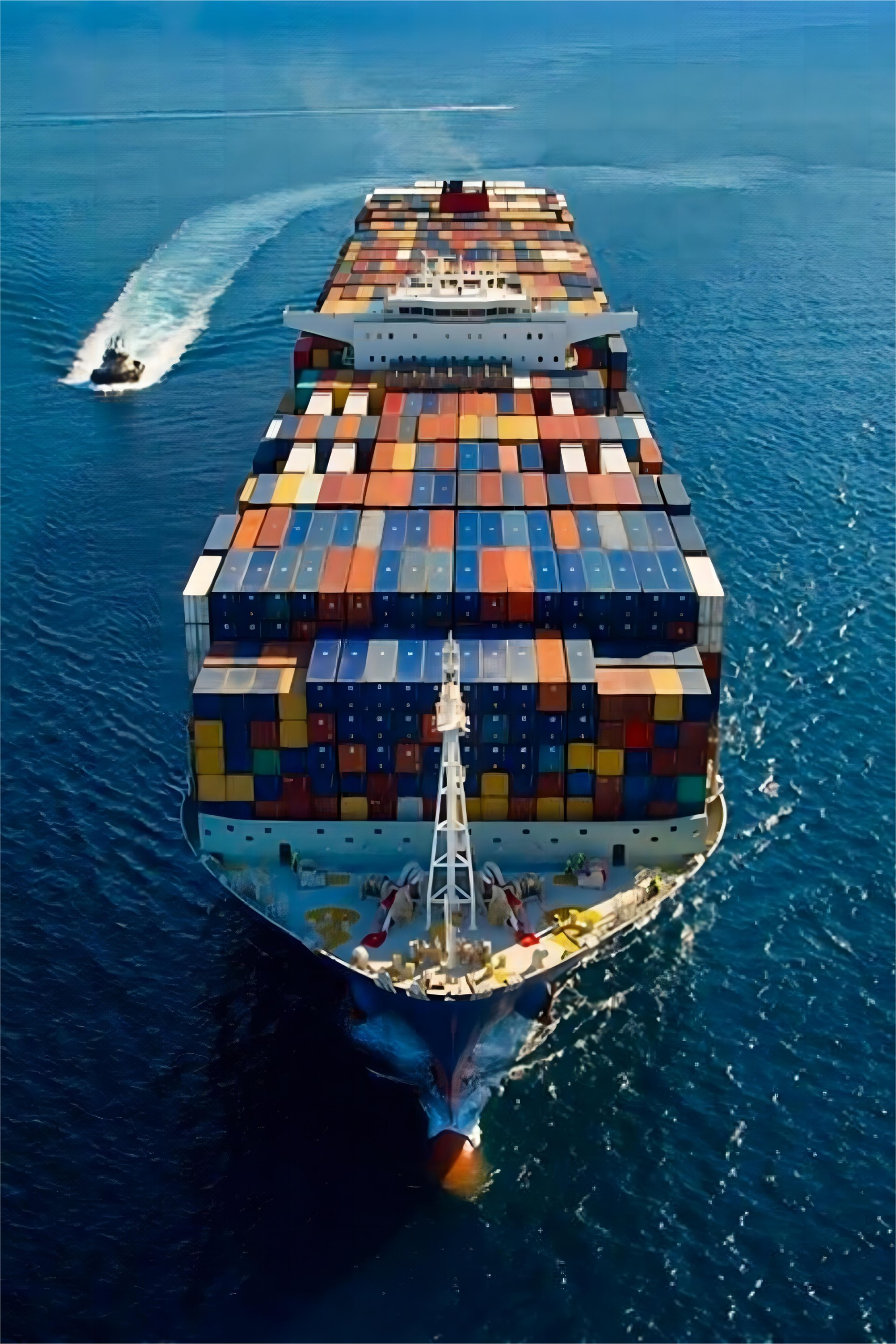
Ocean transport remains the most popular choice for businesses moving large volumes of goods. When you utilize sea freight, you benefit from the lowest cost per unit for bulk shipments. Shippers typically choose between Full Container Load (FCL) and Less than Container Load (LCL) based on their specific volume requirements. FCL is ideal for large inventories, while LCL allows smaller businesses to share container space and reduce costs.
Furthermore, sea transit times between China and Japan are remarkably short compared to long-haul transoceanic routes. For instance, a direct vessel from Shanghai to Tokyo usually takes between 5 and 9 days. This speed makes ocean transport a viable option even for goods with relatively tight delivery schedules. Meanwhile, the environmental impact of sea transport is significantly lower than air transport, supporting corporate sustainability goals.
Nevertheless, sea freight requires careful planning regarding port congestion and seasonal weather patterns. During the typhoon season, schedules may shift unexpectedly, requiring proactive communication from your logistics provider. Accordingly, your forwarder should provide real-time tracking and alternative routing options to mitigate these risks.
| Method | Cost Range | Transit Time | Best For |
|---|---|---|---|
| Sea Freight FCL | $800 – $1,600 | 6 – 10 Days | Bulk / Heavy Goods |
| Sea Freight LCL | $40 – $90/CBM | 8 – 12 Days | Small Shipments |
| Air Freight | $2.50 – $5.50/kg | 1 – 3 Days | Urgent / High Value |
| Express Service | $6.00 – $9.00/kg | 1 – 2 Days | E-commerce / Samples |
Air Freight and Express Service for Urgent Shipments
When speed is the primary priority, air freight offers the fastest connection between Chinese manufacturing hubs and Japanese markets. This method is particularly suitable for high-value electronics, seasonal fashion, or perishable items. In addition, the reduced transit time significantly lowers the risk of cargo damage or theft during transit. Most air shipments arrive at major airports like Narita or Haneda within 24 to 72 hours.
On the other hand, for very small packages or urgent documents, an express service provides a seamless door-to-door solution. These services include integrated customs clearance, making the process incredibly simple for the shipper. While the cost per kilogram is higher, the convenience and reliability often justify the expense for time-sensitive cargo. Furthermore, express carriers provide the most detailed tracking information available in the industry.
However, air transport costs are highly sensitive to fuel prices and cargo space availability. Consequently, freight rates can spike during major product launches or holiday seasons in late 2025 and throughout 2026. To manage these costs, businesses should consolidate shipments whenever possible. Your freight forwarder can help you determine the exact weight-to-volume ratio to ensure you are not overpaying for air space.
How Does Sea Freight Compare to Other Shipping Options?
Comparing sea freight to its alternatives involves analyzing the balance between cost, speed, and reliability. While air freight is undeniably faster, the cost difference is substantial for shipments exceeding 100 kilograms. For example, moving a 500kg shipment by sea might cost $400, whereas the same shipment by air could exceed $2,000. Therefore, sea freight is the clear winner for budget-conscious supply chains.
In contrast, rail freight is often discussed for China-Europe routes but is not a direct option for Japan due to the island geography. Instead, hybrid solutions like sea-air combinations are sometimes used to balance speed and cost. This involves shipping goods by sea to a regional hub like Busan or Incheon and then flying them into Japan. Such strategies can save up to 40% in costs compared to pure air freight while being twice as fast as sea freight.
Additionally, the reliability of sea freight has improved with the introduction of premium ‘fast boat’ services. These services prioritize certain vessels for unloading at Japanese ports, reducing the total door-to-door time. Consequently, the gap between sea and air is narrowing for certain routes. Shippers must evaluate their inventory turnover rates to decide if the extra cost of air transport is truly necessary.
| Shipping Method | Cost Range | Transit Time | Limitations |
|---|---|---|---|
| Direct Sea | Low | 6-10 Days | Weather Dependent |
| Direct Air | High | 1-3 Days | Weight Restrictions |
| Sea-Air Hybrid | Medium | 4-6 Days | Complex Handling |
| LCL Shipping | Low-Med | 9-14 Days | Consolidation Delay |
Understanding Shipping Costs and Transit Times
Calculating the total cost of shipping from China to Japan involves several variables beyond the base freight rate. Indeed, you must account for fuel surcharges, port handling fees, and inland transportation costs. Moreover, the destination charges in Japan, such as terminal handling and documentation fees, can be significant. A transparent freight forwarder will provide a detailed breakdown of these expenses to avoid hidden surprises.
Transit times also vary significantly based on the port of origin in China. For instance, shipments from northern ports like Qingdao may take slightly longer to reach Tokyo than those from Shanghai or Ningbo. Furthermore, the choice between a direct service and a transshipment service affects the delivery schedule. Direct routes are always preferable for minimizing the risk of cargo mishandling during port transfers.
Accordingly, market data suggests that freight rates for the China-Japan route have remained relatively stable in early 2026. However, demand surges during the Golden Week holidays in both countries can lead to temporary price increases. To secure the best rates, it is advisable to book your shipments at least two weeks in advance. This proactive approach ensures you get the space you need at a competitive price point.
Essential Customs Documentation for Japan Imports
Navigating the Japanese customs system requires meticulous attention to detail and accurate paperwork. Therefore, utilizing a professional customs brokerage is essential for a smooth import process. The Japanese Customs and Tariff Bureau is known for its strict adherence to regulations regarding product classification and valuation. Any errors in your documentation can lead to significant delays and additional inspections.
Key documents required for Japan imports include the commercial invoice, packing list, and bill of lading. Additionally, certain products may require certificates of origin or specific health and safety permits. For example, food items and chemicals are subject to rigorous testing and approval processes. Your forwarder will review all documents before the cargo departs China to ensure compliance with Japanese law.
Moreover, the implementation of digital customs platforms in 2026 has streamlined the filing process. Shippers can now submit many documents electronically, which speeds up the clearance time at major ports. Nevertheless, physical inspections still occur, particularly for first-time importers or high-risk cargo categories. Having a local agent who can communicate directly with customs officials is a major advantage in these situations.
| Document Name | Purpose | Required For | Format |
|---|---|---|---|
| Commercial Invoice | Valuation/Tax | All Shipments | Digital/Paper |
| Packing List | Cargo Verification | All Shipments | Digital/Paper |
| Bill of Lading | Title of Goods | All Shipments | Original/Telex |
| Certificate of Origin | Duty Reductions | Restricted Items | Official Form |
Real-World Case Studies for Shipping to Japan
Case Study 1: Electronics from Shenzhen to Tokyo. Route: Shenzhen, China to Tokyo, Japan. Cargo: Smart Home Devices, 5 CBM, 1200 kg. Container: LCL 5 CBM. Shipping Details: Carrier: SITC Container Lines. Port of Loading: Shenzhen. Port of Discharge: Tokyo. Route Type: Direct. Cost Breakdown: Ocean Freight: $350. Origin Charges: $120. Destination Charges: $180. Customs and Duties: $450. Total Landed Cost: $1100. Timeline: Booking to Loading: 2 days. Sea Transit: 6 days. Customs Clearance: 1 day. Total Door-to-Door: 9 days. Key Insight: Using direct LCL services avoided transshipment delays in 2026.
Case Study 2: Industrial Machinery from Shanghai to Osaka. Route: Shanghai, China to Osaka, Japan. Cargo: CNC Machine Parts, 28,000 kg. Container: 40GP FCL. Shipping Details: Carrier: COSCO. Port of Loading: Shanghai. Port of Discharge: Osaka. Route Type: Direct. Cost Breakdown: Ocean Freight: $1,250. Origin Charges: $210. Destination Charges: $240. Customs and Duties: $1,800. Total Landed Cost: $3,500. Timeline: Booking to Loading: 4 days. Sea Transit: 5 days. Customs Clearance: 2 days. Total Door-to-Door: 11 days. Key Insight: FCL provided the necessary security for heavy industrial components.
Case Study 3: Retail Apparel from Ningbo to Nagoya. Route: Ningbo, China to Nagoya, Japan. Cargo: Seasonal Clothing, 15 CBM, 3500 kg. Container: LCL 15 CBM. Shipping Details: Carrier: Maersk. Port of Loading: Ningbo. Port of Discharge: Nagoya. Route Type: Direct. Cost Breakdown: Ocean Freight: $950. Origin Charges: $180. Destination Charges: $220. Customs and Duties: $1,200. Total Landed Cost: $2,550. Timeline: Booking to Loading: 3 days. Sea Transit: 7 days. Customs Clearance: 1 day. Total Door-to-Door: 11 days. Key Insight: Consolidating multiple SKUs into one LCL shipment reduced total logistics costs by 15%.
Alternative Strategies and Cost-Saving Tips
Reducing your logistics expenses requires a combination of smart planning and strategic selection of services. For instance, choosing a port of discharge closer to your final destination in Japan can significantly lower inland trucking costs. Japan’s geography means that land transport can be expensive, so maritime delivery to a nearby port is almost always more economical. Furthermore, optimizing your packaging to maximize container space prevents you from paying for ‘dead air’.
Another effective strategy involves utilizing bonded warehouses for inventory management. By storing goods in a bonded facility, you can defer the payment of duties and taxes until the goods are actually sold in the Japanese market. This improves cash flow and provides more flexibility in your supply chain. Additionally, consolidating small shipments from multiple suppliers in China into a single FCL container can lead to massive savings.
Meanwhile, consider the trade-offs between speed and cost when selecting your carrier. While premium carriers offer faster transit times and better reliability, budget carriers might be sufficient for non-urgent cargo. Consequently, you should maintain a diverse portfolio of shipping options to adapt to different business needs. Always request multiple quotes to ensure you are receiving the most competitive market rate for your specific route.
Which Option Should You Choose?
Deciding on the best shipping method depends entirely on your business priorities and the nature of your cargo. If your primary goal is cost reduction for large volumes, a door to door sea freight service is the most logical choice. This option provides the best value while minimizing the administrative burden on your team. It is particularly effective for established product lines with predictable demand.
However, if you are launching a new product or responding to an urgent market trend, air freight is the superior option. The ability to restock Japanese shelves within days rather than weeks can be the difference between success and failure in a fast-moving market. Furthermore, for e-commerce sellers, express services offer the integration required for modern digital marketplaces. Shippers should also consider the total landed cost, including duties and local delivery, rather than just the freight rate.
Finally, always consult with your freight forwarder to evaluate the latest market trends and carrier performance data. They can provide insights into which ports are currently experiencing delays and which carriers are offering the best reliability. By leveraging their expertise, you can build a resilient supply chain that supports your long-term growth in the Japanese market. Note: Freight rates are subject to change based on fuel costs, carrier capacity, and seasonal demand. Contact us for a current quote tailored to your specific shipment.
Mastering Your China to Japan Logistics
Successfully navigating the route from China to Japan requires a blend of strategic planning, accurate documentation, and the right logistics partner. By understanding the differences between sea, air, and express services, you can tailor your approach to meet both budget and speed requirements. Furthermore, staying informed about customs regulations and market trends in 2026 ensures that your cargo moves through the supply chain without unnecessary delays.
Ultimately, the goal is to create a reliable and cost-effective pipeline for your goods. Whether you are shipping bulk industrial parts or delicate consumer electronics, a professional freight forwarder china to Japan provides the expertise needed to manage every challenge. Focus on long-term partnerships and data-driven decisions to optimize your international trade operations and achieve sustainable growth.
Get Your Shipping Quote Today
Ready to streamline your logistics? Contact our expert team today to find the perfect freight forwarder china to Japan solution for your business. Request a free, personalized quote and let us handle your shipping needs with professional care. Visit our inquiry page to get started now.
Request Quote