

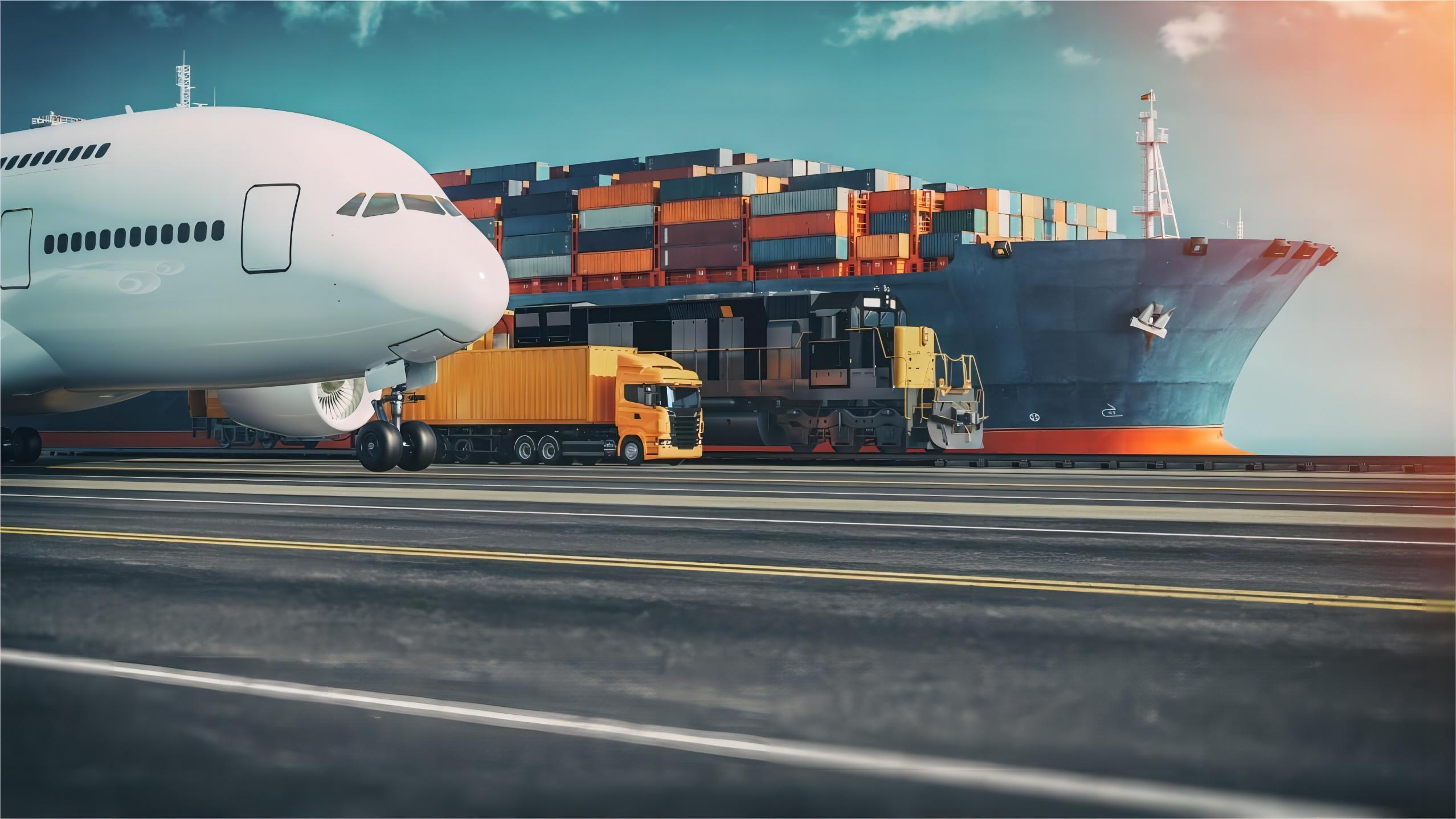
Amazon FBA Shipping China to India: 2026 Logistics Guide
Navigating the complexities of international trade requires a strategic approach to supply chain management. If you are looking for reliable Amazon FBA shipping China to India, Top China Logistics provides tailored solutions that ensure your inventory reaches Indian warehouses safely. Consequently, understanding the 2026 market dynamics is essential for maintaining your competitive edge in the e-commerce landscape.
The Landscape of Amazon FBA Shipping China to India in 2026
Specifically, the trade corridor between China and India has seen significant infrastructure improvements throughout 2025 and into early 2026. Many sellers now prioritize speed and reliability to meet the rising consumer demand on the Amazon India platform. Moreover, logistics trends suggest a shift toward more integrated digital tracking systems that offer real-time visibility into cargo movement.
India’s growing middle class has created a massive market for electronics, home goods, and apparel sourced from Chinese manufacturing hubs. As a result, freight forwarders have optimized their routes to reduce bottlenecks at major ports like Nhava Sheva and Mundra. Furthermore, the implementation of faster customs protocols in 2026 has significantly reduced the average dwell time for imported containers.
Choosing the right partner for your Amazon FBA shipping China to India needs can make the difference between a profitable quarter and a logistical nightmare. Indeed, the complexity of Indian import regulations requires a deep understanding of local compliance standards. Additionally, the 2026 market rates have stabilized after the fluctuations seen in previous years, allowing for more predictable budgeting.
Air vs Sea Freight: Choosing Your Amazon FBA Shipping China to India Method
Deciding between air freight and sea freight depends largely on your budget and inventory turnover requirements. Air transport remains the fastest option, typically delivering goods to Amazon warehouses within 5 to 9 days. However, the higher cost per kilogram makes it most suitable for high-value or lightweight items like electronics and specialized components.
Conversely, ocean transport offers a much more economical solution for bulk shipments and oversized products. While the transit time is longer, often ranging from 18 to 30 days, the cost savings are substantial for large-scale operations. Sellers often utilize Full Container Load (FCL) for maximum efficiency or Less than Container Load (LCL) when shipping smaller volumes.
| Feature | Air Freight | Sea Freight (FCL) | Sea Freight (LCL) |
|---|---|---|---|
| Transit Time | 5-9 Days | 18-25 Days | 25-35 Days |
| Cost Level | High | Low | Moderate |
| Best For | Urgent/High Value | Bulk/Volume | Small Batches |
| Reliability | Very High | High | Moderate |
How Does Amazon FBA Shipping China to India Compare to Other Shipping Options?
Analyzing the various logistics channels reveals that direct FBA shipping is often more efficient than traditional port-to-port methods. While some sellers consider rail-sea combinations, the direct maritime route remains the dominant choice for the China-India corridor in 2026. Additionally, express courier services provide a viable alternative for samples or extremely urgent restocking, though they carry the highest price tags.
Comparison data suggests that while sea freight costs approximately $1,200 to $2,200 for a 20GP container in early 2026, air freight for the same weight could exceed $10,000. Therefore, most established sellers use a hybrid strategy, utilizing air for new launches and sea for replenishing steady sellers. Without a doubt, the choice of method impacts your landed cost and overall profit margins.
| Method | Cost Range (USD) | Transit Time | Main Limitation |
|---|---|---|---|
| Sea Freight | $800 – $3,500 | 20-35 Days | Longer lead time |
| Air Freight | $4.50 – $8.00/kg | 5-9 Days | High cost |
| Express | $9.00 – $15.00/kg | 3-5 Days | Very expensive |
| Sea-Air Hybrid | $2,500 – $4,500 | 12-18 Days | Complex handling |
Navigating Customs Brokerage and Duties in India
Successfully clearing Indian customs requires meticulous documentation and a thorough understanding of current HSN codes. Since the Indian government frequently updates its import policies, having a dedicated customs brokerage service is vital. For instance, ensuring that your commercial invoice, packing list, and Bill of Lading are perfectly aligned will prevent costly delays at the port of entry.
Import duties and the Goods and Services Tax (GST) represent a significant portion of your total landed cost. In 2026, most consumer goods imported from China attract a Basic Customs Duty (BCD) along with Integrated GST (IGST). Consequently, calculating these costs accurately before shipping is essential for setting your Amazon listing prices. Professional logistics providers can offer a landed cost estimation to help you avoid unexpected expenses.
Essential Documentation Checklist
1. Commercial Invoice with detailed product descriptions.
2. Packing List specifying weight and dimensions.
3. Bill of Lading or Air Waybill.
4. Certificate of Origin.
5. Import Export Code (IEC) of the Indian entity.
6. GST registration details.
The Benefits of Door-to-Door Amazon FBA Logistics
Managing multiple vendors for trucking, shipping, and clearance can be overwhelming for many e-commerce entrepreneurs. Utilizing a door to door service simplifies the entire process by providing a single point of contact. This comprehensive approach covers everything from factory pickup in China to final delivery at the Amazon fulfillment center in India.
Furthermore, specialized Amazon FBA logistics providers understand the strict labeling and packaging requirements of the platform. They ensure that every carton meets Amazon’s standards, reducing the risk of rejected shipments. Indeed, this end-to-end service allows you to focus on marketing and sales while the experts handle the physical movement of your goods.
Cost-Saving Strategies for Amazon FBA Shipping China to India
Reducing your logistics expenses requires a proactive approach to volume management and timing. For example, consolidating multiple smaller orders into a single LCL shipment can significantly lower your per-unit shipping cost. Additionally, booking your shipments at least two to three weeks in advance during peak seasons can help you secure better freight rates.
Optimizing your product packaging is another effective way to save money, especially for air freight where volumetric weight applies. Moreover, choosing the right port of discharge in India based on the location of your target FBA warehouse can minimize domestic transportation costs. To summarize, a combination of smart planning and professional guidance is the key to minimizing your 2026 shipping budget.
Which Option Should You Choose? A Decision Framework
Selecting the ideal shipping method involves balancing urgency against your available capital. If your primary goal is speed to market for a trending product, air freight is the logical choice despite the higher expense. On the other hand, if you are moving high volumes of established products with stable demand, sea freight offers the best return on investment.
Consider the following criteria when making your decision: Budget priority suggests sea freight for shipments over 2 CBM. Speed priority dictates air freight for any deadline under two weeks. Cargo type considerations might require specialized handling for hazardous materials or fragile items. Finally, volume thresholds indicate that FCL becomes more cost-effective than LCL once you exceed 15 CBM.
Real-World Case Studies: Amazon FBA Shipping China to India
Case Study 1: Electronics from Shenzhen to Mumbai. Route: Shenzhen Port to Nhava Sheva. Cargo: 1,500 units of smartwatches, 12 CBM. Method: Sea Freight LCL. Ocean Freight: $950. Origin Charges: $250. Destination Charges: $400. Customs and Duties: $1,800. Total Landed Cost: $3,400. Sea Transit: 22 days. Total Door-to-Door: 32 days. Key Insight: Consolidating LCL saved the seller 40 percent compared to air freight for this mid-weight shipment.
Case Study 2: Textiles from Ningbo to Delhi. Route: Ningbo Port to Mundra. Cargo: 5,000 units of home decor, 20GP Container. Method: Sea Freight FCL. Ocean Freight: $1,850. Origin Charges: $350. Destination Charges: $550. Customs and Duties: $4,200. Total Landed Cost: $6,950. Sea Transit: 20 days. Total Door-to-Door: 28 days. Key Insight: Using FCL avoided the handling delays often associated with LCL, ensuring the stock arrived in time for the Diwali sales peak in late 2025.
Final Thoughts on Amazon FBA Shipping China to India
Successfully managing Amazon FBA shipping China to India requires a deep understanding of transit times, costs, and compliance. By choosing the right shipping method and partnering with an experienced freight forwarder, you can significantly reduce your operational headaches. Moreover, staying informed about 2026 market trends will help you make data-driven decisions for your business.
Whether you prioritize the speed of air freight or the cost-effectiveness of sea transport, the key is consistency and planning. In conclusion, a well-optimized logistics strategy is the backbone of any successful Amazon FBA venture in the competitive Indian market. Note: Freight rates are subject to change based on fuel costs, carrier capacity, and seasonal demand. Contact us for a current quote tailored to your specific shipment.
Ready to streamline your logistics?
Streamline your supply chain today with professional Amazon FBA shipping China to India services. Our team of logistics experts is ready to provide you with a competitive quote and a seamless shipping experience tailored to your business needs. Contact us now to optimize your 2026 delivery schedule and ensure your inventory is always in stock. Visit our website to request your free consultation and take the first step toward hassle-free international logistics.
Request Quote