

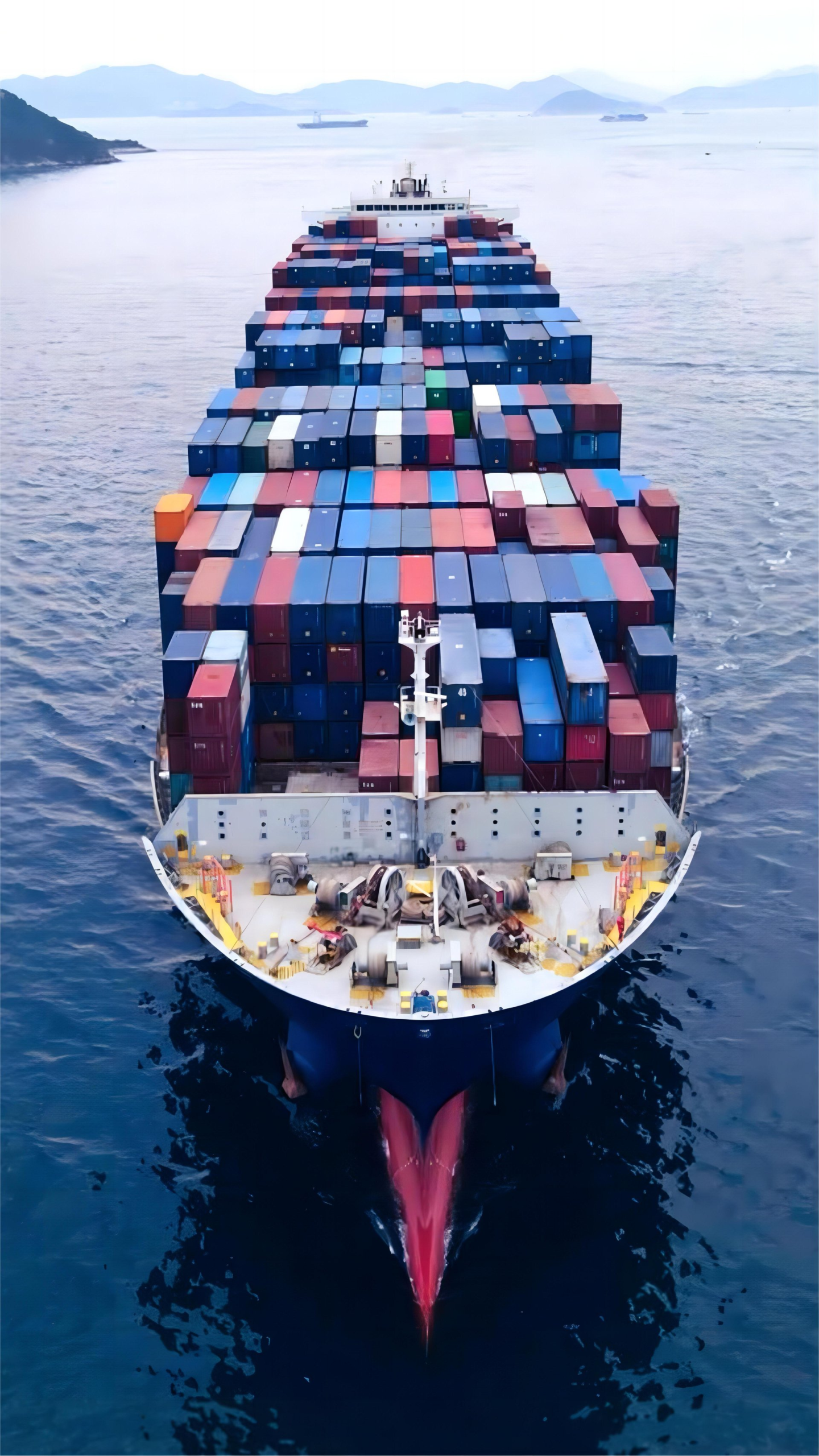
Warehouse Fulfillment China to Italy: The Ultimate 2026 Guide
Managing warehouse fulfillment china to Italy involves complex logistics and strategic planning to ensure timely delivery to European customers. Businesses must navigate varying shipping rates and customs regulations while maintaining inventory levels. By partnering with a professional provider like Top China Logistics, companies can streamline their operations and reduce overall costs. This comprehensive guide explores the essential components of cross-border logistics for the Italian market in 2026.

Understanding Warehouse Fulfillment China to Italy in 2026
The landscape of warehouse fulfillment china to Italy has evolved significantly over the past year. Consequently, businesses now prioritize speed and reliability to meet the high expectations of Italian consumers. Modern fulfillment centers in China offer integrated services that include storage, picking, packing, and international shipping.
Furthermore, these facilities utilize advanced inventory management systems to track stock levels in real-time. This technology allows sellers to prevent stockouts and manage high-volume orders during peak seasons. Meanwhile, the strategic location of warehouses near major Chinese ports reduces the initial transit time for domestic transport.
Choosing the right fulfillment partner is crucial for maintaining a competitive edge in the European market. Specifically, a provider must handle the complexities of Italian VAT and import duties efficiently. Therefore, companies often seek end-to-end solutions that cover everything from the factory floor to the final customer door.
Why Outsource Your Logistics to a China-Based Warehouse?
Outsourcing warehouse fulfillment china to Italy offers several distinct advantages for international sellers. For instance, labor and storage costs in China remain more economical than maintaining similar facilities in Western Europe. As a result, businesses can allocate more capital toward product development and marketing efforts.
Additionally, China-based warehouses provide proximity to the manufacturing source. This arrangement simplifies the quality control process and allows for faster restocking of popular items. Moreover, many 3PL providers in China offer specialized packaging services tailored to the Italian market’s preferences.
In contrast to local Italian warehousing, Chinese fulfillment centers often have better access to diverse shipping lanes. This flexibility ensures that businesses can switch between transport modes based on current freight rates and urgency. Consequently, the overall supply chain becomes more resilient to global disruptions.
How Does Sea Freight Compare to Other Shipping Options?
When planning warehouse fulfillment china to Italy, selecting the appropriate transport mode is a critical decision. Sea freight remains the most popular choice for large-scale shipments due to its cost-effectiveness. However, businesses must account for longer transit times compared to air or rail alternatives.
Specifically, sea freight is ideal for bulky items or high-volume inventory that does not require immediate delivery. Meanwhile, air freight serves as a premium option for high-value goods or urgent restocks. In addition, rail freight has emerged as a balanced middle ground for many Italian importers.
The following table provides an objective analysis of the primary shipping methods available for the China-to-Italy route in early 2026.
| Shipping Method | Cost Range | Transit Time | Best For |
|---|---|---|---|
| Sea Freight (FCL) | $3,000 – $4,200 per 40HQ | 28 – 35 Days | Bulk Inventory |
| Air Freight | $4.50 – $7.50 per kg | 5 – 8 Days | High-Value Goods |
| Rail Freight | $1.80 – $2.50 per kg | 18 – 22 Days | Mid-size Shipments |
| Express Service | $8.00 – $12.00 per kg | 3 – 5 Days | Samples and Urgent |

Evaluating Alternative Strategies for Italian Distribution
Beyond standard shipping, companies should consider hybrid strategies to optimize their warehouse fulfillment china to Italy. For example, a sea-air combination can reduce costs while maintaining a faster schedule than pure ocean transport. This approach involves shipping goods by sea to a hub like Dubai before flying them into Italy.
Another effective strategy involves utilizing rail freight for consistent mid-market delivery. This method avoids the volatility of sea rates while offering a more sustainable footprint for eco-conscious brands. Furthermore, rail connections to northern Italy have improved significantly in 2026, enhancing reliability.
For smaller e-commerce businesses, an express service might be the most suitable alternative for direct-to-consumer orders. While the per-unit cost is higher, the elimination of intermediate warehousing can offset the expense. Consequently, this model is highly effective for testing new products in the Italian market.
Navigating Customs Brokerage and Italian Regulations
Successful warehouse fulfillment china to Italy requires a deep understanding of European Union customs protocols. Specifically, every shipment must comply with Italian VAT regulations and EORI number requirements. Failure to provide accurate documentation can lead to significant delays at the Port of Genoa or Trieste.
Therefore, many businesses hire a professional customs brokerage to manage the paperwork. These experts ensure that HS codes are correctly applied and that all duties are calculated accurately. Moreover, they stay updated on the latest trade agreements between China and the EU.
Indeed, having a dedicated agent can prevent costly storage fees caused by customs holds. Additionally, they can advise on specific Italian labeling requirements for consumer electronics and textiles. Consequently, the clearance process becomes a seamless part of the overall logistics chain.
| Document Type | Purpose | Required For | Issuer |
|---|---|---|---|
| Commercial Invoice | Value Declaration | All Shipments | Seller |
| Packing List | Cargo Details | All Shipments | Warehouse |
| Bill of Lading | Title of Goods | Sea/Rail Freight | Carrier |
| Certificate of Origin | Duty Calculation | Specific Goods | Chamber of Commerce |
The Role of Door to Door Services in Fulfillment
Implementing a door to door service model simplifies the entire fulfillment process for the merchant. In this scenario, the logistics provider manages everything from the Chinese warehouse to the customer’s doorstep in Italy. This integrated approach reduces the risk of communication errors between different service providers.
Furthermore, door-to-door solutions often include last-mile delivery specialized for the Italian geography. Whether the destination is a busy street in Milan or a remote village in Tuscany, local expertise ensures successful delivery. Consequently, customer satisfaction scores typically improve when using these comprehensive services.
Meanwhile, businesses can focus on their core competencies like marketing and sales. Instead of managing multiple freight forwarders, they have a single point of contact for all logistics inquiries. Therefore, this model is highly recommended for growing brands looking to scale their Italian operations.
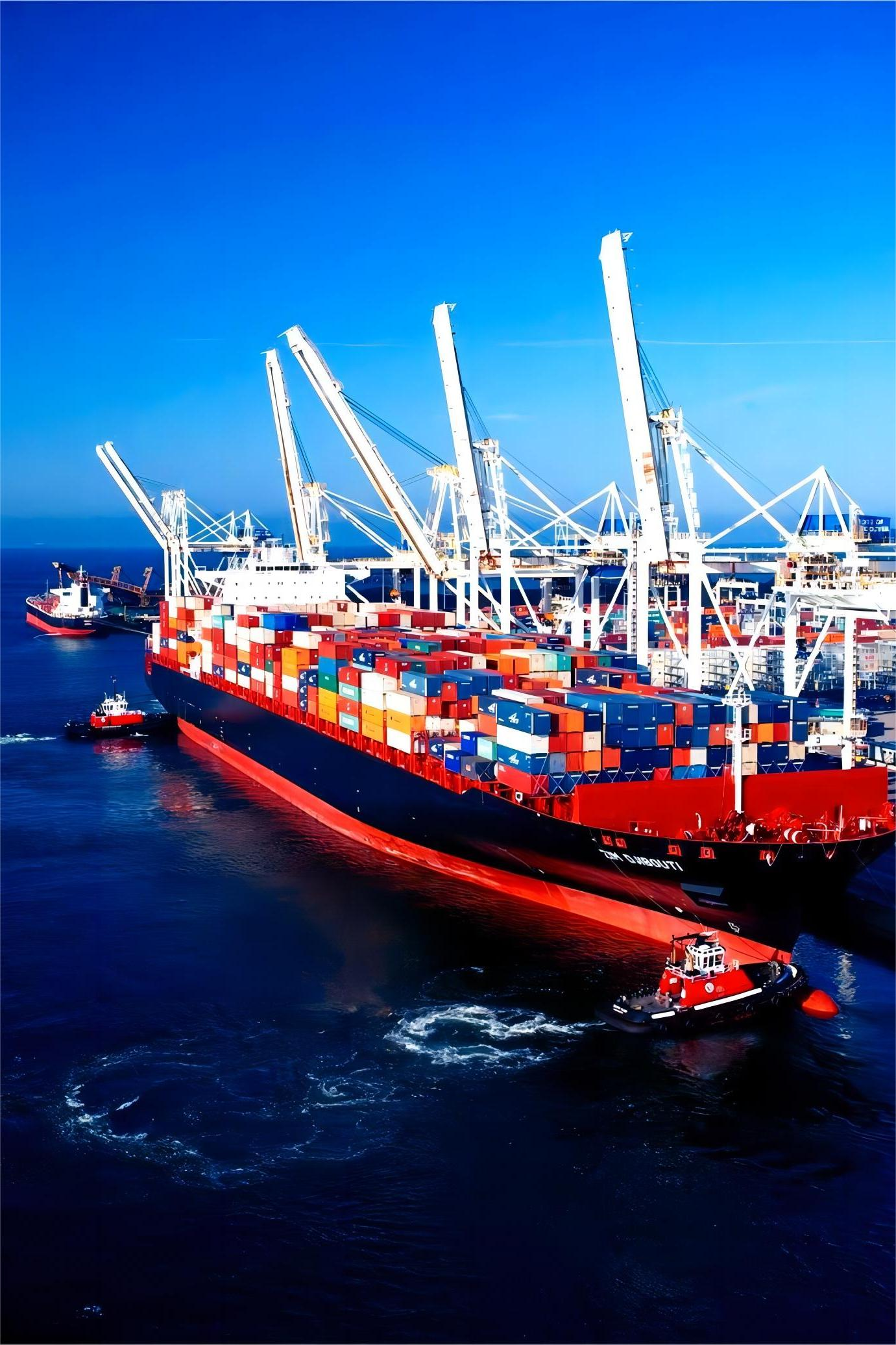
Real Case Studies: Successful Fulfillment from China to Italy
Examining real-world examples provides valuable insights into the practicalities of warehouse fulfillment china to Italy. These cases highlight how different businesses choose their shipping methods based on budget and urgency. Notably, each scenario reflects the market conditions and freight rates typical of early 2026.
Below are two detailed case studies representing common shipping scenarios for the China-to-Italy trade route.
Case Study 1: High-Volume Home Decor via Sea Freight
+———————————————————+ | Route: Ningbo, China to Genoa, Italy | Cargo: Ceramic Home Decor, 28 CBM, 12,500 kg | Container: 20GP Full Container Load | | Shipping Details: | – Carrier/Service: Major Ocean Carrier | – Port of Loading: Ningbo | – Port of Discharge: Genoa | – Route Type: Direct | | Cost Breakdown (Estimated Q1 2026): | – Ocean Freight: $2,450 | – Origin Charges: $450 | – Destination Charges: $600 | – Customs and Duties: $1,200 | – Total Landed Cost: $4,700 | | Timeline: | – Booking to Loading: 5 days | – Sea Transit: 32 days | – Customs Clearance: 3 days | – Total Door-to-Door: 40 days | | Key Insight: By using FCL instead of LCL, the client saved 15% on per-unit shipping costs and avoided potential damage from co-loading. +———————————————————+
Case Study 2: Urgent Electronics via Air Freight
+———————————————————+ | Route: Shenzhen, China to Milan, Italy | Cargo: Smart Home Devices, 2.5 CBM, 450 kg | Container: LCL Air Cargo | | Shipping Details: | – Carrier/Service: Premium Air Freight | – Port of Loading: Shenzhen Bao’an | – Port of Discharge: Milan Malpensa | – Route Type: Direct | | Cost Breakdown (Estimated Q1 2026): | – Air Freight: $2,925 ($6.50/kg) | – Origin Charges: $200 | – Destination Charges: $350 | – Customs and Duties: $1,800 | – Total Landed Cost: $5,275 | | Timeline: | – Booking to Loading: 2 days | – Air Transit: 1 day | – Customs Clearance: 2 days | – Total Door-to-Door: 5 days | | Key Insight: The speed of air freight allowed the client to meet a sudden spike in demand during a major Italian retail holiday. +———————————————————+
Which Option Should You Choose for Your Business?
Selecting the right warehouse fulfillment china to Italy strategy depends on your specific business priorities. If your primary goal is minimizing expenditure, sea freight is the logical choice for large volumes. However, you must maintain a robust inventory buffer to account for the month-long transit time.
On the other hand, if you operate in the fast-fashion or electronics sectors, speed is often more valuable than low shipping costs. In these cases, air freight or express services ensure that you stay ahead of market trends. Furthermore, rail freight offers a strategic compromise for those who need reliability without the high price tag of air transport.
Note: Freight rates are subject to change based on fuel costs, carrier capacity, and seasonal demand. Contact us for a current quote tailored to your specific shipment.
Final Thoughts on Italian Fulfillment Strategies
To summarize, successful warehouse fulfillment china to Italy requires a balance of cost, speed, and regulatory compliance. By understanding the various shipping modes and utilizing professional 3PL services, businesses can efficiently serve the Italian market. Transitioning to an integrated logistics model often results in lower overhead and improved customer loyalty.
As we move through 2026, staying informed about logistics trends and freight rates will be essential. Whether you choose sea, air, or rail, the key is to remain flexible and responsive to consumer needs. Start optimizing your warehouse fulfillment china to Italy now to secure your brand’s future in Europe.
Start Your Shipment
Streamline your warehouse fulfillment china to Italy today with expert logistics support. Contact Top China Logistics for a personalized quote and optimize your supply chain for the 2026 market. Visit our website to learn more about our comprehensive shipping solutions.
Request Quote