

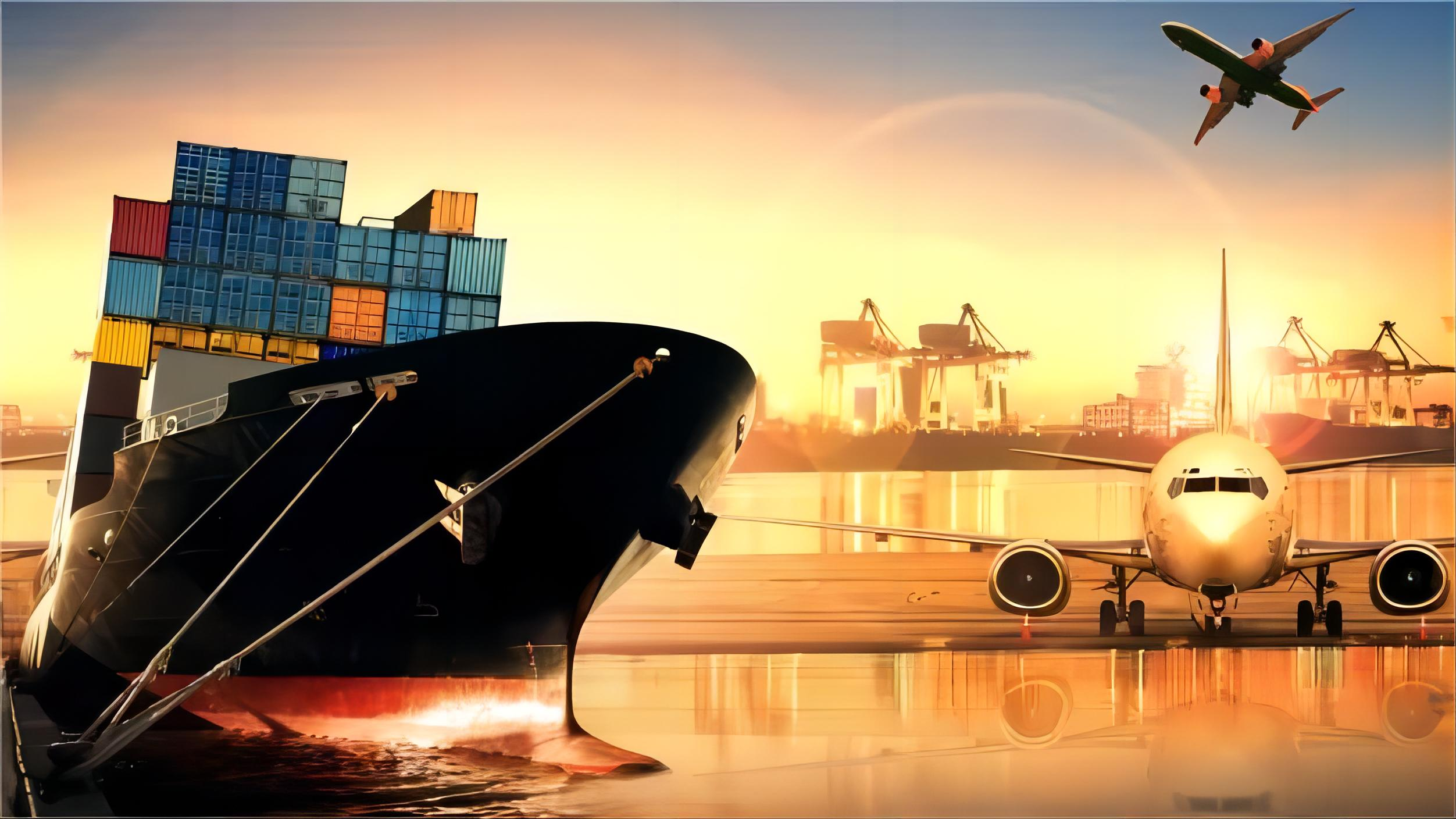
Import Shipping China to Italy: 2026 Logistics Guide
“Managing the logistics of import shipping china to Italy requires a strategic approach to balance speed and cost. Whether you are a seasoned importer or a new business, Top China Logistics provides the expertise needed to navigate complex international trade routes. In 2026, the shipping landscape has evolved with new digital tracking technologies and stabilized freight corridors. Consequently, understanding the nuances of different transport modes is essential for maintaining a competitive edge in the Italian market.”
Current Market Outlook for Shipping from China to Italy in 2026
❖Specifically, the shipping industry has seen a significant return to predictability after the volatile fluctuations of previous years. Market data suggests that ocean freight rates have reached a sustainable equilibrium as of early 2026. Global carriers have expanded their fleets, which has led to increased capacity on the Asia-to-Europe trade lanes. Furthermore, the integration of greener fuels in maritime transport has introduced new environmental surcharges that importers must account for in their budgets.
Moreover, Italian ports like Genoa and Trieste have undergone infrastructure upgrades to handle larger vessels more efficiently. These improvements have reduced congestion and shortened the time cargo spends at the terminal. Meanwhile, digital customs platforms in Italy have streamlined the documentation process for European Union arrivals. Therefore, businesses can expect more reliable schedules compared to the disruptions faced in the early 2020s.
Additionally, seasonal patterns remain a critical factor for anyone planning their supply chain calendar. Rates typically increase 15-25% during the August-October peak season as retailers prepare for the winter holidays. Planning your shipments at least six to eight weeks in advance is highly recommended to secure space and avoid premium pricing. Indeed, early booking remains the most effective strategy for cost containment in the current economic climate.
How Does Sea Freight Compare to Other Shipping Options?
❖When evaluating sea freight as your primary method, cost-effectiveness is usually the most compelling advantage for large volumes. For shipments exceeding 15 cubic meters, utilizing a full container is almost always more economical than air or rail alternatives. However, the trade-off is the significantly longer transit time required to navigate the maritime route through the Suez Canal. Consequently, sea freight is best suited for non-urgent goods with high weight-to-value ratios.
On the other hand, air freight offers unparalleled speed for high-value electronics or urgent fashion collections. While sea freight costs $2,000-4,200 for a container, air freight for the same volume would be prohibitively expensive. Nevertheless, for small parcels or samples, air transport is often the only logical choice to meet tight deadlines. In contrast, rail freight has emerged as a middle-ground solution, offering faster speeds than ships at a lower price point than planes.
To summarize, the choice depends heavily on your specific cargo requirements and budget constraints. If your priority is the absolute lowest landed cost, sea freight remains the undisputed leader for the China-Italy corridor. Without a doubt, businesses must weigh the inventory carrying costs against the higher freight rates of faster modes. For instance, a delay in sea transit might cost more in lost sales than the extra expense of a rail shipment.
| Shipping Method | Cost Range (2026) | Transit Time | Best For |
|---|---|---|---|
| Sea Freight (FCL) | $2,200 – $4,500 | 30-40 Days | Bulk goods and large inventory |
| Air Freight | $4.50 – $9.00/kg | 4-7 Days | High-value or urgent cargo |
| Rail Freight | $1,500 – $2,800 | 18-24 Days | E-commerce and mid-sized loads |
| Express Courier | $8.00 – $15.00/kg | 3-5 Days | Samples and small documents |
Navigating Air Freight and Express Services
❖Utilizing air freight is the most efficient way to maintain a lean inventory and respond quickly to market trends. This method is particularly popular among Italian importers of high-tech components and luxury goods. Furthermore, air transport provides a higher level of security and a lower risk of damage compared to ocean handling. Accordingly, insurance premiums for air shipments are often lower than those for maritime transport.
For even smaller shipments, express service provides a seamless door-to-door experience. Major couriers manage the entire process, including customs clearance and final mile delivery within Italy. This option is ideal for e-commerce sellers who need to restock quickly without managing complex logistics. However, importers should be aware that express rates are calculated based on volumetric weight, which can be expensive for bulky items.
Indeed, the speed of air transport can drastically reduce the lead time for new product launches. By cutting weeks off the transit time, companies can capitalize on seasonal demand before competitors. Meanwhile, the reliability of flight schedules allows for precise planning of warehouse labor and distribution. Therefore, while the initial cost is higher, the strategic benefits often justify the investment for specific product categories.

The Rise of Rail Freight to Italy
❖In recent years, rail freight has become a viable alternative for shipments that are too slow for sea but too expensive for air. The Iron Silk Road connects major Chinese industrial hubs directly to European rail terminals. Consequently, shipments can reach northern Italy in roughly three weeks, bypassing the maritime bottlenecks of the Mediterranean ports. This method is particularly effective for automotive parts and industrial machinery.
Moreover, rail transport is considered more environmentally friendly than air freight, aligning with the sustainability goals of many modern corporations. As carbon taxes become more prevalent in the EU, rail offers a way to reduce the environmental footprint of your supply chain. Additionally, rail rates are generally more stable than sea freight, which can fluctuate wildly based on port congestion or fuel surcharges. Nevertheless, rail capacity is more limited than sea freight, making early booking crucial.
Finally, the security of rail transport has improved significantly with better tracking and sealed container protocols. Most rail services offer real-time GPS monitoring, providing visibility as the cargo moves across Central Asia and Europe. For instance, a shipment from Xi’an can be tracked all the way to a terminal in Milan or Verona. Accordingly, businesses looking for a balanced logistics strategy should seriously consider the rail option for their import shipping china to Italy.
Understanding Italian Customs and Documentation
❖Successfully clearing customs in Italy requires meticulous attention to detail and accurate paperwork. As a member of the European Union, Italy enforces strict regulations regarding product safety, labeling, and intellectual property. Therefore, hiring a professional customs brokerage is highly recommended to avoid costly delays or fines. They can help classify your goods correctly under the Harmonized System (HS) codes to ensure you pay the correct duty rates.
Furthermore, you must prepare a comprehensive set of documents before your cargo arrives at the Italian border. The standard requirements include a Commercial Invoice, a Packing List, and the Bill of Lading or Air Waybill. Additionally, certain products may require specific certificates of origin or CE marking to prove compliance with EU standards. Without a doubt, missing or incorrect documentation is the leading cause of shipment holds at the Port of Genoa or Fiumicino Airport.
Italy also applies a Value Added Tax (VAT) on imported goods, which is typically 22% for most commercial items. This tax is calculated based on the CIF (Cost, Insurance, and Freight) value of the goods plus the applicable import duty. Consequently, importers must ensure they have sufficient liquidity to cover these upfront costs upon arrival. Meanwhile, working with a logistics partner that offers door to door service can simplify this process by handling all tax payments on your behalf.
| Document Name | Purpose | Issued By | Criticality |
|---|---|---|---|
| Commercial Invoice | Declares value for duties | Exporter (China) | Mandatory |
| Packing List | Details cargo contents | Exporter (China) | Mandatory |
| Bill of Lading | Contract of carriage | Carrier/Forwarder | Mandatory |
| CE Certificate | Safety compliance | Testing Lab | Product Specific |
Real-World Case Studies for Italy Imports
❖Examining real-world scenarios helps illustrate the practical challenges and costs associated with import shipping china to Italy. These examples reflect the current market conditions of 2026 and provide a baseline for your own logistics planning. Specifically, they highlight how choosing the right method can impact both the timeline and the final landed cost of your products.
Case Study 1: Electronics from Shenzhen to Milan Route: Shenzhen, China to Milan, Italy Cargo: High-end tablets, 3 CBM, 850 kg Container: LCL (Less than Container Load) Shipping Details: – Carrier/Service: Air Freight Standard – Port of Loading: Shenzhen Bao’an (SZX) – Port of Discharge: Milan Malpensa (MXP) – Route Type: Direct Flight Cost Breakdown: – Air Freight: $5,250 – Origin Charges: $350 – Destination Charges: $420 – Customs & Duties: $1,100 – Total Landed Cost: $7,120 Timeline: – Booking to Loading: 2 days – Air Transit: 1 day – Customs Clearance: 2 days – Total Door-to-Door: 5 days Key Insight: Speed was critical for this launch; air freight ensured market entry before competitors.
Case Study 2: Furniture from Ningbo to Genoa Route: Ningbo, China to Genoa, Italy Cargo: Home Office Furniture, 28 CBM, 4,500 kg Container: 20GP (General Purpose) Shipping Details: – Carrier/Service: COSCO Shipping – Port of Loading: Ningbo-Zhoushan – Port of Discharge: Port of Genoa – Route Type: Direct Sea Route Cost Breakdown: – Ocean Freight: $2,400 – Origin Charges: $450 – Destination Charges: $580 – Customs & Duties: $850 – Total Landed Cost: $4,280 Timeline: – Booking to Loading: 7 days – Sea Transit: 34 days – Customs Clearance: 3 days – Total Door-to-Door: 44 days Key Insight: Using FCL for a full 20GP container minimized the per-unit cost for bulky furniture.
Which Option Should You Choose?
❖Deciding on the best logistics strategy requires a clear understanding of your business priorities and cargo characteristics. If your primary goal is budget priority, we recommend sea freight for any shipment over 2 cubic meters. This method provides the lowest cost per kilogram, especially for heavy or non-perishable items. However, you must account for the longer lead times in your inventory management system.
Conversely, if speed priority is your main concern, air freight is the only viable choice for getting goods to Italy within a week. This is particularly relevant for industries with short product lifecycles or high-value goods. For those seeking a balance, rail freight serves as an excellent hybrid solution. It offers a significant time saving over sea freight while remaining much more affordable than air transport.
Cargo type considerations also play a major role in the decision-making process. Fragile or sensitive items often benefit from the smoother handling of air or rail transport. Meanwhile, hazardous materials or oversized machinery may be restricted to specific sea freight vessels. Always consult with a freight forwarder to determine the volume thresholds for switching methods, as LCL can sometimes become more expensive than FCL once you exceed 15 CBM.
Final Thoughts on Shipping to Italy
To summarize, successful import shipping china to Italy in 2026 relies on selecting the right transport mode and ensuring all documentation is perfectly prepared. While sea freight remains the most cost-effective solution for bulk goods, air and rail options provide necessary flexibility for urgent requirements. By understanding the market trends and Italian customs regulations, you can avoid common pitfalls and ensure a smooth flow of goods.
Indeed, the logistics landscape is more stable than in previous years, but proactive planning remains the key to success. Partnering with an experienced freight forwarder will help you navigate the complexities of international trade with confidence. Whether you are shipping a single pallet or multiple containers, the right strategy will protect your margins and satisfy your customers.

Ready to streamline your logistics?
Streamline your import shipping china to Italy today by partnering with logistics experts. Our team at Top China Logistics is ready to provide you with a customized quote and a reliable delivery schedule for your 2026 shipments. Contact us now to optimize your supply chain and reduce your landed costs.
Request Quote