

Amazon FBA Shipping China to Italy: 2026 Logistics Guide
Amazon FBA shipping China to Italy represents a vital link for e-commerce entrepreneurs looking to scale their business in the European market. Navigating the complexities of international logistics requires a deep understanding of transit times, customs regulations, and cost-effective routing. By partnering with a professional provider like Top China Logistics, sellers can streamline their operations and ensure their inventory arrives at Italian fulfillment centers without unnecessary delays. This comprehensive guide explores the most efficient strategies for managing your supply chain in the 2026 market environment.

What is the Best Way for Amazon FBA Shipping China to Italy?
Choosing the ideal shipping method depends heavily on your specific business needs, budget, and inventory turnover rates. For instance, high-value electronics often require the speed of air transport, while bulky home goods are better suited for ocean containers. Furthermore, the 2026 logistics landscape has introduced more diverse options for sellers to balance their landed costs effectively.
Sellers must consider that each method offers a different trade-off between transit speed and financial investment. Consequently, understanding the nuances of each service is essential for maintaining a competitive edge on the Amazon Italy marketplace. Moreover, the choice of a shipping partner can significantly impact your seller metrics and customer satisfaction levels.
To maximize efficiency, many successful brands utilize a mix of services to keep their stock levels consistent throughout the year. Specifically, they might use sea freight for bulk replenishment and express services for urgent restocks. This hybrid approach ensures that they never run out of inventory during peak Italian shopping seasons.
How Does Amazon FBA Shipping China to Italy Compare to Other Options?
When evaluating Amazon FBA shipping China to Italy, it is crucial to compare the primary modes of transport against your delivery deadlines. While sea freight remains the most economical choice for large volumes, it requires the longest lead times. On the other hand, air freight provides rapid delivery at a significantly higher price point per kilogram.
Rail freight has emerged as a popular middle ground, offering faster transit than sea and lower costs than air. However, rail availability can fluctuate based on geopolitical stability and infrastructure demand across the Eurasian corridors. Therefore, businesses must weigh these factors carefully before committing to a specific logistics strategy.
In addition to the main methods, hybrid solutions like sea-air combinations are becoming more prevalent in 2026. These strategies allow sellers to save money while still beating the standard ocean transit times. Indeed, selecting the right method is often a matter of balancing the urgency of the shipment against the available budget.
| Shipping Method | Cost Range | Transit Time | Best For |
|---|---|---|---|
| Sea Freight (FCL) | $3,000 – $4,200 | 30-40 Days | Bulk Inventory |
| Air Freight | $5.50 – $8.50/kg | 5-8 Days | Urgent Restocks |
| Rail Freight | $120 – $180/CBM | 18-25 Days | Medium Volume |
| Express Service | $9.00 – $12.00/kg | 3-5 Days | Small Samples |

Navigating Sea Freight for Italian Fulfillment Centers
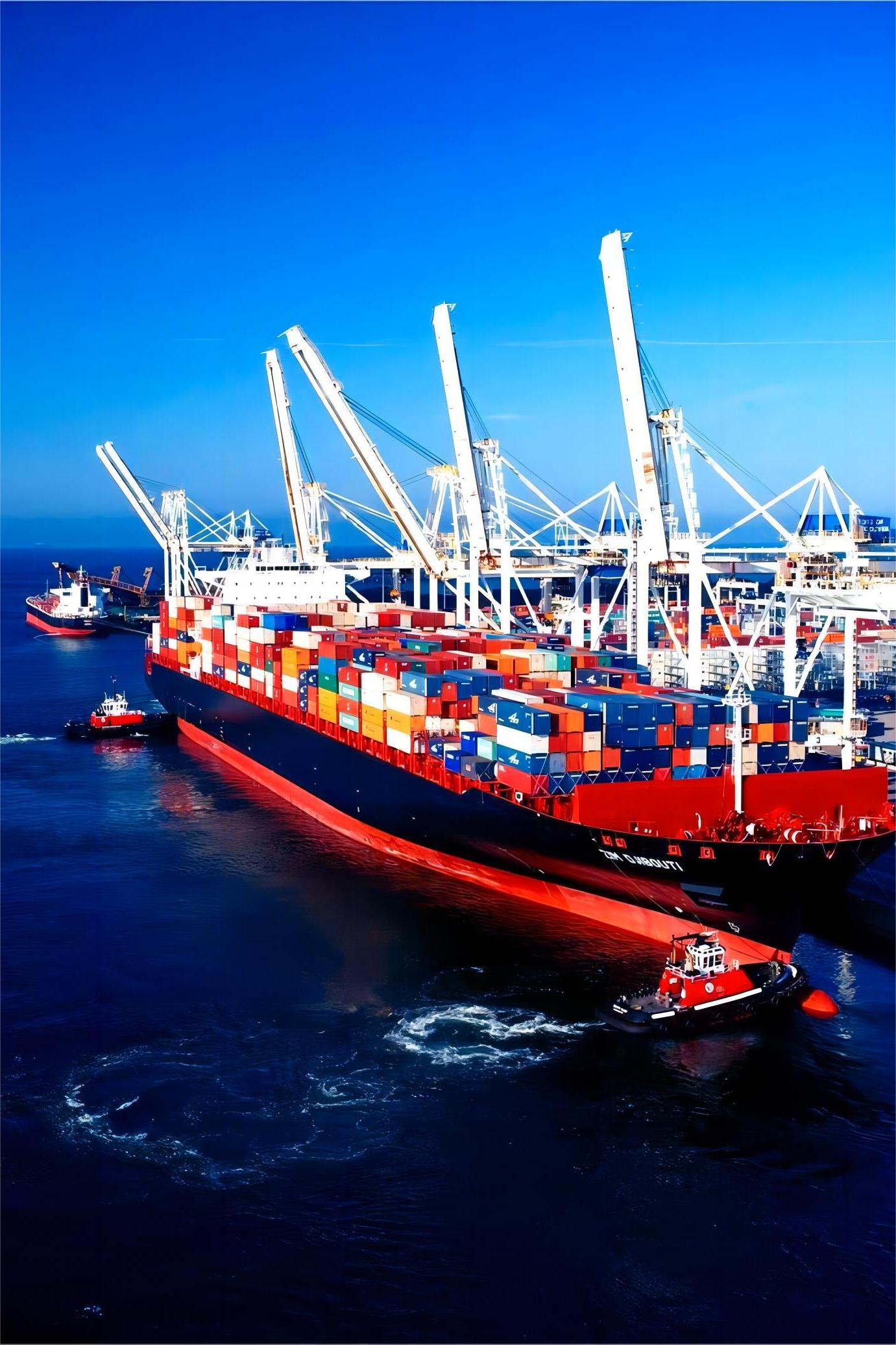
Utilizing sea freight is the most common strategy for established Amazon sellers who move significant volumes. This method allows for the shipment of Full Container Loads (FCL) or Less than Container Loads (LCL) depending on the total cargo size. Consequently, it offers the lowest cost per unit, which is vital for maintaining healthy profit margins.
During the 2026 peak season, ocean rates typically see an increase of 15% to 25% due to higher demand. Therefore, booking your shipments at least 4-6 weeks in advance is highly recommended to secure space and stable pricing. Additionally, choosing the right port of discharge, such as Genoa or La Spezia, can reduce inland haulage times to Italian warehouses.
Note: Freight rates are subject to change based on fuel costs, carrier capacity, and seasonal demand. Contact us for a current quote tailored to your specific shipment.
FCL vs LCL: Which Should You Choose?
For shipments exceeding 15 cubic meters, FCL is generally more cost-effective and provides better security for your goods. In contrast, LCL is ideal for smaller shipments but involves more handling and a higher risk of minor delays during consolidation. Nevertheless, both options are essential components of a robust Amazon FBA shipping China to Italy strategy.
Air Freight: Ensuring Speed for High-Demand Products
When inventory levels drop unexpectedly, air freight becomes the indispensable solution for Italian Amazon sellers. This method bypasses the long maritime routes, ensuring that your products are live on the marketplace within a week. Furthermore, air transport reduces the risk of damage and theft compared to other modes of transit.
Although the costs are higher, the speed of air freight allows for faster capital turnover and minimizes the risk of losing your Amazon ranking. Specifically, for high-margin items or seasonal products, the investment in air transport is often justified by the avoided loss of sales. Moreover, modern tracking systems provide real-time visibility into your cargo’s progress.
As of early 2026, air cargo capacity from major Chinese hubs like Shenzhen and Shanghai to Milan Malpensa remains steady. However, fuel surcharges can fluctuate, so it is wise to monitor the market closely. Consequently, working with a freight forwarder who has blocked space agreements can provide more reliable pricing.
The Role of Rail Freight in 2026 Logistics
The expansion of the Iron Silk Road has made rail freight a viable alternative for shipping to Italy. This mode offers a transit time that is significantly faster than sea freight while remaining much cheaper than air. Accordingly, many sellers use rail for mid-sized shipments that require a balance of speed and economy.
Rail services typically connect major Chinese industrial cities directly to European rail hubs, where cargo is then trucked to Italian FBA warehouses. This door-to-door approach simplifies the logistics chain and reduces the number of touchpoints. Nevertheless, sellers should be aware of potential seasonal congestion at border crossings during the winter months.
In addition, rail freight is often considered a more environmentally friendly option compared to air or sea transport. This can be a valuable selling point for brands focusing on sustainability in the European market. Therefore, integrating rail into your Amazon FBA shipping China to Italy plan can benefit both your bottom line and your brand image.
Customs Clearance and Italy Import Regulations
Navigating the Italian customs landscape requires precision and thorough documentation to avoid costly storage fees at the port. Professional customs brokerage services are essential for ensuring that all VAT and duty requirements are met correctly. Furthermore, Italian authorities are strict regarding product compliance and labeling for the EU market.
Sellers must ensure they have a valid EORI number and that all commercial invoices accurately reflect the value and nature of the goods. Failure to provide correct documentation can lead to shipments being held for inspection, which disrupts your Amazon inventory flow. Consequently, proactive preparation is the key to a smooth customs clearance process.
In 2026, digital customs platforms have streamlined the filing process, but manual inspections still occur for certain product categories. Moreover, understanding the specific HS codes for your products will help in calculating accurate landed costs. Therefore, consulting with a logistics expert before shipping is always a prudent step.
| Document Name | Purpose | Required By | Timing |
|---|---|---|---|
| Commercial Invoice | Value Declaration | Customs | At Loading |
| Packing List | Content Verification | Warehouse/Customs | At Loading |
| Bill of Lading | Title of Goods | Carrier | Post-Departure |
| Certificate of Origin | Duty Calculation | Italian Customs | Pre-Arrival |

Which Option Should You Choose?
Deciding on the best method for Amazon FBA shipping China to Italy involves a clear evaluation of your business priorities. If your primary goal is to minimize costs and you have ample lead time, sea freight is the clear winner. However, if you are launching a new product and need to test the market quickly, air freight is more appropriate.
For those with consistent sales volumes who want to avoid the high costs of air but cannot wait for the sea, rail freight offers an excellent compromise. Additionally, consider the volume of your shipment; LCL is great for small batches, while FCL is better for full inventory restocks. Specifically, look at your ‘days of supply’ to determine the urgency of each shipment.
To summarize, your choice should align with your financial strategy and inventory management goals. Without a doubt, a diversified approach often yields the best results in the long term. By using a mix of door to door services, you can maintain a flexible and resilient supply chain.
Real-World Case Studies for 2026
Case Study 1: Electronics Restock. Route: Shenzhen to Milan. Cargo: 500kg of Smart Home Devices. Method: Air Freight. Cost: $3,800. Timeline: 6 days door-to-door. Insight: Using air freight allowed the seller to maintain their ‘Best Seller’ badge during a sudden demand spike.
Case Study 2: Kitchenware Bulk Order. Route: Ningbo to Genoa. Cargo: 15 CBM (LCL). Method: Sea Freight. Cost: $1,450. Timeline: 38 days. Insight: Booking 5 weeks in advance secured a lower rate before the Q4 peak season price hike.
Case Study 3: Furniture Sample Batch. Route: Chengdu to Verona. Cargo: 3 CBM. Method: Rail Freight. Cost: $550. Timeline: 22 days. Insight: Rail provided a cost-effective way to send large samples that were too heavy for air but needed faster than sea.
Mastering Your Italy Logistics Strategy
In conclusion, successful Amazon FBA shipping China to Italy requires a proactive approach and a deep understanding of the available transport modes. Whether you prioritize the speed of air freight or the economy of sea freight, the key is to plan ahead and choose a reliable logistics partner. By staying informed about 2026 market trends and customs requirements, you can ensure a steady flow of inventory to your Italian customers.
Furthermore, leveraging a mix of shipping methods will provide the flexibility needed to navigate any supply chain disruptions. Always remember to calculate your total landed costs accurately to maintain profitability on the Amazon platform. With the right strategy, your business can thrive in the competitive Italian e-commerce landscape.
Need a tailored shipping solution?
Are you ready to optimize your Amazon FBA shipping China to Italy? Contact our expert team today for a customized quote and professional logistics support. Visit our Amazon FBA service page to learn more about how we can help you grow your business in the Italian market. Send Inquiry: