

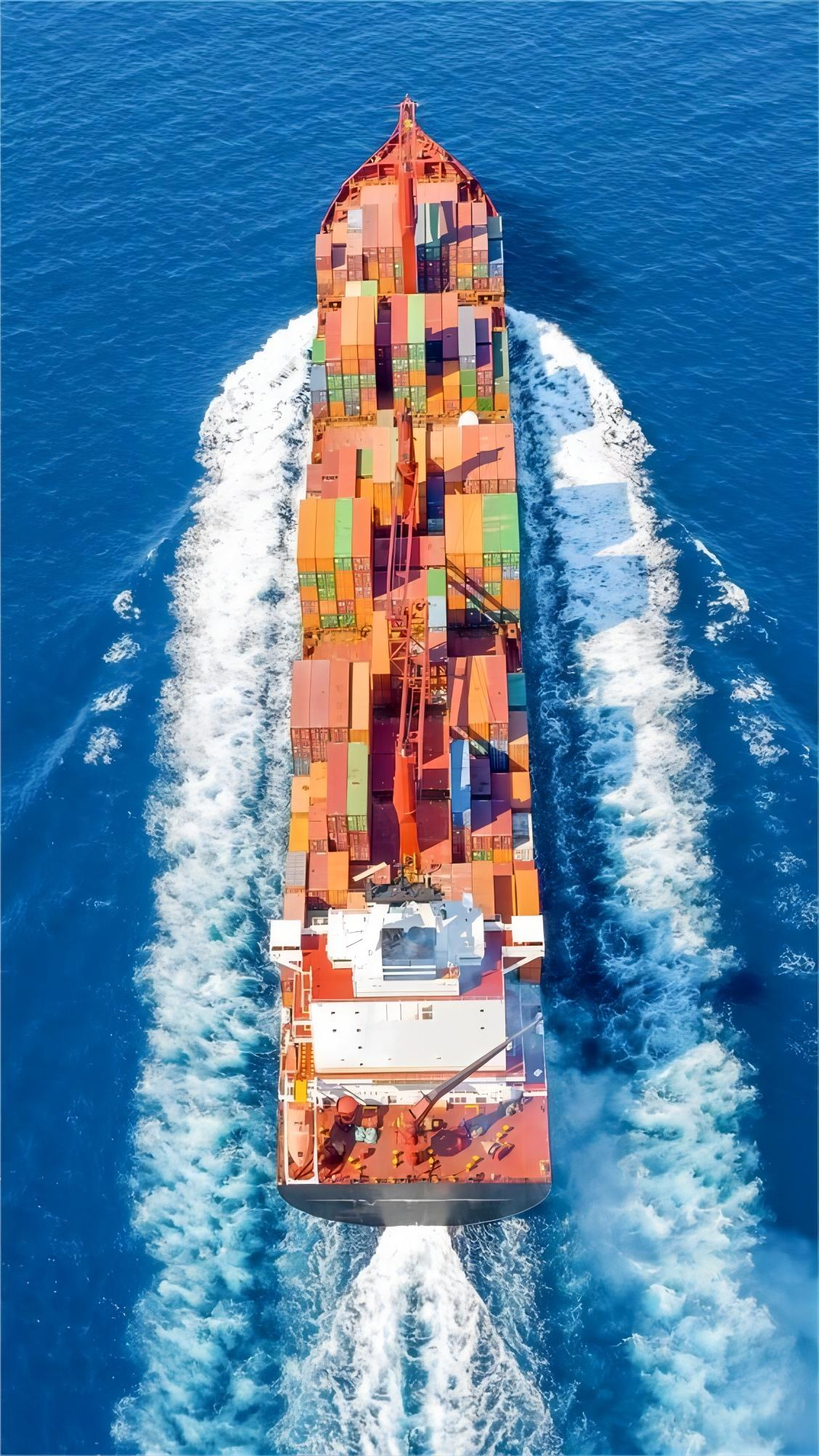
Freight Forwarder China to Spain: 2026 Shipping and Logistics Guide
Finding a reliable freight forwarder china to Spain is essential for businesses looking to streamline their international supply chain in 2026. Whether you are importing consumer electronics from Shenzhen or industrial machinery from Shanghai, navigating the complexities of Mediterranean logistics requires professional expertise. This guide provides a comprehensive overview of shipping methods, current market costs, and strategic advice to ensure your cargo arrives safely in Madrid, Barcelona, or Valencia.

Why You Need a Professional Freight Forwarder China to Spain in 2026
Managing international shipments involves more than just moving boxes from one point to another. Professional logistics providers handle the intricate details of carrier negotiations, documentation, and local regulations in both China and Spain. Consequently, businesses can focus on their core operations while experts manage the transit risks.
Moreover, the logistics landscape in 2026 has become increasingly digital and data-driven. A top-tier forwarder utilizes real-time tracking and advanced analytics to optimize routes and reduce delays. This ensures that your inventory levels remain stable despite global market fluctuations.
Additionally, local expertise in Spanish customs prevents costly storage fees at major ports like Algeciras or Valencia. Experienced agents understand the specific requirements for various commodity codes and VAT regulations. Therefore, hiring a specialist is an investment in both speed and compliance.
Sea Freight: The Most Economical Choice for Bulk Cargo
For most importers, sea freight remains the primary choice due to its cost-effectiveness for large volumes. You can choose between Full Container Load (FCL) and Less than Container Load (LCL) based on your total cargo volume. FCL is typically faster and safer for shipments exceeding 15 cubic meters.
LCL shipping allows multiple shippers to share space within a single container, which is ideal for smaller businesses. However, this method requires more time for consolidation at the origin and deconsolidation at the destination. Meanwhile, 2026 market trends show a steady demand for sustainable shipping options in the maritime sector.
Shipping rates for sea freight have stabilized in early 2026 after the fluctuations of previous years. You should expect transit times to range from 32 to 45 days depending on the specific port pair and route type. For instance, direct sailings from Ningbo to Barcelona are generally faster than transshipment routes.
| Container Type | Average Cost (2026) | Transit Time | Capacity |
|---|---|---|---|
| 20GP Container | $2,100 – $2,800 | 32-38 Days | 33 CBM |
| 40GP Container | $3,200 – $4,100 | 32-40 Days | 67 CBM |
| 40HQ Container | $3,500 – $4,500 | 32-42 Days | 76 CBM |
| LCL (per CBM) | $60 – $95 | 40-48 Days | Variable |
Air Freight: Speed and Reliability for Urgent Shipments
When time is of the essence, air freight provides the fastest connection between Chinese manufacturing hubs and Spanish markets. This method is particularly suitable for high-value goods, electronics, or seasonal fashion items that need to hit the shelves quickly. Most shipments arrive at Madrid-Barajas or Barcelona-El Prat airports within a week.
Standard air freight offers a balance between cost and speed, while express options cater to critical deadlines. Furthermore, the security levels in air transport are significantly higher than other modes, reducing the risk of theft or damage. As a result, insurance premiums for air cargo are often lower than those for sea transport.
Current 2026 rates for air transport reflect the increased fuel efficiency of modern cargo fleets. However, costs are still calculated based on either actual weight or volumetric weight, whichever is higher. Consequently, efficient packaging is vital to avoid unnecessary expenses during the shipping process.

How Does Sea Freight Compare to Other Shipping Options?
Comparing different shipping methods is crucial for optimizing your logistics budget and meeting delivery schedules. Sea freight offers the lowest cost per unit but requires significant lead time for planning. In contrast, air freight offers unmatched speed but comes with a much higher price tag.
Rail freight has emerged as a viable middle ground for the China-Spain route, utilizing the Trans-Eurasian rail network. This option is faster than sea and significantly cheaper than air, making it attractive for mid-value industrial goods. Nevertheless, rail capacity can be limited during peak seasons, requiring early bookings.
Choosing the right method depends on your specific cargo type and budget constraints. For example, a shipment of heavy machinery is best suited for sea, while a prototype for a new gadget should travel by air. Each method has distinct trade-offs regarding environmental impact and infrastructure reliability.
| Shipping Method | Cost Range | Transit Time | Best For |
|---|---|---|---|
| Sea Freight | Lowest ($) | 32-45 Days | Bulk / Non-urgent |
| Air Freight | Highest ($$$) | 4-8 Days | Urgent / High-value |
| Rail Freight | Medium ($$) | 18-25 Days | Mid-size / Reliable |
| Express | Premium ($$$$) | 3-5 Days | Small Parcels |
Which Option Should You Choose? A Decision Framework
If your primary goal is budget priority, sea freight is almost always the recommended option for shipments over 100kg. For shipments under 100kg, the price gap between sea and air narrows significantly due to minimum handling fees. Therefore, you should calculate the total landed cost before making a final decision.
When speed is the priority, air freight is the undisputed winner for the freight forwarder china to Spain route. However, if you have a moderate timeline of about three weeks, rail freight provides an excellent alternative. It allows you to maintain a leaner inventory compared to the long lead times of sea transport.
Cargo type also dictates the choice, as hazardous materials or oversized items may be restricted on planes or trains. In such cases, specialized sea freight services are necessary to ensure compliance with international safety standards. Always consult with your logistics provider to verify the latest regulations for your specific goods.
Rail Freight: The Modern Silk Road to Spain
Utilizing rail freight has become a strategic advantage for many European importers in 2026. The Yiwu-Madrid railway line is one of the longest in the world, connecting major Chinese trade hubs directly to the heart of Spain. This route avoids the congestion often found at major seaports.
Rail transport is less affected by weather conditions compared to sea or air, leading to more predictable delivery schedules. Additionally, it is considered a much greener alternative to air freight, helping companies meet their sustainability goals. Many businesses now use rail as a core component of their hybrid logistics strategy.
Transit times for rail typically hover around 22 days from terminal to terminal. While this is longer than air, it is nearly twice as fast as traditional sea routes. Consequently, it is the perfect solution for automotive parts and consumer electronics that require a steady, reliable supply chain.

Customs Clearance and Essential Documentation in Spain
Navigating Spanish customs requires a deep understanding of EU trade regulations and local administrative procedures. You must ensure that all documentation, including the Commercial Invoice and Packing List, is accurate and complete. Any discrepancies can lead to significant delays and additional inspections by the authorities.
Using a professional customs brokerage service is highly recommended to manage the EORI registration and VAT declarations. They can also advise on potential duty exemptions or preferential trade agreements that might apply to your products. This proactive approach minimizes the risk of legal complications during the import process.
Furthermore, certain goods may require specific certificates, such as CE marking for electronics or phytosanitary certificates for food items. Your freight forwarder should verify these requirements well before the cargo arrives at the Spanish border. Indeed, preparation is the key to a seamless customs experience in 2026.
Real-World Case Studies: Shipping from China to Spain
Case Study 1: Large Scale Furniture Import. A retailer in Valencia imported three 40HQ containers of home furniture from Foshan. By choosing sea freight, they managed to keep shipping costs at approximately $3,900 per container. The total transit time was 38 days, and the goods arrived just in time for the spring sales season.
Case Study 2: Urgent Electronics Restock. A tech distributor in Madrid faced a sudden stockout of high-demand tablets from Shenzhen. They utilized air freight to move 600kg of cargo, which arrived in just 5 days. Although the cost was $8.20 per kg, the rapid delivery prevented a loss of market share and maintained customer loyalty.
Case Study 3: Industrial Components via Rail. A manufacturing plant in Zaragoza used rail freight to import 12 CBM of specialized components from Wuhan. The shipment took 21 days and cost $5,200, providing a significant time saving over sea freight. This allowed the factory to maintain its production schedule without the high expense of air transport.
| Case Study | Cargo Type | Method | Total Cost |
|---|---|---|---|
| Furniture | 40HQ Container | Sea Freight | $3,900 |
| Electronics | 600 kg | Air Freight | $4,920 |
| Components | 12 CBM (LCL) | Rail Freight | $5,200 |
Door to Door Services: Simplifying Your Supply Chain
Many modern businesses prefer a door to door service to eliminate the hassle of managing multiple logistics providers. This comprehensive solution covers everything from factory pickup in China to final delivery at your warehouse in Spain. It provides a single point of contact and unified billing for the entire journey.
This service is particularly beneficial for Amazon FBA sellers who need to meet strict delivery windows and labeling requirements. By outsourcing the entire process, you reduce the likelihood of communication errors between different agents. Moreover, door-to-door providers often offer competitive all-in rates that include customs clearance and local trucking.
In 2026, the integration of last-mile delivery technology has made these services more transparent than ever. You can track your shipment’s progress through every milestone, from the Chinese warehouse to the Spanish doorstep. Consequently, this model has become the standard for small to medium-sized enterprises seeking efficiency.
Strategies for Reducing Shipping Costs from China to Spain
Reducing logistics expenses requires a combination of smart planning and negotiation. One effective strategy is to consolidate multiple small orders into a single FCL shipment to benefit from lower per-unit rates. Additionally, optimizing your packaging to reduce volumetric weight can lead to significant savings in air and express freight.
Booking your shipments at least two to three weeks in advance can help you secure better rates and guaranteed space on vessels. Rates typically spike during peak seasons such as the weeks leading up to the Chinese New Year or the Golden Week. Therefore, avoiding these periods can save you between 15% and 25% on freight costs.
Finally, comparing quotes from multiple forwarders ensures you are getting a fair market price for the current 2026 climate. Note: Freight rates are subject to change based on fuel costs, carrier capacity, and seasonal demand. Contact us for a current quote tailored to your specific shipment.
Mastering Your Logistics from China to Spain
Successfully importing goods requires a strategic approach and a dependable freight forwarder china to Spain. By understanding the differences between sea, air, and rail freight, you can make informed decisions that align with your business goals. In 2026, the key to success lies in balancing cost, speed, and reliability through expert logistics management.
Whether you choose the economy of sea freight or the speed of air transport, professional guidance ensures your cargo navigates the complexities of global trade. Start planning your next shipment today to stay ahead in the competitive Spanish market.
Need a tailored shipping solution?
Are you ready to optimize your imports with a reliable freight forwarder china to Spain? Our team provides tailored logistics solutions that save you time and money while ensuring total compliance. Contact Top China Logistics today to receive a personalized quote and experience seamless shipping for your business. Visit our website to start your inquiry now: https://topchinalogistics.com/ Send Inquiry: