
LCL Shipping China to UAE: Complete 2026 Logistics Guide. Options: 1. LCL Shipping China to UAE: Complete 2026 Logistics
Managing small cargo volumes requires a strategic approach to international logistics to ensure cost-effectiveness and reliability. Top China Logistics offers tailored solutions for businesses engaged in LCL shipping China to UAE. Consequently, importers can maintain lean inventories while ensuring a steady supply of goods from Chinese manufacturers throughout 2026.
✦
What Is LCL Shipping China to UAE and How Does It Work?
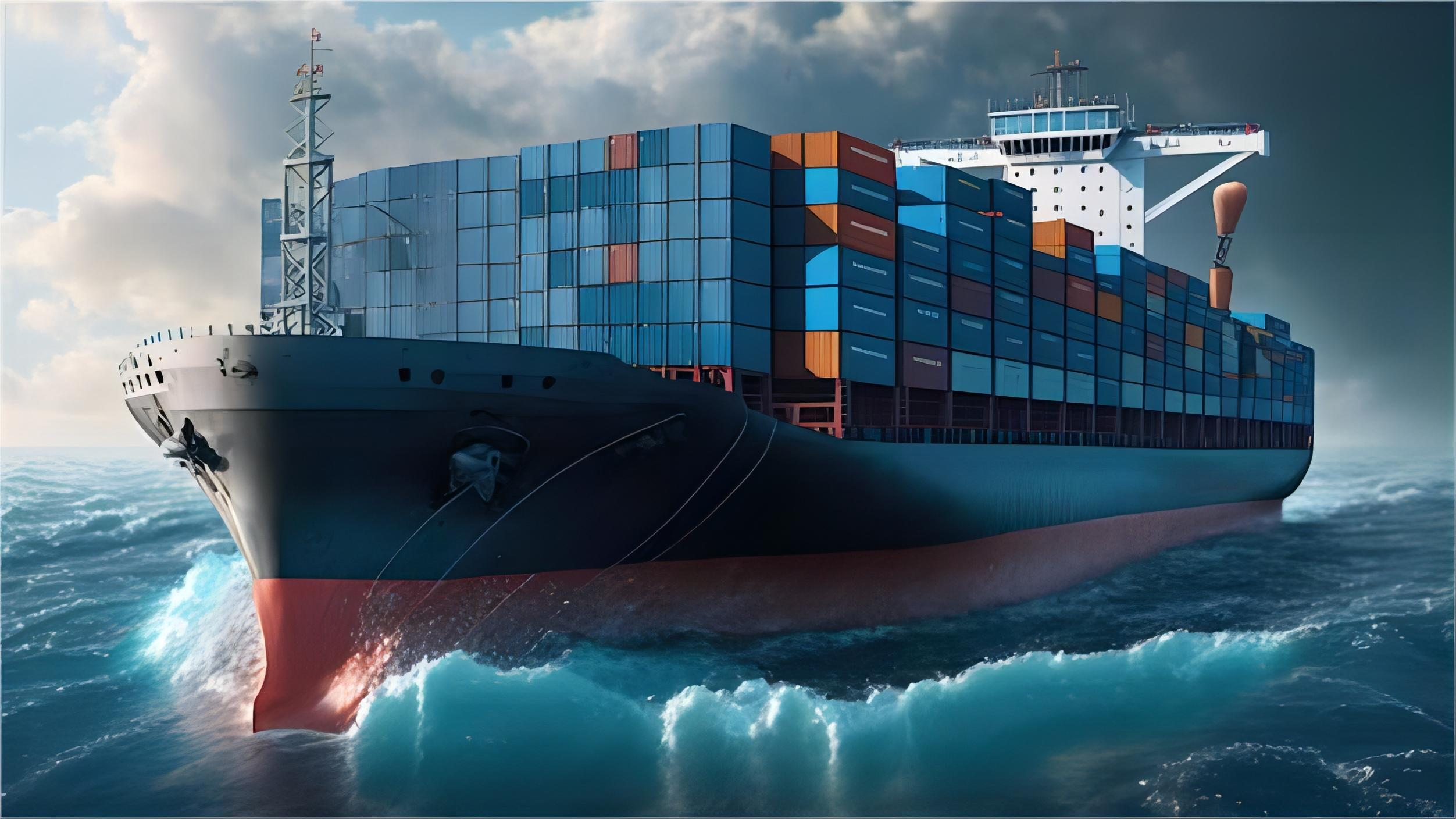
Less than Container Load, commonly known as LCL, allows multiple shippers to share space within a single ocean container. This method is particularly beneficial for businesses that do not have enough goods to fill a standard 20ft or 40ft container. Indeed, it provides a flexible and affordable way to transport smaller volumes across the ocean.
Freight forwarders manage the process by consolidating various shipments at a warehouse before loading them into a container at the port of origin. Once the vessel reaches the UAE, the container is moved to a de-consolidation warehouse where individual shipments are separated for final delivery. Therefore, you only pay for the volume your cargo occupies, measured in cubic meters.
Choosing sea freight in the form of LCL is often the most logical choice for shipments between 1 and 15 cubic meters. Furthermore, the 2026 market indicates that consolidation services have become more frequent, reducing the waiting time for containers to be filled.
Importers must understand that while LCL is cost-effective, it involves more handling than Full Container Load (FCL) shipping. Each touchpoint increases the importance of high-quality packaging to prevent damage during transit. Consequently, working with an experienced logistics provider ensures your goods are handled with the necessary care.
How Does LCL Shipping Compare to Other Shipping Options?
Evaluating different transport modes is essential for optimizing your supply chain and managing your budget effectively. While air freight offers unmatched speed, the costs are significantly higher for heavy or bulky items. On the other hand, LCL shipping China to UAE provides a middle ground, offering lower costs than air and more flexibility than FCL.
Alternative strategies often involve weighing the trade-offs between speed and expense. For instance, if your shipment is exceptionally small, express services might be faster and competitively priced. However, for shipments exceeding 200kg, sea-based consolidation usually becomes the more economical choice.
Hybrid solutions, such as sea-air shipping, have gained popularity in early 2026 for those needing a balance of both worlds. This method typically involves shipping by sea to a hub like Colombo or Singapore and then flying the cargo to Dubai. Nevertheless, direct LCL remains the standard for most commercial imports due to its predictable cost structure.
| Shipping Method | Cost Range | Transit Time | Best For |
|---|---|---|---|
| LCL Sea Freight | $80 – $160 per CBM | 18 – 25 Days | Shipments 1-15 CBM |
| FCL Sea Freight | $1,300 – $2,200 per 20GP | 15 – 22 Days | High volume cargo |
| Air Freight | $4.50 – $7.50 per KG | 3 – 7 Days | Urgent/High value |
| Express Service | $8.00 – $12.00 per KG | 2 – 4 Days | Samples and documents |

Key Factors Influencing LCL Shipping China to UAE Costs in 2026
Several variables determine the final invoice you receive for your consolidated ocean shipment. Ocean freight rates represent the core cost, but terminal handling charges and documentation fees add to the total. Additionally, seasonal demand during the Q4 peak season can cause rates to fluctuate by as much as 20 percent.
Market data from early 2026 suggests that fuel surcharges remain a significant component of the pricing structure. Because carriers adjust these surcharges monthly, getting a fresh quote for every shipment is vital. Moreover, the distance between the specific Chinese port and the UAE destination port affects the base rate.
Professional customs brokerage services are also a necessary expense to consider when calculating your landed cost. Failure to account for UAE import duties and VAT can lead to unexpected financial strain upon arrival. Therefore, a comprehensive budget should include all local charges at both ends of the journey.
Note: Freight rates are subject to change based on fuel costs, carrier capacity, and seasonal demand. Contact us for a current quote tailored to your specific shipment.
Transit Time Analysis: From China Ports to the UAE
Understanding the timeline for LCL shipping China to UAE is crucial for inventory planning and meeting customer expectations. Typically, the sea transit itself takes between 15 and 20 days depending on the specific route and carrier. However, the total door-to-door time is longer due to the consolidation and de-consolidation processes.
Shipments departing from Southern China ports like Shenzhen or Guangzhou usually have shorter transit times to Jebel Ali. In contrast, vessels leaving from Northern ports like Qingdao or Tianjin may take a few extra days. Furthermore, port congestion in major hubs can occasionally add 3 to 5 days to the expected schedule.
Direct routes are the fastest option, but some carriers might use transshipment hubs like Singapore. While transshipment can sometimes be cheaper, it increases the risk of delays and requires more cargo handling. Consequently, businesses with strict deadlines should prioritize direct services whenever available.
| Port of Loading | Transit Type | Sea Transit | Total Door-to-Door |
|---|---|---|---|
| Shenzhen / Nansha | Direct | 15 – 18 Days | 25 – 30 Days |
| Shanghai / Ningbo | Direct | 18 – 22 Days | 28 – 35 Days |
| Qingdao / Tianjin | Transshipment | 22 – 26 Days | 32 – 40 Days |
| Xiamen | Direct | 17 – 20 Days | 27 – 33 Days |
Which Option Should You Choose? Decision Framework
Choosing the right shipping method requires a clear understanding of your business priorities and cargo characteristics. If your primary goal is budget optimization and your volume is under 15 CBM, LCL is almost always the superior choice. However, if you are shipping fragile electronics that require minimal handling, air freight might be worth the extra investment.
Volume thresholds play a critical role in the decision between LCL and FCL shipping. Once your cargo exceeds 13 to 15 cubic meters, the cost of a full 20ft container often becomes cheaper than paying for individual CBMs in a shared container. Additionally, FCL offers faster transit times because it bypasses the consolidation warehouse.
Speed priority should always lead you toward air or express options, especially for high-demand product launches. On the other hand, if you can plan your inventory 40 days in advance, the cost savings of sea freight are substantial. In addition, consider the value of the goods; high-value items benefit from the security and speed of air transport.
Navigating Customs and Documentation for UAE Imports
Successful LCL shipping China to UAE depends heavily on accurate and timely documentation to avoid port delays. The UAE customs authorities require a specific set of documents for every commercial import. For instance, the Bill of Lading, Commercial Invoice, and Packing List are the fundamental requirements for all shipments.
Certain products may require additional certifications, such as a Certificate of Origin or specialized permits for food and chemicals. Moreover, ensuring that the HS codes on your paperwork are correct is vital for determining the appropriate duty rates. Incorrect coding can lead to fines or the seizure of your cargo by customs officials.
Utilizing a door to door service often simplifies this process as the forwarder handles the clearance on your behalf. This integrated approach reduces the administrative burden on your team and ensures compliance with 2026 UAE import regulations. Consequently, you can focus on your core business operations while the logistics experts manage the red tape.

Real-World Case Studies: LCL Shipping China to UAE
Case Study 1: Consumer Electronics from Shenzhen to Dubai
Case Study 1: Electronics Consolidation
Route: Shenzhen, China to Dubai, UAE
Cargo: Consumer Electronics, 3 CBM, 450 kg
Container: LCL 3 CBM
Shipping Details:
– Carrier/Service: Major carrier
– Port of Loading: Shenzhen
– Port of Discharge: Jebel Ali
– Route Type: Direct
Cost Breakdown:
– Ocean Freight: $270
– Origin Charges: $130
– Destination Charges: $160
– Customs and Duties (estimated): $450
– Total Landed Cost: $1,010
Timeline:
– Booking to Loading: 3 days
– Sea Transit: 17 days
– Customs Clearance: 2 days
– Total Door-to-Door: 22 days
Key Insight: By using a direct LCL service from Shenzhen, the client avoided transshipment delays and kept the total timeline under 25 days during the early 2026 season.
Case Study 2: Home Furniture from Foshan to Abu Dhabi
Case Study 2: Furniture Import
Route: Foshan via Guangzhou, China to Abu Dhabi, UAE
Cargo: Flat-pack Furniture, 6 CBM, 1,200 kg
Container: LCL 6 CBM
Shipping Details:
– Carrier/Service: Regional specialist
– Port of Loading: Guangzhou
– Port of Discharge: Khalifa Port
– Route Type: Direct
Cost Breakdown:
– Ocean Freight: $540
– Origin Charges: $210
– Destination Charges: $240
– Customs and Duties (estimated): $300
– Total Landed Cost: $1,290
Timeline:
– Booking to Loading: 5 days
– Sea Transit: 20 days
– Customs Clearance: 3 days
– Total Door-to-Door: 28 days
Key Insight: The client saved significantly compared to FCL by choosing LCL for this 6 CBM shipment, despite the slightly longer handling time at the destination.
Optimizing Your LCL Shipping China to UAE for Amazon FBA
E-commerce sellers often rely on Amazon FBA services to reach the growing Middle Eastern market. When shipping LCL to Amazon warehouses in the UAE, strict adherence to labeling and palletizing requirements is mandatory. Furthermore, any non-compliance can result in rejected shipments and additional storage fees.
Consolidation is particularly effective for FBA sellers who need to restock inventory frequently without committing to large volumes. Additionally, many logistics providers now offer specialized FCL and LCL routes specifically designed for the Amazon ecosystem. Therefore, choosing a partner who understands these specific requirements is essential for e-commerce success in 2026.
Transitioning from air to sea freight for FBA shipments can drastically improve your profit margins. While it requires better lead-time management, the reduction in per-unit shipping costs is often the difference between profit and loss. Consequently, many successful sellers in the UAE now use sea-based LCL as their primary replenishment method.
Mastering LCL Shipping China to UAE in 2026
Navigating the logistics landscape from China to the Middle East requires a blend of strategic planning and expert execution. LCL shipping China to UAE remains the most versatile and cost-effective option for businesses managing small to medium cargo volumes. By understanding the cost drivers, transit times, and documentation requirements, you can build a more resilient supply chain.
Success in 2026 depends on choosing the right partners and staying informed about market trends and regulatory changes. Whether you are a small business or a growing e-commerce brand, leveraging consolidated sea freight will help you maintain a competitive edge. Start optimizing your logistics today to ensure your products reach the UAE market efficiently and affordably.