


Best Freight Forwarder China to UAE: 2026 Shipping and Logistics Guide
Selecting a reliable freight forwarder China to UAE is essential for businesses looking to streamline their international supply chain in 2026. Many importers face challenges with complex customs regulations and fluctuating shipping rates when moving cargo between these two major economic hubs. This comprehensive guide provides the necessary insights to optimize your logistics strategy and ensure timely delivery of your goods.

Why You Need a Professional Freight Forwarder China to UAE in 2026
Navigating the logistics landscape requires deep expertise in both Chinese export laws and UAE import requirements. Specifically, a professional agent helps you avoid costly delays at the port of loading and ensures all documentation meets the latest 2026 standards. Furthermore, they provide access to competitive carrier rates that individual shippers rarely obtain on their own.
Additionally, the role of a logistics partner extends beyond simple transportation to include risk management and cargo insurance. Consequently, businesses can focus on their core operations while experts handle the complexities of international transit. Most importantly, having a local presence in both regions allows for immediate problem-solving during peak shipping seasons.
Moreover, the 2026 market has seen a shift toward more sustainable shipping practices and digital tracking solutions. Therefore, choosing a forwarder that utilizes modern technology ensures you have real-time visibility into your shipment’s location. Indeed, this transparency is vital for maintaining a healthy inventory and meeting customer expectations in the UAE market.
Consider utilizing professional air freight services for your high-value or time-sensitive shipments to ensure the fastest possible delivery. While costs are higher than sea transport, the speed and security provided are often worth the investment for electronics and fashion goods.
How Does Sea Freight Compare to Other Shipping Options?
Sea freight remains the backbone of trade between China and the UAE due to its cost-effectiveness for large volumes. However, businesses must weigh the lower costs against the significantly longer transit times compared to air or express services. For instance, a standard container might take 20 to 30 days to reach Jebel Ali from Shanghai.
In contrast, air cargo provides a rapid alternative that reduces transit time to just a few days. Although the price per kilogram is substantially higher, it minimizes the need for large safety stocks and reduces warehousing costs. Meanwhile, express services offer a premium door-to-door experience for smaller parcels and urgent documents.
Hybrid solutions like sea-air combinations have also gained popularity in early 2026 as a middle-ground strategy. These routes typically involve shipping goods by sea to a hub like Singapore or Port Klang before flying them to Dubai. Consequently, shippers can save up to 40 percent on costs compared to pure air freight while still arriving faster than traditional sea routes.
Choosing sea freight is generally the most economical choice for bulky items, furniture, and heavy machinery. Market data suggests that sea freight rates have stabilized in Q1 2026, making it an attractive time for long-term planning.
| Shipping Method | Cost Range (USD) | Transit Time | Best Use Case |
|---|---|---|---|
| Sea Freight (FCL) | 1,200 – 2,500 | 20-30 Days | Bulk goods and large volumes |
| Air Freight | 4.50 – 8.00/kg | 3-7 Days | High-value electronics |
| Express Service | 8.00 – 15.00/kg | 2-4 Days | Urgent small parcels |
| Sea-Air Hybrid | 2.50 – 4.50/kg | 12-18 Days | Balanced cost and speed |

Which Option Should You Choose? Decision Framework
Deciding on the right shipping method involves evaluating your budget, timeline, and the nature of your cargo. If your primary goal is cost reduction and you have flexible deadlines, sea freight is the clear winner. On the other hand, if you are launching a new product or replenishing low stock, air freight is necessary.
Volume thresholds often dictate the switch between LCL and FCL shipping methods. For shipments under 15 CBM, Less than Container Load (LCL) is usually more economical than paying for a full 20-foot container. Nevertheless, if your cargo exceeds this volume, Full Container Load (FCL) offers better security and a lower cost per unit.
Cargo type also plays a critical role in your final decision. For example, hazardous materials or perishable goods require specialized handling that only certain carriers and methods can provide. Therefore, always consult with your forwarder about specific requirements for your product category before booking.
Budget Priority vs. Speed Priority
When budget is the main concern, we recommend booking sea freight at least 6 weeks in advance to secure the best rates. Conversely, when speed is the priority, utilizing express service ensures your goods bypass many traditional port delays. Always factor in the total landed cost rather than just the initial freight quote.
Navigating Customs Brokerage and Import Regulations
Importing goods into the UAE requires a thorough understanding of the Federal Customs Authority regulations. Specifically, you must ensure that all commercial invoices, packing lists, and certificates of origin are accurately prepared. Indeed, even a small clerical error can lead to significant fines or cargo seizures at the border.
Furthermore, the UAE has specific standards for labeling and product certification, particularly for food, cosmetics, and electrical items. Working with an experienced customs brokerage team is the best way to ensure compliance with these local laws. They can also advise on potential duty exemptions or trade agreements that might apply to your shipment.
Typical customs duties in the UAE hover around 5 percent for most goods, but some items may be exempt or subject to higher excise taxes. Consequently, calculating these costs in advance is vital for accurate pricing of your products in the local market. Without a doubt, professional guidance simplifies this complex part of the import process.
| Document Name | Purpose | Responsible Party | Requirement |
|---|---|---|---|
| Commercial Invoice | Value declaration | Shipper | Mandatory |
| Packing List | Cargo details | Shipper | Mandatory |
| Certificate of Origin | Verify source | Chamber of Commerce | Mandatory |
| Bill of Lading | Title of goods | Carrier | Mandatory |
The Advantages of Door to Door Shipping Solutions
Modern businesses increasingly prefer door to door logistics because it eliminates the need for multiple service providers. This all-inclusive service covers everything from factory pickup in China to final delivery at your warehouse in Dubai or Abu Dhabi. Consequently, you only have one point of contact and one invoice to manage.
Additionally, this method reduces the risk of cargo damage during transitions between different transport modes. Because the forwarder manages the entire chain, they can ensure consistent handling standards throughout the journey. Meanwhile, the integrated tracking systems provide peace of mind as you monitor the progress of your goods.
For many small to medium enterprises, this solution is the most efficient way to handle international trade without an in-house logistics department. Indeed, the time saved on coordinating trucks, ships, and customs agents can be better spent on sales and marketing. Therefore, it is often the most cost-effective choice when considering labor hours.
Optimizing Your Supply Chain with Amazon FBA Services
Selling on Amazon UAE requires strict adherence to the platform’s delivery and packaging guidelines. Specifically, your Amazon FBA shipping partner must be familiar with the specific requirements of the fulfillment centers in Dubai and Riyadh. Failure to comply can result in rejected shipments and additional storage fees.
Moreover, inventory management is crucial for maintaining your seller ranking and avoiding stockouts during peak shopping events. By using a specialized forwarder, you can implement a just-in-time delivery schedule that keeps your stock levels optimal. Furthermore, many forwarders offer prep services in China to ensure your items are labeled correctly before they ever leave the factory.
The 2026 e-commerce landscape in the UAE is more competitive than ever, making logistics speed a key differentiator. Consequently, integrating your shipping strategy with Amazon’s requirements is a strategic move for any serious online retailer. Indeed, reliable logistics are the foundation of a successful digital storefront.
Understanding 2026 Freight Rates and Market Trends
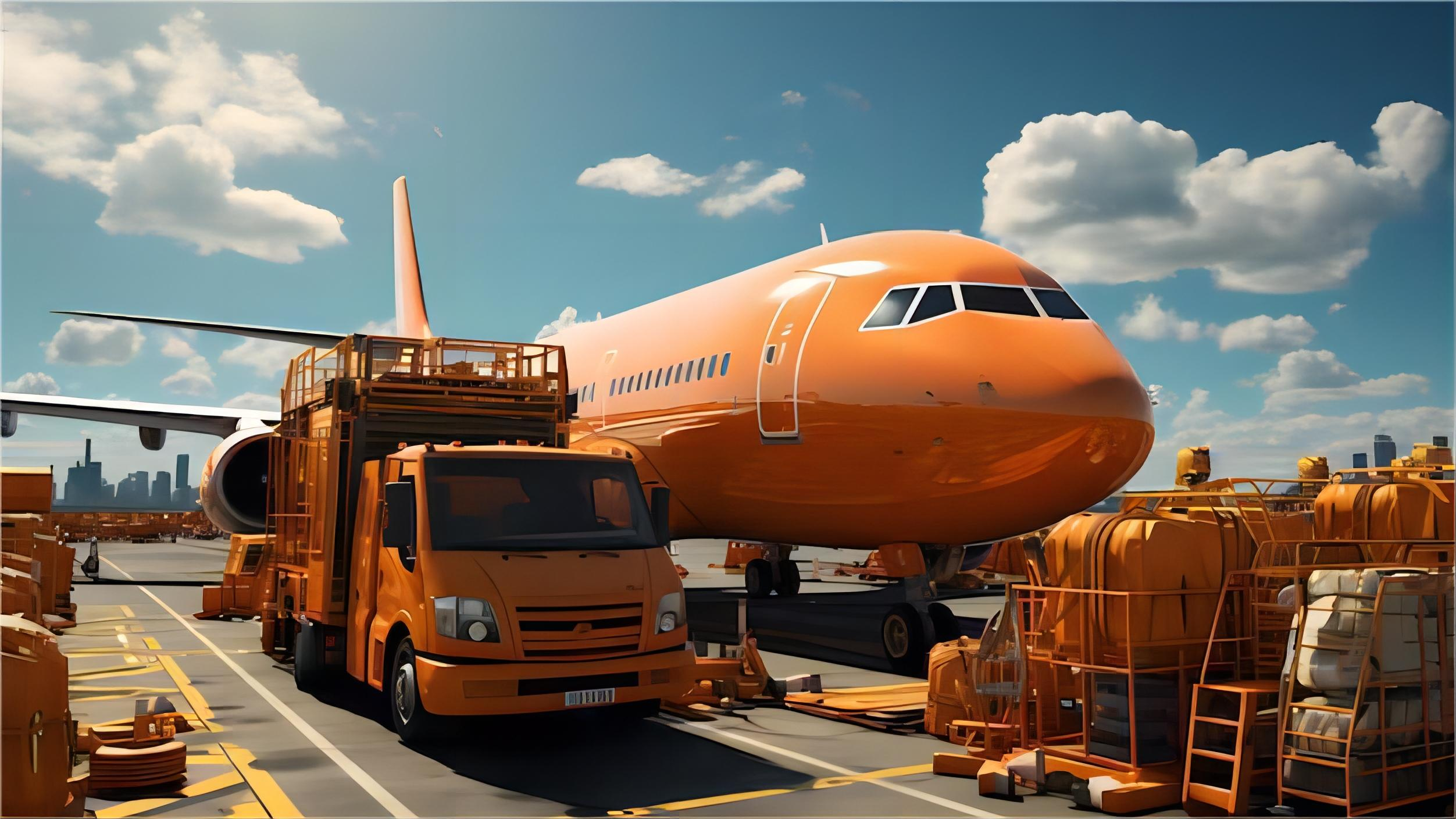
As of Q1 2026, freight rates from China to the UAE have shown a trend of stabilization following the disruptions of previous years. However, seasonal peaks during the lead-up to Ramadan and the year-end holidays still cause temporary price spikes. Therefore, we recommend booking your space at least four weeks in advance during these busy periods.
Industry benchmarks suggest that sea freight for a 40HQ container currently ranges between 2,800 and 3,800 USD depending on the departure port. Meanwhile, air freight rates are averaging 5.50 USD per kilogram for shipments over 100kg. These rates are subject to change based on fuel surcharges and carrier capacity fluctuations.
Note: Freight rates are subject to change based on fuel costs, carrier capacity, and seasonal demand. Contact us for a current quote tailored to your specific shipment.
Real-World Case Studies: China to UAE Logistics
Examining real-world examples helps illustrate the practical application of different shipping strategies. These cases reflect typical scenarios encountered by our clients in early 2026. Each shipment presented unique challenges that were resolved through careful planning and expert execution.
Case Study 1: Electronics from Shenzhen to Dubai
Route: Shenzhen, China to Dubai, UAE. Cargo: Consumer Electronics, 5 CBM, 1,200 kg. Shipping Method: Air Freight. Total Landed Cost: 7,200 USD. Sea Transit: N/A. Total Door-to-Door: 5 days. Key Insight: Choosing air freight allowed the client to meet a product launch deadline that would have been missed by sea.
Case Study 2: Furniture from Ningbo to Jebel Ali
Route: Ningbo, China to Jebel Ali, UAE. Cargo: Home Furniture, 68 CBM. Container: 40HQ. Shipping Method: Sea Freight (FCL). Total Landed Cost: 4,100 USD. Sea Transit: 22 days. Total Door-to-Door: 32 days. Key Insight: FCL was significantly cheaper than LCL for this volume, and early booking secured a lower rate during the pre-holiday rush.
Final Thoughts on Shipping from China to UAE
Successfully importing goods requires a strategic approach and a trusted freight forwarder China to UAE. By understanding the differences between air and sea freight, you can make informed decisions that balance cost and speed. Additionally, staying informed about 2026 market trends and customs regulations will help you avoid unnecessary delays and expenses.
To summarize, the key to logistics success lies in preparation, clear communication, and choosing the right partner. Whether you are shipping small parcels or full containers, the right strategy ensures your business remains competitive in the vibrant UAE market.

Need a tailored shipping solution?
Managing your international logistics does not have to be a stressful experience for your business. Contact Top China Logistics today to receive a personalized quote and discover how our expert team can optimize your freight forwarder China to UAE operations. Visit our website to start your inquiry and secure your 2026 shipping schedule.