


Customs Clearance China to France: 2026 Complete Guide
Navigating the complexities of customs clearance China to France is a vital step for any business looking to maintain a competitive edge in 2026. However, the regulatory landscape frequently changes, making it difficult for importers to stay compliant without expert guidance. By partnering with a reliable logistics provider like Top China Logistics, you can simplify the entire process and avoid costly delays at the border. This comprehensive guide will walk you through everything you need to know about taxes, documentation, and shipping strategies to optimize your supply chain.

What is the Process of Customs Clearance China to France?
The journey of your goods begins long before they reach the French border. Initially, your supplier in China must prepare the export declaration to ensure the cargo can legally leave the country. Once the goods arrive at a French port or airport, the local customs authority, known as Douane, takes over the inspection process. Consequently, any discrepancy in your paperwork can lead to immediate holds and additional storage fees.
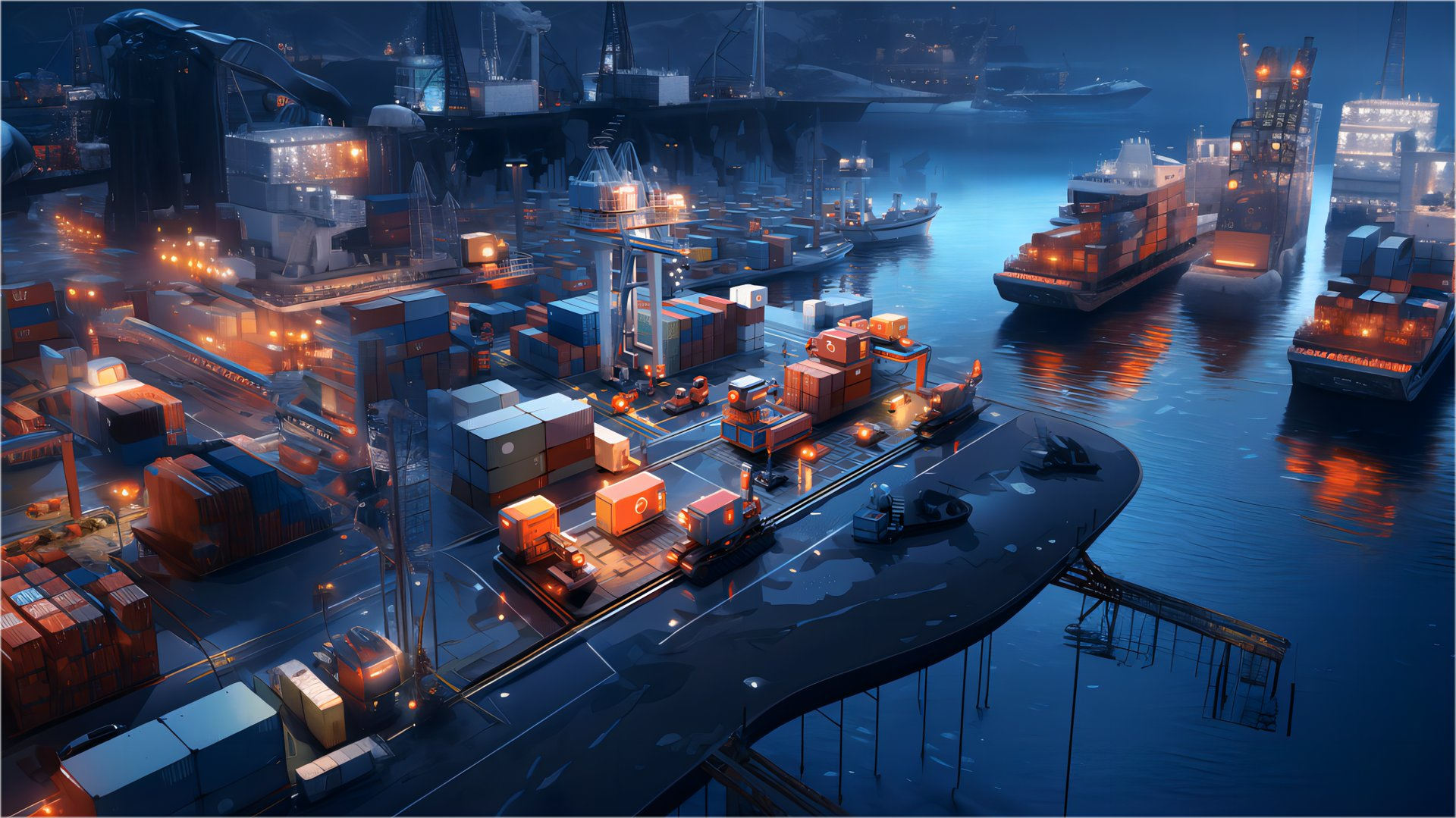
Furthermore, the customs clearance China to France procedure involves verifying the Harmonized System (HS) codes assigned to your products. These codes determine the specific duty rates and regulatory requirements applicable to your shipment. In addition, the French authorities will check for compliance with European Union safety and environmental standards. Therefore, ensuring your products meet CE marking requirements is essential for a smooth entry into the market.
Meanwhile, the integration of digital systems has streamlined many aspects of the declaration process. Most professional customs brokerage services now use electronic data interchange to submit filings before the vessel even docks. This proactive approach significantly reduces the time your cargo spends in the terminal. Nevertheless, physical inspections can still occur if the authorities detect any risk factors or inconsistencies in the data provided.
Accordingly, understanding the timeline is crucial for managing customer expectations. While standard clearance might take only 24 to 48 hours, complex shipments or missing documents can extend this to several weeks. Indeed, the efficiency of your logistics partner plays a massive role in how quickly your goods move through the system.
Essential Documentation for French Customs Entry
Documentation serves as the backbone of the entire import process. Without accurate records, your shipment will likely face significant hurdles at the Port of Le Havre or Marseille. For example, the commercial invoice must clearly state the value, description, and country of origin for every item. Moreover, the packing list should provide a detailed breakdown of how the goods are loaded and categorized.
Additionally, you must provide a Bill of Lading for sea shipments or an Air Waybill for air transport. These documents act as a contract of carriage and a title to the goods. In contrast, failing to produce an original Bill of Lading can prevent you from claiming your cargo upon arrival. Consequently, maintaining a digital and physical archive of these records is a best practice for all serious importers.
To summarize the requirements, we have compiled a checklist of the most critical documents needed for 2026 imports.
| Document Name | Purpose | Required By | Key Details |
|---|---|---|---|
| Commercial Invoice | Valuation and Taxation | French Customs | Must show currency and terms |
| Packing List | Physical Verification | Port Authorities | Weight, dimensions, and units |
| EORI Number | Importer Identification | EU Customs | Unique ID for all EU trade |
| Certificate of Origin | Trade Agreement Proof | Customs / Banks | Verifies where goods were made |
Calculating Import Duties and VAT in 2026
Importing goods into France requires a clear understanding of the financial obligations involved. Generally, you will be responsible for paying both customs duties and Value Added Tax (VAT). The standard VAT rate in France remains at 20 percent for most industrial and consumer goods. However, certain items like food or medical supplies may qualify for reduced rates. Therefore, accurately calculating these costs is vital for your pricing strategy.
Customs duties are calculated based on the CIF (Cost, Insurance, and Freight) value of your shipment. This means the percentage is applied to the total cost of the goods plus the shipping and insurance fees. For instance, if you are using sea freight to transport a large volume of furniture, the duty rate might range from 0 to 12 percent depending on the specific HS code. Consequently, small errors in classification can lead to overpaying or facing penalties for underpayment.
Moreover, the French government has implemented stricter controls on e-commerce imports in recent years. As a result, even small shipments often require full VAT declarations. In addition, the use of the Postponed VAT Accounting system can help businesses manage their cash flow more effectively. Nevertheless, you must ensure your business is properly registered for this scheme before attempting to use it during the clearance process.
How Does Sea Freight Compare to Other Shipping Options?
Choosing the right transport mode is a balance between cost, speed, and reliability. While sea freight is often the most economical choice for bulky items, it is certainly not the fastest. On the other hand, air freight offers unparalleled speed for high-value or time-sensitive electronics. Understanding these trade-offs allows you to select the best method for your specific business needs.
Furthermore, rail freight has emerged as a popular middle-ground solution for transcontinental trade. It offers faster transit times than the ocean while being significantly cheaper than the air. Indeed, many companies now use a mix of these methods to balance their inventory levels and shipping budgets. To help you decide, consider the following comparison of the main shipping methods available in 2026.
| Shipping Method | Cost Range | Transit Time | Best For |
|---|---|---|---|
| Sea Freight (FCL) | $3,000 – $4,200 | 30 – 45 Days | Large bulk shipments |
| Air Freight | $4.50 – $8.50/kg | 3 – 7 Days | Urgent high-value goods |
| Rail Freight | $120 – $180/CBM | 18 – 24 Days | Consistent mid-range loads |
| Express Service | $9.00 – $15.00/kg | 2 – 4 Days | Samples and documents |
Decision Framework: Which Option Should You Choose?
Selecting a shipping strategy requires a deep dive into your operational priorities. If your primary goal is cost reduction, sea freight is almost always the superior choice. However, if you are facing a stock-out or launching a new product, the speed of air freight justifies the higher expense. Additionally, consider the volume of your cargo; shipments under 15 CBM might be more cost-effective via Less than Container Load (LCL) sea freight.
Regarding cargo type, hazardous materials or oversized machinery require specialized handling and may be restricted on certain routes. For example, rail freight is excellent for industrial parts but may have limitations for certain lithium-battery products. Consequently, you should always consult with a logistics expert to verify the current regulations for your specific commodity. Meanwhile, hybrid solutions like sea-air combinations can offer a 30 percent cost saving compared to pure air freight while still arriving faster than the ocean.
Without a doubt, the most successful importers are those who remain flexible. By diversifying your shipping methods, you can mitigate the risks of port congestion or seasonal price spikes. For instance, during the Q4 peak season, air rates often double, making rail or sea-air much more attractive. Therefore, having a pre-planned alternative strategy is essential for maintaining supply chain resilience.

Real Case Studies: Customs Clearance China to France
Examining real-world scenarios provides valuable context for your own shipping decisions. These examples reflect the typical costs and timelines seen in the early 2026 market. Please note that freight rates are subject to change based on fuel costs, carrier capacity, and seasonal demand. Contact us for a current quote tailored to your specific shipment.
Case Study 1: Electronics from Shenzhen to Paris. A tech startup needed 1,200 kg of components urgently. They chose air freight for its speed. Route: Shenzhen to Paris CDG. Cargo: 4.5 CBM. Total Door-to-Door time: 6 days. Total Landed Cost: $9,200. Key Insight: Using a pre-cleared customs status allowed the goods to bypass the standard 48-hour hold.
Case Study 2: Furniture from Ningbo to Marseille. A retail chain imported a full 40HQ container of home decor. They utilized door to door sea freight. Route: Ningbo to Marseille. Sea Transit: 34 days. Total Cost: $4,850 (excluding duties). Key Insight: Booking 4 weeks in advance secured a rate 15 percent lower than the spot market average.
Case Study 3: Industrial Parts via Rail
A manufacturing firm in Lyon required regular shipments of steel components from Chengdu. By choosing rail freight, they maintained a 22-day lead time. This allowed them to reduce their warehouse inventory levels by 20 percent compared to sea freight. The total cost per CBM was approximately $165, providing a significant saving over air transport. This case demonstrates the value of rail for consistent, mid-sized industrial shipments.
Common Challenges in Customs Clearance China to France
One of the most frequent issues importers face is incorrect HS code classification. This error often leads to the overpayment of duties or, worse, accusations of tax evasion by the authorities. To avoid this, you should always verify your codes with a professional broker before the shipment leaves China. Additionally, ensure that your supplier provides a clear and detailed description of the goods on all invoices.
Another significant challenge is the lack of a valid EORI number. Every business importing into the European Union must have this identification number registered. Without it, your goods will be held at the port indefinitely, accruing daily storage fees. Consequently, you should apply for your EORI number at least several weeks before your first shipment is scheduled to arrive. Furthermore, check that your VAT registration is active and recognized by the French tax portal.
Lastly, language barriers and time zone differences can complicate communication during a customs hold. Working with a logistics provider that has offices in both China and France can bridge this gap. For instance, having a local team in China to verify documents at the source prevents many issues before they ever reach Europe. Meanwhile, a French-speaking team can negotiate directly with the Douane officials to resolve any local disputes quickly.
Successfully Managing Your Import Strategy
To summarize, mastering customs clearance China to France requires a combination of careful planning, accurate documentation, and the right logistics partnerships. By understanding the roles of VAT, duties, and HS codes, you can avoid the most common pitfalls that delay shipments and inflate costs. Furthermore, selecting the appropriate shipping method based on your budget and timeline is essential for business growth.
As we move through 2026, staying informed about the latest regulatory changes will remain a top priority for successful importers. Whether you choose sea, air, or rail freight, the goal is always to create a reliable and transparent supply chain. Indeed, the right preparation today will lead to a more profitable and efficient operation tomorrow. For professional assistance with your next shipment, trust the experts who specialize in navigating the complex world of global trade.
Ready to streamline your logistics?
Streamline your international trade today by choosing a partner who understands the intricacies of customs clearance China to France. Visit Top China Logistics to request a personalized quote and ensure your next shipment arrives without delay. See how our expert team can optimize your supply chain for 2026 and beyond. Visit https://topchinalogistics.com/ for more details.
Request Quote