

LCL Shipping China to France: 2026 Guide to Costs and Transit
“Navigating the complexities of international trade requires a reliable partner to manage your logistics efficiently. When you work with Top China Logistics, you gain access to expert solutions that simplify the process of LCL shipping china to France. This method allows businesses to transport smaller quantities of goods without the expense of renting an entire container, making it a cornerstone of modern global trade strategies.”
What is LCL Shipping China to France?
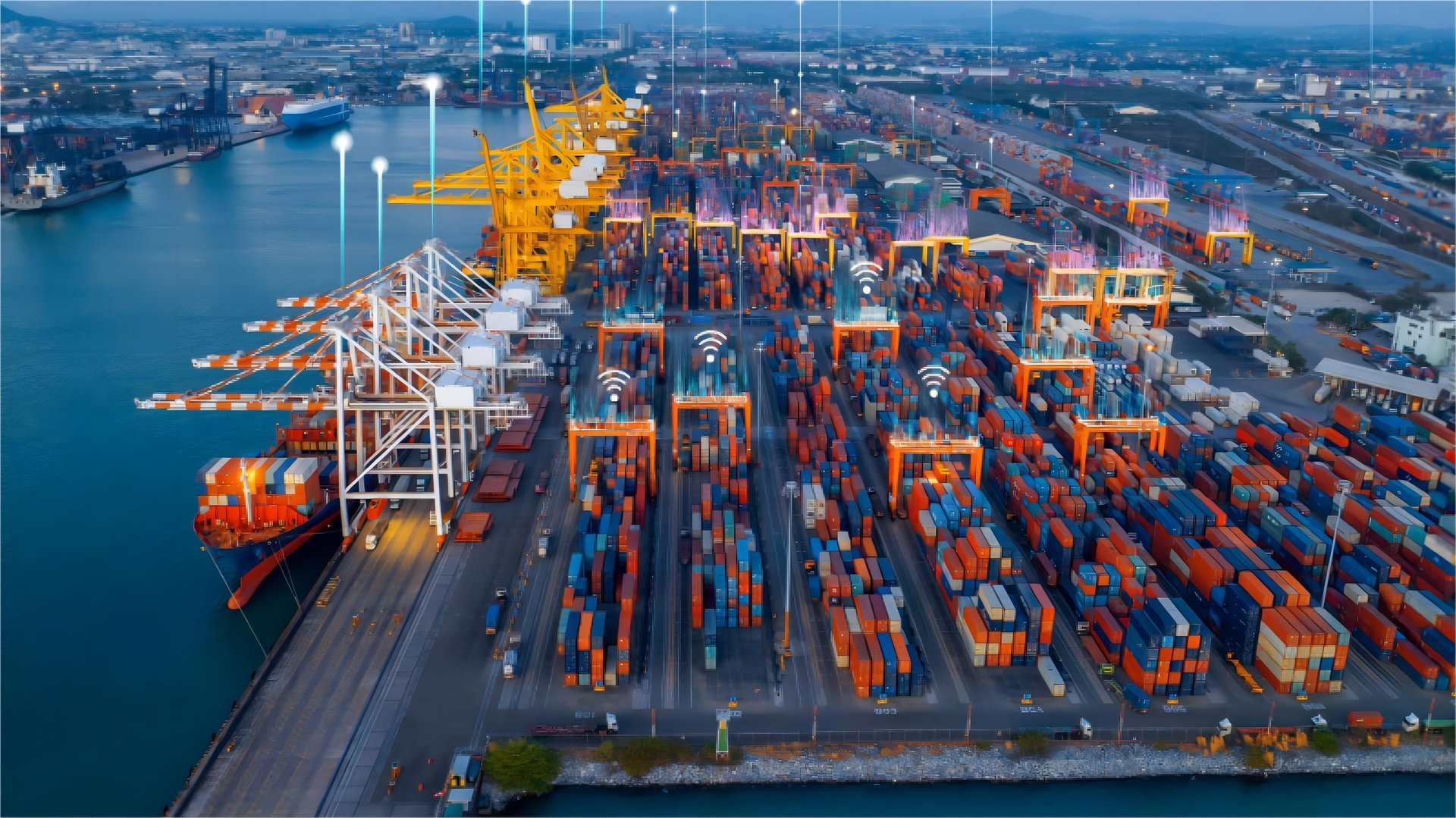
❖LCL, or Less than Container Load, involves grouping multiple shipments from different exporters into a single shared container. Consequently, this method offers a flexible and cost-effective approach for companies that do not have enough cargo to fill a 20-foot or 40-foot container.
Because you only pay for the volume your goods occupy, LCL shipping china to France remains an essential tool for small to medium enterprises looking to optimize their logistics budgets. Typically, your freight forwarder handles the consolidation process at a warehouse near the port of loading.
Furthermore, this strategy allows for more frequent shipments rather than waiting to accumulate enough stock for a full container. Indeed, it supports leaner inventory management and improves cash flow for growing businesses.
How Much Does LCL Shipping China to France Cost in 2026?
❖Determining the exact cost of importing involves several variables, including fuel surcharges and seasonal demand fluctuations. Generally, in early 2026, LCL rates are calculated per cubic meter (CBM) or per 1,000 kilograms, whichever is greater.
Moreover, shippers must account for destination charges at French ports, which can sometimes exceed the ocean freight itself. Using a professional sea freight service ensures that these costs are transparent and manageable from the start of the journey.
Note: Freight rates are subject to change based on fuel costs, carrier capacity, and seasonal demand. Contact us for a current quote tailored to your specific shipment.
| Origin Port | Destination Port | Rate per CBM (USD) | Min Charge |
|---|---|---|---|
| Shanghai | Le Havre | $65 – $95 | 1 CBM |
| Shenzhen | Marseille | $70 – $105 | 1 CBM |
| Ningbo | Fos-sur-Mer | $68 – $98 | 1 CBM |
| Guangzhou | Le Havre | $72 – $110 | 1 CBM |
How Does LCL Shipping Compare to Other Shipping Options?
❖Selecting the right transport mode depends heavily on your budget and timeline requirements for the China to France route. While LCL is affordable, air freight provides significantly faster delivery for urgent or high-value cargo.
On the other hand, rail freight offers a middle ground, balancing speed and cost for inland destinations in Europe. Each method has specific advantages that cater to different business needs within the evolving 2026 logistics market.
To summarize, LCL is the champion of cost-efficiency for volumes under 15 CBM. However, if your shipment exceeds 15 CBM, you might find that a full 20GP container offers a better price per unit.
| Shipping Method | Cost Range | Transit Time | Best For |
|---|---|---|---|
| LCL Sea Freight | $70 – $120/CBM | 30-45 Days | Small Shipments |
| FCL Sea Freight | $2800 – $4200 | 28-35 Days | Large Volumes |
| Rail Freight | $150 – $250/CBM | 18-24 Days | Urgent Bulk |
| Air Freight | $4.50 – $7.50/kg | 5-8 Days | High Value |

Which Option Should You Choose?
❖Budget priority: If your main goal is to minimize expenses and you have flexible deadlines, LCL shipping is the recommended choice. This allows you to scale your imports without heavy capital investment in shipping space.
Speed priority: When you need goods in France within two weeks, rail freight is the superior alternative. For absolute emergencies where stock must arrive in days, air freight is the only viable option.
Cargo type considerations: Fragile or perishable items often benefit from air freight due to reduced handling. In contrast, durable consumer goods and electronics are perfectly suited for consolidated sea freight containers.
Volume thresholds: Once your cargo reaches 13 to 15 CBM, we suggest calculating the cost of a 20-foot container. Often, the flat rate of FCL becomes cheaper than the per-CBM rate of LCL at this specific volume.
Transit Times and Port Logistics for France
❖Timing is critical when managing a supply chain, and LCL shipping china to France typically takes between 30 to 45 days. This duration includes the time needed for consolidation at the origin port and deconsolidation at the destination warehouse.
Ports like Le Havre and Marseille serve as the primary gateways for French imports from Asia. Consequently, choosing the port closest to your final destination in France can significantly reduce inland trucking costs.
To ensure a smooth transition through these busy hubs, many importers utilize customs brokerage services. These experts handle the complex regulatory environment and ensure your cargo meets all European Union standards.
Real Case Studies for China to France LCL
❖Case Study 1: Electronics from Shenzhen to Le Havre. Route: Shenzhen, China to Le Havre, France. Cargo: 5 CBM electronics, 1500 kg. Carrier: Major carrier. Port of Loading: Shenzhen. Port of Discharge: Le Havre. Route Type: Direct. Ocean Freight: $425. Origin Charges: $180. Destination Charges: $250. Customs and Duties: $450. Total Landed Cost: $1,305. Timeline: 40 days. Key Insight: Consolidating high-value electronics into LCL allowed the client to maintain weekly stock updates without paying for half-empty containers.
Case Study 2: Textiles from Shanghai to Marseille. Route: Shanghai, China to Marseille, France. Cargo: 3 CBM textiles, 600 kg. Carrier: Major carrier. Port of Loading: Shanghai. Port of Discharge: Marseille. Route Type: Transshipment via Singapore. Ocean Freight: $240. Origin Charges: $150. Destination Charges: $210. Customs and Duties: $320. Total Landed Cost: $920. Timeline: 44 days. Key Insight: Using transshipment saved the client 15% on freight costs compared to direct routes, though it added 5 days to the transit time.

Essential Customs and Documentation Requirements
❖Importing into France requires meticulous attention to documentation to avoid costly delays at the border. Specifically, the French customs authorities require a Commercial Invoice, a Detailed Packing List, and a Bill of Lading for every sea shipment.
Additionally, certain products may require a Certificate of Origin or CE marking to prove compliance with European safety standards. Without these documents, your cargo could be held at the port, incurring daily storage fees known as demurrage.
To streamline this process, we recommend setting up door to door service. This comprehensive solution covers everything from the factory floor in China to the final warehouse in France, including all customs formalities.
| Document | Purpose | Required By | Priority |
|---|---|---|---|
| Commercial Invoice | Value Declaration | Customs | High |
| Packing List | Cargo Contents | Port Authority | High |
| Bill of Lading | Title of Goods | Carrier | High |
| EORI Number | Importer ID | EU Customs | High |
Why Choose LCL Shipping China to France for Small Cargo?
❖Small businesses often struggle with the high minimum costs of international logistics. However, LCL shipping provides a democratic solution that levels the playing field for importers of all sizes.
By sharing container space, you effectively share the cost of the voyage with other shippers. This collaborative approach reduces the financial risk associated with importing new product lines from Chinese manufacturers.
Furthermore, modern tracking technology in 2026 allows you to monitor your LCL pallet just as easily as a full container. Indeed, transparency in the supply chain has never been higher, providing peace of mind for business owners.
Final Thoughts on Shipping to France
In conclusion, LCL shipping china to France remains a vital strategy for businesses seeking a balance between cost and efficiency. By understanding the pricing structures, transit times, and documentation requirements, you can navigate the 2026 market with confidence.
Whether you are shipping electronics, textiles, or industrial parts, choosing the right logistics partner is the key to success. Start your journey today and experience the benefits of professional consolidated shipping services.

Ready to streamline your logistics?
Ready to streamline your imports? Contact Top China Logistics today for a competitive quote on LCL shipping china to France. Our team of experts is standing by to help you optimize your supply chain and reduce your international freight costs. Visit our website to request your free consultation.
Request Quote