
Shipping From China To France DDP Shipping: 2026 Logistics Guide
Shipping from china to France ddp shipping represents the most efficient way for businesses to manage their international trade routes in 2026. By choosing Top China Logistics, you ensure that your cargo moves seamlessly from the factory floor to your final destination in Europe. Consequently, navigating the complexities of European customs becomes a hands-off experience for the importer. This comprehensive guide explores every facet of the Delivered Duty Paid model to help you minimize costs and maximize efficiency.
What is Shipping From China To France DDP Shipping?
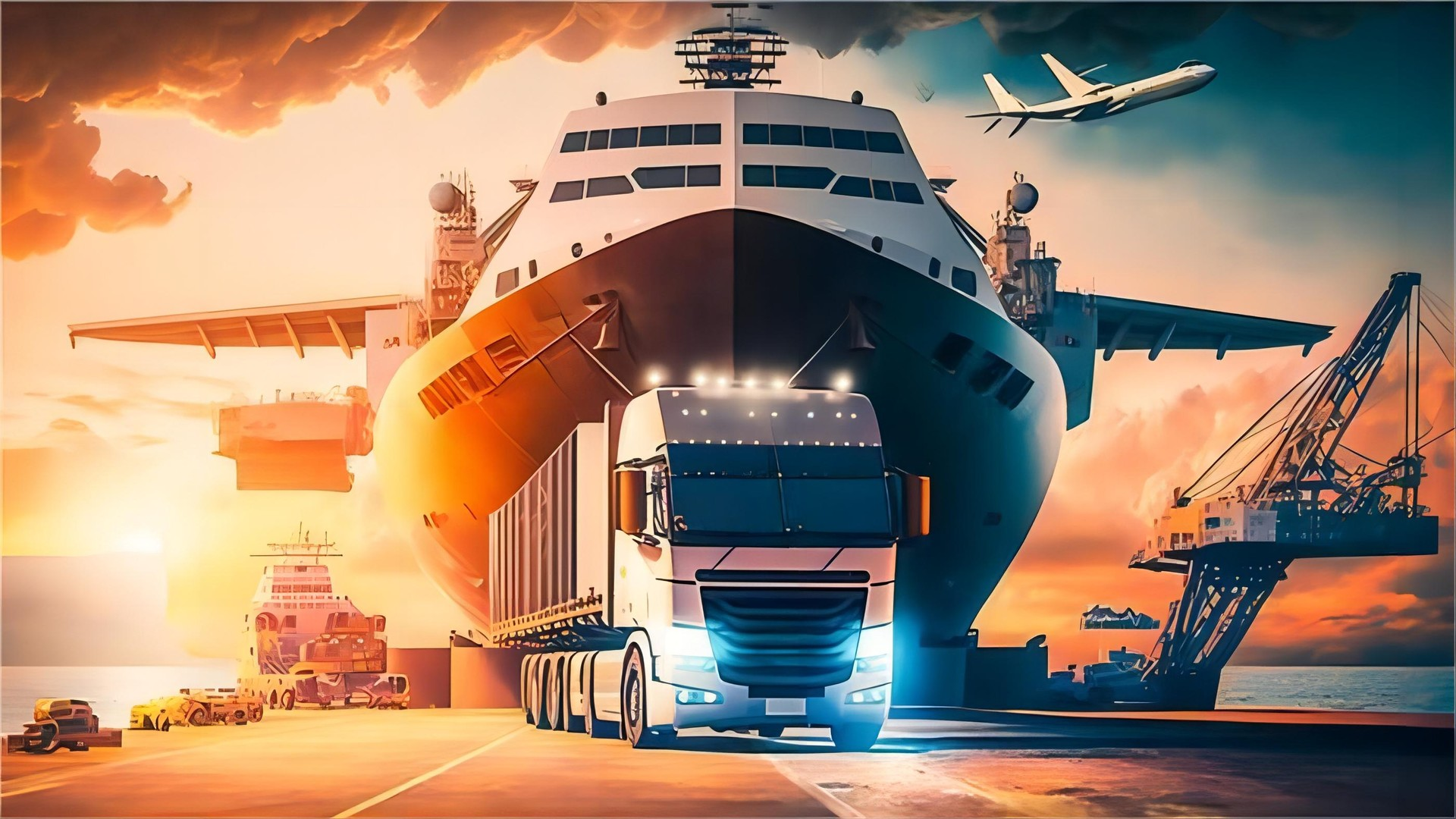
Delivered Duty Paid (DDP) is a shipping agreement where the seller assumes all responsibilities, risks, and costs associated with transporting goods. Specifically, this includes paying for shipping costs, export and import duties, taxes, and other fees incurred during delivery to the agreed-upon location in France. Moreover, this arrangement is highly beneficial for buyers who prefer a hassle-free import process without worrying about hidden administrative tasks.
Importers often prefer this method because it provides total price transparency from the outset of the transaction. Furthermore, the seller manages the entire logistics chain, which reduces the burden on the French buyer to coordinate with multiple freight forwarders. Consequently, your business can focus on sales and marketing while the logistics experts handle the heavy lifting of international transit.
However, it is vital to understand that the seller must have a reliable partner to navigate French customs regulations effectively. Indeed, the complexities of the French tax system, including VAT (TVA), require precise documentation and local expertise. Therefore, choosing a provider with a strong presence in both China and the European Union is essential for success.
How Does DDP Compare to Other Shipping Options?
Comparing DDP to other Incoterms like FOB (Free On Board) or EXW (Ex Works) reveals significant differences in risk management. While FOB requires the buyer to take over responsibility once the goods are on the vessel, DDP keeps the responsibility with the seller until the goods reach your door. Additionally, this shift in responsibility means the buyer does not need to deal with local French port authorities or customs brokers.
Specifically, for shipments under 15 CBM, LCL at 50-80 dollars per CBM may be more economical than a full container. Meanwhile, direct routes cost 10-15 percent more but save 5-7 days compared to transshipment via Singapore or Port Klang. Notably, the table below illustrates the primary differences between the most common shipping methods used for the China-France route in 2026.
| Shipping Method | Cost Range | Transit Time | Best For | Limitations |
|---|---|---|---|---|
| DDP Air Freight | 5.50 – 9.00 USD/kg | 5 – 9 Days | High-value goods | Weight limits |
| DDP Sea Freight | 2500 – 4500 USD/FEU | 30 – 45 Days | Bulk shipments | Slow transit |
| DDP Rail Freight | 1800 – 3200 USD/FEU | 18 – 25 Days | Mid-range budget | Route availability |
| DDP Express | 8.00 – 12.00 USD/kg | 3 – 5 Days | Samples and docs | Very expensive |
Benefits of Choosing DDP Shipping for France Imports
One of the primary advantages of DDP is the elimination of unexpected costs at the destination port. Since the seller covers all duties and taxes, the price you are quoted is the final price you pay. Furthermore, this predictability allows for more accurate financial planning and profit margin calculations for your retail or wholesale business in France.
Additionally, DDP shipping simplifies the supply chain by providing a single point of contact for the entire journey. Instead of managing relationships with Chinese exporters, international carriers, and French customs agents, you only deal with your freight forwarder. Consequently, this streamlined communication reduces the risk of errors and delays caused by miscommunication between different parties.
Moreover, the DDP model is particularly advantageous for e-commerce sellers using platforms like Amazon FBA France. Sellers can send inventory directly to French warehouses without needing a physical presence or a complex legal entity in the country. Therefore, it lowers the barrier to entry for international brands looking to expand into the French market.
Sea Freight Options for Shipping From China To France DDP Shipping
For large-scale shipments, sea freight remains the most cost-effective solution for moving goods from China to France. Most cargo departs from major Chinese ports such as Shanghai, Ningbo, or Shenzhen and arrives at French hubs like Le Havre or Marseille. Indeed, sea freight is the backbone of global trade, offering the capacity needed for heavy machinery, furniture, and high-volume consumer goods.
Typically, you can choose between Full Container Load (FCL) and Less than Container Load (LCL) depending on your volume. FCL is faster and more secure for large orders, whereas LCL allows you to share container space and reduce costs for smaller shipments. Nevertheless, sea freight transit times are the longest, often requiring 30 to 45 days depending on the specific route and port congestion levels.
According to industry benchmarks for early 2026, ocean freight rates have stabilized following the disruptions of previous years. However, businesses should still account for seasonal peaks, such as the period leading up to the Golden Week or the Lunar New Year. Consequently, booking at least 3-4 weeks in advance is recommended to secure space and competitive rates.
Air Freight Solutions for Time-Sensitive Cargo
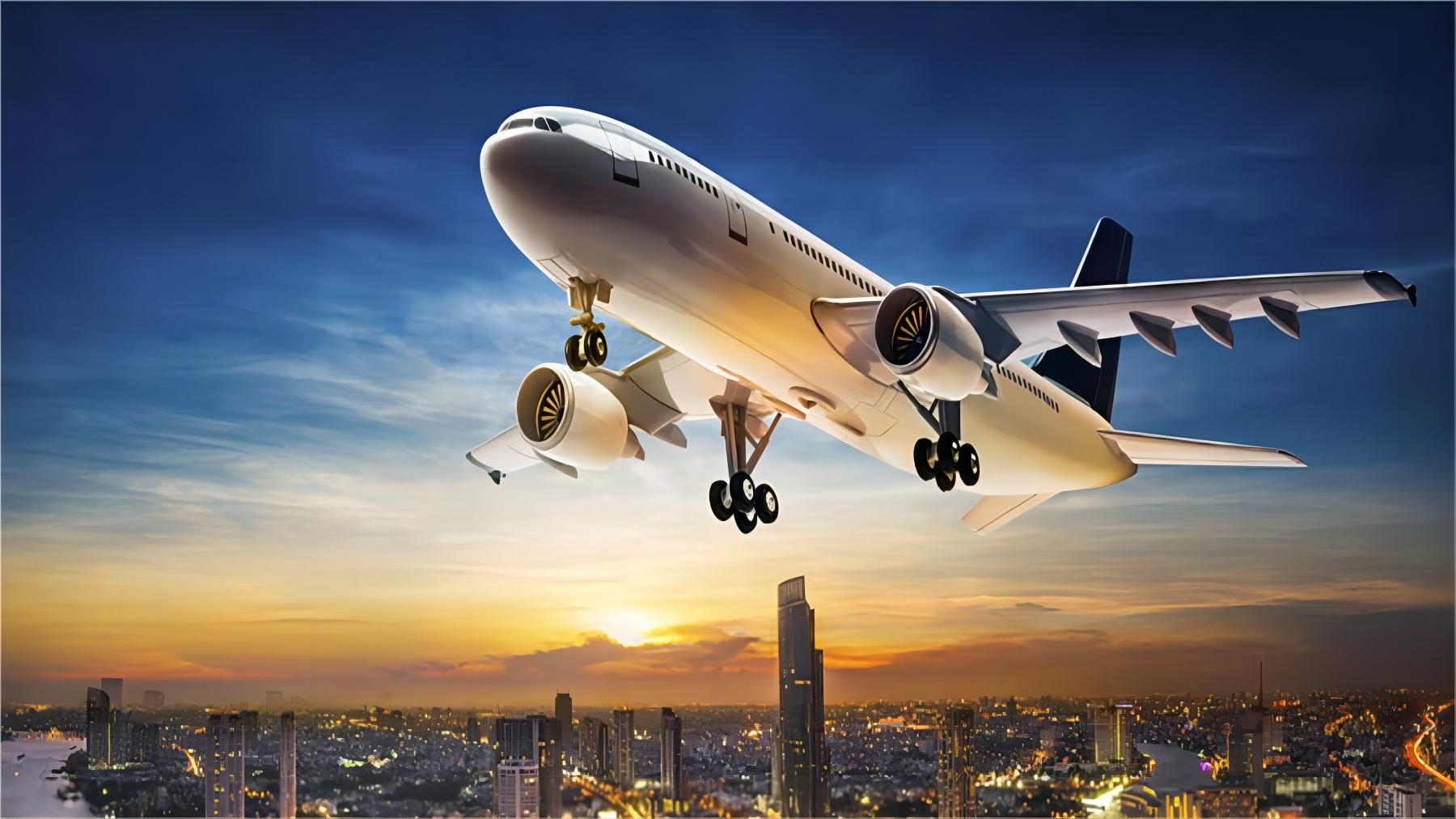
When speed is the priority, air freight provides the fastest transit times for shipping from china to France ddp shipping. This method is ideal for high-value electronics, fashion items, or urgent replacement parts that cannot wait for a month at sea. Furthermore, air shipping offers higher security and a lower risk of damage compared to other transport modes.
Moreover, the DDP air freight model includes the pickup from the Chinese factory, air transport, customs clearance at Charles de Gaulle airport, and final delivery. Although the cost per kilogram is significantly higher than sea freight, the reduction in inventory holding costs can often justify the expense. Specifically, transit times usually range from 5 to 8 business days for standard DDP air services.
Meanwhile, market data suggests that air cargo capacity has increased in 2026, leading to more predictable scheduling. Nevertheless, fuel surcharges remain a variable factor that can influence final pricing. Therefore, it is essential to request a comprehensive quote that includes all potential surcharges to avoid budget overruns.
Rail Freight: The Middle Ground Between Speed and Cost
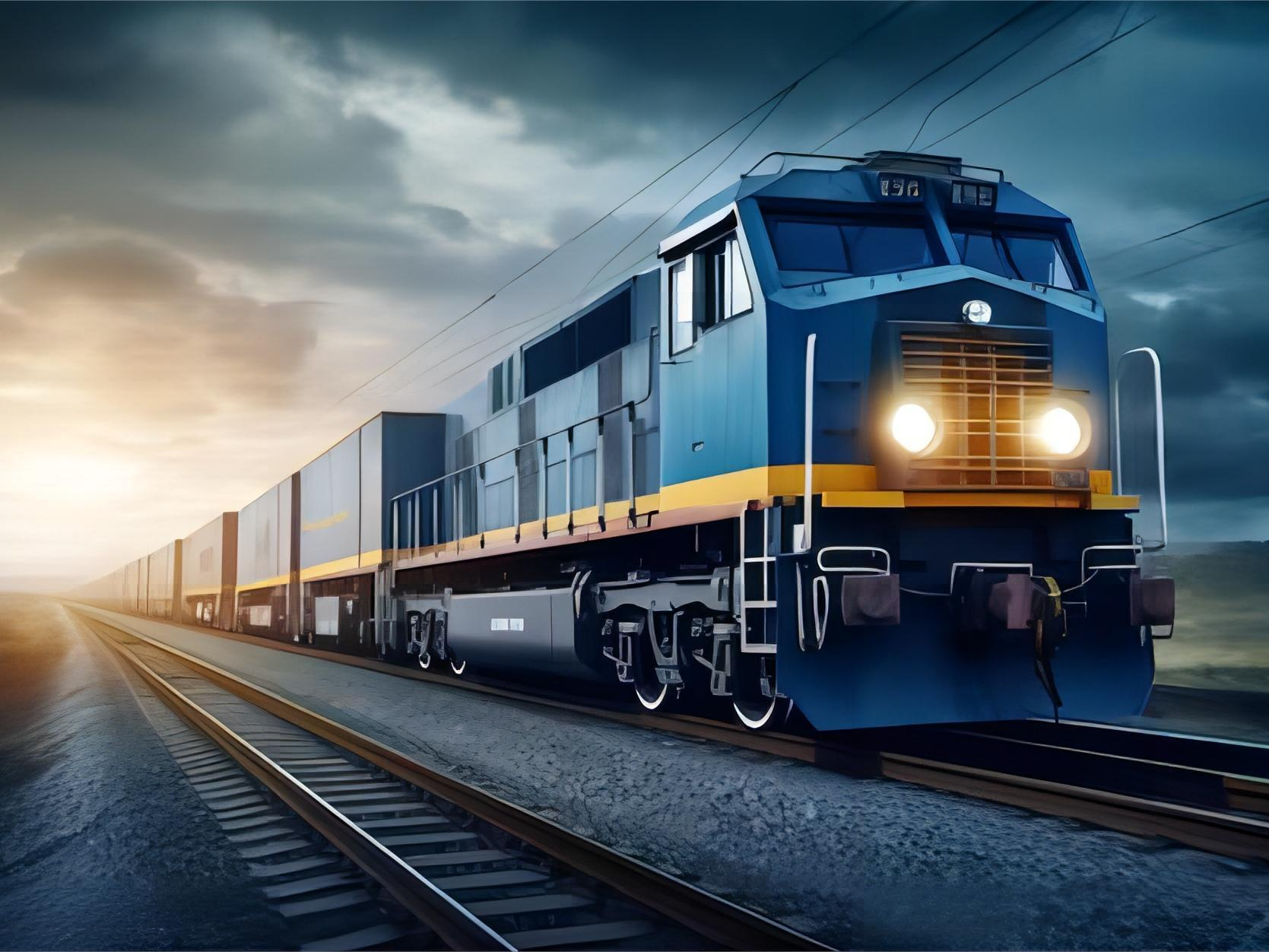
For businesses seeking a balance between the speed of air and the economy of sea, rail freight is an excellent alternative. The China-Europe Railway Express connects major Chinese manufacturing hubs with European rail terminals, often reaching France via Germany or Poland. Consequently, rail transit times are roughly half those of sea freight, typically taking 18 to 22 days.
Additionally, rail freight is considered more environmentally friendly than air transport, making it a popular choice for companies with sustainability goals. It also offers more stability in pricing compared to the volatile ocean freight market. Indeed, rail is particularly well-suited for automotive parts, industrial equipment, and consumer electronics that require a faster turnaround than sea shipping allows.
However, rail routes can sometimes be affected by geopolitical factors or congestion at border crossings like the Alashankou terminal. Despite these challenges, the infrastructure improvements seen in late 2025 and early 2026 have made rail a more reliable component of the modern supply chain. Accordingly, many French importers are incorporating rail into their logistics strategy to diversify their transport options.
Door to Door Service Integration in France
The ultimate goal of door to door shipping is to provide a seamless experience from the supplier to the end-user. Under a DDP agreement, the logistics provider manages the final mile delivery within France using local trucking networks. Whether your warehouse is in Paris, Lyon, or Bordeaux, the goods are delivered directly to your loading dock without further intervention.
Notably, this service includes the unloading of containers and the handling of any necessary local permits for delivery in restricted urban areas. Furthermore, the integration of real-time tracking allows importers to monitor their shipment’s progress across every milestone. Consequently, you have full visibility into your inventory’s location, which improves your ability to manage stock levels and customer expectations.
Without a doubt, the convenience of door-to-door delivery saves French businesses significant time and administrative effort. By removing the need to coordinate with local couriers or haulage companies, you reduce the risk of delays at the final stage of the journey. Therefore, this comprehensive service is the gold standard for modern international trade between China and France.
Navigating Customs and Import Duties in France
Importing goods into France requires compliance with both French national laws and European Union regulations. When shipping from china to France ddp shipping, the seller or their agent handles the filing of the Entry Summary Declaration (ENS) and the payment of VAT. Specifically, the standard VAT rate in France is 20 percent, which must be calculated based on the total landed cost of the goods.
Moreover, the use of correct HS codes is critical to ensure that the proper duty rates are applied to your cargo. Incorrect classification can lead to significant fines, delays, and even the seizure of goods by French customs (La Douane). Furthermore, shipping from china to europe necessitates an EORI number for the entity acting as the importer of record.
Indeed, the DDP model simplifies this by having the freight forwarder manage these technical details on your behalf. They ensure that all paperwork, including the Commercial Invoice and Packing List, meets the stringent requirements of French authorities. Consequently, your shipments are much less likely to be held for inspection, ensuring a smoother flow through the logistics pipeline.
| Document Name | Purpose | Responsibility | Required For |
|---|---|---|---|
| Commercial Invoice | Value declaration | Seller | All shipments |
| Packing List | Content details | Seller | All shipments |
| Bill of Lading | Title of goods | Carrier | Sea/Rail |
| Certificate of Origin | Verify source | Seller | Duty preference |
Real Case Studies: China to France Logistics Success
Case Study 1: High-Volume Electronics from Shenzhen to Paris. Route: Shenzhen Port to Le Havre. Cargo: Consumer electronics, 15 CBM, 4500 kg. Container: LCL. Shipping Details: Major carrier, direct route. Cost Breakdown: Ocean Freight $2800, Origin Charges $450, Destination Charges $550, Customs and Duties $1800. Total Landed Cost: $5600. Timeline: 38 days door-to-door. Key Insight: Consolidating LCL shipments reduced costs by 25 percent compared to air freight.
Case Study 2: Urgent Fashion Inventory from Guangzhou to Lyon. Route: Guangzhou Airport to CDG Paris. Cargo: Apparel, 2 CBM, 400 kg. Shipping Method: Air Freight DDP. Cost Breakdown: Air Freight $3200, Customs and VAT $1400, Local Delivery $300. Total Landed Cost: $4900. Timeline: 7 days door-to-door. Key Insight: Using DDP air freight allowed the client to meet a seasonal launch deadline despite manufacturing delays.
Based on early 2026 market rates, these examples reflect the typical costs and timelines for standard commodities. However, specialized cargo or peak season demand can increase these figures by 15-20 percent. Note: Freight rates are subject to change based on fuel costs, carrier capacity, and seasonal demand. Contact us for a current quote tailored to your specific shipment.
Which Option Should You Choose? Decision Framework
Choosing the right shipping method depends on your specific business priorities and the nature of your cargo. If your primary goal is budget optimization and your lead times are flexible, sea freight is undoubtedly the best choice for large volumes. Conversely, if you are launching a new product or replenishing low stock, the speed of air freight justifies the higher investment.
For shipments that fall in the middle, rail freight offers a compelling compromise that balances cost and transit time. Specifically, if your cargo volume is between 5 and 15 CBM, you should evaluate whether LCL sea freight or rail freight provides the better value for your schedule. Additionally, consider the value-to-weight ratio of your goods; high-value, low-weight items are almost always better suited for air transport.
Furthermore, you must consider the reliability of your supplier and their ability to provide accurate documentation for DDP terms. Without a doubt, a failure in paperwork can negate the time savings of even the fastest shipping method. Therefore, we recommend a hybrid approach: use sea freight for your baseline inventory and air freight for urgent top-offs to maintain a resilient supply chain.
Summary of Shipping From China To France DDP Shipping
To summarize, shipping from china to France ddp shipping is the most reliable method for businesses seeking a predictable and stress-free import process. By leveraging the expertise of a professional freight forwarder, you can navigate the complexities of international transit and French customs with ease. Whether you choose the economy of sea freight, the speed of air freight, or the balance of rail, the DDP model ensures that all costs and responsibilities are managed efficiently.
As we move through 2026, staying informed about market trends and logistics options will help you make better decisions for your supply chain. Remember to plan ahead, choose the right Incoterms, and partner with a logistics provider that understands the unique requirements of the China-France trade route. With the right strategy, your business can thrive in the vibrant French market.
Need a tailored shipping solution?
Optimizing your shipping from china to France ddp shipping strategy is essential for maintaining a competitive edge in 2026. Our expert team at Top China Logistics is ready to provide you with a customized quote that meets your specific budget and timeline requirements. Contact us today to simplify your European imports and experience a seamless door-to-door service.