

Shipping from China to Germany DDP Shipping: 2026 Guide
Managing international trade requires a deep understanding of logistics, especially when optimizing shipping from china to Germany ddp shipping routes for your business. Many importers struggle with complex customs procedures and hidden fees that can significantly impact profit margins. This guide provides a comprehensive overview of how to streamline your supply chain and ensure predictable delivery schedules in 2026.

What is Shipping from China to Germany DDP Shipping?
Delivered Duty Paid, commonly known as DDP, is an incoterm where the seller assumes all responsibility for transporting goods to the destination. Consequently, the seller handles all costs including freight, insurance, and import duties. This arrangement is particularly beneficial for German importers who want to avoid the administrative burden of customs clearance.
Specifically, choosing sea freight under DDP terms allows businesses to calculate their total landed cost upfront. This transparency ensures that there are no unexpected surprises when the cargo arrives at the port of Hamburg or Wilhelmshaven. Therefore, many small to medium-sized enterprises prefer this method for its simplicity and financial predictability.
Furthermore, the seller manages all documentation required by the German customs authorities. This includes the EORI number verification and VAT declarations. As a result, the buyer simply waits for the goods to arrive at their specified warehouse location without interacting with local authorities.
However, it is vital to work with an experienced freight forwarder to ensure all regulations are met. Since the seller is responsible for everything, any errors in documentation can lead to delays that the seller must resolve. Nevertheless, the convenience of a door-to-door solution often outweighs these potential risks for regular shipments.
How Does Shipping from China to Germany DDP Shipping Compare to Other Shipping Options?
Comparing different logistics strategies is essential for maintaining a competitive edge in the European market. While DDP offers the most convenience, other incoterms like FOB or CIF might offer lower initial freight rates but higher administrative overhead. For instance, an importer using FOB must manage their own customs brokerage and local transport within Germany.
In contrast, DDP provides a seamless experience from the factory floor in China to the final destination in Berlin or Munich. Moreover, the integration of all costs into a single quote simplifies accounting and budgeting processes. To illustrate the differences, consider the following comparison of common shipping methods used for the China-Germany route.
Note: Freight rates are subject to change based on fuel costs, carrier capacity, and seasonal demand. Contact us for a current quote tailored to your specific shipment.
| Shipping Method | Cost Range | Transit Time | Best For |
|---|---|---|---|
| Sea Freight DDP | $1,800 – $3,500 | 30-45 Days | Bulk goods and large inventory |
| Air Freight DDP | $5.50 – $9.50/kg | 5-10 Days | High-value or urgent cargo |
| Rail Freight DDP | $1,200 – $2,800 | 18-25 Days | Balanced cost and speed |
| Express DDP | $8.00 – $15.00/kg | 3-5 Days | Samples and small parcels |
Which Option Should You Choose for Your Business?
Determining the right shipping method depends largely on your budget and required delivery speed. If your primary goal is cost reduction and you have flexible timelines, sea freight remains the most economical choice. On the other hand, businesses dealing with seasonal trends or high-demand electronics often prioritize the speed of air transport.
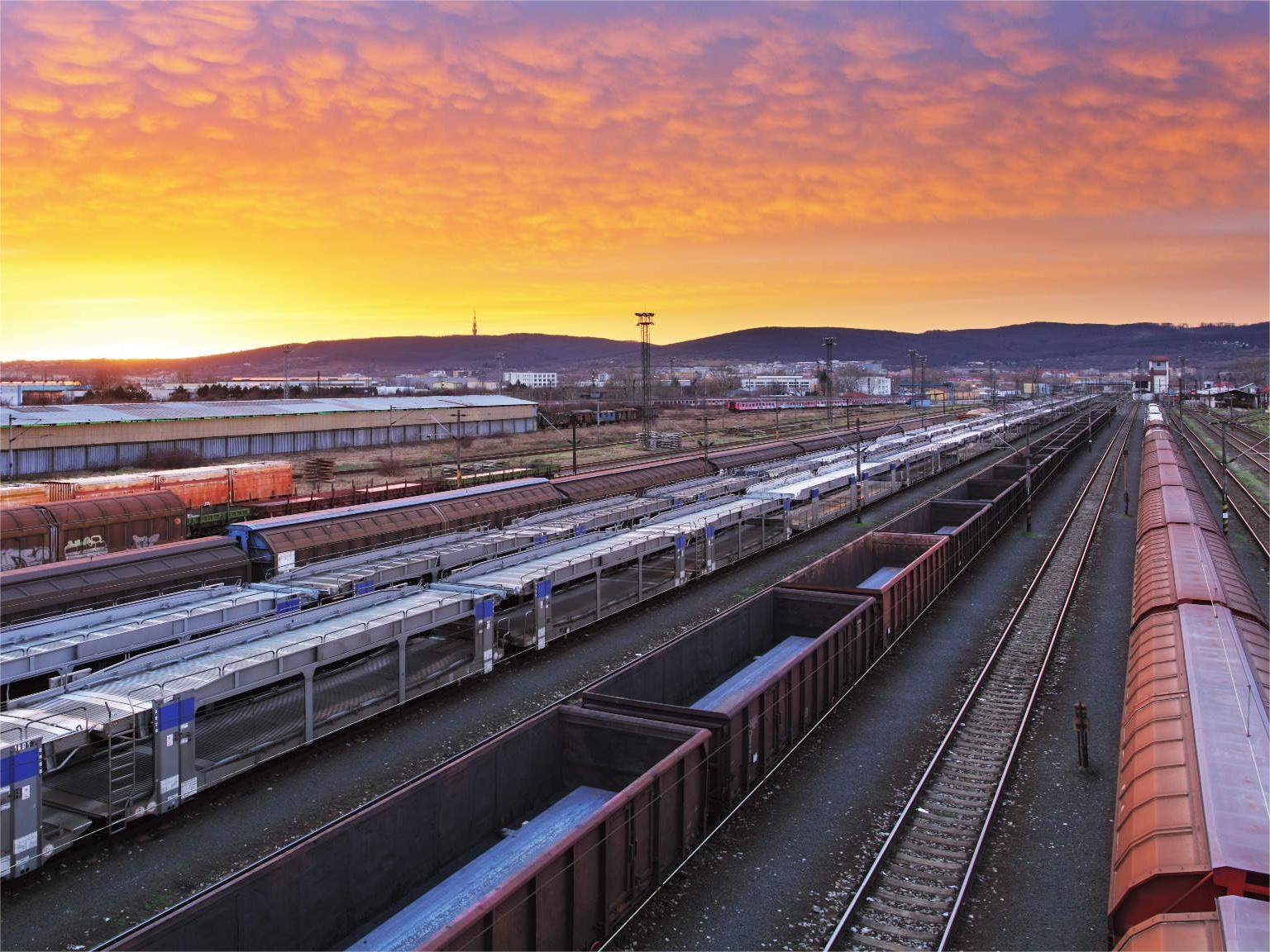
Rail freight has emerged as a popular middle ground for German businesses in 2026. It offers significantly faster transit times than sea freight while remaining much cheaper than air options. Additionally, rail is often viewed as a more environmentally friendly alternative for companies focused on sustainability.
Volume thresholds also play a critical role in your decision-making process. For shipments under 100kg, express services are usually the most efficient. Conversely, for shipments exceeding 15 CBM, booking a full container load via sea is typically the most cost-effective strategy for long-term growth.
Maximizing Speed with Air Freight Solutions
Utilizing air freight is the fastest way to move goods from Chinese manufacturing hubs to major German airports like Frankfurt or Munich. This method is indispensable for time-sensitive products such as fashion items or medical supplies. Indeed, the reduced transit time minimizes the capital tied up in inventory during transit.
Moreover, air transport provides enhanced security and a lower risk of damage compared to other modes. Because the handling is more controlled, insurance premiums for air cargo are often lower than those for sea freight. Consequently, the total cost difference might be smaller than it initially appears when all factors are considered.
Transit times for air DDP typically range from 5 to 10 days, including customs clearance and final delivery. To optimize this, ensure that your supplier in China has all commercial invoices and packing lists ready before the flight departure. This preparation prevents unnecessary delays at the German border.
The Growth of Rail Freight in 2026 Logistics
Implementing rail freight as part of your supply chain strategy offers a unique balance of efficiency and cost. The Iron Silk Road has seen significant infrastructure improvements, leading to more reliable schedules between Xi’an or Chengdu and Duisburg. Therefore, rail has become a staple for automotive parts and industrial machinery.
Specifically, rail transit times have stabilized at approximately 20 days in early 2026. This is nearly twice as fast as sea freight, allowing for quicker inventory turnover. Furthermore, rail transport is less affected by weather conditions compared to ocean shipping, which improves overall reliability for your delivery schedule.
Choosing rail DDP means that the freight forwarder handles the complex transit through multiple countries before entering the European Union. This includes managing the gauge changes at the borders and ensuring all transit documents are compliant. As a result, German importers receive their goods without having to manage the intricacies of trans-Eurasian logistics.
Integrating Amazon FBA for E-commerce Success
Expanding your e-commerce presence requires a robust fulfillment strategy, such as Amazon FBA services. By shipping directly from China to German FBA warehouses, you can leverage Amazon’s vast distribution network. This approach ensures that your products are eligible for Prime delivery, which significantly boosts sales potential.
Additionally, DDP shipping is the only viable option for FBA because Amazon will not act as the Importer of Record. They require all shipments to arrive with duties and taxes already paid. Consequently, using a specialized DDP service ensures that your inventory is never rejected at the warehouse gate.
Indeed, many successful sellers use a combination of sea and air freight to manage their FBA stock levels. They might send an initial batch via air to start selling quickly, followed by larger sea shipments to maintain healthy margins. This hybrid strategy allows for both speed and cost-efficiency in a competitive marketplace.
Understanding Transit Times for 2026 Logistics
Analyzing transit times is crucial for planning your marketing campaigns and production cycles. In 2026, sea freight from major Chinese ports like Ningbo or Shanghai to Hamburg typically takes between 32 and 40 days. However, port congestion or seasonal peaks can occasionally extend these timelines by a week.
Air freight remains the gold standard for speed, with direct flights often arriving within 24 hours, though DDP processing adds several days. Meanwhile, rail freight continues to offer a steady 18-24 day window for door-to-door delivery. To help you plan, we have outlined typical transit times for various Chinese origins to German destinations.
Market data suggests that choosing a direct route can save up to 5 days compared to transshipment options. While direct routes might cost 10% more, the time savings are often worth the investment for high-turnover goods.
| Origin City | Destination | Method | Avg. Days |
|---|---|---|---|
| Shenzhen | Hamburg | Sea Freight | 33 Days |
| Shanghai | Berlin | Rail Freight | 21 Days |
| Guangzhou | Frankfurt | Air Freight | 6 Days |
| Ningbo | Munich | Sea Freight | 38 Days |
Navigating Customs Brokerage and Documentation
Mastering customs brokerage is often the most challenging aspect of international shipping. German customs are known for their strict adherence to regulations regarding product safety and tax compliance. Therefore, having accurate documentation is not just a recommendation; it is a legal necessity for all importers.
Specifically, you must ensure that your commercial invoice includes the correct HS codes for each item. An incorrect code can lead to overpayment of duties or, worse, significant fines and cargo seizures. Furthermore, products must comply with EU standards, often requiring CE marking or other certifications to pass inspection.
When using DDP services, your logistics provider acts as the expert intermediary. They verify all paperwork before the cargo leaves China to ensure it meets German requirements. This proactive approach minimizes the risk of delays and ensures that your goods move through the border as quickly as possible.
| Document Name | Purpose | Responsibility | Criticality |
|---|---|---|---|
| Commercial Invoice | Value & Tax Basis | Exporter | High |
| Packing List | Cargo Details | Exporter | High |
| Bill of Lading | Title to Goods | Carrier | High |
| Certificate of Origin | Duty Rate Basis | Exporter | Medium |
Verifiable Case Studies for German Imports
Reviewing real-world examples helps illustrate the practical application of DDP strategies. These cases reflect typical scenarios encountered by businesses in 2026, highlighting the costs and timelines associated with different shipping methods. By analyzing these outcomes, you can better predict the performance of your own future shipments.
Case Study 1: Solar Panels from Wuxi to Berlin. Route: Shanghai to Hamburg. Cargo: 20 CBM Solar Panels. Container: LCL. Shipping Details: Carrier: COSCO. Port of Loading: Shanghai. Port of Discharge: Hamburg. Route Type: Direct. Cost Breakdown: Ocean Freight: $2,100. Origin Charges: $450. Destination Charges: $600. Customs & Duties: Included. Total Landed Cost: $3,150. Timeline: Booking to Loading: 4 days. Sea Transit: 34 days. Customs Clearance: 3 days. Total Door-to-Door: 41 days. Key Insight: Consolidating LCL cargo saved the client 40% compared to a dedicated 20GP container.
Case Study 2: Auto Parts from Guangzhou to Stuttgart. Route: Guangzhou to Frankfurt. Cargo: 800kg Engine Components. Shipping Method: Air Freight DDP. Shipping Details: Carrier: Lufthansa Cargo. Port of Loading: Guangzhou Baiyun. Port of Discharge: Frankfurt. Route Type: Direct. Cost Breakdown: Air Freight: $6,800. Origin Charges: $300. Destination Charges: $400. Customs & Duties: Included. Total Landed Cost: $7,500. Timeline: Booking to Loading: 2 days. Air Transit: 1 day. Customs Clearance: 2 days. Total Door-to-Door: 7 days. Key Insight: High-priority parts reached the assembly line just in time to avoid production halts.
Case Study 3: Consumer Electronics from Shenzhen to Duisburg. Route: Shenzhen to Duisburg. Cargo: 15 CBM Smart Home Devices. Shipping Method: Rail Freight DDP. Shipping Details: Service: China-Europe Railway Express. Port of Loading: Shenzhen. Port of Discharge: Duisburg. Route Type: Direct via Alataw Pass. Cost Breakdown: Rail Freight: $2,400. Origin Charges: $350. Destination Charges: $500. Customs & Duties: Included. Total Landed Cost: $3,250. Timeline: Booking to Loading: 5 days. Rail Transit: 19 days. Customs Clearance: 3 days. Total Door-to-Door: 27 days. Key Insight: Rail provided the perfect balance for high-value electronics that were not urgent enough for air freight.
Final Thoughts on German DDP Logistics
To summarize, mastering shipping from China to Germany DDP shipping is a strategic move for any business looking to simplify its import processes. By shifting the responsibility of customs and duties to the seller, you can focus on your core operations and customer satisfaction. Whether you choose the speed of air, the economy of sea, or the balance of rail, the DDP incoterm provides the peace of mind necessary in today’s complex trade environment.
As we move through 2026, staying informed about market trends and logistics innovations will remain vital for your success. Always remember to verify your documentation and choose a freight forwarding partner with a proven track record in the German market. With the right strategy, your supply chain can become a significant competitive advantage.
Ready to streamline your logistics?
Streamline your international logistics today by choosing a partner that understands the nuances of shipping from China to Germany DDP shipping. Our team at Top China Logistics provides transparent pricing and reliable door-to-door solutions tailored to your business needs. Contact us now to receive a personalized quote and secure your 2026 shipping schedule. Send Inquiry:
Request Quote