


Shipping Quote China to Canada: 2026 Freight Rates Guide
Navigating international logistics requires a precise shipping quote China to Canada to manage your supply chain effectively. At Top China Logistics, we simplify the complex process of moving goods across the Pacific. Consequently, understanding the variables that influence your landed cost is essential for maintaining profitability in the 2026 market. This guide provides comprehensive insights into current freight trends, cost-saving strategies, and the various transport modes available for your business needs.
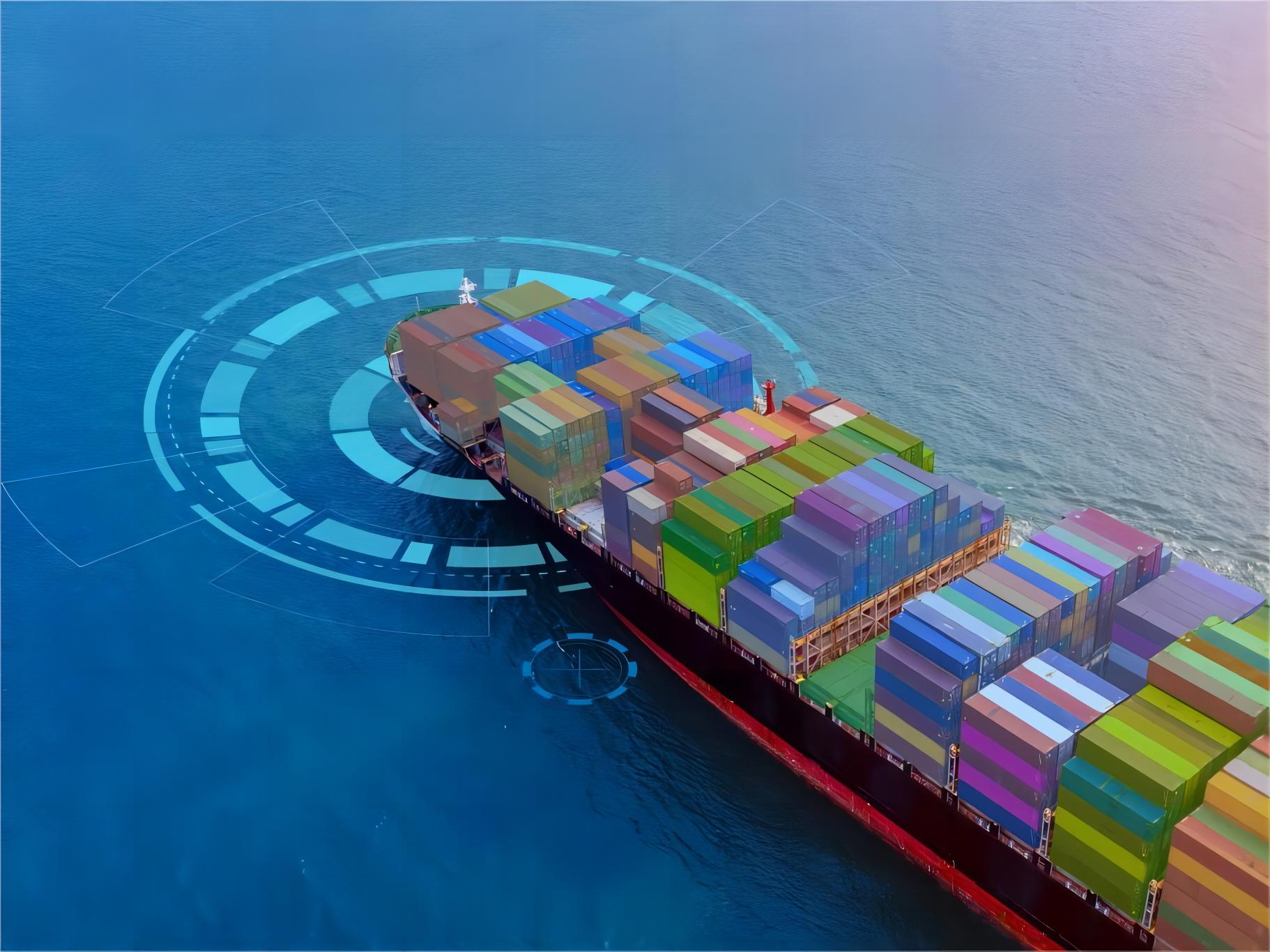
What Factors Influence Your Shipping Quote China to Canada?
Securing a competitive shipping quote China to Canada depends on several dynamic market factors that fluctuate throughout the year. For instance, fuel surcharges remain a significant component of the total price as global energy markets shift in 2026. Additionally, seasonal demand during the peak periods of August through October often leads to capacity constraints and higher rates. Therefore, planning your shipments well in advance is a strategic move to avoid unexpected price hikes.
Container availability also plays a crucial role in determining the final cost of your logistics operations. Because trade imbalances can lead to equipment shortages in major Chinese ports like Ningbo or Shanghai, prices may rise when demand exceeds supply. Moreover, the specific nature of your cargo, including its weight, volume, and classification, will dictate the most efficient shipping method. Specifically, hazardous materials or oversized items require specialized handling that increases the overall quote.
Incoterms are another vital element that defines the responsibilities of the buyer and seller during the shipping process. Whether you are using EXW, FOB, or DDP, the chosen term will directly impact your financial obligations and risk management. Consequently, you must clearly communicate these terms with your freight forwarder to ensure the quote reflects all necessary services. In addition, currency exchange rate fluctuations between the USD, CNY, and CAD can subtly alter the final invoice amount over time.
Comparing Sea Freight vs. Air Freight for Canadian Imports
Choosing between different transport modes is a fundamental decision for any importer looking for a reliable shipping quote China to Canada. For large volumes of goods, sea freight offers the most economical solution for long-distance transport. Although it takes longer than other methods, the cost per unit is significantly lower, making it ideal for bulk commodities and non-urgent inventory. On the other hand, speed-sensitive shipments benefit most from alternative solutions.
When time is of the essence, air freight provides the fastest transit times to major Canadian hubs like Toronto, Vancouver, and Montreal. While the cost is higher compared to ocean transport, the reduced transit time can help businesses meet tight deadlines or restock high-demand products quickly. Furthermore, air transport offers enhanced security and lower insurance premiums due to the shorter time spent in transit. As a result, companies often use a mix of both modes to balance cost and speed.
| Method | Transit Time | Cost Level | Best For |
|---|---|---|---|
| Sea Freight (FCL) | 18-35 Days | Low | Bulk goods, large machinery |
| Sea Freight (LCL) | 25-45 Days | Medium | Small volumes, pallets |
| Air Freight | 3-7 Days | High | Electronics, urgent stock |
| Express Service | 2-5 Days | Very High | Samples, documents |
How Does Sea Freight Compare to Other Shipping Options?
Understanding how sea freight stacks up against other logistics strategies is essential for optimizing your supply chain. While sea freight is the backbone of global trade, it may not always be the most efficient choice for every scenario. For example, rail freight options are gaining traction for certain inland routes, though they are less common for the trans-Pacific journey to Canada compared to Eurasian routes. Nevertheless, comparing these options ensures you select the most cost-effective path for your specific cargo.
In contrast to sea freight, which requires significant lead time, air and express services offer rapid turnaround. However, the price gap can be substantial, often reaching five to ten times the cost of ocean transport for the same weight. Additionally, sea freight allows for the transport of much larger and heavier items that would be cost-prohibitive or physically impossible to move by air. Therefore, businesses must evaluate their inventory turnover rates and profit margins when requesting a shipping quote China to Canada.
| Shipping Method | Cost Range (USD) | Transit Time | Limitations |
|---|---|---|---|
| Sea FCL (40HQ) | $3,500 – $5,500 | 20-30 Days | Requires high volume |
| Sea LCL (per CBM) | $80 – $150 | 30-40 Days | Higher risk of damage |
| Standard Air | $5.50 – $9.00/kg | 5-8 Days | Weight/size limits |
| Sea-Air Hybrid | $3.00 – $5.00/kg | 12-18 Days | Complex scheduling |
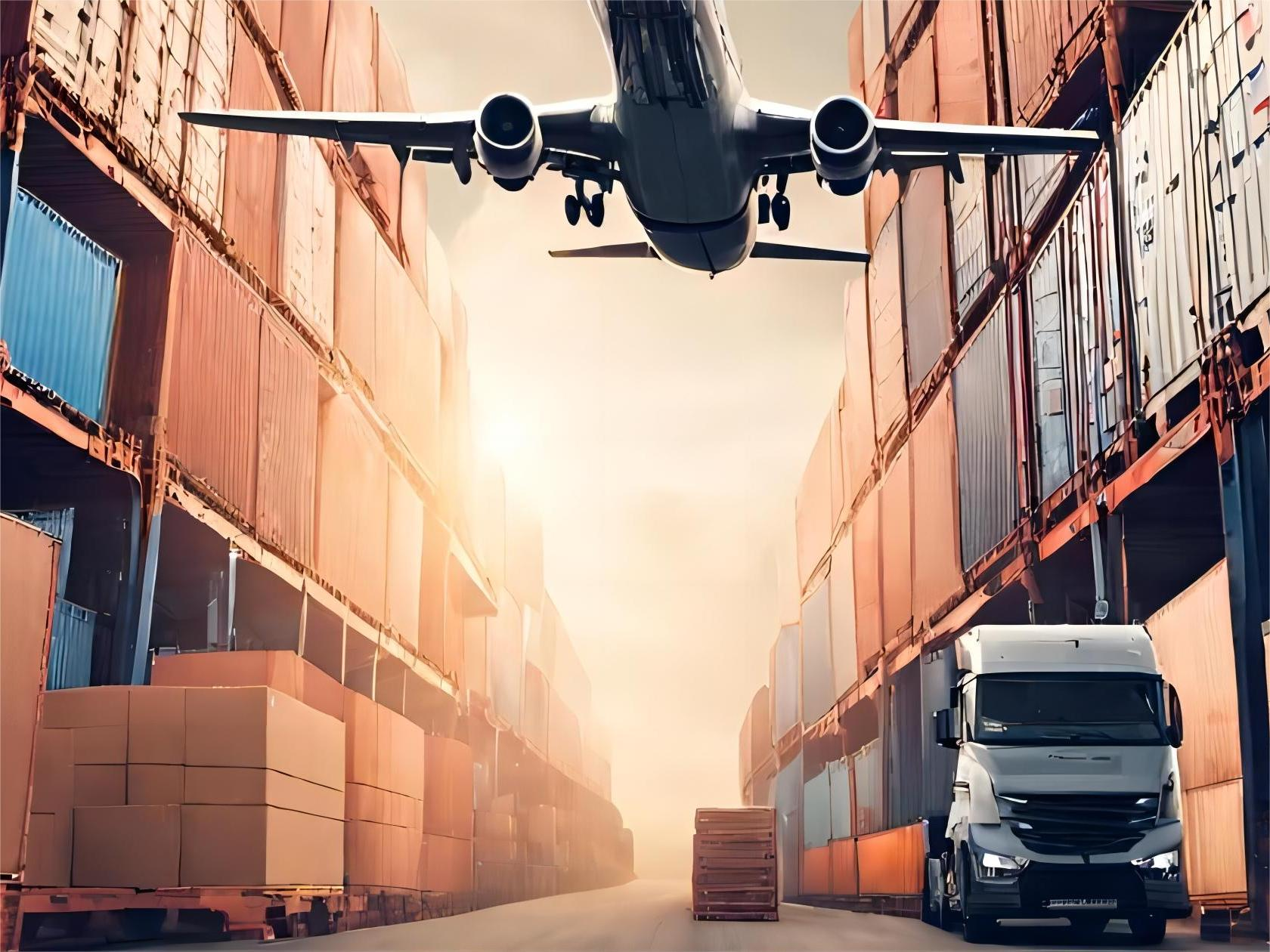
FCL vs. LCL: Which Sea Freight Option is Better?
Full Container Load (FCL) is generally more cost-effective for shipments that can fill at least 70% of a 20ft or 40ft container. Because you have exclusive use of the container, the risk of damage from other cargo is minimized, and transit times are often faster. Conversely, Less than Container Load (LCL) allows you to share space with other shippers, which is ideal for smaller volumes. Although LCL is cheaper for small loads, it involves more handling and longer processing times at consolidation hubs.
Understanding Customs Duties and Taxes in Canada
Navigating the Canadian customs landscape is a critical part of obtaining an accurate shipping quote China to Canada. Every imported item must be classified under the Harmonized System (HS) code to determine the applicable duty rates. Moreover, the Goods and Services Tax (GST) is generally applied to most imports at a rate of 5%. Consequently, failing to account for these costs in your initial budget can lead to significant financial discrepancies upon the arrival of your goods.
Utilizing a professional customs brokerage service can streamline this process and prevent costly delays at the border. These experts ensure that all documentation, including the commercial invoice and packing list, is accurate and compliant with Canada Border Services Agency (CBSA) regulations. Furthermore, they can help you identify potential duty relief programs or trade agreements that might reduce your total tax liability. Indeed, efficient customs clearance is just as important as the physical transport of your cargo.
Which Option Should You Choose? Decision Framework
Deciding on the best shipping method involves balancing several competing priorities based on your business model. If your primary goal is cost reduction and you have a flexible delivery schedule, sea freight is undoubtedly the best choice. On the contrary, if you are launching a new product or responding to a sudden market trend, the speed of air freight justifies the higher expense. Additionally, consider the value of the goods; high-value electronics often warrant the extra security and speed of air transport.
Weight and volume thresholds also dictate the most logical shipping path for your inventory. For shipments weighing less than 100kg, express couriers often provide the best value and simplicity. Meanwhile, shipments between 100kg and 500kg are often best served by air freight, while anything over 500kg or 2 CBM usually shifts the advantage toward sea freight. To summarize, your decision should align with your budget, timeline, and the physical characteristics of your products.
The Role of Door-to-Door Services in Modern Logistics
Many modern businesses prefer a door to door shipping model to simplify their operations and reduce administrative burdens. This comprehensive service covers every step of the journey, from the supplier’s warehouse in China to the final destination in Canada. By consolidating all logistics tasks under a single provider, you gain better visibility and control over your supply chain. Consequently, this approach often results in fewer communication errors and more predictable delivery schedules.
Choosing a door-to-door service also means that the freight forwarder handles all local drayage and inland trucking. In Canada, this is particularly important given the vast distances between major ports and inland cities like Calgary or Edmonton. Furthermore, these services often include the ‘last mile’ delivery, which is the most complex part of the logistics chain. As a result, you can focus on your core business activities while the logistics experts manage the intricacies of international transport.
Shipping to Amazon FBA Canada: Best Practices
E-commerce sellers frequently require a specialized Amazon FBA shipping strategy to meet strict warehouse requirements. Amazon has specific rules regarding palletization, labeling, and delivery appointments that must be followed to avoid penalties or rejected shipments. Therefore, working with a forwarder who understands the nuances of the Canadian FBA network is essential for success. In addition, using DDP (Delivered Duty Paid) terms is highly recommended for FBA shipments to ensure Amazon does not have to handle any tax payments.
Planning your inventory levels is also crucial, especially during peak shopping seasons like Prime Day or the winter holidays. Because Amazon warehouses can become congested, shipping your goods well in advance ensures they are processed and ready for sale. Moreover, consider using a prep center in Canada to inspect and relabel goods before they reach the FBA warehouse. This extra step can prevent common issues and ensure a smooth customer experience for your Canadian buyers.
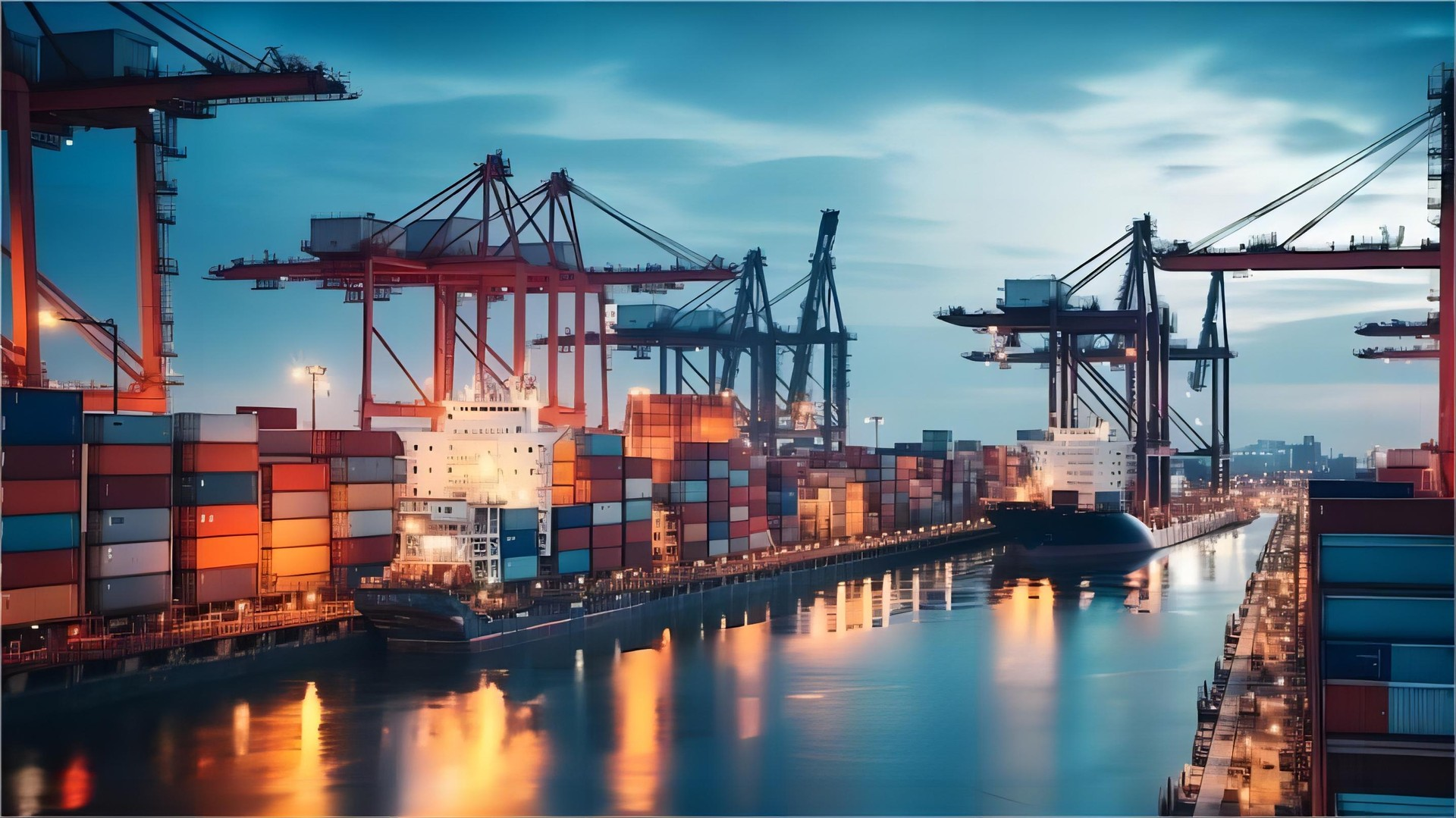
Real-World Logistics Case Studies (2026 Data)
Analyzing real-world examples provides a clearer picture of what to expect when requesting a shipping quote China to Canada. These cases reflect actual market conditions and the complexities involved in trans-Pacific trade. Specifically, they highlight the importance of choosing the right mode and the impact of local charges on the total landed cost. By reviewing these scenarios, you can better estimate your own logistics expenses and avoid common pitfalls encountered by other importers.
Case Study 1: Electronics from Shenzhen to Vancouver. A Canadian retailer imported 25 CBM of consumer electronics using a 40HQ container. The ocean freight cost was $4,200, with origin and destination charges totaling $1,100. Despite minor port congestion in Vancouver, the total door-to-door transit time was 24 days. Key Insight: Booking 3 weeks in advance secured a lower rate during the early Q3 period.
Case Study 2: Fashion Apparel from Ningbo to Toronto. An apparel brand needed 800kg of seasonal stock urgently. They chose air freight at a rate of $6.20/kg, totaling $4,960 for the air portion. Customs clearance and local delivery added $650 to the bill. The shipment arrived in just 6 days, allowing the brand to meet its marketing launch date. Key Insight: Air freight was essential to avoid missing a high-revenue sales window.
How to Reduce Your Total Shipping Costs
Reducing your logistics expenses requires a proactive approach and a thorough understanding of the shipping quote China to Canada. One of the most effective methods is cargo consolidation, where multiple smaller orders are combined into a single shipment to benefit from lower rates. Additionally, optimizing your packaging to reduce wasted space can significantly lower both weight and volume-based charges. Therefore, working closely with your manufacturers to improve packaging efficiency is a high-return strategy.
Negotiating long-term contracts with your freight forwarder can also provide more stable pricing and priority access to space. While spot rates can be lower during market dips, a contract offers protection against the sudden price spikes common in the shipping industry. Furthermore, choosing off-peak shipping times can lead to substantial savings, as carriers often offer discounts to fill capacity during slower months. Ultimately, a combination of smart planning and expert partnerships will yield the best results for your bottom line.
Note: Freight rates are subject to change based on fuel costs, carrier capacity, and seasonal demand. Contact us for a current quote tailored to your specific shipment.
Final Thoughts on Shipping from China to Canada
Successfully managing your imports requires a detailed and accurate shipping quote China to Canada to ensure financial predictability. By understanding the differences between sea and air freight, and the impact of customs duties, you can make informed decisions that support your business growth. Moreover, partnering with an experienced logistics provider ensures that your cargo is handled with care and delivered on schedule.
As we navigate the trade landscape of 2026, staying informed about market trends and logistics innovations remains vital. Whether you are shipping small LCL loads or managing large-scale FCL operations, the strategies outlined in this guide will help you minimize costs and maximize efficiency. Therefore, take the time to evaluate your options and choose the path that best aligns with your long-term objectives.

Need a tailored shipping solution?
Ready to optimize your supply chain and secure a competitive shipping quote China to Canada? Contact our expert team today to receive a customized logistics solution that meets your business goals. Visit Top China Logistics to get started with a free consultation and professional freight assessment.