


FCL Shipping China to Canada: 2026 Guide to Freight Rates
Optimizing your supply chain requires a deep understanding of FCL shipping china to Canada to ensure cost-effectiveness and reliability. Businesses looking for scalable logistics solutions often turn to Top China Logistics to manage their international trade requirements seamlessly. This comprehensive guide explores current 2026 market trends, transit schedules, and strategic pricing to help you navigate the complexities of trans-Pacific shipping.

What is FCL Shipping and Why Is It Ideal for Canada?
Full Container Load (FCL) refers to a shipping mode where one importer occupies an entire 20-foot or 40-foot container. Consequently, this method is highly preferred by businesses moving large volumes of goods because it offers better security and lower per-unit costs compared to shared containers. Moreover, sea freight remains the backbone of trade between these two nations due to its massive capacity.
Choosing FCL means your cargo is not handled alongside other shippers’ goods, which significantly reduces the risk of damage or loss. Furthermore, the loading and unloading processes are faster because the container does not need to be deconsolidated at a warehouse. Therefore, importers with more than 15 cubic meters of cargo typically find FCL to be the most economical choice for their 2026 logistics planning.
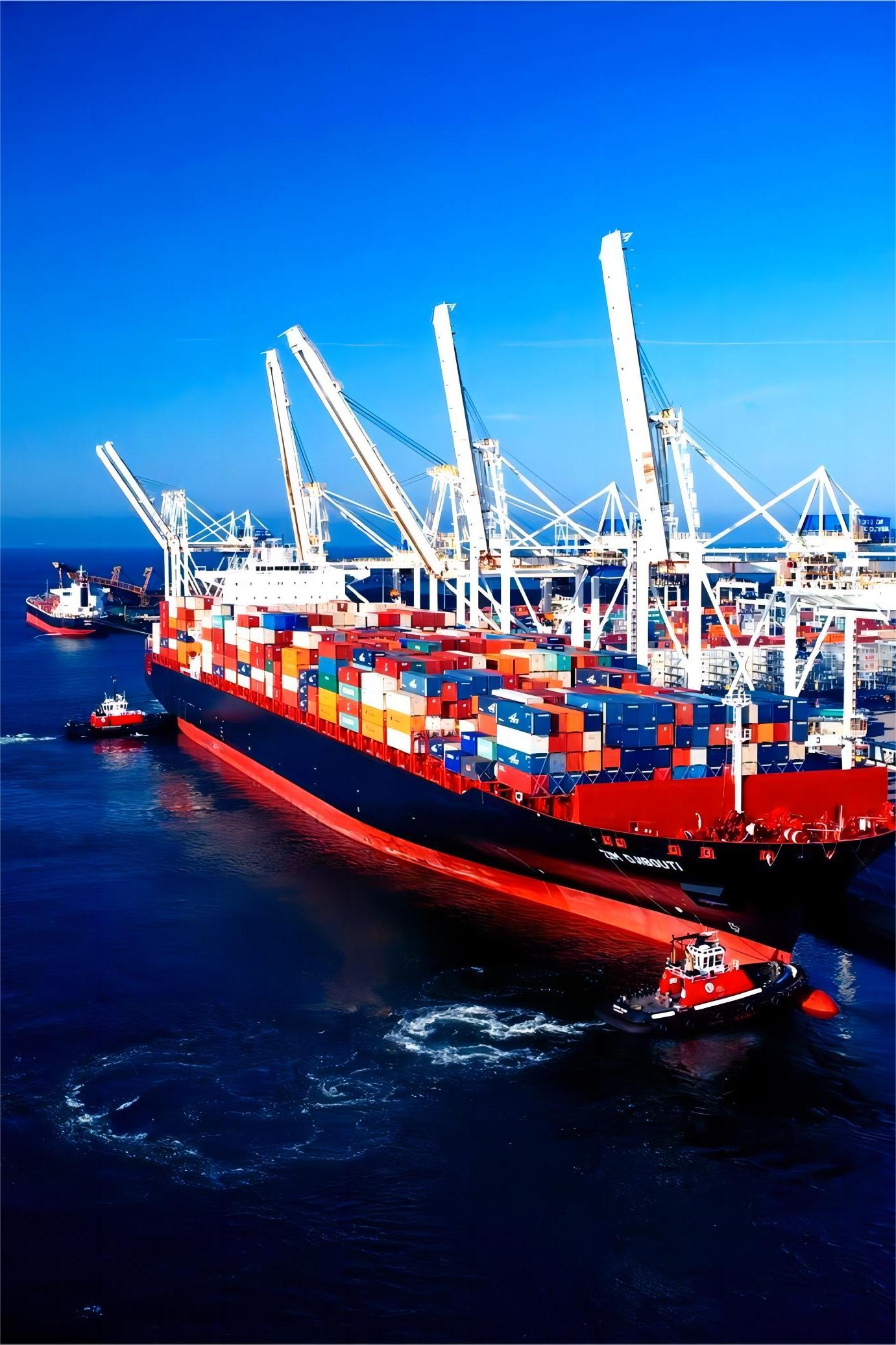
Specifically, the Canadian market demands high efficiency in cargo handling to meet strict delivery schedules. By utilizing a dedicated container, you gain more control over the shipping timeline and the integrity of your products. Accordingly, many large-scale retailers and manufacturers prioritize FCL to maintain a steady flow of inventory across the Pacific.
How Does FCL shipping china to Canada Compare to Other Shipping Options?
Evaluating different transportation modes is essential for making an informed decision that balances speed and budget. While FCL is the standard for bulk goods, air freight provides a much faster alternative for time-sensitive or high-value electronics. However, the cost difference between sea and air is substantial, often making sea freight the only viable option for heavy industrial goods.
In addition to air travel, some importers consider Less than Container Load (LCL) when their shipment volume is low. Nevertheless, as of early 2026, FCL rates have become increasingly competitive, often making a 20GP container cheaper than LCL for volumes exceeding 14 CBM. On the other hand, multi-modal solutions involving rail and sea can offer unique advantages for reaching inland Canadian hubs like Edmonton or Winnipeg.
To summarize, each method serves a specific business need depending on the urgency and volume of the shipment. You should analyze the trade-offs between cost and transit time before finalizing your 2026 shipping strategy.
| Shipping Method | Cost Range (USD) | Transit Time | Best For |
|---|---|---|---|
| FCL (40HQ) | $2,800 – $4,500 | 18 – 35 Days | Bulk goods and large inventory |
| LCL (per CBM) | $80 – $150 | 25 – 40 Days | Small shipments under 15 CBM |
| Air Freight (kg) | $5.50 – $9.00 | 3 – 7 Days | Urgent or high-value items |
| Sea-Air Hybrid | $1,500 – $2,200 | 12 – 18 Days | Balancing cost and speed |
Understanding the Costs of FCL shipping china to Canada
Freight rates in 2026 are influenced by various factors including fuel surcharges, seasonal demand, and port congestion levels. For instance, shipping costs typically peak during the months leading up to the holiday season as retailers restock their shelves. Consequently, booking your container at least 3 to 4 weeks in advance can help secure more favorable pricing from major carriers.
Additionally, the destination port in Canada plays a significant role in determining the final price. Shipping to Vancouver on the West Coast is generally cheaper and faster than shipping to Montreal or Halifax on the East Coast. Indeed, the inland haulage costs for moving a container from the port to a warehouse in Toronto can add significant expenses to your total landed cost.
Market data suggests that while base ocean freight is the largest component, you must also account for terminal handling charges and documentation fees. To accurately budget, always request a comprehensive quote that includes all origin and destination surcharges.
| Route (China to Canada) | 20GP Container | 40HQ Container | Average Transit |
|---|---|---|---|
| Shanghai to Vancouver | $1,600 – $2,100 | $2,700 – $3,400 | 16 – 19 Days |
| Shenzhen to Toronto | $2,900 – $3,600 | $4,200 – $5,300 | 28 – 35 Days |
| Ningbo to Montreal | $3,100 – $3,800 | $4,500 – $5,800 | 32 – 38 Days |
| Qingdao to Calgary | $2,400 – $3,100 | $3,800 – $4,900 | 22 – 26 Days |
Transit Times from Major Chinese Ports to Canada
Shipping durations vary significantly based on the chosen carrier and the specific route taken across the Pacific. For example, direct services from Shanghai to Vancouver are the fastest, often arriving in under 18 days during optimal conditions. Meanwhile, shipments destined for the East Coast must either traverse the Panama Canal or utilize the Canadian Pacific Railway from West Coast ports.
Furthermore, weather conditions and port productivity can impact these timelines throughout the year. As a result, it is wise to build a buffer of 5 to 7 days into your supply chain schedule to account for potential delays. In 2026, logistics trends indicate that port automation in Canada is helping to stabilize discharge times despite fluctuating cargo volumes.
Moreover, choosing the right port of loading in China can shave days off your transit time. Ports like Ningbo and Shenzhen offer frequent departures and state-of-the-art cargo handling facilities, ensuring your FCL shipment starts its journey efficiently.
Essential Documentation for Canadian Customs
Navigating the regulatory landscape is a critical step in ensuring your goods enter Canada without costly delays. You will need a commercial invoice, a packing list, and a bill of lading as the primary documents for every shipment. Additionally, working with a professional customs brokerage service can help you classify your goods correctly under the Harmonized System (HS) codes.
Improper documentation often leads to inspections by the Canada Border Services Agency (CBSA), which can result in storage fees and delivery setbacks. Therefore, double-checking all weights, values, and product descriptions is mandatory before the vessel departs from China. Indeed, having a clear Canada Customs Invoice (CCI) for shipments valued over 2,500 CAD is a standard requirement for commercial importers.
To summarize, preparation is the key to a smooth customs clearance process. By organizing your paperwork early, you ensure that your FCL shipping china to Canada remains on schedule and within budget.
| Document Type | Purpose | Required By | Criticality |
|---|---|---|---|
| Bill of Lading | Title to goods | Carrier/Customs | High |
| Commercial Invoice | Value declaration | CBSA | High |
| Packing List | Cargo details | Warehouse/Customs | Medium |
| Certificate of Origin | Duty preferential | CBSA | Optional |
Case Studies: Real-World FCL Shipping Examples
Examining real-world scenarios provides valuable insights into the actual costs and timelines you can expect in 2026. These cases reflect typical shipments handled for various industries, highlighting the importance of strategic planning and port selection.
Below are two detailed examples of FCL shipments from China to major Canadian hubs. These scenarios illustrate how different cargo types and destinations influence the final logistics outcome.
[Case Study 1: Electronics from Shanghai to Vancouver] +———————————————————+ | Route: Shanghai, China to Vancouver, Canada | Cargo: Consumer Electronics, 65 CBM, 12,000 kg | Container: 40HQ | | Shipping Details: | – Carrier/Service: COSCO Direct | – Port of Loading: Shanghai | – Port of Discharge: Vancouver | – Route Type: Direct | | Cost Breakdown: | – Ocean Freight: $3,100 | – Origin Charges: $350 | – Destination Charges: $420 | – Customs & Duties: $1,200 | – Total Landed Cost: $5,070 | | Timeline: | – Booking to Loading: 4 days | – Sea Transit: 17 days | – Customs Clearance: 2 days | – Total Door-to-Door: 23 days | | Key Insight: Direct sailing saved 10 days compared to transshipment. +———————————————————+
[Case Study 2: Furniture from Shenzhen to Toronto] +———————————————————+ | Route: Shenzhen, China to Toronto, Canada | Cargo: Home Furniture, 28 CBM, 8,500 kg | Container: 20GP | | Shipping Details: | – Carrier/Service: Maersk via Prince Rupert | – Port of Loading: Yantian (Shenzhen) | – Port of Discharge: Prince Rupert (then Rail to Toronto) | – Route Type: Intermodal | | Cost Breakdown: | – Ocean Freight: $3,400 | – Origin Charges: $300 | – Destination Charges: $550 | – Customs & Duties: $800 | – Total Landed Cost: $5,050 | | Timeline: | – Booking to Loading: 5 days | – Sea Transit: 20 days | – Rail Transit: 8 days | – Total Door-to-Door: 33 days | | Key Insight: Using door to door intermodal service simplified the inland logistics. +———————————————————+
Which Shipping Option Should You Choose?
Determining the best logistics strategy depends on your specific business priorities and the nature of your products. If your primary goal is cost reduction and you have a high volume of goods, FCL shipping is undoubtedly the superior choice. However, if you are testing a new product line with smaller quantities, LCL might be more appropriate initially.
For those managing an e-commerce business, Amazon FBA services can streamline the process by delivering goods directly to fulfillment centers. This approach is particularly effective when combined with FCL shipping to minimize the shipping cost per unit. On the other hand, if speed is the absolute priority for a stock-out situation, air freight is the only option despite the higher expense.
In summary, consider your inventory turnover and profit margins. If your cargo exceeds 15 CBM, FCL usually offers the best balance of safety, speed, and price for the China-to-Canada route in 2026.
Final Thoughts on FCL Shipping from China to Canada
Successfully managing FCL shipping china to Canada requires a combination of early planning, accurate documentation, and choosing the right logistics partner. By understanding the cost structures and transit times associated with different Canadian ports, you can significantly improve your bottom line. Furthermore, staying informed about 2026 market trends allows you to adapt to changing freight rates and avoid common pitfalls in international trade.
Ultimately, the efficiency of your logistics operations will determine your competitiveness in the Canadian market. Whether you are shipping electronics, furniture, or industrial machinery, FCL remains the most robust and scalable method for trans-Pacific trade. Start planning your next shipment today to take advantage of current market opportunities.
Get Your Shipping Quote Today
Ready to optimize your supply chain with reliable FCL shipping china to Canada? Contact our expert team today for a customized quote and professional logistics advice to streamline your 2026 imports. Send Inquiry
Request Quote