

Air Freight China to USA: 2026 Shipping Rates and Logistics Guide
“Navigating the complexities of air freight China to USA requires a deep understanding of current market dynamics and logistics efficiency. As businesses strive for faster delivery cycles in 2026, choosing the right logistics partner like Top China Logistics becomes essential for maintaining a competitive edge. This comprehensive guide explores everything from 2026 pricing trends to transit time optimization for your international cargo. Furthermore, we provide actionable strategies to help you reduce expenses while ensuring your goods arrive safely and on schedule.”
How Does Air Freight China to USA Work in 2026?
❖The process of moving goods via air freight begins with strategic planning and booking with a reliable forwarder. Initially, your logistics provider coordinates the pickup of cargo from your supplier’s warehouse in manufacturing hubs like Shenzhen, Ningbo, or Shanghai. Consequently, the team manages all export documentation and mandatory safety inspections required by Chinese customs authorities to ensure compliance with 2026 regulations.
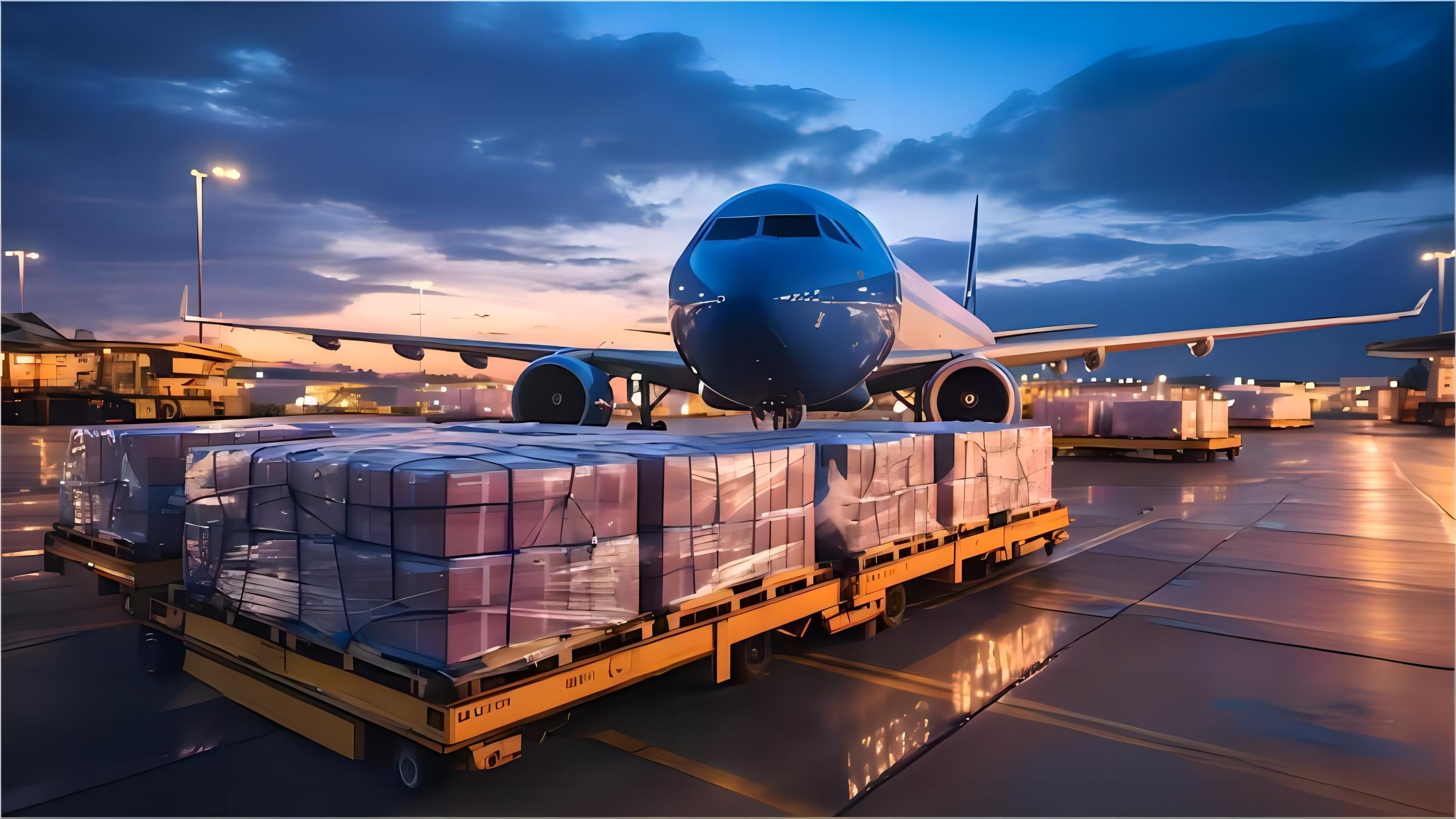
Once the cargo clears export hurdles, it is transported to the airport and loaded onto a scheduled freighter or the belly of a passenger aircraft. This stage requires precise cargo handling to prevent damage during transit across the Pacific Ocean. Meanwhile, your forwarder monitors the flight status and provides real-time updates to keep your supply chain visible and predictable.
Upon arrival at major US gateways such as Los Angeles (LAX), Chicago (ORD), or New York (JFK), the shipment undergoes import clearance. Professional brokers handle the submission of entries and payment of duties to the US Customs and Border Protection. Finally, the goods are released for local drayage or trucking, completing the journey to your doorstep or distribution center.
How Does Air Freight Compare to Other Shipping Options?
❖Choosing between different transport modes is a critical decision for any importer looking to balance speed and cost. While sea freight remains the most economical choice for massive volumes, it cannot compete with the rapid turnaround of air transport. For instance, a typical ocean shipment may take 25 to 40 days, whereas air freight delivers in under a week.
Furthermore, air transport significantly reduces the risk of damage and theft compared to long ocean voyages. This security makes it the preferred method for high-value electronics, pharmaceuticals, and seasonal fashion items. Additionally, the shorter transit time allows businesses to maintain leaner inventory levels, which reduces warehousing costs and improves cash flow throughout the fiscal year.
In contrast, rail freight is currently not a viable direct option for trans-Pacific routes between China and the United States. Therefore, shippers must decide between the speed of air and the capacity of the sea. To illustrate these differences, the following table provides a clear comparison of the primary shipping methods available in 2026.
| Shipping Method | Cost Range | Transit Time | Best For |
|---|---|---|---|
| Air Freight | $4.50 – $9.00/kg | 3 – 7 Days | High-value, Urgent |
| Sea Freight (LCL) | $80 – $150/CBM | 20 – 35 Days | Small Bulk |
| Sea Freight (FCL) | $2,500 – $4,500 | 18 – 30 Days | Large Volume |
| Express Service | $9.00 – $15.00/kg | 2 – 4 Days | Samples, Small Parcels |
What Are the Current Costs for Air Freight China to USA?
❖Market data for early 2026 suggests that air freight rates have stabilized following the fluctuations of previous years. On average, you can expect to pay between $4.50 and $8.50 per kilogram for standard air cargo services. However, these rates vary based on the specific airport of origin, the destination city, and the total weight of the shipment.
Specifically, fuel surcharges and seasonal demand play a major role in determining the final price you pay. During peak seasons, such as the lead-up to the winter holidays, rates typically increase by 15 to 25 percent due to limited carrier capacity. Consequently, booking your space at least two weeks in advance is highly recommended to secure the best possible rates.
Note: Freight rates are subject to change based on fuel costs, carrier capacity, and seasonal demand. Contact us for a current quote tailored to your specific shipment.

Which Option Should You Choose?
❖Determining the best shipping strategy depends largely on your specific business priorities and cargo characteristics. If budget is your primary concern and your lead times are flexible, sea freight is undoubtedly the most cost-effective solution. On the other hand, if you are launching a new product or replenishing stock for an urgent sale, air freight is the only viable choice.
For shipments weighing between 100kg and 500kg, air freight often provides a better balance of speed and total landed cost than LCL sea freight. This is because the fixed port charges associated with ocean shipping can disproportionately affect smaller loads. In contrast, for very small shipments under 45kg, using an express service is usually more efficient.
Hybrid solutions like sea-air combinations are also gaining popularity in 2026 for those seeking a middle ground. This strategy involves shipping goods via sea to a hub like Dubai or Singapore and then flying them to the USA. As a result, you save roughly 30 to 40 percent on costs compared to pure air freight while still arriving faster than traditional sea routes.
Real-World Case Studies for Air Freight China to USA
❖Reviewing actual shipping scenarios helps importers understand the practical application of these logistics strategies. Below are two recent examples from early 2026 that highlight the efficiency of air cargo for different product types.
Case Study 1: High-Priority Electronics Launch. Route: Shenzhen, China to Los Angeles, USA. Cargo: Consumer Electronics, 4.5 CBM, 850 kg. Shipping Details: Carrier: Major carrier; Port of Loading: Shenzhen (SZX); Port of Discharge: Los Angeles (LAX); Route Type: Direct. Cost Breakdown: Air Freight: $5,525; Origin Charges: $450; Destination Charges: $600; Customs and Duties: $1,200; Total Landed Cost: $7,775. Timeline: Booking to Loading: 2 days; Air Transit: 1 day; Customs Clearance: 1 day; Total Door-to-Door: 4 days. Key Insight: Utilizing a direct flight from Shenzhen minimized handling risks for fragile electronics during the 2026 peak season.
Case Study 2: Urgent Spare Parts Delivery. Route: Shanghai, China to Chicago, USA. Cargo: Industrial Machinery Parts, 2.2 CBM, 400 kg. Shipping Details: Carrier: Major carrier; Port of Loading: Shanghai (PVG); Port of Discharge: Chicago (ORD); Route Type: Transshipment via Anchorage. Cost Breakdown: Air Freight: $2,800; Origin Charges: $350; Destination Charges: $550; Customs and Duties: $900; Total Landed Cost: $4,600. Timeline: Booking to Loading: 1 day; Air Transit: 2 days; Customs Clearance: 2 days; Total Door-to-Door: 5 days. Key Insight: Transshipment options provided a 15 percent cost saving compared to direct flights without significantly impacting the schedule.
How to Optimize Your Customs Brokerage and Documentation
❖Successful air freight relies heavily on the accuracy of your paperwork and the efficiency of your customs brokerage partner. Incomplete or incorrect documentation is the most common cause of delivery delays in the United States. Therefore, you must ensure that your commercial invoice, packing list, and air waybill are perfectly aligned.
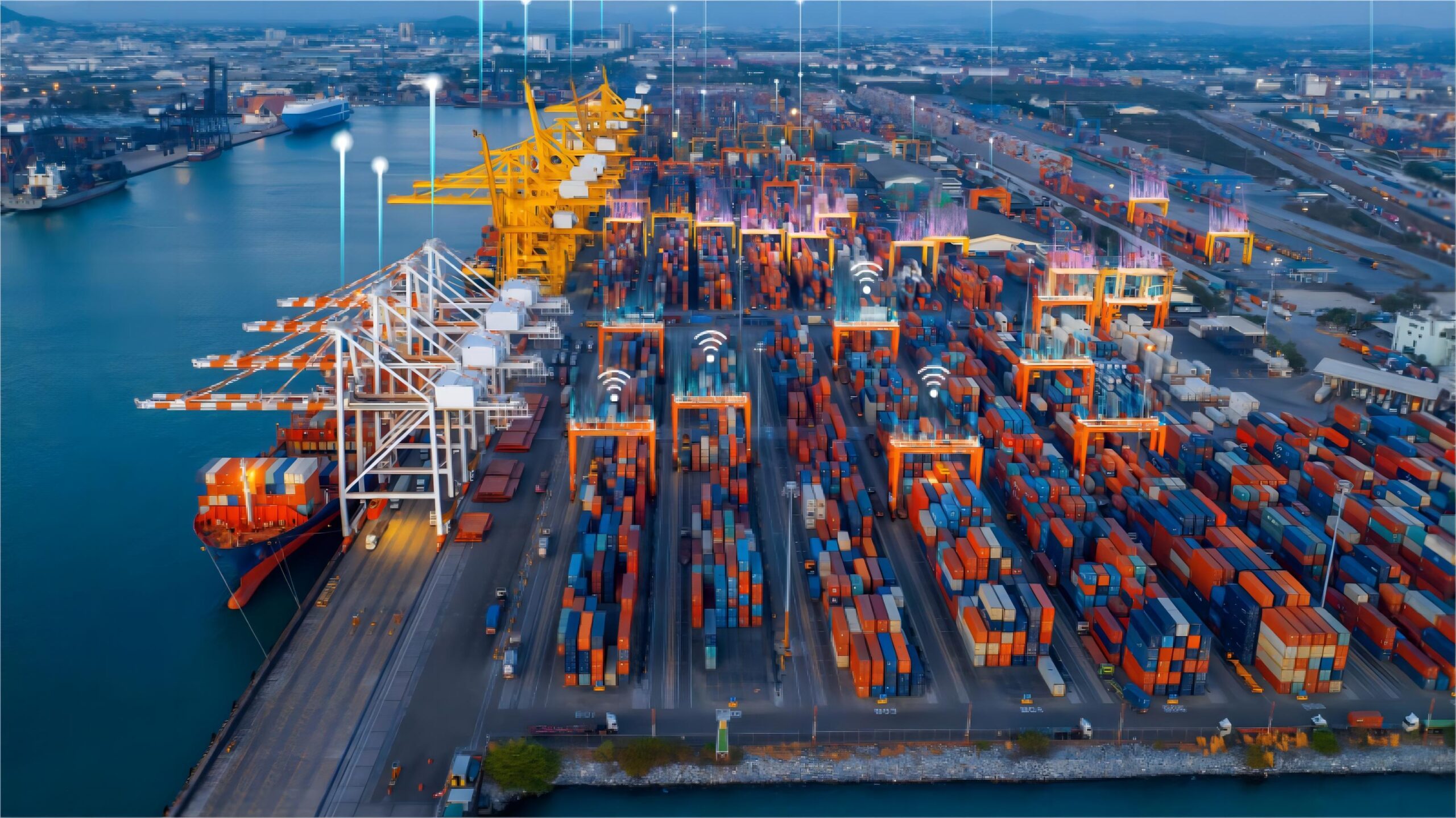
Moreover, understanding the specific HTS codes for your products is essential for calculating accurate duties and avoiding penalties. Professional brokers use advanced digital systems in 2026 to file entries before the aircraft even lands. Consequently, this proactive approach allows for immediate release of the cargo upon arrival, ensuring that the speed of air transport is not wasted at the terminal.
Indeed, working with a knowledgeable partner can help you navigate complex trade regulations and potential tariff exclusions. By streamlining the clearance process, you reduce the risk of costly storage fees at the airport. Without a doubt, expert guidance in this area is a critical component of a successful international shipping strategy.
Why Choose Door to Door Shipping Solutions?
❖Many modern businesses prefer door to door shipping to simplify their logistics management. This comprehensive service handles every step of the journey, from the supplier’s factory in China to the final destination in the USA. Consequently, you only have to deal with a single point of contact and one all-inclusive invoice.
Furthermore, this model eliminates the need for you to coordinate multiple local truckers or warehouse providers. Your logistics partner manages the entire chain, ensuring that transitions between air transport and ground delivery are seamless. For instance, if a flight is delayed, the provider automatically adjusts the final delivery schedule to maintain efficiency.
Additionally, door-to-door services often include cargo insurance and real-time tracking as standard features. This level of service provides peace of mind, especially when shipping high-value items across global borders. Ultimately, it allows you to focus on your core business operations while experts handle the heavy lifting of international transport.
Managing Amazon FBA Logistics via Air Freight
❖For e-commerce sellers, air freight is a vital tool for maintaining stock levels at Amazon FBA warehouses. The speed of air transport allows you to react quickly to unexpected spikes in demand or seasonal trends. Specifically, it helps you avoid the dreaded ‘out of stock’ status that can damage your Amazon search rankings.
However, Amazon has very strict requirements for how shipments must be labeled and palletized. Your forwarder must be experienced in FBA preparation to ensure your goods are not rejected at the fulfillment center. Moreover, using air freight for small, high-margin items can significantly increase your inventory turnover rate and overall profitability.
In addition, many sellers use a strategy of splitting shipments between air and sea. They send a small portion of inventory via air to get live quickly, while the bulk of the stock follows via ocean freight. This balanced approach ensures you never miss a sale while keeping your average shipping cost per unit as low as possible.
Conclusion
To summarize, air freight China to USA remains the most effective solution for businesses that prioritize speed, security, and reliability. By understanding the current 2026 market rates and transit times, you can make informed decisions that benefit your bottom line. Whether you are shipping electronics, fashion, or industrial parts, the right strategy will ensure your cargo arrives on time.
Furthermore, partnering with an experienced logistics provider helps you navigate the complexities of customs and international regulations. By utilizing the tips and case studies provided in this guide, you can optimize your shipping process and maintain a competitive edge in the global market. Remember that consistency and planning are the keys to successful international air freight operations.
Ready to streamline your logistics?
Ready to streamline your supply chain with reliable air freight China to USA? Contact our team today for a customized quote and expert logistics advice tailored to your 2026 business goals.
Request Quote