


FCL Shipping China to USA: 2026 Freight Rates and Guide
Navigating the complexities of FCL shipping China to USA requires a strategic approach to ensure timely delivery and cost efficiency. Businesses looking for reliable logistics solutions often turn to Top China Logistics for expert guidance. This guide provides comprehensive insights into maximizing your shipping performance in the current 2026 market.

What Defines FCL Shipping China to USA in 2026?
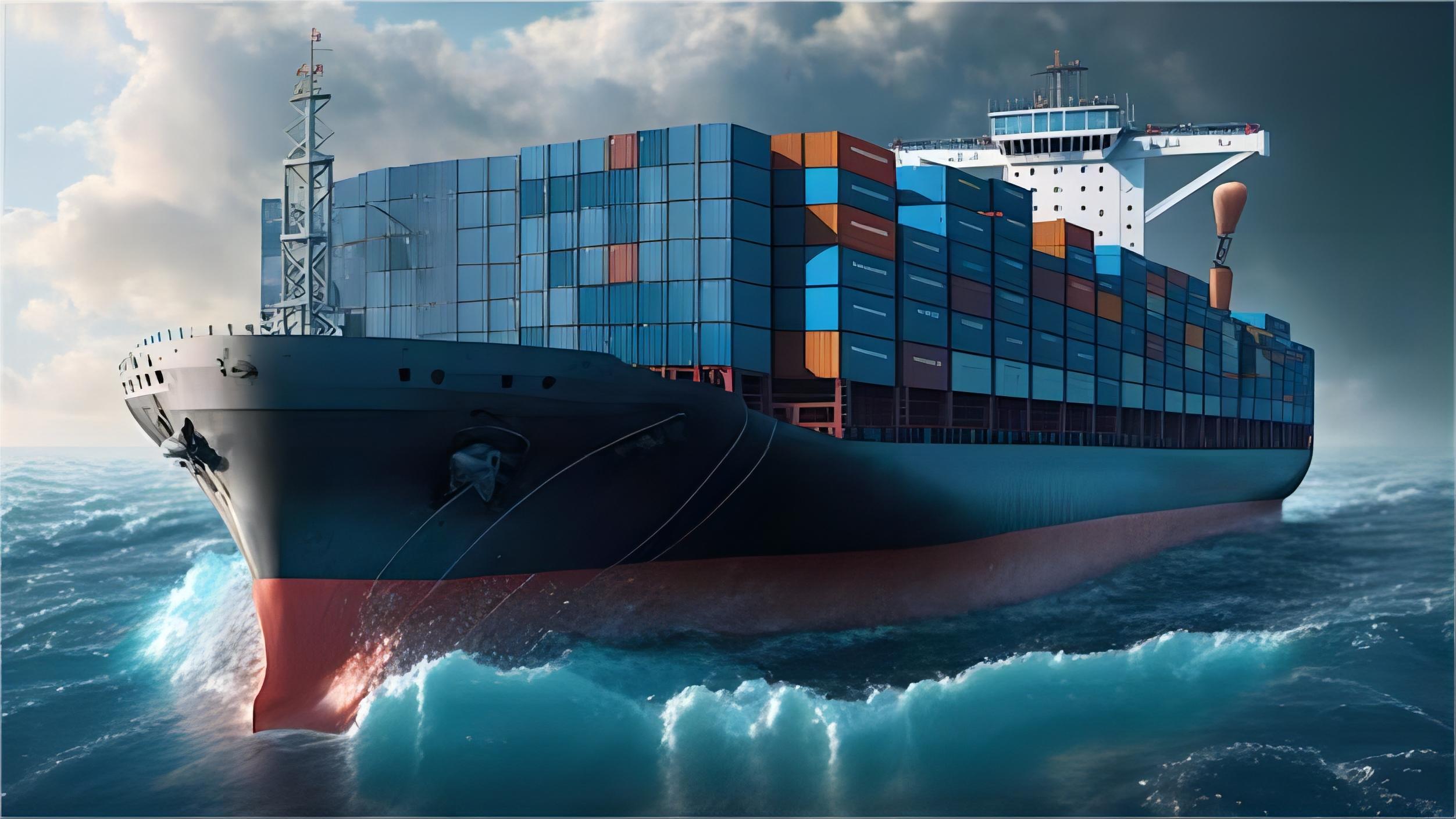
Full Container Load (FCL) refers to a shipping mode where an importer occupies an entire ocean container for their goods. Consequently, this method offers the highest level of security and efficiency for large-volume shipments moving across the Pacific.
Importers typically choose sea freight when their cargo volume exceeds 15 cubic meters. Moreover, FCL shipping allows for a more streamlined loading process since the container remains sealed from the point of origin to the final destination.
Logistics trends in 2026 indicate a shift toward smarter container tracking and faster port processing. Therefore, businesses must adapt to these technological advancements to maintain a competitive edge in the global market.
Choosing FCL also reduces the risk of damage because your goods do not share space with other shippers’ items. Specifically, this exclusivity simplifies the insurance process and provides peace of mind for high-value inventory.
FCL Shipping China to USA: Current 2026 Freight Rates
Market data suggests that freight rates have stabilized in early 2026 following the supply chain disruptions of previous years. However, seasonal demand and fuel surcharges continue to influence the total cost of ocean transport.
Typical rates for a 40HQ container from major Chinese ports to the US West Coast currently range between 2,800 and 3,800 dollars. In contrast, shipping to the US East Coast requires higher budgets due to the longer distance and canal transit fees.
Additionally, businesses should account for origin and destination charges which can add several hundred dollars to the base ocean freight. Consequently, a comprehensive landed cost analysis is essential for accurate budgeting.
| Container Type | China to USA West | China to USA East | Transit Time (Days) |
|---|---|---|---|
| 20GP Container | $1,500 – $2,200 | $2,500 – $3,500 | 14 – 35 |
| 40GP Container | $2,500 – $3,500 | $4,000 – $5,500 | 14 – 35 |
| 40HQ Container | $2,800 – $3,800 | $4,500 – $6,000 | 14 – 35 |
Estimating Transit Times for US Destination Ports
Transit times vary significantly depending on whether your cargo is heading to the West Coast or the East Coast of the United States. Furthermore, the choice of carrier and specific port of loading in China plays a crucial role in the overall schedule.
Direct routes from Shanghai to Los Angeles usually take between 14 and 18 days under normal port conditions. Meanwhile, shipments destined for New York or Savannah via the Panama Canal can take upwards of 30 to 35 days.
Efficient planning involves booking your space at least two weeks in advance to secure the best departure dates. Consequently, understanding the delivery schedule of major carriers like COSCO or Maersk helps in managing inventory levels effectively.
| Origin Port | Destination Port | Average Transit | Route Type |
|---|---|---|---|
| Shanghai | Los Angeles | 15 Days | Direct |
| Shenzhen | Long Beach | 16 Days | Direct |
| Ningbo | Savannah | 32 Days | Panama Canal |
| Qingdao | New York | 35 Days | Suez/Panama |
How Does FCL Shipping Compare to Other Shipping Options?
Importers often evaluate multiple transportation modes to balance speed and budget. Consequently, understanding the trade-offs between FCL, LCL, and air freight remains vital for supply chain health.
Full Container Load (FCL) provides exclusive use of a container, which typically minimizes handling risks. In contrast, Less than Container Load (LCL) involves sharing space with other shippers, which might lead to longer processing times at the port.
Air freight offers the fastest transit but comes with significantly higher costs. Therefore, most businesses prioritize FCL for large-scale inventory replenishment to maintain healthy profit margins, especially when using Amazon FBA services.
Hybrid solutions like sea-air combinations have also gained traction in 2026. Specifically, these routes allow companies to bypass port congestion while keeping costs lower than pure air transport.
| Shipping Method | Cost Range | Transit Time | Best For |
|---|---|---|---|
| FCL Shipping | Medium | 14-35 Days | Large Volume |
| LCL Shipping | Low to Medium | 20-45 Days | Small Batches |
| Air Freight | High | 3-7 Days | Urgent Goods |
| Sea-Air Hybrid | Medium-High | 10-15 Days | Balanced Needs |
Managing Customs Brokerage and Compliance Requirements
Navigating US customs requires meticulous documentation and a deep understanding of import regulations. Consequently, many successful importers partner with a professional customs brokerage to avoid costly delays and penalties.
Essential documents include the Commercial Invoice, Packing List, and the Bill of Lading. Furthermore, you must ensure that your goods are correctly classified under the Harmonized Tariff Schedule (HTS) to determine accurate duty rates.
Customs bonds are mandatory for all commercial entries into the United States. Accordingly, securing either a single-entry or continuous bond is one of the first steps in the importing process.
Recent 2026 updates to trade policies emphasize the importance of origin verification. Therefore, maintaining transparent records of your supply chain is more critical than ever for smooth clearance.

Real-World Case Studies: FCL Shipping China to USA
Analyzing real-world scenarios provides valuable context for new and experienced importers alike. These examples reflect the typical costs and timelines observed in the first half of 2026.
Case Study 1: Electronics Distribution Route: Shanghai to Los Angeles Cargo: Consumer Electronics, 65 CBM, 12,000 kg Container: 40HQ Shipping Details: – Carrier: Major Carrier – Port of Loading: Shanghai – Port of Discharge: Los Angeles – Route Type: Direct Cost Breakdown: – Ocean Freight: $3,200 – Origin Charges: $450 – Destination Charges: $500 – Total Landed Cost: $4,150 Timeline: – Sea Transit: 16 days – Total Door-to-Door: 24 days Key Insight: Early booking allowed the client to avoid a 15% peak season surcharge.
Case Study 2: Industrial Parts Supply Route: Ningbo to Savannah Cargo: Machinery Parts, 28 CBM, 8,500 kg Container: 20GP Shipping Details: – Carrier: Major Carrier – Port of Loading: Ningbo – Port of Discharge: Savannah – Route Type: Panama Canal Cost Breakdown: – Ocean Freight: $2,900 – Origin Charges: $400 – Destination Charges: $550 – Total Landed Cost: $3,850 Timeline: – Sea Transit: 32 days – Total Door-to-Door: 42 days Key Insight: Using a door to door service simplified the final mile delivery to the Midwest warehouse.
Alternative Strategies and Cost-Saving Logistics Trends
Implementing cost-saving strategies can significantly impact your bottom line over a fiscal year. For instance, consolidating multiple LCL shipments into a single FCL container often yields substantial savings on per-unit transport costs.
Shippers should also consider using an express service for smaller, high-priority components that cannot wait for ocean transit. Consequently, a tiered logistics strategy ensures that both budget and speed requirements are met.
Market intelligence suggests that port selection is becoming a vital factor in cost control. Specifically, choosing less congested ports like Oakland or Houston can sometimes reduce drayage costs and wait times compared to major hubs.
Ultimately, staying informed about carrier capacity and blank sailings allows you to adjust your shipping schedule proactively. Therefore, maintaining a flexible supply chain remains the best defense against market volatility in 2026.
Which Shipping Strategy Should You Choose for Your Business?
Budget priority usually dictates a preference for FCL shipping when volumes are high. However, if speed is your primary concern, air freight remains the undisputed leader despite the premium pricing.
Cargo type also influences the decision, as hazardous or oversized goods require specialized handling that only certain FCL containers can provide. Consequently, evaluating your specific product needs is the first step in selecting a method.
Volume thresholds are a helpful guide for switching from LCL to FCL. Specifically, once your shipment reaches 15-20 CBM, the flat rate of a 20GP container often becomes more economical than paying per cubic meter in a shared container.
Mastering Your FCL Shipping Strategy
Summarizing the key takeaways, FCL shipping China to USA remains the most cost-effective method for large-scale imports in 2026. By understanding transit times, managing documentation, and monitoring freight rates, businesses can significantly improve their logistics outcomes.
Reliable partnerships with experienced freight forwarders ensure that your cargo moves smoothly through customs and reaches its destination on time. Ultimately, a well-executed FCL shipping plan is the backbone of a successful transpacific trade operation.

Start Your Shipment
Maximize your supply chain efficiency with professional FCL shipping China to USA solutions. Contact Top China Logistics today to receive a customized quote and expert guidance for your 2026 shipping needs. Visit our website to start your inquiry and streamline your international trade operations.
Request Quote