TopChinaLogistics provides reliable and fully integrated logistics solutions for shipping from China to French Polynesia, covering sea freight, air freight, and professionally managed door-to-door delivery services. With extensive experience serving remote Pacific island destinations, we help importers achieve stable transit times, optimized freight costs, and clear shipment coordination across every logistics stage.
From export documentation and cargo handling in China to customs coordination and final delivery across French Polynesia, our experienced team manages each step with precision. Whether shipping construction materials, resort supplies, machinery, electronics, consumer goods, or general commercial cargo, TopChinaLogistics delivers secure, efficient, and well-organized logistics solutions tailored to French Polynesia–bound shipments.
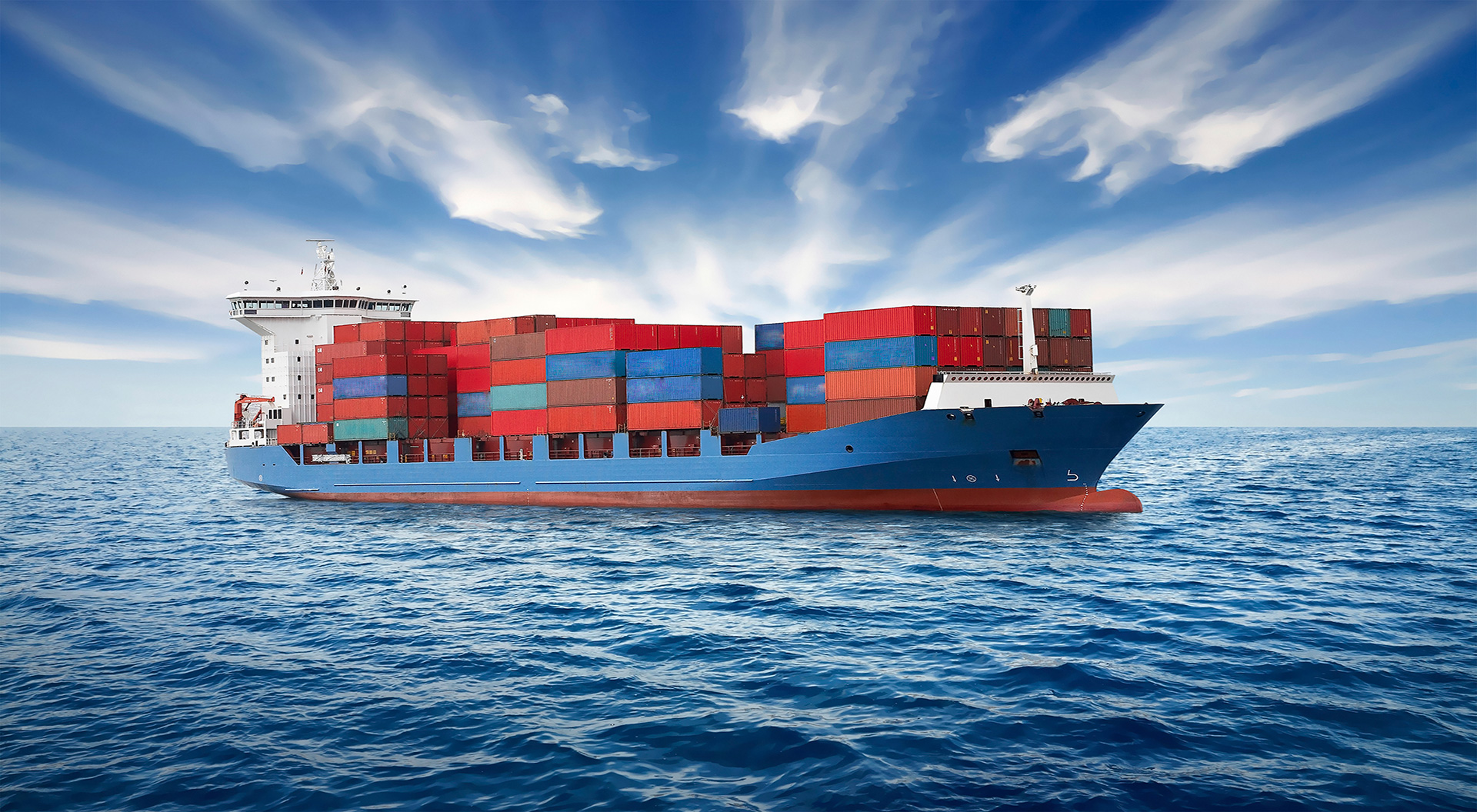
Our sea freight service from China to French Polynesia supports both FCL and LCL shipments, with departures from major Chinese ports such as Shenzhen, Shanghai, Ningbo, Qingdao, and Xiamen. Cargo is typically routed via Pacific transshipment hubs before discharge at the Port of Papeete (Tahiti), followed by coordinated inter-island transportation. Sea freight is a cost-effective solution for large-volume and non-urgent cargo, offering stable sailing schedules, flexible capacity, and reliable transit planning on China–French Polynesia routes.
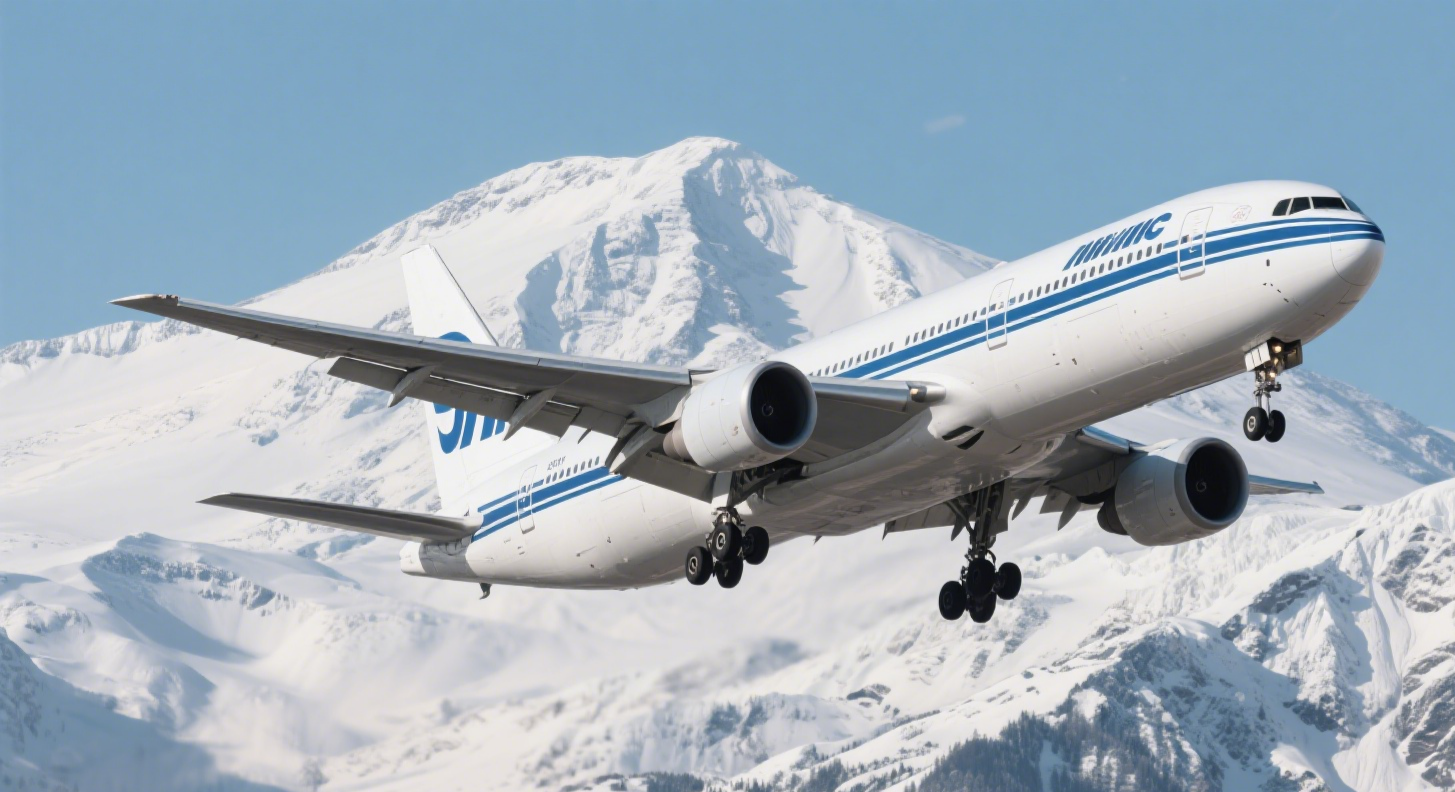
TopChinaLogistics offers structured and reliable air freight services from China to French Polynesia for urgent or high-value shipments. We arrange departures from Shenzhen, Guangzhou, Shanghai, Beijing, and Hong Kong, with connecting flights to Faʻaʻā International Airport (PPT) via major Pacific hubs. This service is suitable for time-sensitive cargo such as electronics, spare parts, medical supplies, luxury goods, and resort essentials, ensuring accurate documentation and predictable handling.
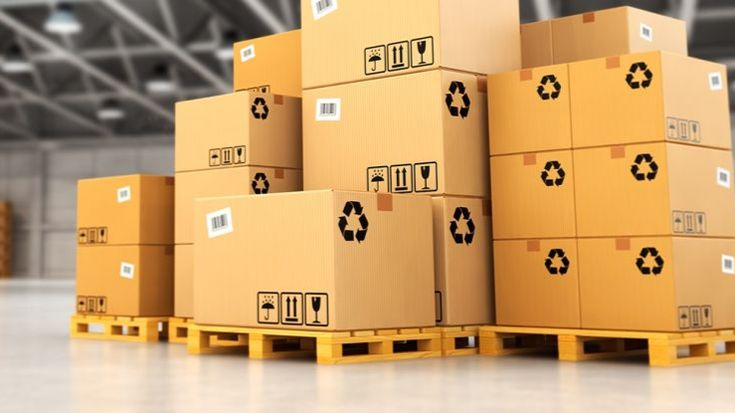
Our door-to-door shipping service from China to French Polynesia provides a fully managed logistics solution from factory pickup to final delivery. TopChinaLogistics handles export clearance in China, international transportation, French Polynesia import customs clearance, duties & tax coordination, and last-mile delivery to your warehouse, resort island, or business address. This service reduces coordination workload, improves shipment control, and ensures smooth cargo movement from origin to destination.

TopChinaLogistics provides professional Full Container Load (FCL) shipping from China to French Polynesia for shippers with medium to large cargo volumes. We support 20GP, 40GP, and 40HQ containers, offering exclusive container use, reduced cargo handling, and enhanced shipment security.
FCL shipping is well suited for construction materials, resort equipment, machinery, furniture, and bulk commercial goods, with stable routing and organized delivery.
For smaller shipments, our Less than Container Load (LCL) service from China to French Polynesia allows you to ship efficiently without booking a full container. Cargo is consolidated at our China warehouses, professionally packed and labeled, and shipped to French Polynesia with coordinated deconsolidation and onward island distribution.
LCL is a cost-effective option for SMEs, spare parts, samples, and small commercial consignments, providing professional handling and dependable logistics support.
Top China Logistics will provide most fuel efficient pickup service China
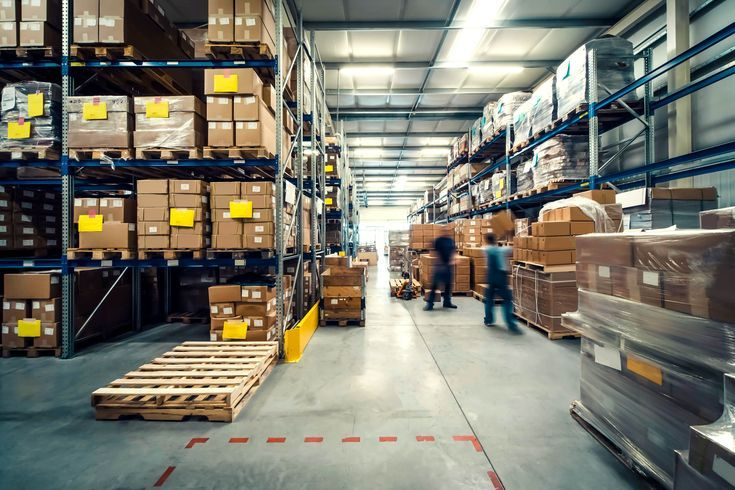
We provide free warehousing services for any of your goods.
The cargo insurance protects your goods all the way to any Any FBA Warehouse
We handle all paperwork and other details for you.

Ensure safe packaging and loading of goods in your suppliers' factory.
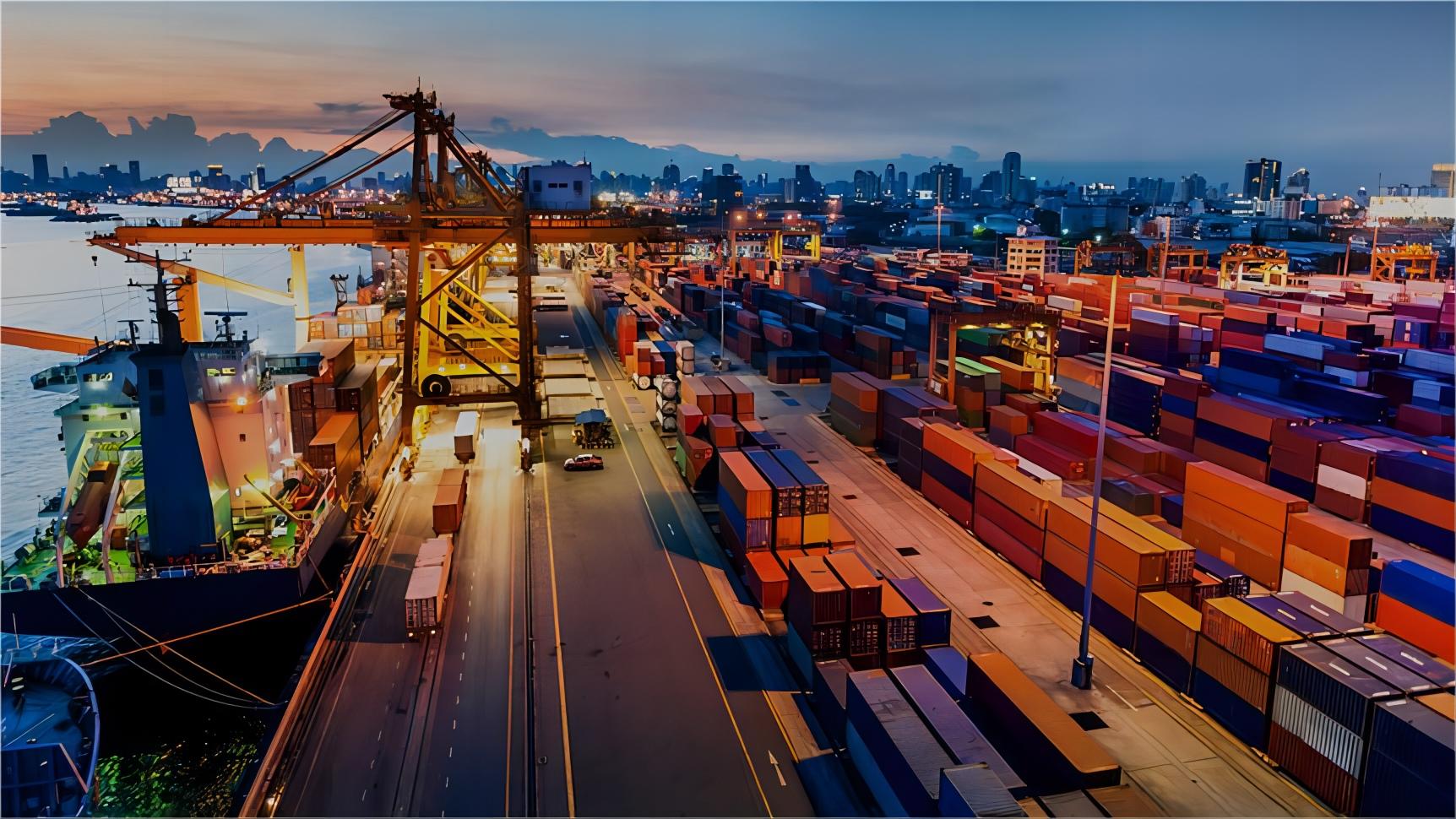
Factors include the mode of transport (sea or air), specific routes, customs processing, port congestion, and the efficiency of the chosen freight forwarder. Weather conditions and unforeseen delays can also impact shipping times.
You can track your shipment using tracking numbers provided by your freight forwarder or carrier. They typically offer online tracking tools that provide real-time updates on your shipment’s location and status.
Essential documents include a commercial invoice, packing list, bill of lading or air waybill, customs declaration forms, and any required certificates such as origin or health certificates for specific goods.
Yes, customs duties and taxes may apply. The rates depend on the type of goods, their value, and the applicable trade agreements. It’s crucial to check the latest customs regulations and tariffs for accurate cost estimates.
Use sturdy and weather-resistant materials. For fragile items, ensure proper cushioning and padding. Label packages clearly, and include handling instructions to prevent damage during transit.
Yes, expedited shipping options are available, typically via air freight. This service speeds up delivery times but may incur higher costs compared to standard shipping.
Risks include damage during transit, loss of goods, customs delays, and additional costs from unforeseen issues. Proper insurance and reliable packaging can help mitigate these risks.
Look for freight forwarders with a strong track record in handling shipments to French Polynesia. Consider their experience, customer reviews, range of services, and cost. Ensure they offer support for all necessary customs and documentation.
Be aware of regulations regarding prohibited or restricted items, import duties, and necessary documentation. Compliance with local laws and accurate declaration of goods is essential to avoid delays or fines.
Adverse weather conditions, such as storms or heavy rain, can delay shipping times, particularly for sea freight. Freight forwarders often account for such variables in their estimated delivery schedules.
Operations deal with the way the vehicles are operated, and the procedures set for this purpose, and policies. In the transport industry, operat ions and ownership of infrastructure can be either country.